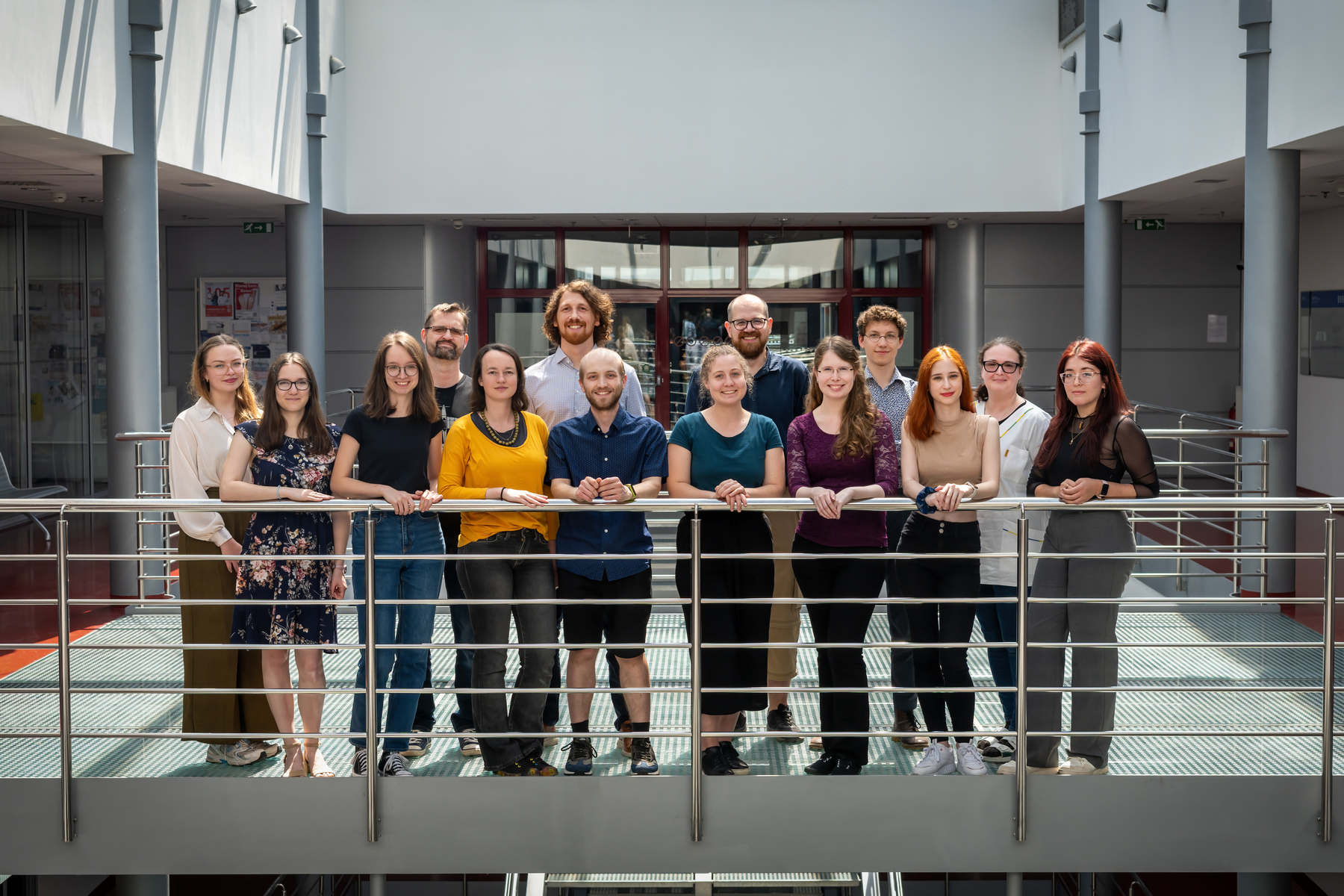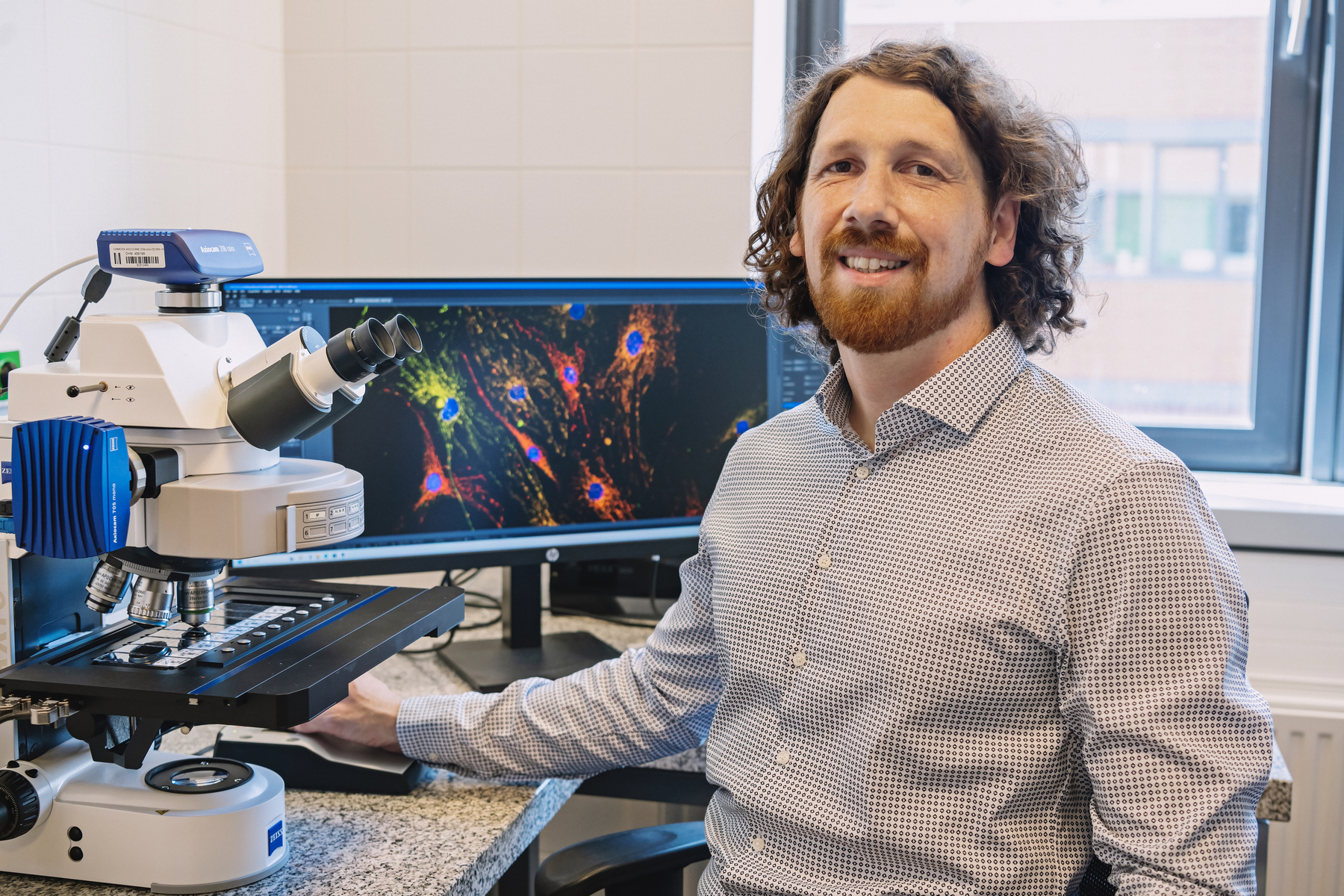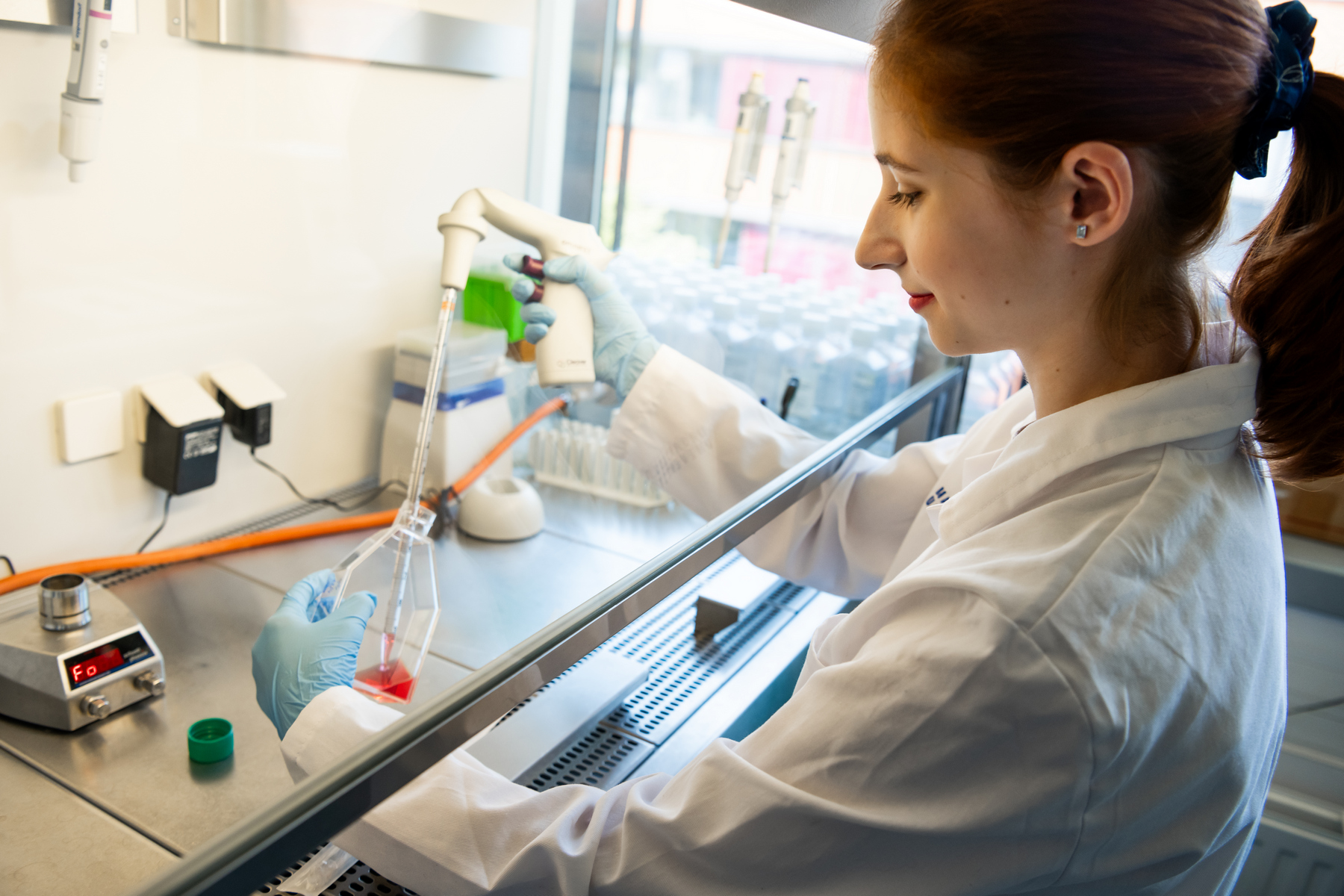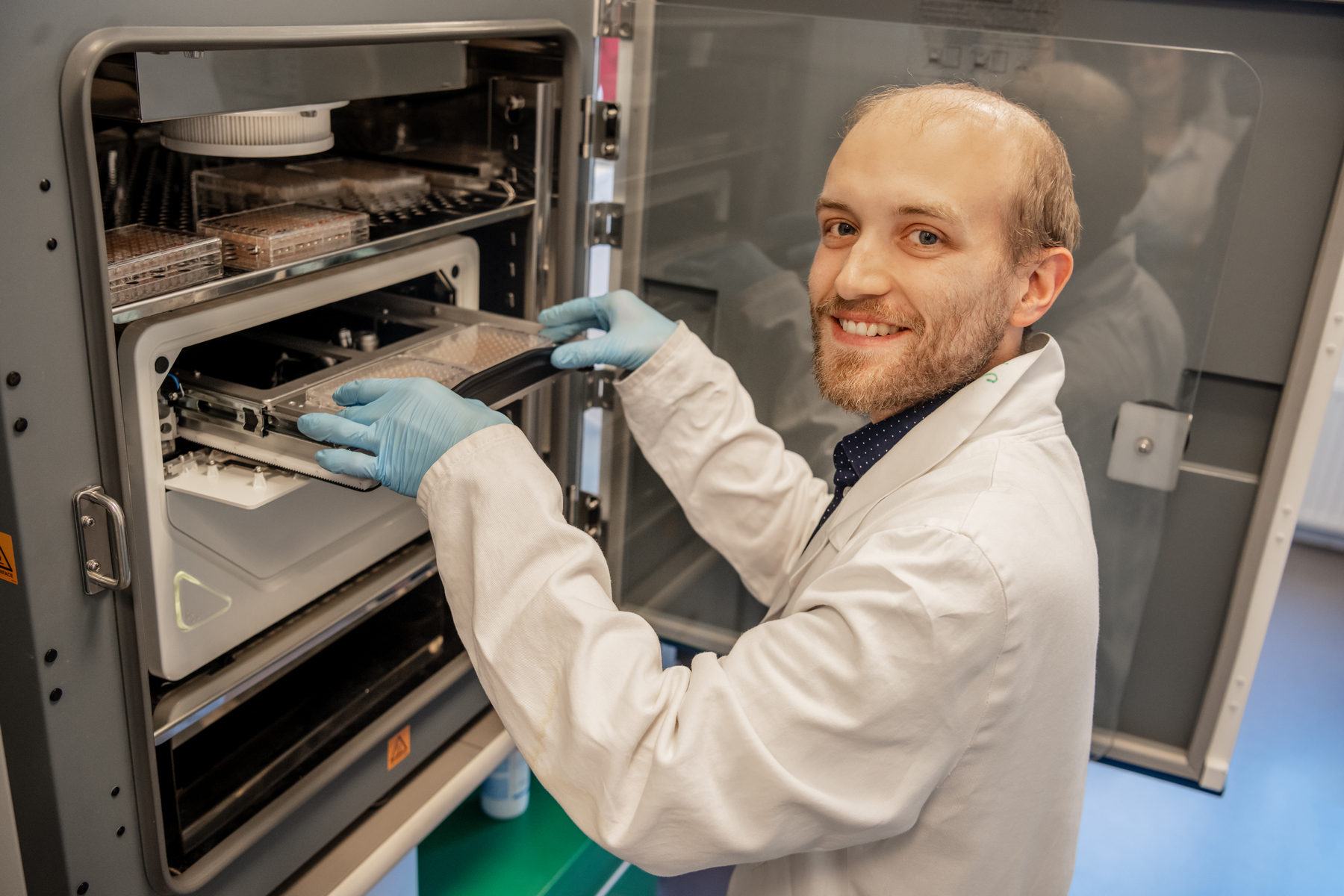



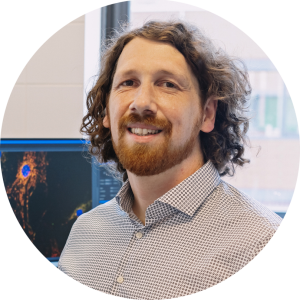
In tumour biology, too, it must be taken into account that a child is not simply a small adult. This is the motto of the research group led by Jan Škoda, head of the Laboratory of Tumour Biology at the Faculty of Science, Masaryk University. His team offers many years’ experience in research into solid paediatric tumours, such as neuroblastoma or sarcoma, including opportunities for collaboration using a unique biobank of derived cell lines and other advanced models. ‘Moreover, many of our approaches may be generally transferable; for example, we are now using zebrafish as a model for studying tumorigenesis and testing drugs in vivo. Within the NICR, we collaborate with several teams, and particularly closely with Professor Štěrba’s group’, says J. Škoda.
-
On your website, you describe the main mission of your laboratory as identifying the vulnerabilities of paediatric tumours. Where do you currently see the greatest vulnerabilities of tumours whose biology differs significantly from cancers in adults?
We can look for vulnerabilities by examining specific developmental programmes, where we can finally draw on highly detailed molecular insights from developmental biology (including analyses at the single-cell level) and thus identify parallels and disrupted pathways which will enable us to target tumours selectively. Paradoxically, further vulnerabilities are associated with the mechanisms that enable tumours to resist treatment. By characterising these processes – recently, for instance, the mechanism of mitochondrial resistance – we can identify entirely new therapeutic targets and selective treatment approaches.
-
You study tumours driven by the MYC gene and the potential use of synthetic mitochondrial lethality. Could mitochondria be the Achilles’ heel of some aggressive tumours?
Yes. In our research, mitochondria are indeed proving to be a promising therapeutic target in some aggressive tumours, and they may hold the key to overcoming multi-drug resistance. We found that tumours with high MYC or MYCN gene activity are extraordinarily sensitive to disruptions of mitochondrial function. Generally speaking, such intervention triggers in a cell an adaptive stress response but, in these tumour cells, it leads to selective cell death. The synthetic mitochondrial lethality we have described thus opens up the possibility of targeting specific tumour cells with high precision using a conserved mechanism.
-
A significant part of your research concerns neuroblastoma. What makes it particularly challenging from both a biological and clinical perspective?
Neuroblastomas are extremely heterogeneous. In some patients, a neuroblastoma may go into spontaneous remission, whilst in others it is highly aggressive and treatment resistant. It is this biological diversity, which probably reflects the tumour’s origin from precursors of the sympathoadrenal system at different stages of their development, that severely complicates treatment. It is clear that the key to better outcomes is in further refining risk stratification based on the tumour’s molecular characteristics and the associated personalisation of treatment. In this respect, our aim is to contribute to a better understanding of the biology of particular neuroblastoma subtypes, both by identifying more precise prognostic markers and by seeking new therapeutic targets for the most aggressive forms of neuroblastomas.
-
Aside from neuroblastoma and paediatric sarcomas, you also study rare conditions such as the giant cell tumour of bone (GCTB). How do you plan research into a disease for which only a limited number of patient samples and clinical data are available?
One of our laboratory’s strengths is our long experience with deriving primary cell lines from tumour tissues. Thanks to close collaboration with clinical centres in Brno, especially the Department of Paediatric Oncology at the Faculty of Medicine, Masaryk University and Brno University Hospital, and the First Department of Orthopaedics at the Faculty of Medicine, Masaryk University and St Anne’s University Hospital in Brno, we have succeeded in establishing a large biobank of cell models, which we can now draw upon in our research projects. Of course, we also make use of various national and international partnerships, especially in connection with research into paediatric tumours, which are by their very nature also rare. One can, after all, obtain sufficiently robust results only through sharing of material and data.
-
Your research is not just theoretical: you often apply the results directly to patient care. How extensive and significant is your collaboration with clinical medicine?
I am not sure it is often, but we are certainly trying. Collaboration with clinical departments is absolutely essential for us because it enables two-way feedback. We have a long-standing collaboration with paediatric oncologists, pathologists, and other specialists at both of the university hospitals in Brno. Thanks to this, we have access to patient samples, and the results of our analyses (in the past, especially the profiling of signalling pathway activation) can complement the overall picture of the disease and help oncologists choose treatment for refractory cases or cases of relapse. Worth noting are several published case studies, which we conducted as part of the molecular tumour board, and the promising results from neoadjuvant therapy for giant cell tumour of bone based on a combination of a standard drug with cell receptor inhibitors whose high activation we have identified in the neoplastic component of the tumour after relapse.
-
In one of your current projects, you are looking at ‘repurposing’ existing medicines, that is, finding new uses for them. What benefits can this approach have for paediatric oncology?
The main benefit is speed. With medicines that have already been approved, we know their safety profile, so the path to a potential clinical use can be significantly shorter. Last but not least, there are also clear economic benefits because this approach it eliminates the costly and risky phase of development and initial clinical testing of a new drug. This is extremely important in paediatric oncology, because childhood cancers account for just about one per cent of all cancers and the motivation of pharmaceutical companies to invest in the development of drugs specifically designed for these patients is, unfortunately, rather limited.
-
In paediatric oncology, however, the aim is not only to cure the disease but also to minimise the long-term effects of treatment. To what extent can precise biological characterisation of a tumour contribute to a more effective, but also less toxic, therapy?
Precise biological characterisation of a tumour is very important because it helps us to better understand which patients genuinely require intensive treatment and which might benefit from less aggressive approaches. An excellent example is the aforementioned neuroblastoma, where the introduction of prognostic markers enabled us to stratify patients according to disease risk. For some patients, we are thus able to avoid unnecessarily intensive treatment. From a therapeutic perspective, precision medicine, that is, a comprehensive molecular characterisation of a specific patient’s tumour and selection of an appropriate treatment strategy, is undoubtedly the right way forward. I believe that thanks to a constantly improving understanding of the molecular nature of tumours, we are approaching a time when treatment will be highly targeted, ‘tailor-made’ for the individual patient, and thus also less harsh on any healthy tissues.
-
Your projects bring together research into cell signalling, metabolism, and stem cell biology. Which of these areas do you think currently offers the greatest hope for a real breakthrough in the treatment of resistant paediatric tumours?
I would be cautious about using the word ‘breakthrough’, just as I am loath to single out just one of the areas mentioned. Unfortunately, that is unlikely. Actually, on the contrary, I believe that the path to better treatment outcomes will lie in a combination therapy that would draw on insights from all these areas. We already know that resistant tumour cells are biologically highly plastic. It would be foolish to assume that, for example, by targeting a single cellular process or signalling pathway, we will always affect all the transient populations of tumour cells. Our aim should be to characterise the markers and specific vulnerabilities of these individual transitional states, so as to devise combinations of drugs that would prevent tumour cells from – to put it simply – ‘hiding’ before treatment.
-
You have been leading the Tumour Biology Laboratory research group since 2024. What were your aspirations when you took on this role and what new areas would you like to develop within your research group?
I am building on the very strong foundations of the laboratory laid by Professor Renata Veselská. I would especially like to further develop our work in mitochondrial biology and the area of creating advanced models of paediatric tumours, which would better help us answer certain biologically complex questions. From the outset, I have been trying to steer the team towards a stronger international presence with an emphasis on linking basic research, i.e., mechanistic and ‘hypothesis-driven’ research, with translational research.
-
What synergies do you see in your laboratory’s involvement within NICR? What, for example, have you been able to gain from some of the other research groups, and what expertise can you offer others?
Naturally, we offer many years’ experience in paediatric solid tumour research, including opportunities for collaboration using our unique biobank of derived cell lines and other advanced models. Moreover, many of our approaches may be transferable: for example, we use zebrafish as a model for studying tumorigenesis and testing drugs in vivo. Within the NICR, we collaborate with several teams, and especially closely with Professor Štěrba’s group. In general, I see great benefits in the very act of bringing together experts from different fields, which allows for a broader perspective on the problems being addressed.
-
Which of your laboratory’s current projects or findings do you think are the closest to practical implementation, and what further steps must be taken before it can be used in treatment?
I believe that the repurposing of existing and well-tolerated drugs, such as certain antibiotics, to target mitochondrial vulnerabilities in aggressive tumours driven by MYC oncoproteins is in fact very close to practical implementation. But before any wider clinical use, we must complete further preclinical studies in relevant animal models in order to acquire sufficiently robust data to initiate a multicentre clinical trial. That is our focus in one of our current projects.
-
Laboratory research is often associated with lengthy experiments, setbacks, and the need for patience. What helps your team stay motivated and united? Do you have shared traditions, informal activities or hobbies that help turn colleagues into a real team?
We are motivated by knowing that our work may one day help paediatric patients. At the same time, we are actively trying to create a friendly environment that offers the necessary support at times when things simply are not going to plan. We regularly organise informal get-togethers outside the lab; some may involve a sport, others a summer barbecue or a visit to the Christmas markets. That really helps us maintain a good working atmosphere in the lab and strengthen trust, open communication, and cooperation.