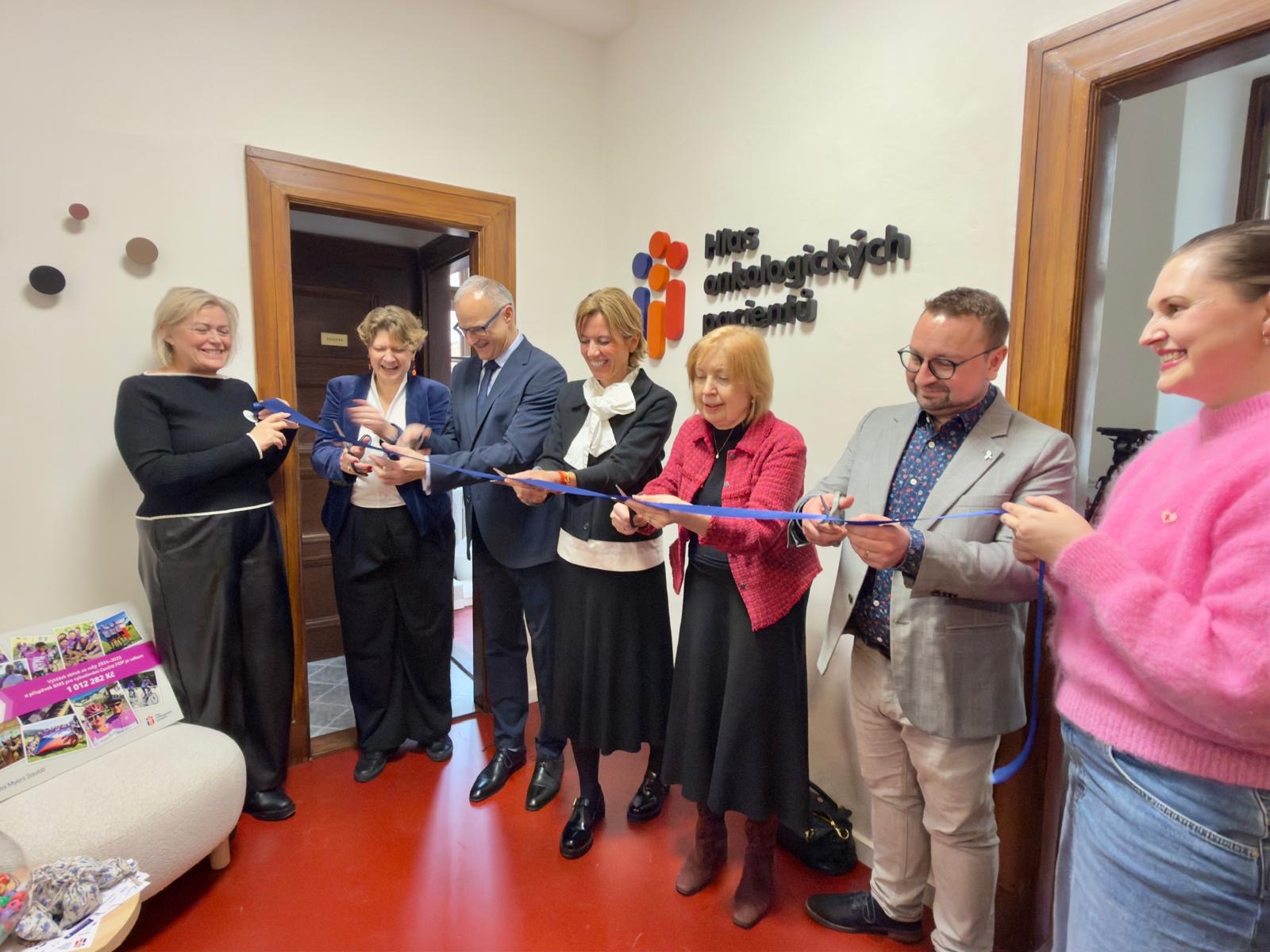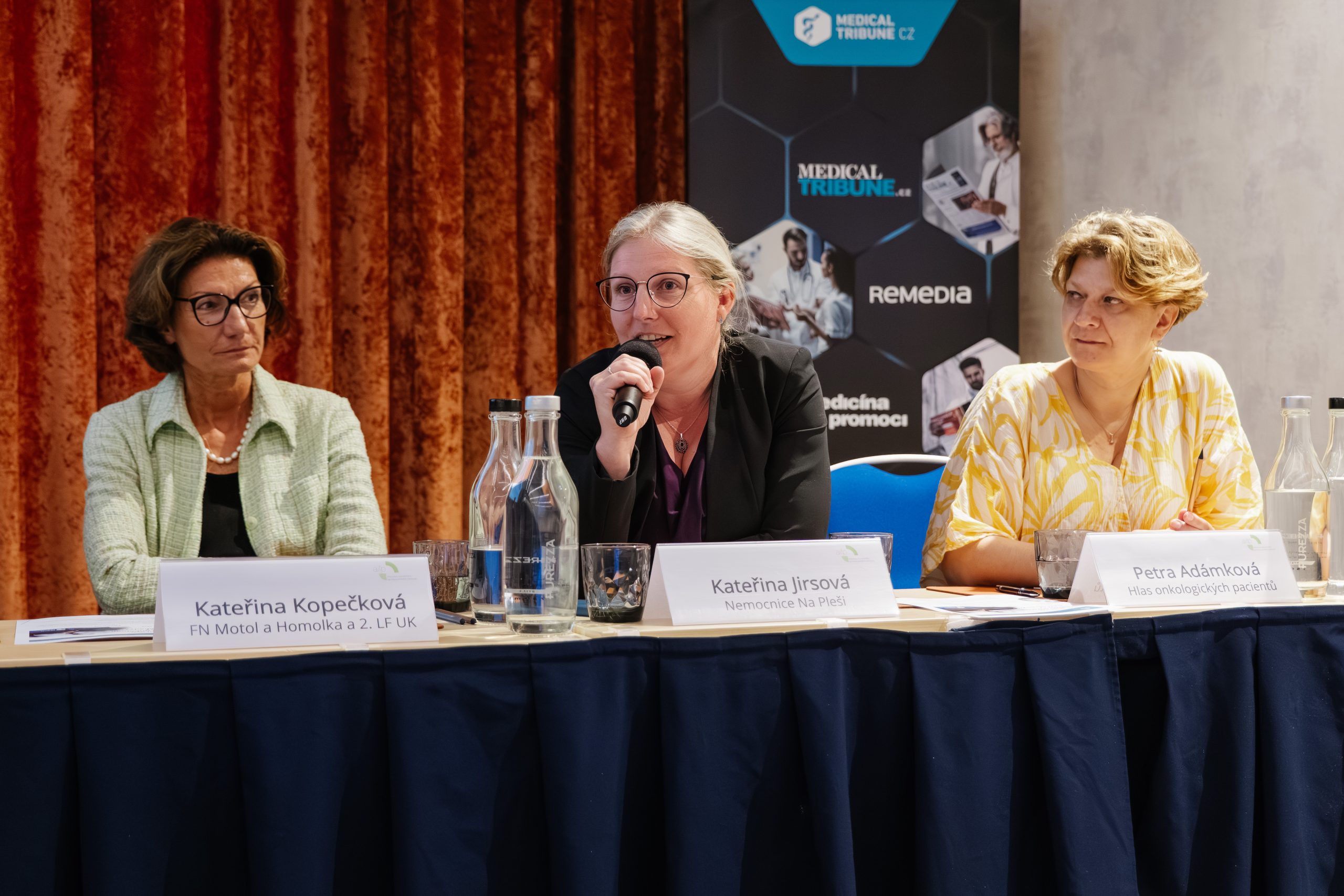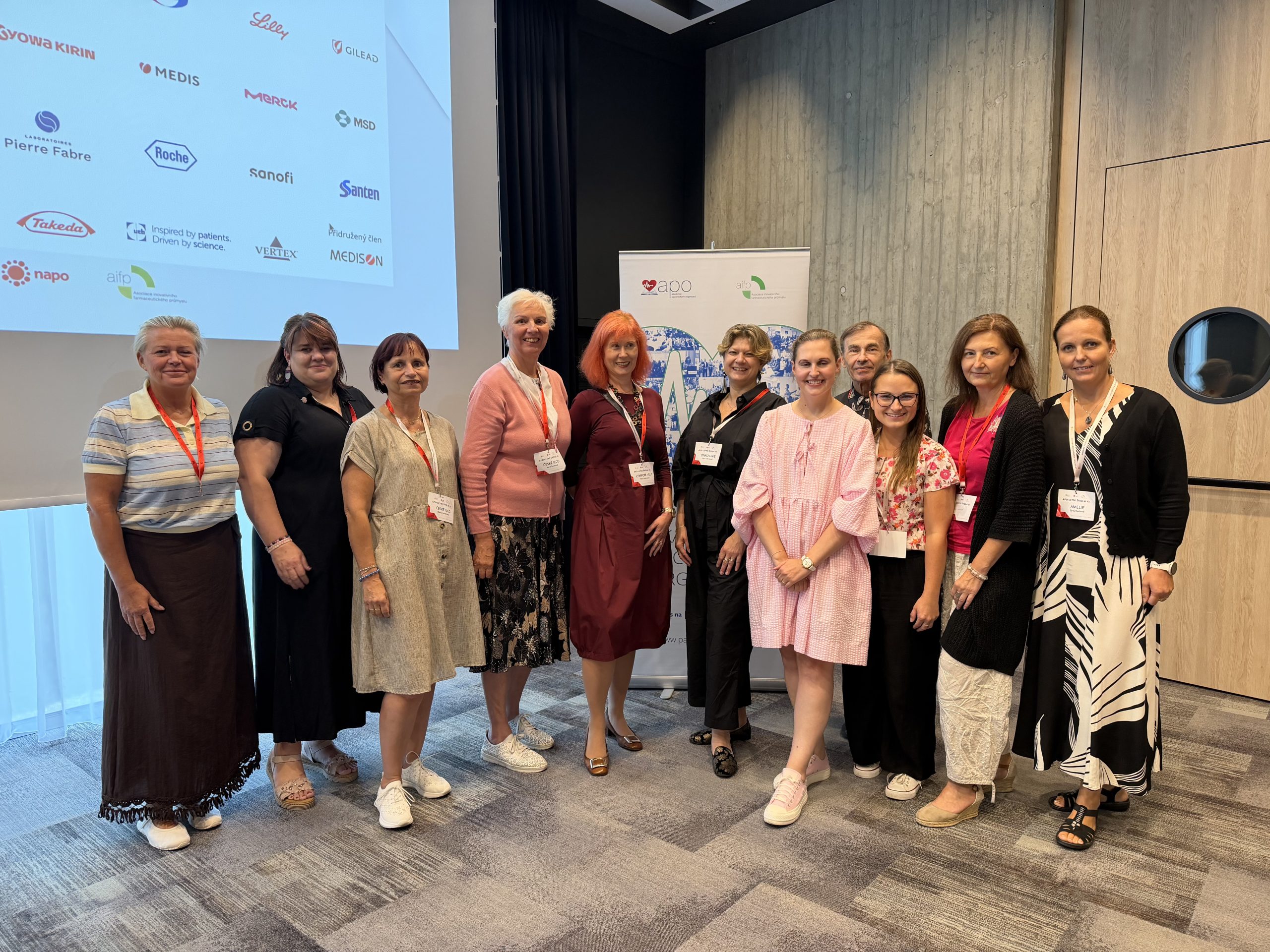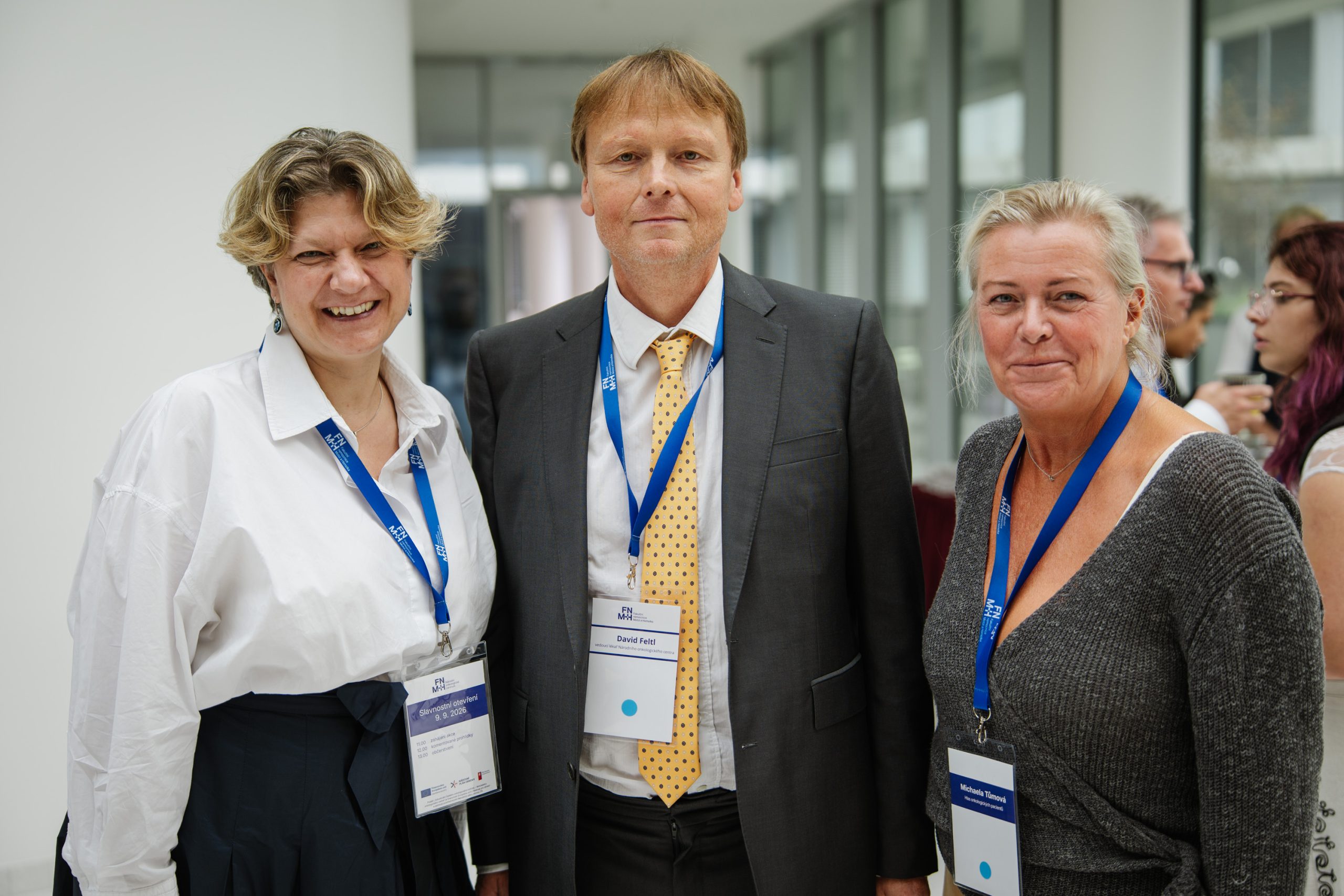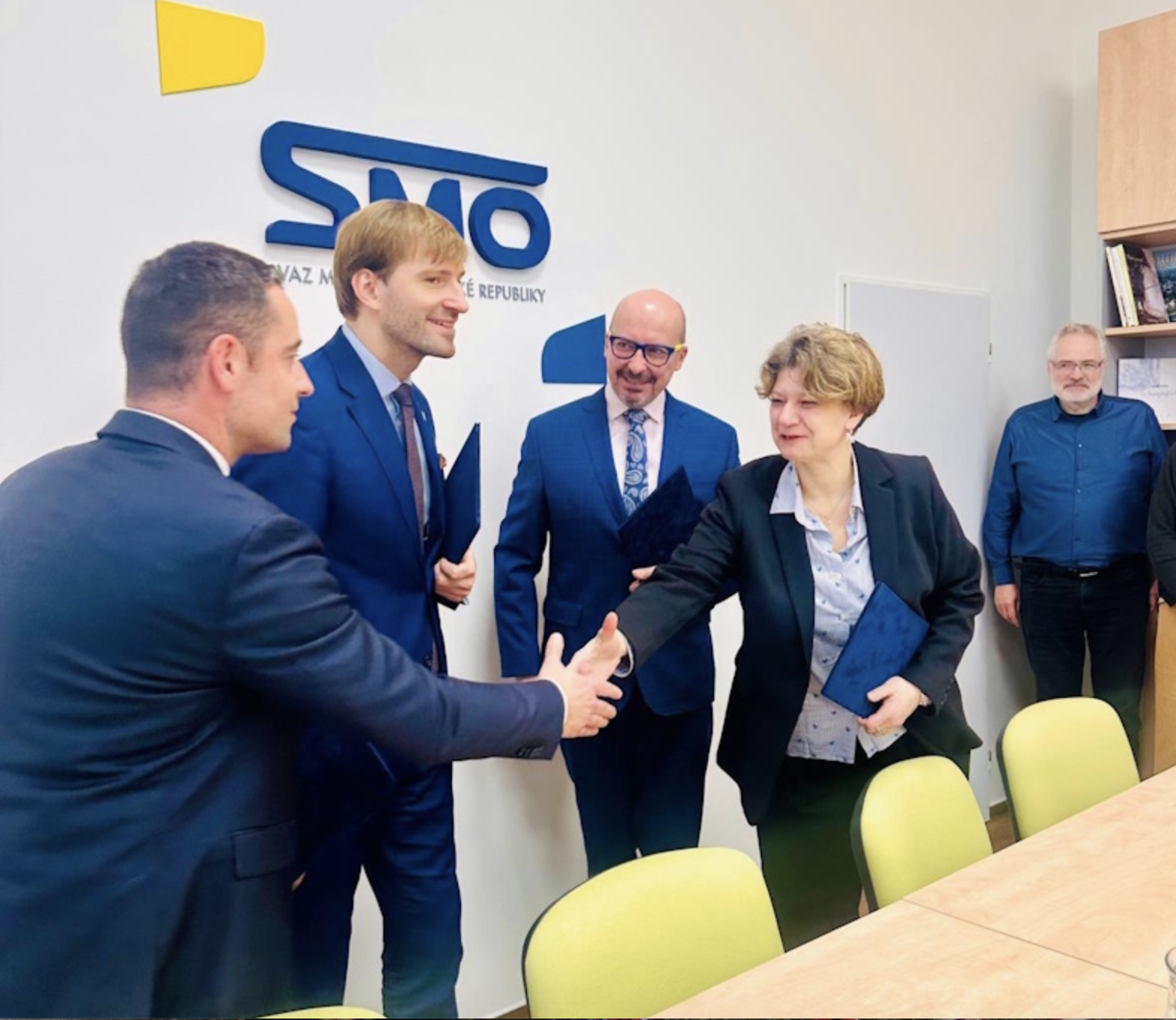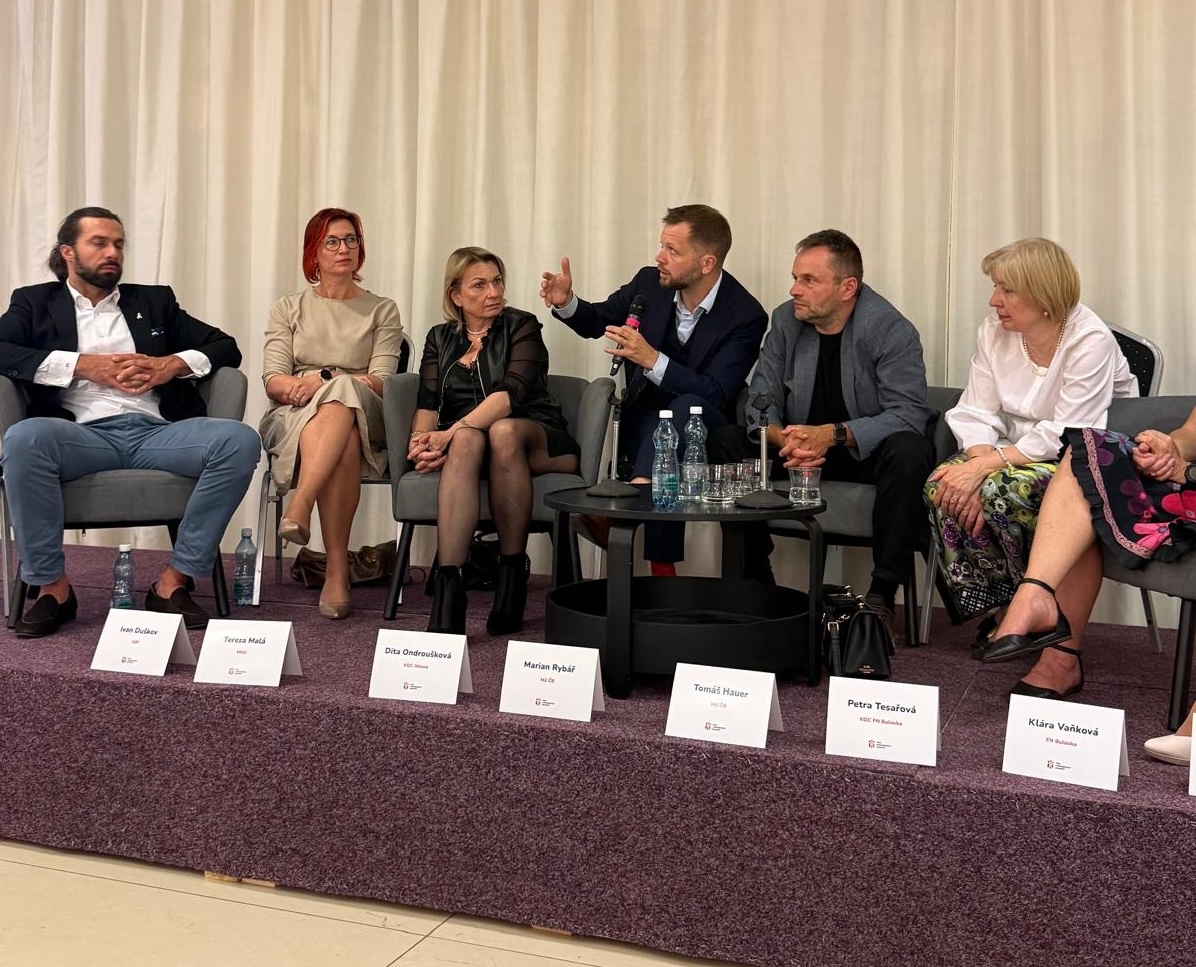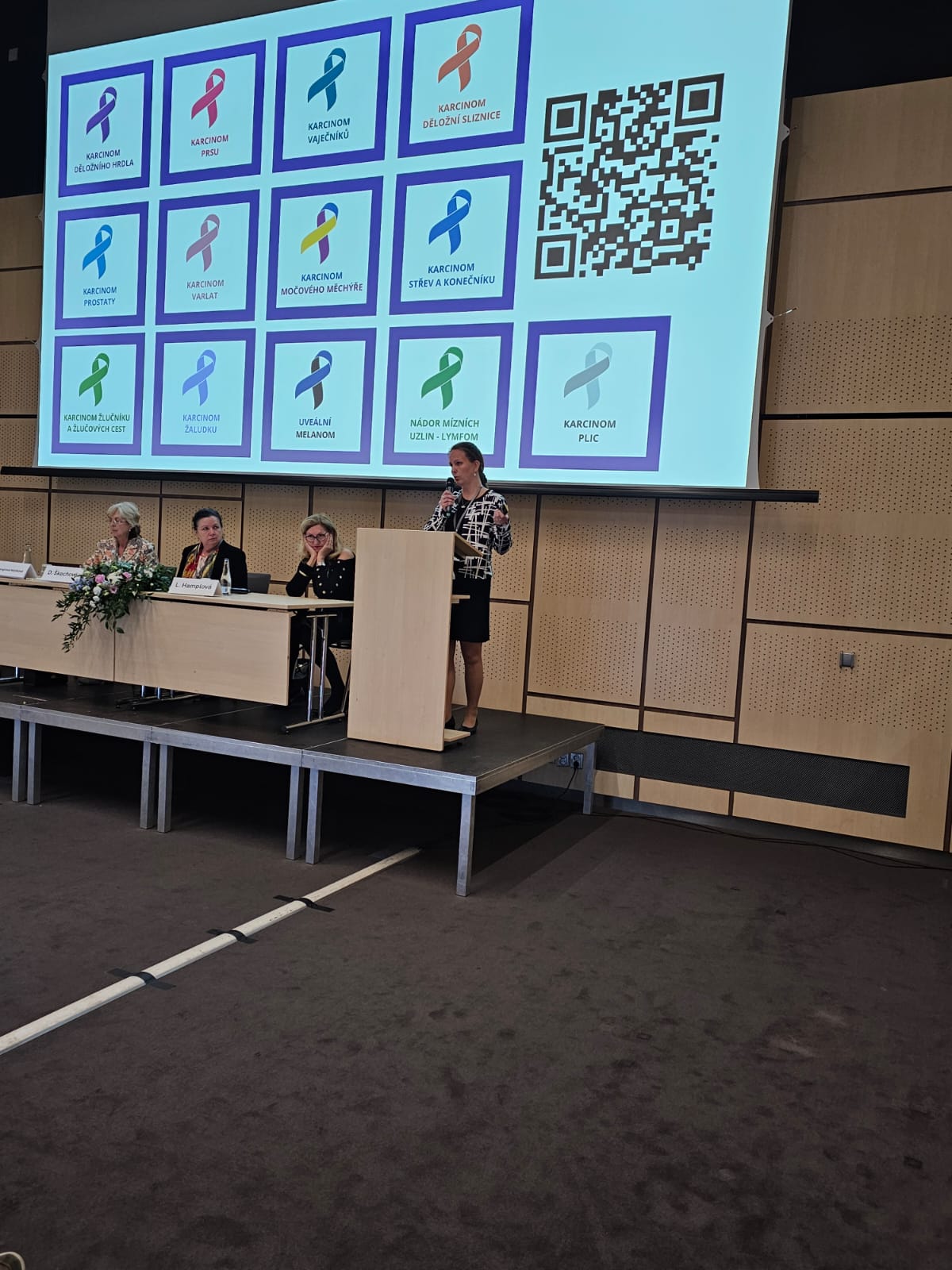




The Cancer Patients Voice (Hlas onkologických pacientů, HOP) functions as an umbrella patient organisation that is on the list of the Ministry of Health and meets the relevant legislative definitions. ‘We bring together patient and support organisations which support patients with all types of oncological and haemato-oncological diagnoses in the Czech Republic’, says Petra Adámková, head of the HOP board. The new partnership with the National Institute of Cancer Research (NICR) should, in her view, build on a synergy of scientific excellence and real patients’ experience. She emphasises that she very much looks forward to this cooperation because its ultimate aim is to improve care and outcomes for cancer patients. It is an opportunity to show that linking excellent basic and translational research with patient advocacy is the way towards modern oncology of European significance.
-
For the start, remind us of what is the main aim of HOP?
Our mission is to achieve a systemic change and translate structured patient experience into the decision-making processes in healthcare. We represent the interests of the cancer patient community with respect to the Ministry of Health of the Czech Republic, health insurance companies, expert societies, and legislative bodies. Our primary goal is not to provide individual or direct social and healthcare assistance to individuals. That irreplaceable role is fulfilled by our member organisations which focus on particular diseases, such as breast cancer, prostate cancer, or haemato-oncological diagnoses. But when it comes to diagnoses where own patient organisations do not exist, we take this role upon ourselves as well.
-
By the way, how are Czech patient organisations doing compared to other countries?
In an international comparison, we have much to be proud of. Patient advocacy is, in our country, very well established and involvement of patients on the national level is very good. I would even say that we are a model for others, and I do not mean just countries of Central and Eastern Europe.
Thanks to my involvement in many global and European projects, I can compare – and we come out of such comparison really well. Since 2012, there functions in our country a unique Academy of Patient Organisations, thanks to which patient organisations, regardless of the diagnosis they focus on, stay in touch. That is really important from the perspective of comparison, context, and identification of shared problems, which those organisations then can react to.
Since 2017, there is a Patients’ Council at the Ministry of Health as a consulting body of the minister, and a Department of Support of Patients’ Rights is an integral part of the ministry’s structure. Patients now have a real voice for instance in committees which decide about the admission and reimbursement for new pharmaceuticals, for ‘orphan drugs’, and are viewed as experts in life with a disease. Even so, we still have a fair way to go before patient involvement becomes a standard part of decision-making at all levels from the very beginning.
-
One of the key projects of HOP is the Patient’s Journey, which describes what patients with a particular diagnosis go through from the first symptoms through diagnosis and treatment all the way to follow-up care. In this context, you often highlight the difference between medically defined patient pathway and their real experience, the patients’ journey. Are the two really so different?
The difference tends to be profound and from the perspective of care crucial. Medically defined patient pathway is a theoretical, clinical, and algorithmically defined model. It describes the ideal sequence of steps – from the first symptoms through visit to the GP, specialised diagnostics, multidisciplinary team, and all the way to therapy and follow-up care. But the real journey of a patient through the healthcare system captures the real human experience with all of its psychological, social, logistical, and financial aspects. It often includes own management of care: directions such as ‘find your oncologist’, weeks of waiting for doctor’s appointment or histological results, which are often associated with apprehension, the difficult orientation in the care system, missing psychosocial support, missing income, or complications associated with travelling to the centres of comprehensive cancer care. So, while the patient pathway tells us what therapeutic protocol should be followed for a particular diagnosis, the patient’s journey tells us how a patient goes through the process as a human being. The goal of our Patient’s Journey project is to bring those two levels closer, make sure that the system treats not only the diagnosis but also provides and improves comprehensive patient care. In this connection, I should mention coordinators of cancer care, whose introduction has been initiated by HOP based on data from its study of real patients’ journeys through the system. HOP managed to use these arguments to convince the ministry and insurance companies that coordination, especially during the diagnostic part of the journey, will pay off and make the entire system much more effective.
-
Let us now move from provision of healthcare to science and research. Researchers view cancer mainly through the prism of biological mechanisms, results of experiments, and search for new treatment targets. What would you like them to know about real patients?
I would like them to see behind every biological sample, cell line, or a piece of statistical information a concrete person. It is crucial for research to see that for patients, extension of survival is not the sole parameter of success. Quality of life is no less important. A patient does not necessarily see a new treatment that may extend life by several weeks but at the price of heavy toxicity or loss of self-sufficiency as purely a victory. Moreover, the meaning and quality of life mean something different for everyone.
Real patients also do not live in an isolated world of a clinical study. Real patients have comorbidities, family and work obligations, and limited resources. If scientists gain a better understanding of the daily reality of ill people, they could aim their research hypotheses at outcomes that would bring real and applicable benefits into practice.
-
Cancer care is rapidly developing and ever more patients are cured or their lives significantly extended. Does that also change their expectations and needs? What, in your view, should cancer research in this context focus on in the next few years?
As many cancers are becoming chronic or long-term treatable diseases, patients’ expectations change. The issue is now not just ‘how to survive’ but ‘how to live long-term with the disease or after it’.
Cancer research therefore should, in my view, focus more intensively on several key areas. One of them are long-term undesirable side effects and chronic toxicity of treatment, where research should focus on the prevention and mitigation of this impact, be it cardiotoxicity, neuropathy, cognitive deficit, or chronic fatigue. Another important aspect are patient-recorded outcomes and integration of a structured assessment of quality of life by patients themselves into clinical evaluations as an equally important endpoint. Another key issue is research focused on patients’ return into normal life, including work life, after completing intensive therapy; this relates to their social functioning or improvements of non-invasive diagnostic methods, such as liquid biopsies, or identification of high-risk groups from the perspective of precision medicine and early diagnostic.
-
How do you think the results of cancer research should be communicated so that Czech science is promoted but the results do not lead to false hope on the patients’ part?
This is an extraordinarily sensitive area with a significant moral dimension. Sensational headlines in the media about ‘cancer drug breakthroughs’ which are based, for instance, on data from early stages of clinical assessment, may in patients and their families lead to unrealistic expectations and subsequent disappointment. We currently see this in relation to the drug for pancreatic cancer that was approved by the American FDA and is now undergoing the registration process in the European Medicines Agency. It is important to focus on improving health literacy of citizens (not only patients!) so they could read the nuances of the presented results, such as the limitations of indication or drugs intended for only some genetic or molecular characteristics of tumours (staying with the example of pancreas and the RAS mutation), and realistically assess their chances.
Good communication of science must be based on transparency and precise contextualisation. It is necessary to make a clear distinction between the various stages of research. The public should be correctly informed about the fact that the road from a discovery in a laboratory to a registered pharmaceutical often takes more than a decade and is frequently unsuccessful.
Here, I see a large potential for a close collaboration between scientific institutions, regulatory organs, educated journalists, and patient organisations, which can help ‘translate’ scientific data into an intelligible but correct language.
-
Can patients influence the questions which researchers set to themselves?
Unequivocally yes. In the international environment, this concept is known as patient and public involvement (PPI) in research, and it is becoming a standard. While the scientific community naturally views research through biological mechanisms and molecular targets, patients bring into the discussion their views regarding unmet medical needs regarding their daily lives. They often point to symptoms or side effects which fundamentally detract from their quality of life but need not be prioritised from a purely clinical perspective. Involvement of patients in the formulation of research questions or advisory panels helps scientists identify areas with a significant societal and practical impact.
-
How can patients and their organisations assist research other than ‘just’ by participating in clinical studies?
The role of patients in the research cycle goes far beyond a passive participation in clinical assessment. It includes also, for instance, collaboration in project preparation and identification of research priorities from the perspective of the patient community already during project design, but also project evaluation, participation in advisory panels, or the involvement of patient experts in assessing the societal benefits and relevance of research plans. Patients also play a role in reviewing clinical protocols and informed consent forms regarding their intelligibility and feasibility, as well as in ethics committees, where they provide the patients’ perspective when assessing the ethical aspects of research, in the dissemination of findings within the patient community (which is in large European projects already a matter of course), or they help with interpreting and dissemination of scientific findings among the broader public. Important is also their role in advocating for the support of science, meaning the joint effort to promote awareness of the importance of investing into research and development on a systemic level.
Personally, I am really glad that, starting in January 2026, patient organisations can be co-investigators of projects within the calls of the Czech Health Research Council. I see it as a step in the right direction.
-
You are the first Czech graduate of the European education programme European Patients' Academy on Therapeutic Innovation (EUPATI), which focuses on involving patients in medical research and development of pharmaceuticals. What did this experience teach you?
The EUPATI programme offers relatively demanding and comprehensive course that follows the entire ‘lifecycle’ of a drug from basic research through clinical evaluation, regulation by European and national authorities, health technology assessment (HTA), all the way to pharmacovigilance and post-marketing studies.
This experience taught me two things: first, how to understand expert language and the processes of research and regulation, which is an essential precondition for any discussion on an equal footing. Second is the realisation that patients’ experience has the value of structured data. If this experience is methodologically correctly approached, it becomes a valuable input in scientific and regulatory decision-making.
-
What is the mission of the Czech EUPATI National Platform?
Its goal is to transfer established methodologies as well as standards of education and patient involvement into the Czech environment and adjust it to our national conditions. To put it simply, high-level European training with a local adaptation for the needs of Czech patient advocates.
EUPATI functions as an education platform based on three pillars: the patients, the academic sphere (including regulatory or HTA bodies), and the pharmaceutical industry. Only when the perspectives of all these partners are merged, we can get the full contextualised picture. Our role is to educate Czech patient advocates to become qualified partners to all the relevant stakeholders. At the same time, we are creating a platform for a cultivated dialogue between scientists, physicians, state institutions, and patients with the aim of systemically integrating the patients’ perspective into research and development in the Czech Republic.
-
How do you imagine an ideal partnership between HOP and NICR?
I think it should build on the synergy of scientific excellence and real patients’ experience. We view NICR as a top-level scientific guarantor who could help us interpret the most recent findings and develop scientific and health literacy in the patient community. In return, HOP can offer feedback on research priorities, mediate contact with the patient community, and help with evaluation of the societal impact of research. A constructive future step could be, for instance, creation of a permanent patient advisory board within the structure of the consortium.
-
Are you looking forward to this collaboration?
Very much so, because its ultimate contribution aims at the most important thing: improvement of care and outcomes for cancer patients. I see a connection with consortium of NICR’s format, which integrates leading academic and clinical facilities from Prague, Brno, and Olomouc, as an exceptional opportunity and inspiring challenge even within the international context. It is an opportunity to show that a connection of excellent basic and translational research with patient advocacy is the way towards modern oncology of a European format. It is about search for a common language and creation of functioning mechanisms of collaboration between the world of academic science, clinical facilities, and patients’ representation.