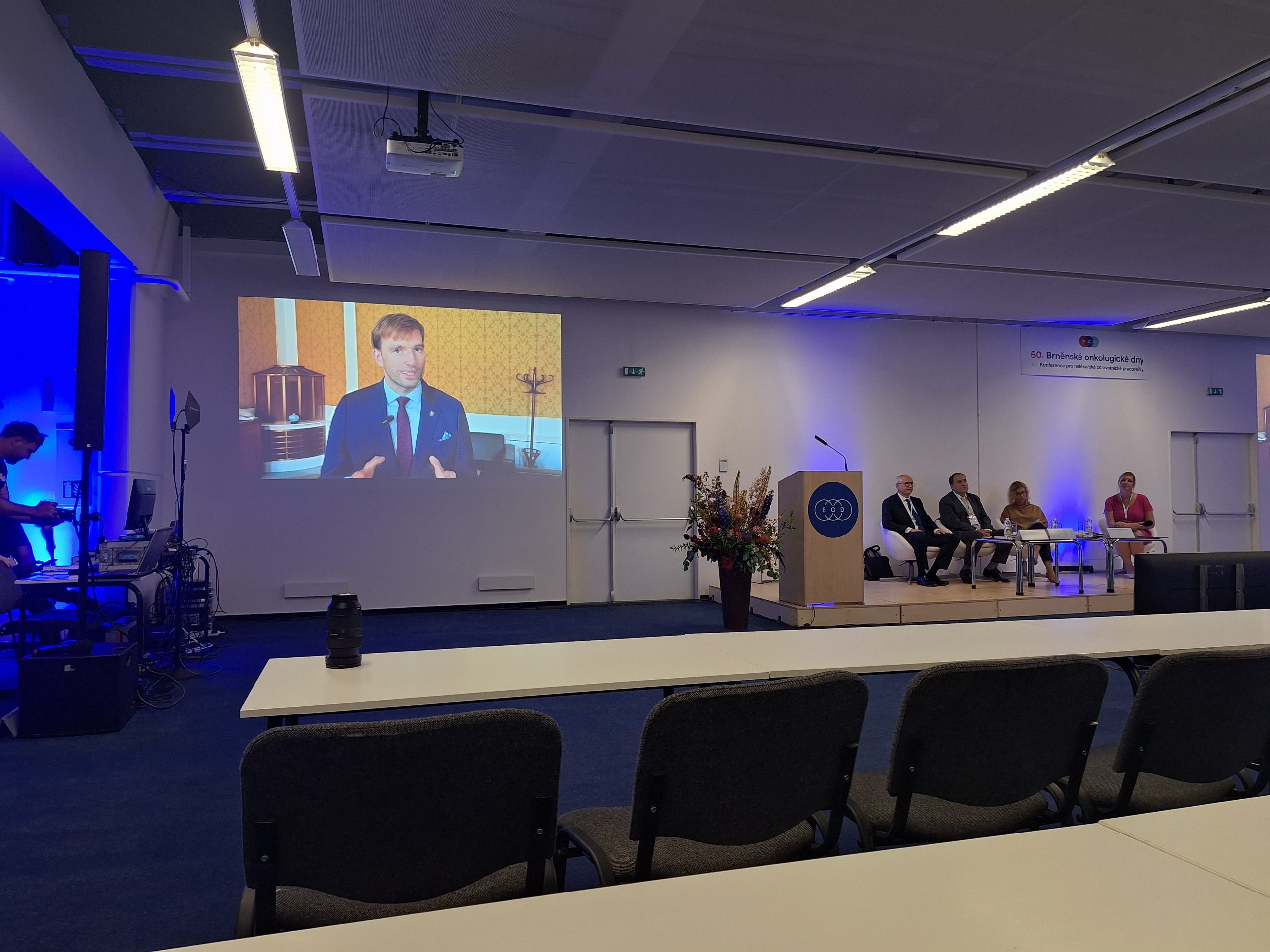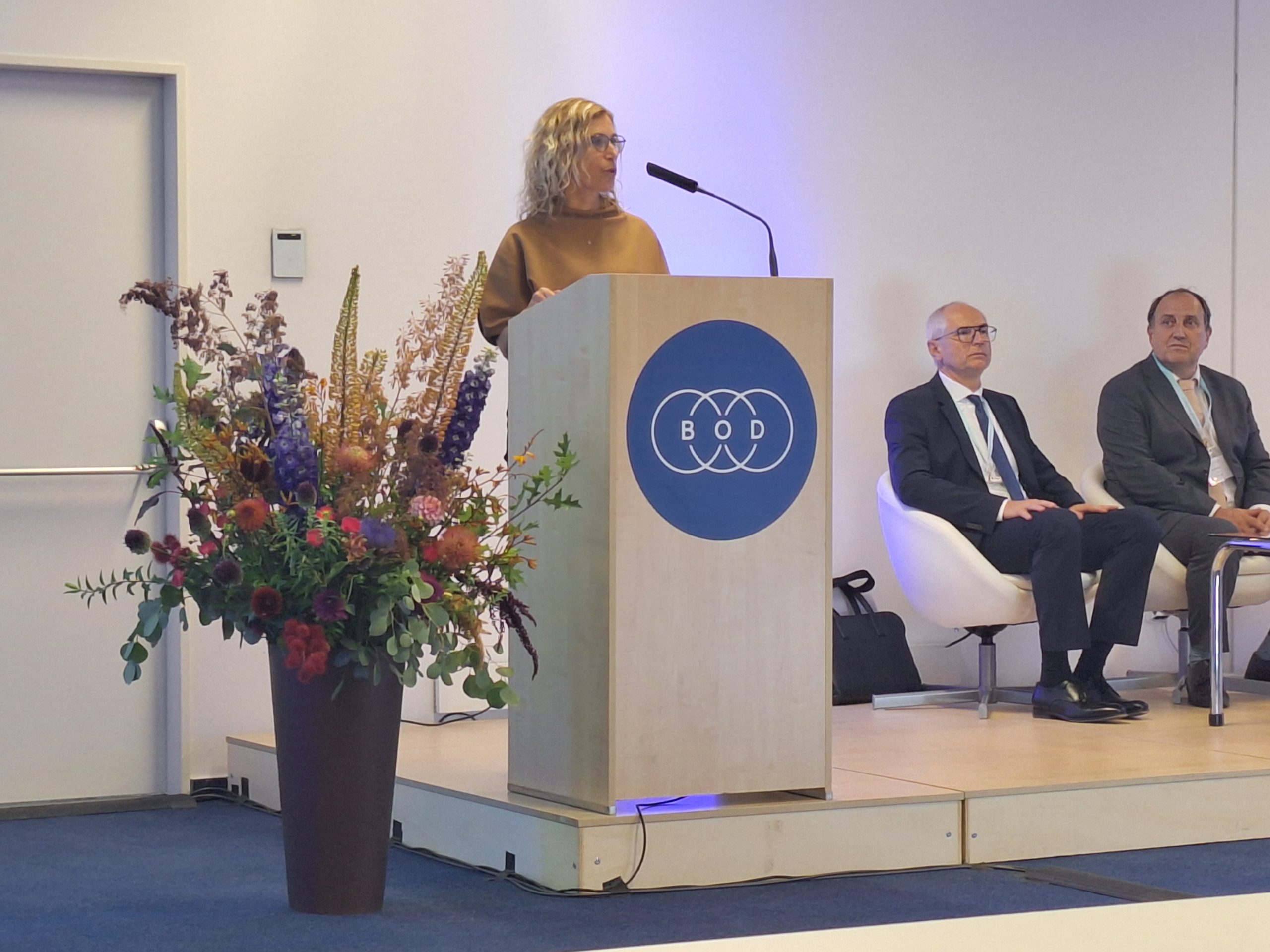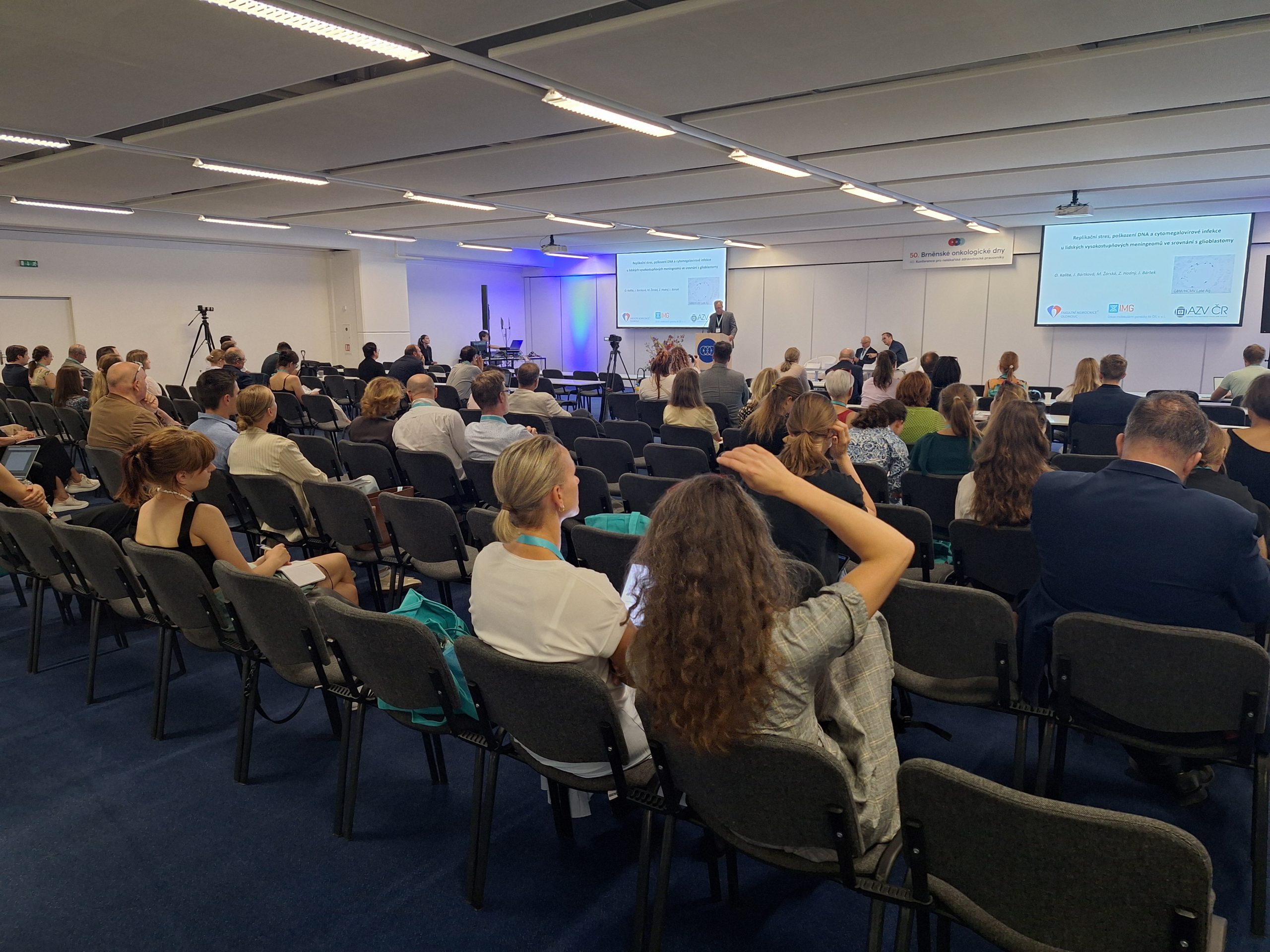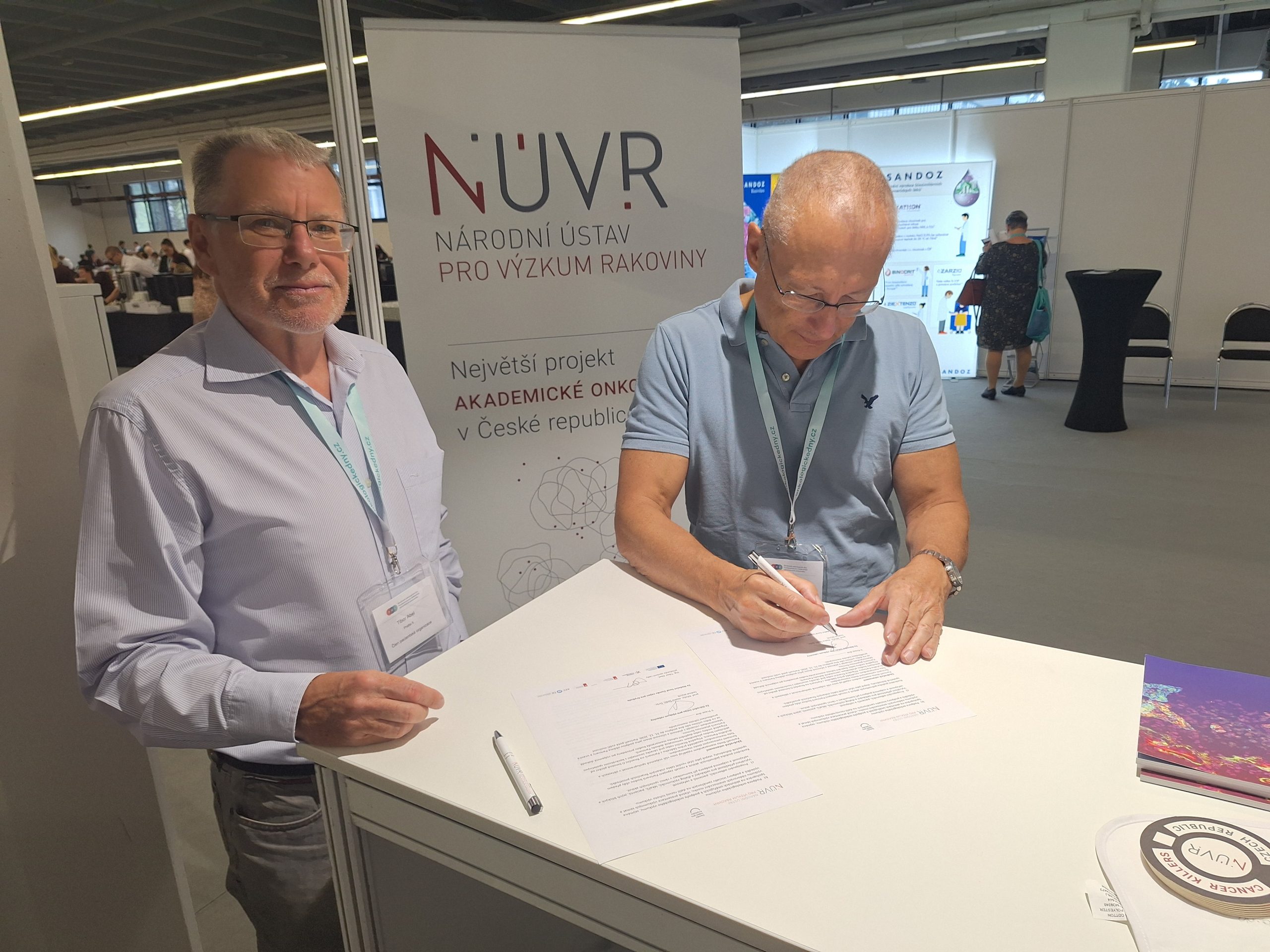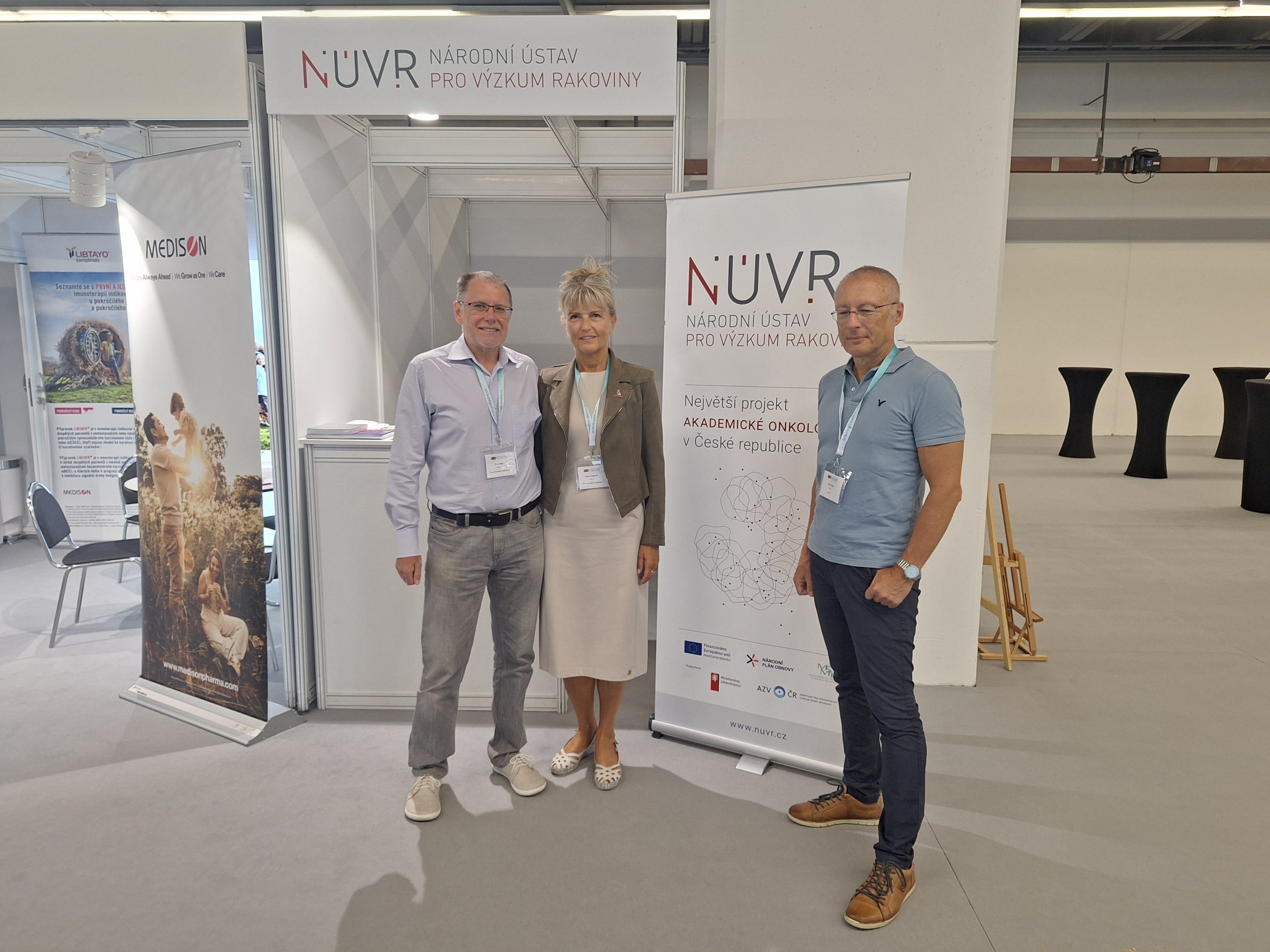



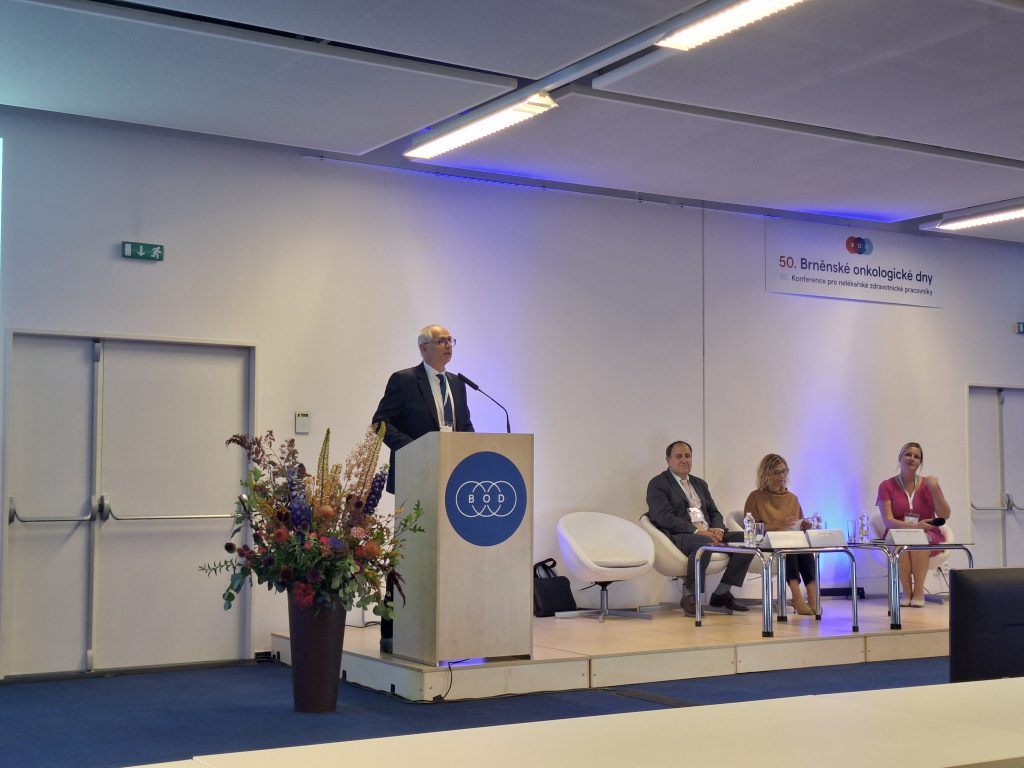
The National Institute for Cancer Research once again took part in Brno Oncology Days (BOD), which celebrated its 50th edition this year. The jubilee event provided a platform not only for sharing the latest findings and interdisciplinary discussion, but also for establishing new partnerships. NICR supported the traditional Glio Meeting dedicated to brain tumours and, during the conference itself, signed a memorandum of cooperation with the Úsměv nejen pro Kryštofa Foundation.
This year, Brno Oncology Days celebrated half a century of its existence. Over the years, what began as a conference focused on a single topic has evolved into the largest Czech platform bringing together professionals from across the disciplines involved in cancer care. The jubilee programme reflected current developments in the field – from precision medicine, targeted therapy and molecular diagnostics to surgery and radiotherapy, as well as the use of healthcare data and artificial intelligence. Interdisciplinary collaboration and the integration of clinical practice with research remained prominent themes throughout the event.
This same principle has long been reflected in the Glio Meeting, which traditionally opens the scientific programme of BOD. The multidisciplinary meeting focused on brain tumours brings together experts in neurosurgery, clinical and radiation oncology, diagnostics and research. This year’s Glio Meeting was held under the auspices of the National Institute for Cancer Research and provided a platform for discussion of advances in research as well as current issues in the care of patients with gliomas.
“Brno Oncology Days have long been an exceptionally valuable opportunity for us to meet people who approach oncology from different perspectives. Alongside colleagues from research and clinical practice, we also meet representatives of patient organisations and other partners with whom we can explore new opportunities for collaboration. Face-to-face meetings and shared discussions are often where concrete activities begin. I am therefore very pleased that during the conference we were also able to formalise one such collaboration by signing a memorandum with the Úsměv nejen pro Kryštofa Foundation,” says Aleksi Šedo, Director of NICR.
The memorandum focuses primarily on awareness raising, education and support for cancer research, particularly research into brain tumours. The collaboration may also extend to other topics and activities that can help raise awareness of the importance of cancer research.
“For NICR, it is essential not only to create the conditions for high-quality research, but also to find partners with whom we can communicate its importance clearly and make it more accessible to the public. We therefore do not see the memorandum as a mere formality, but as an opportunity to develop concrete joint activities that can bring together researchers, physicians, patients and the public,” adds Professor Šedo.