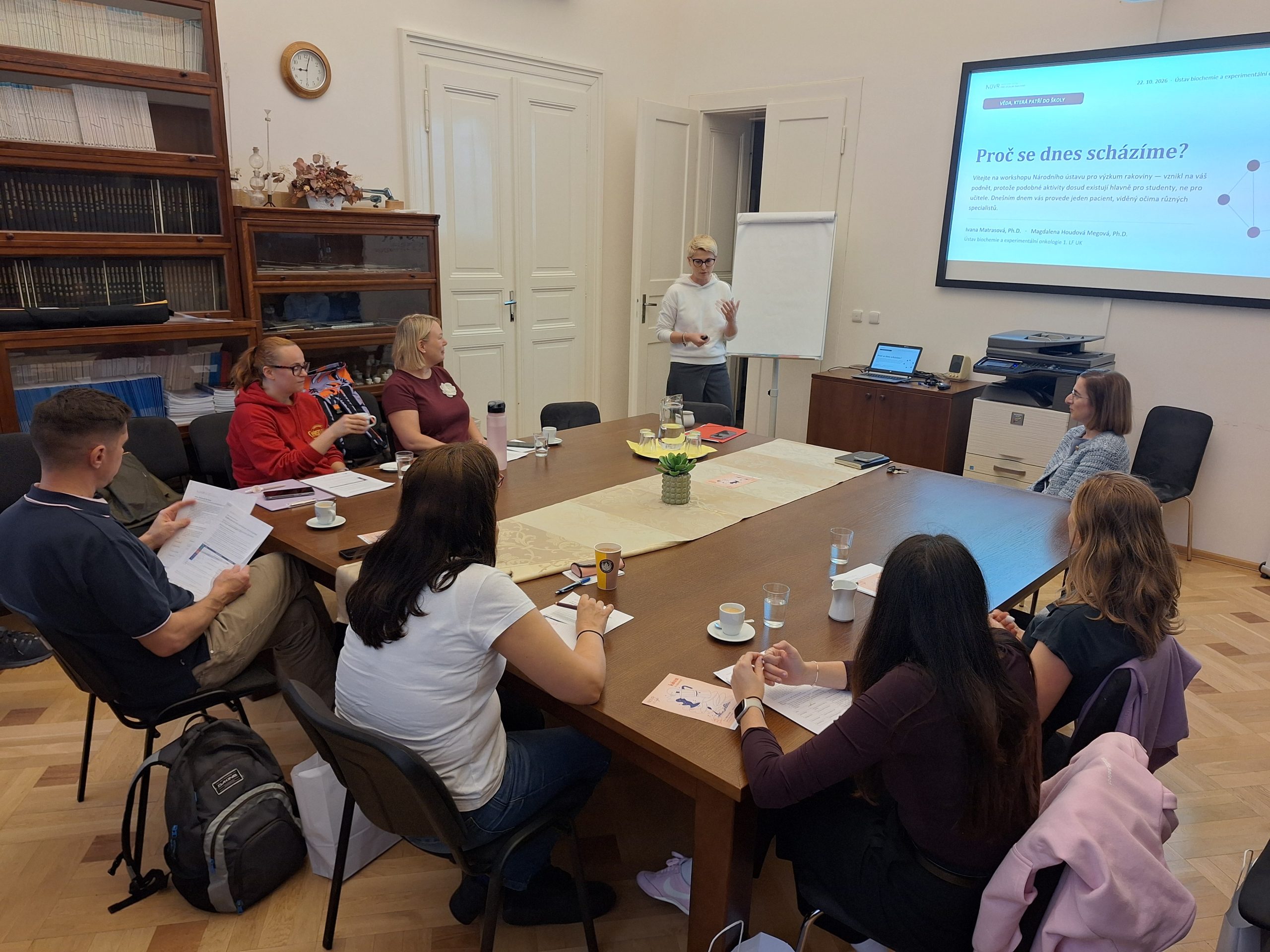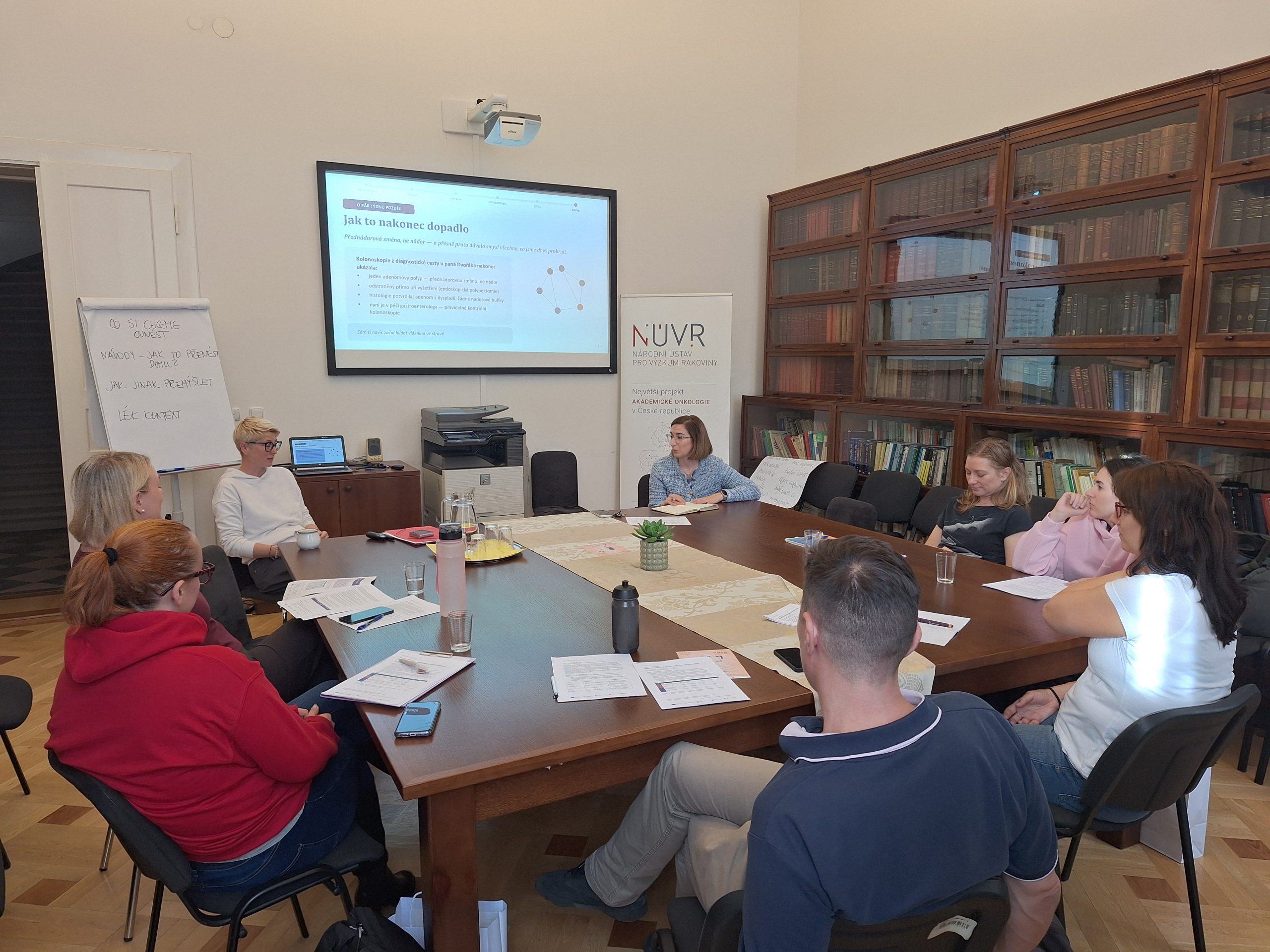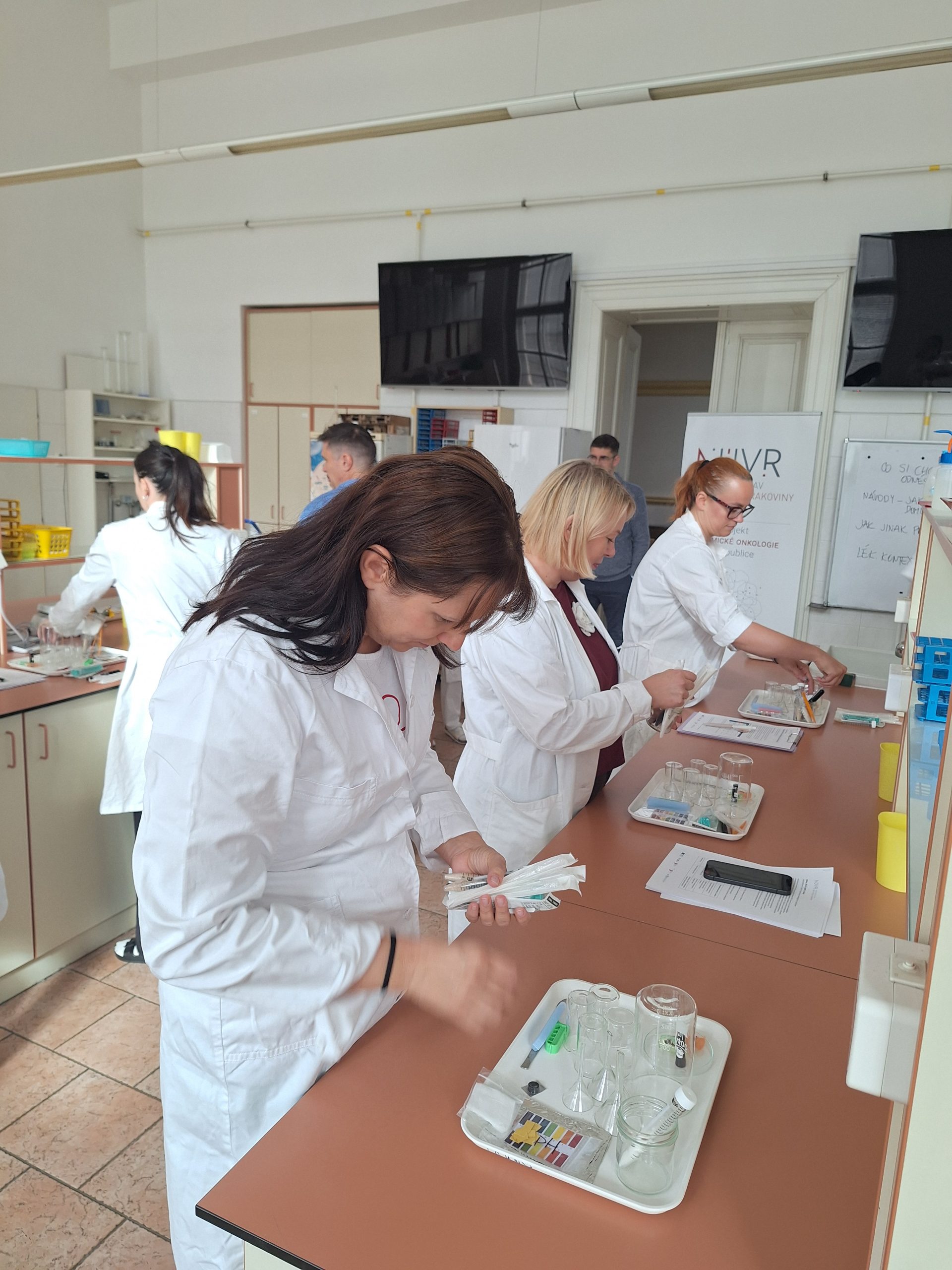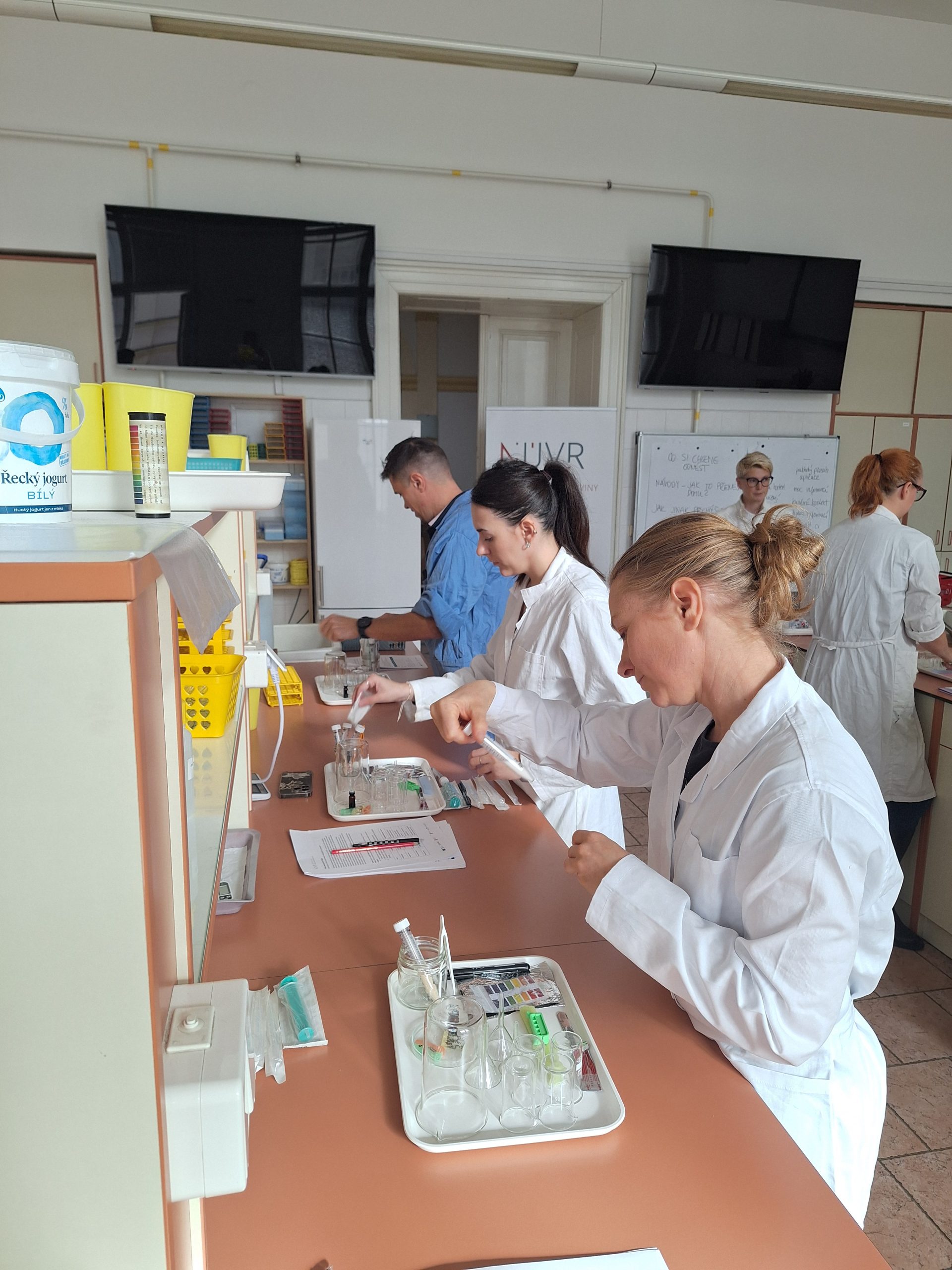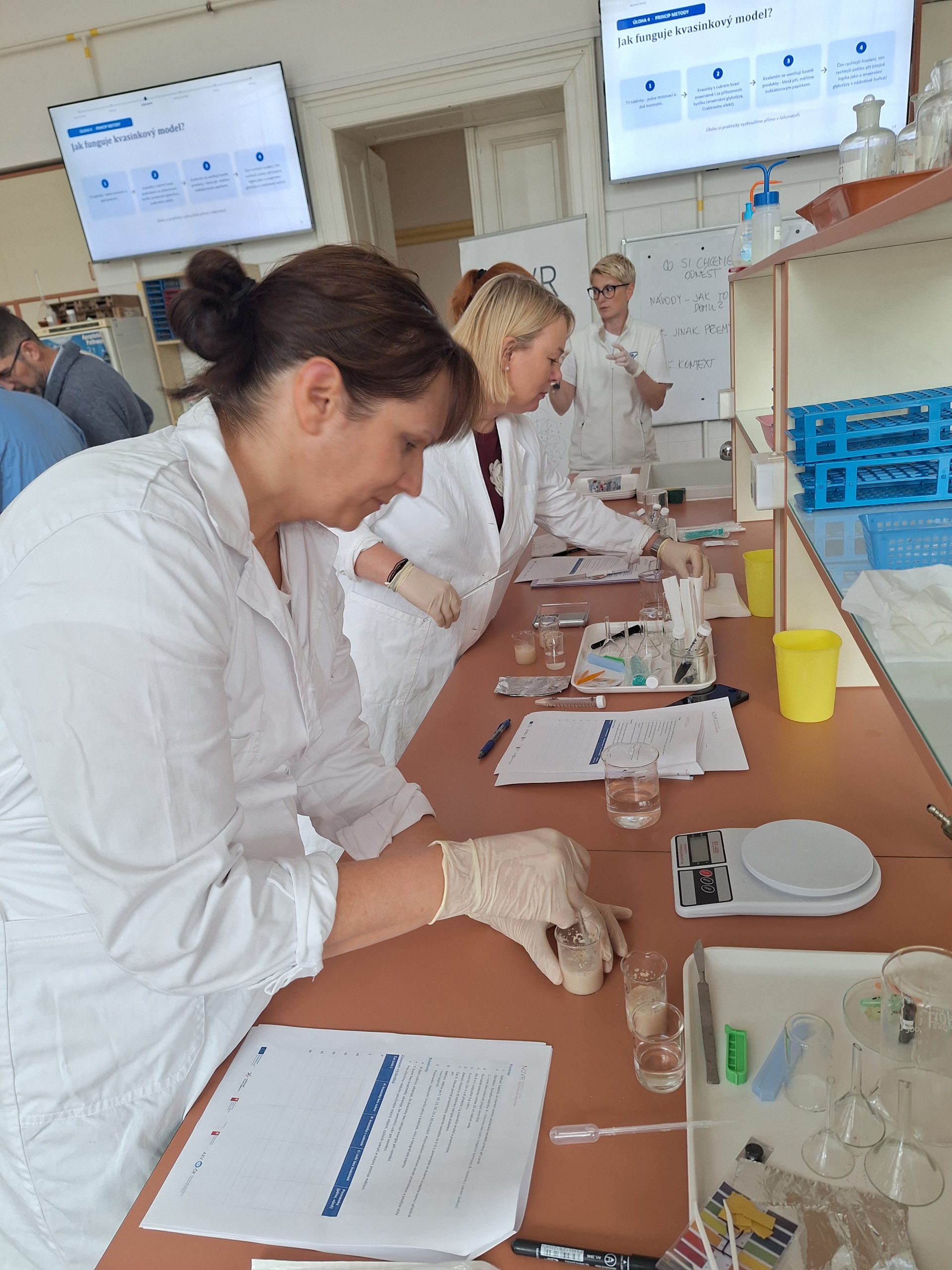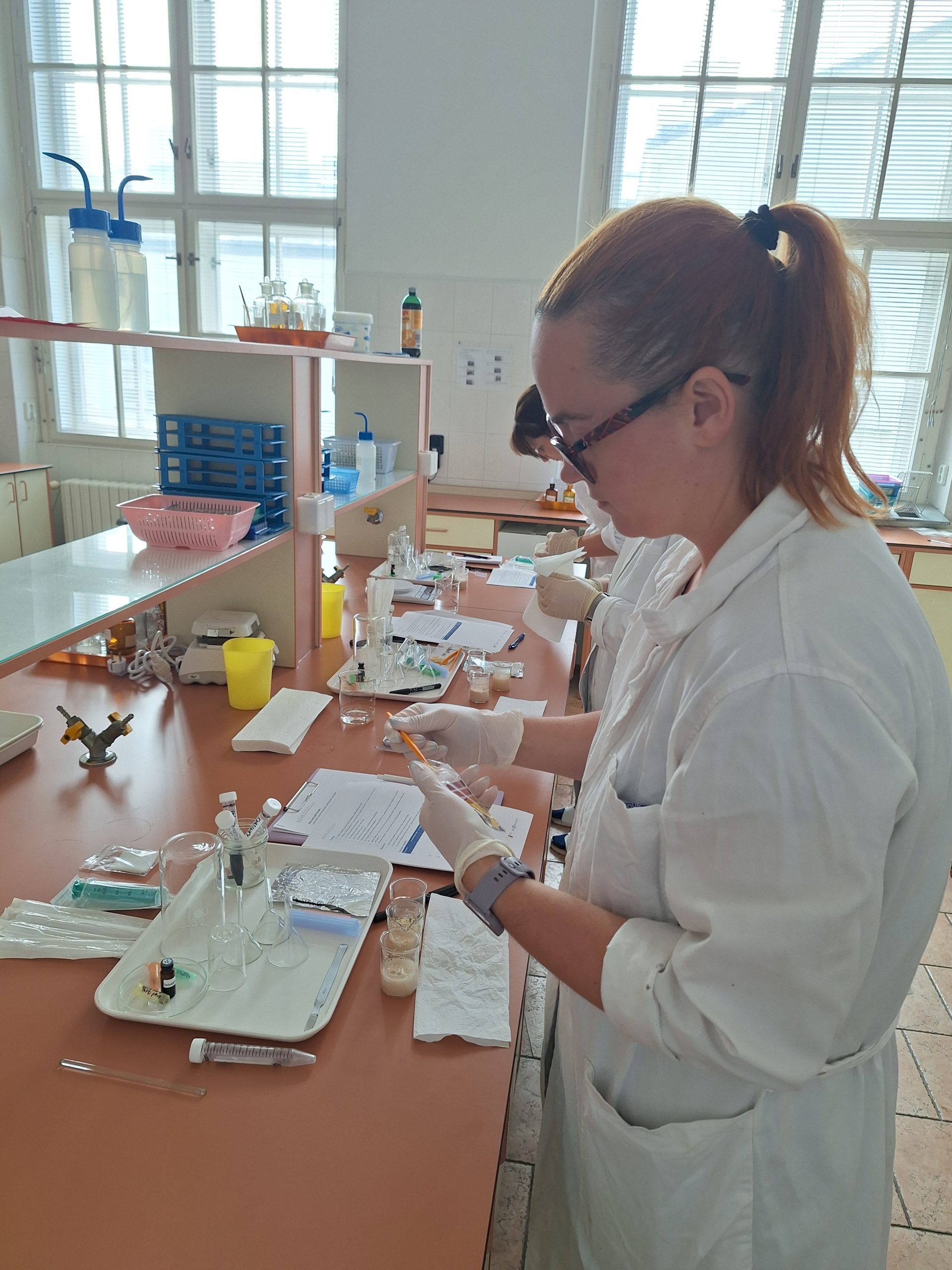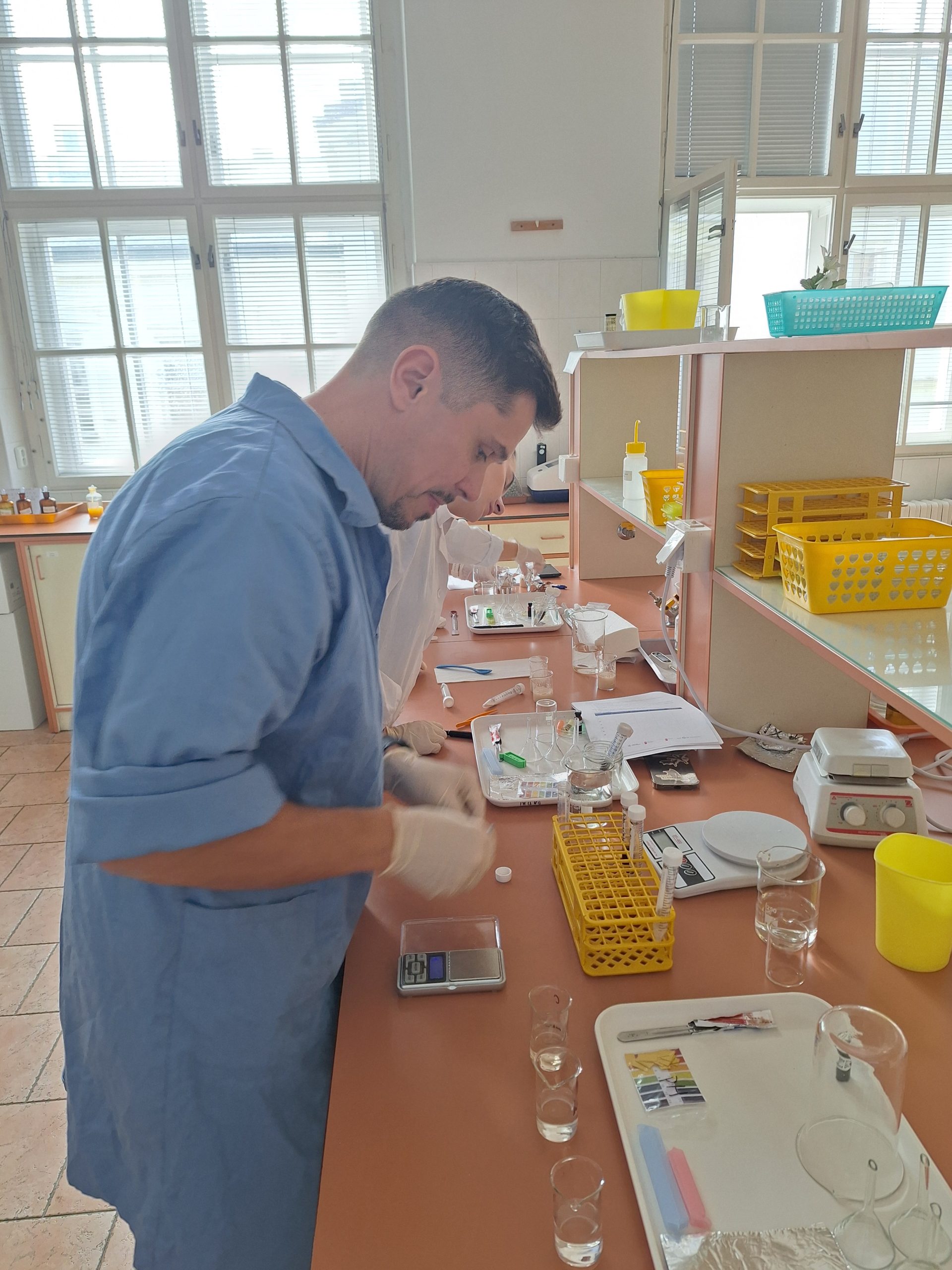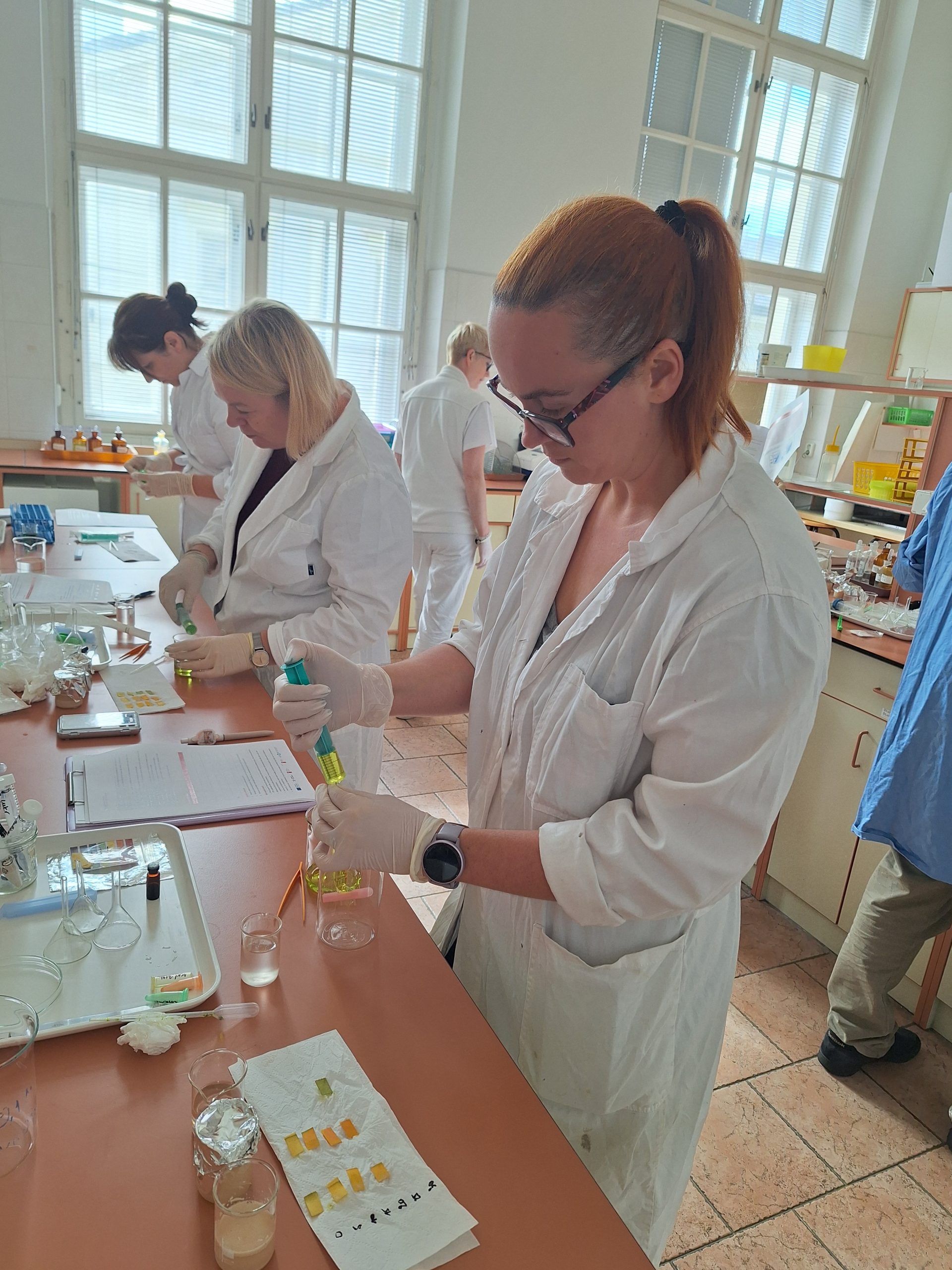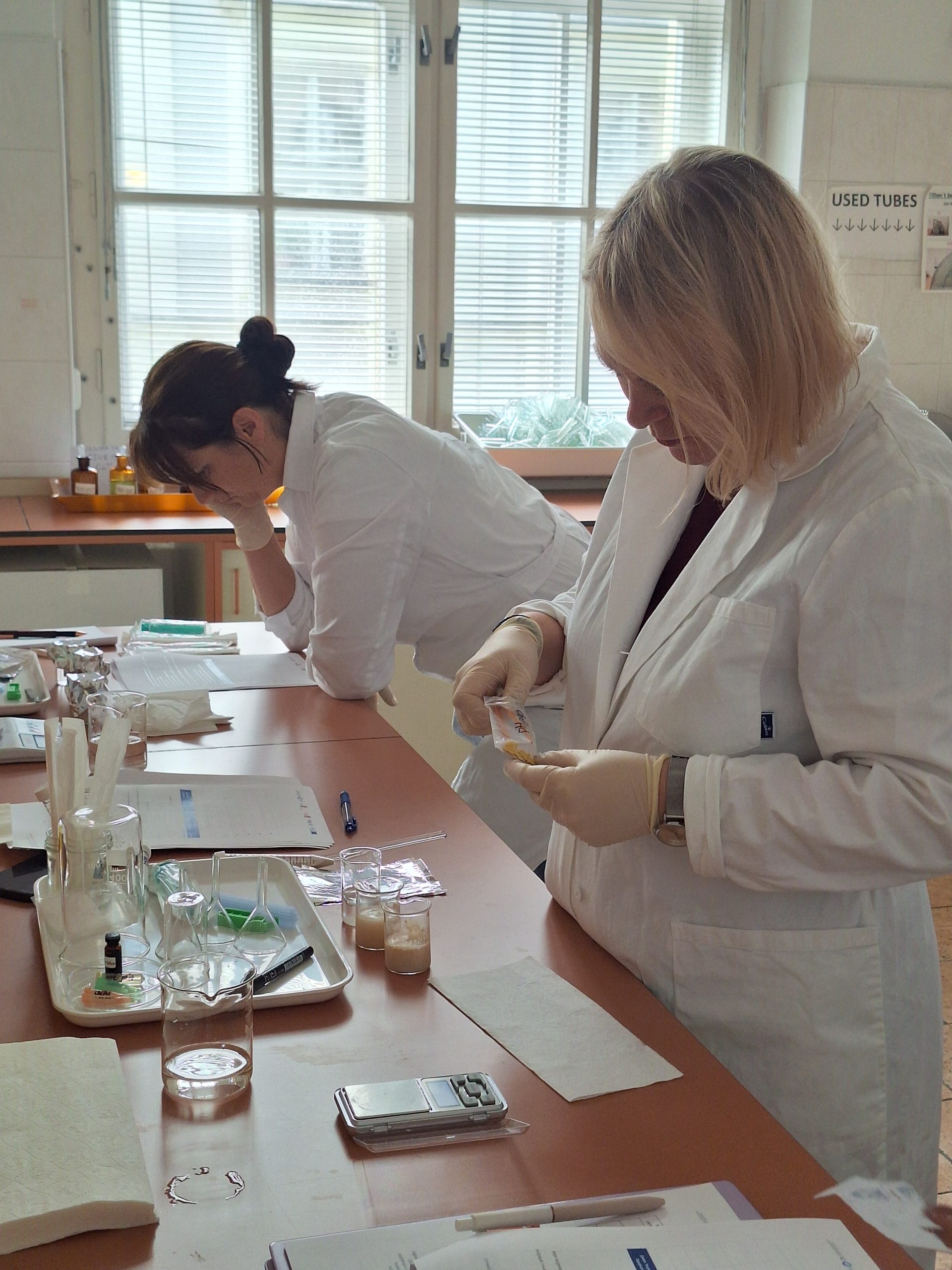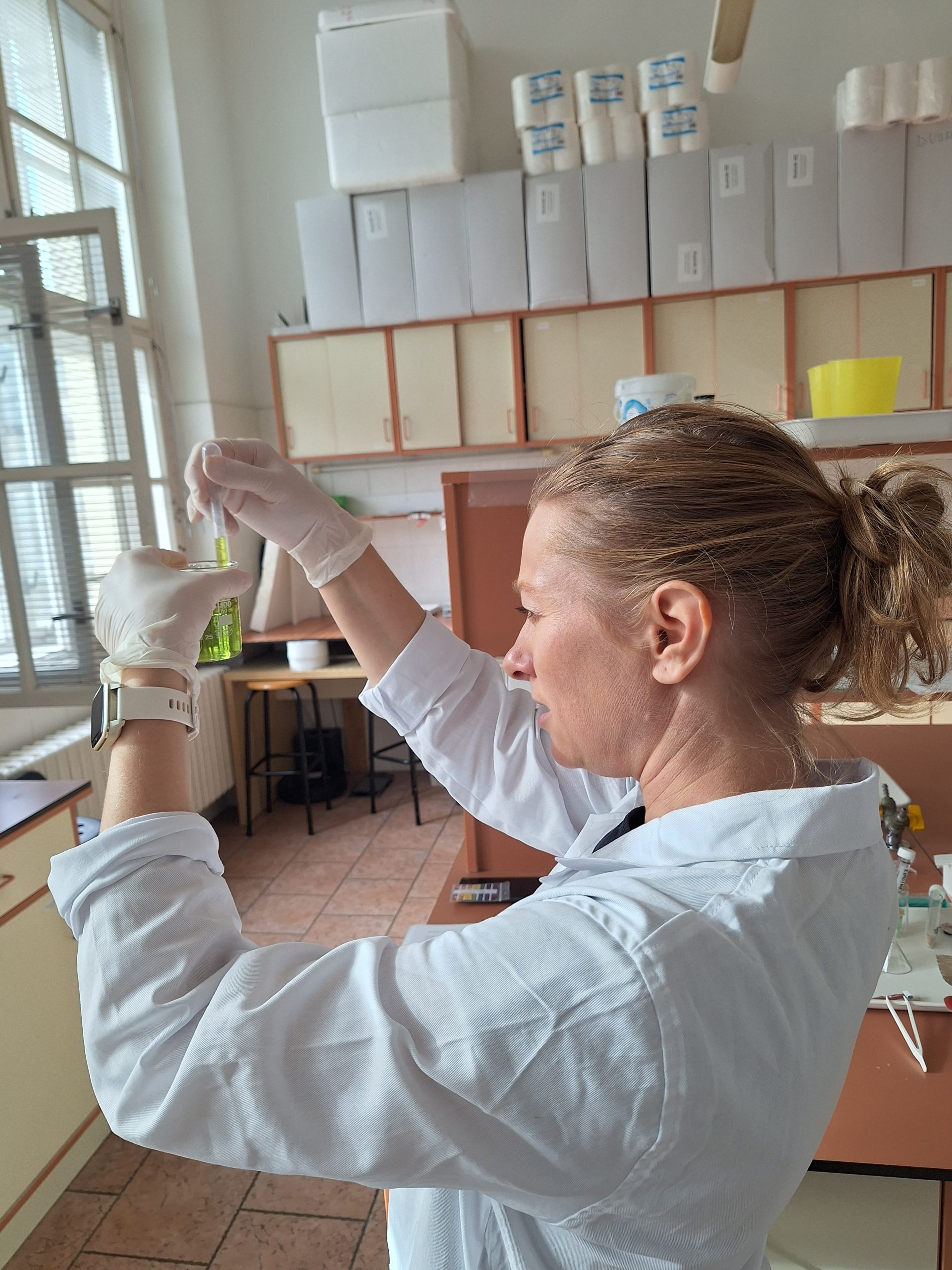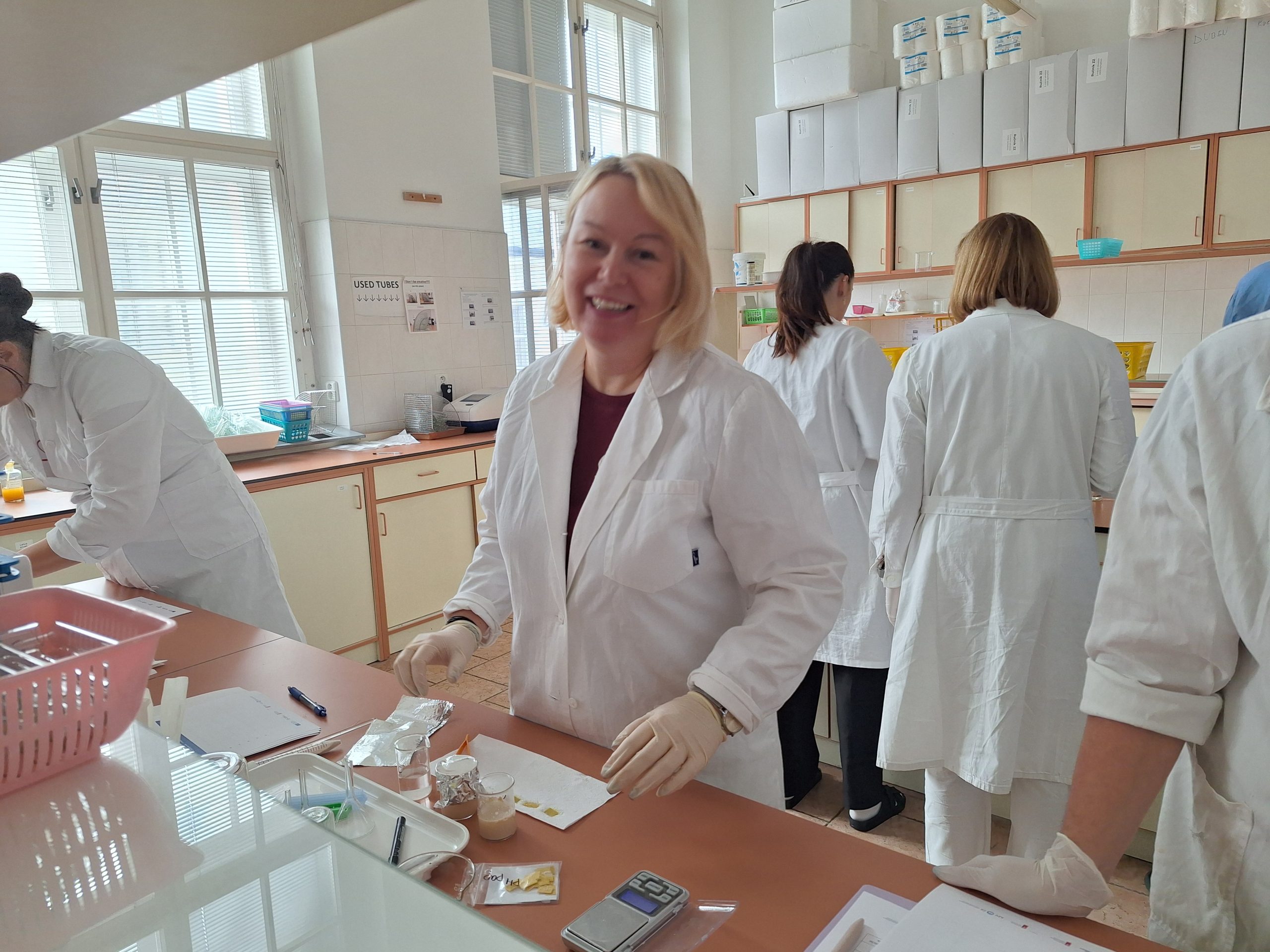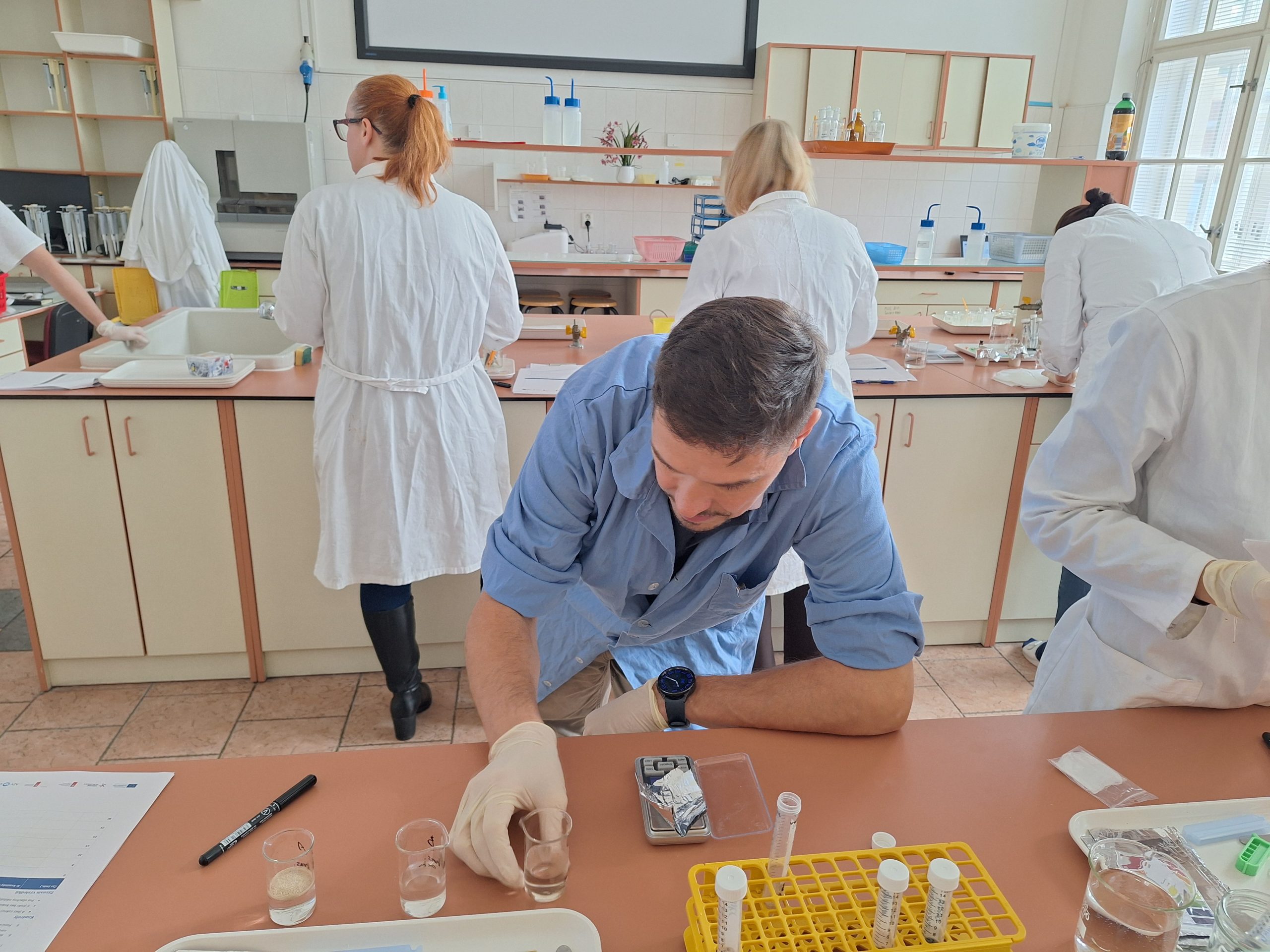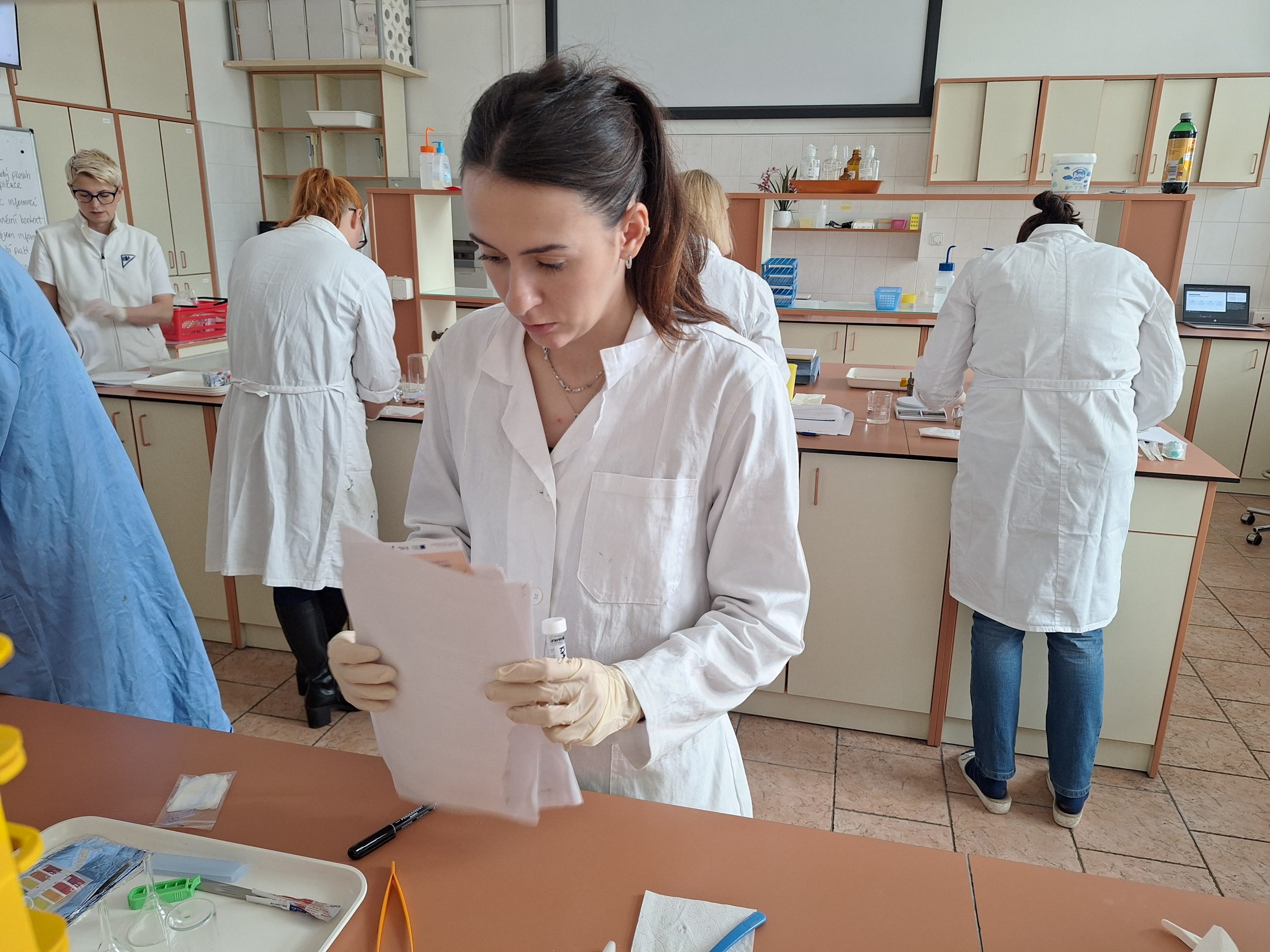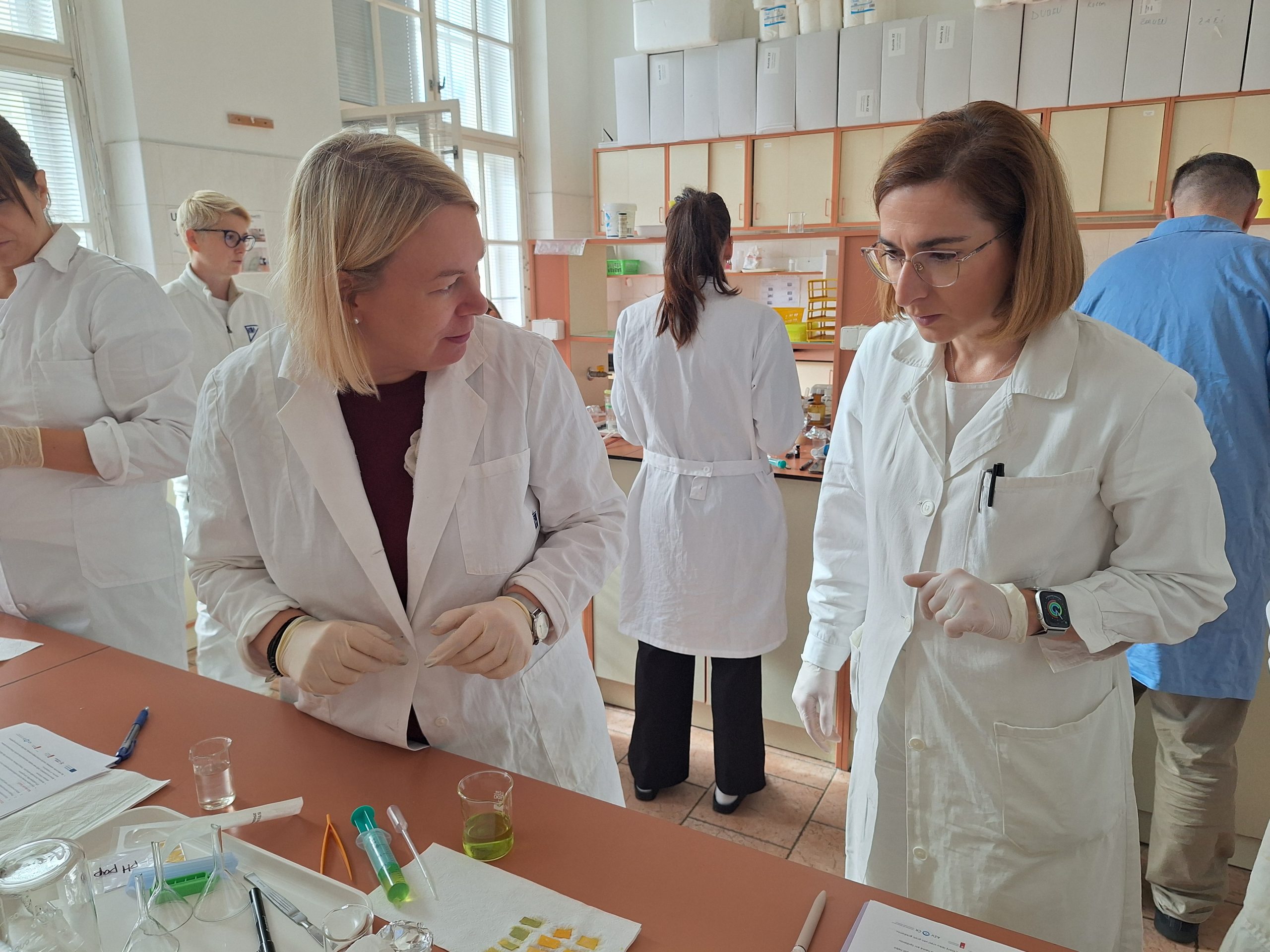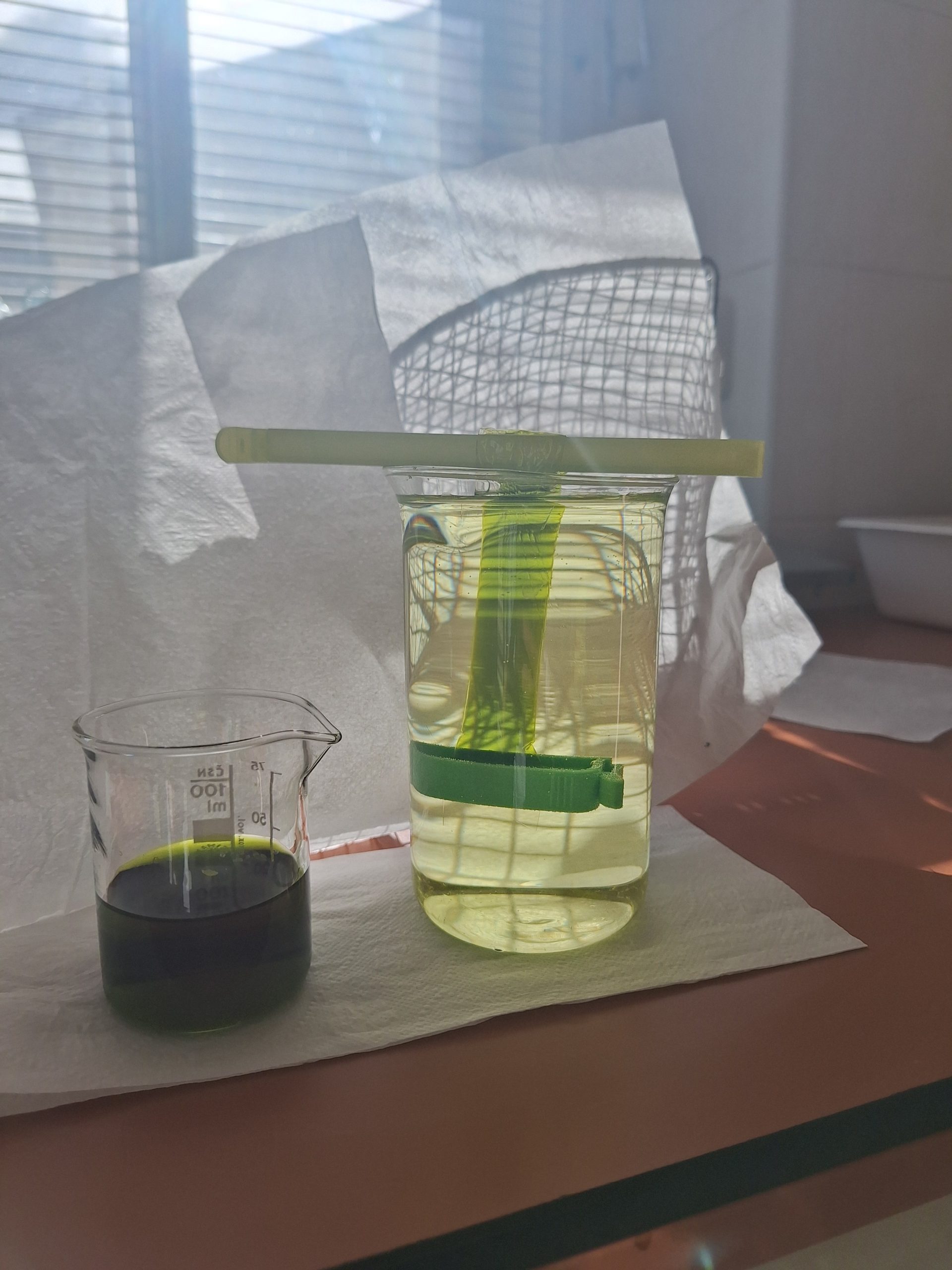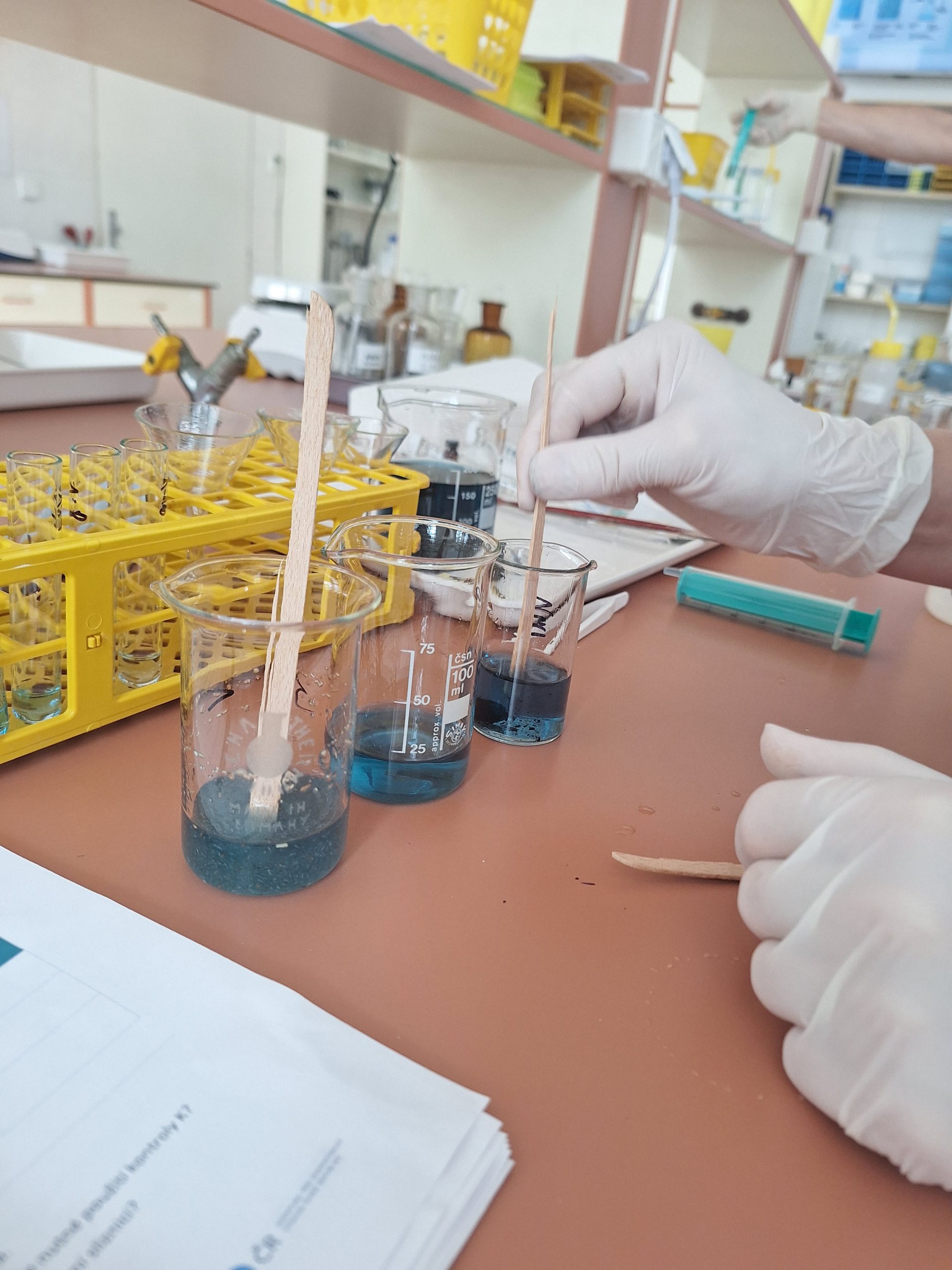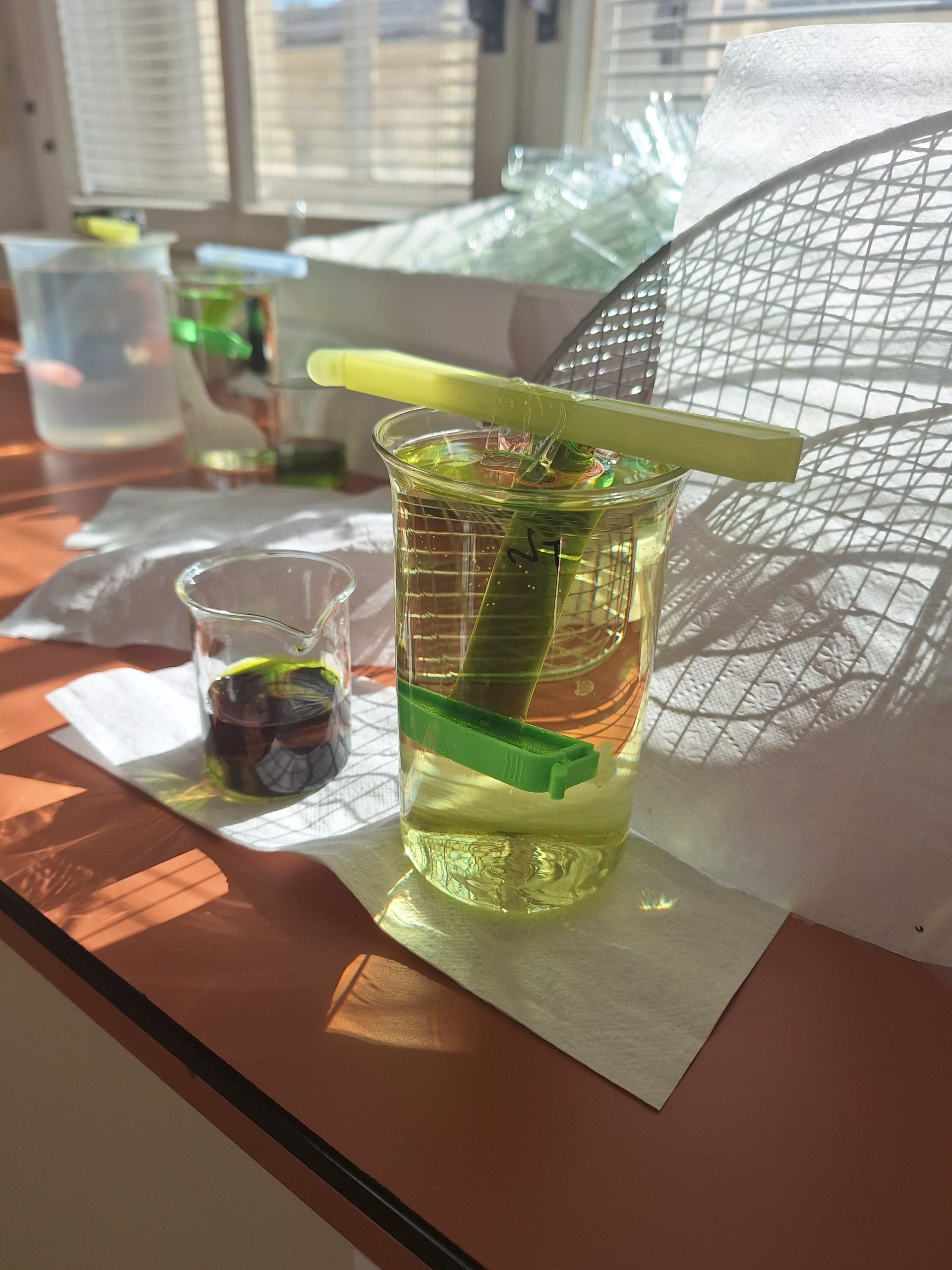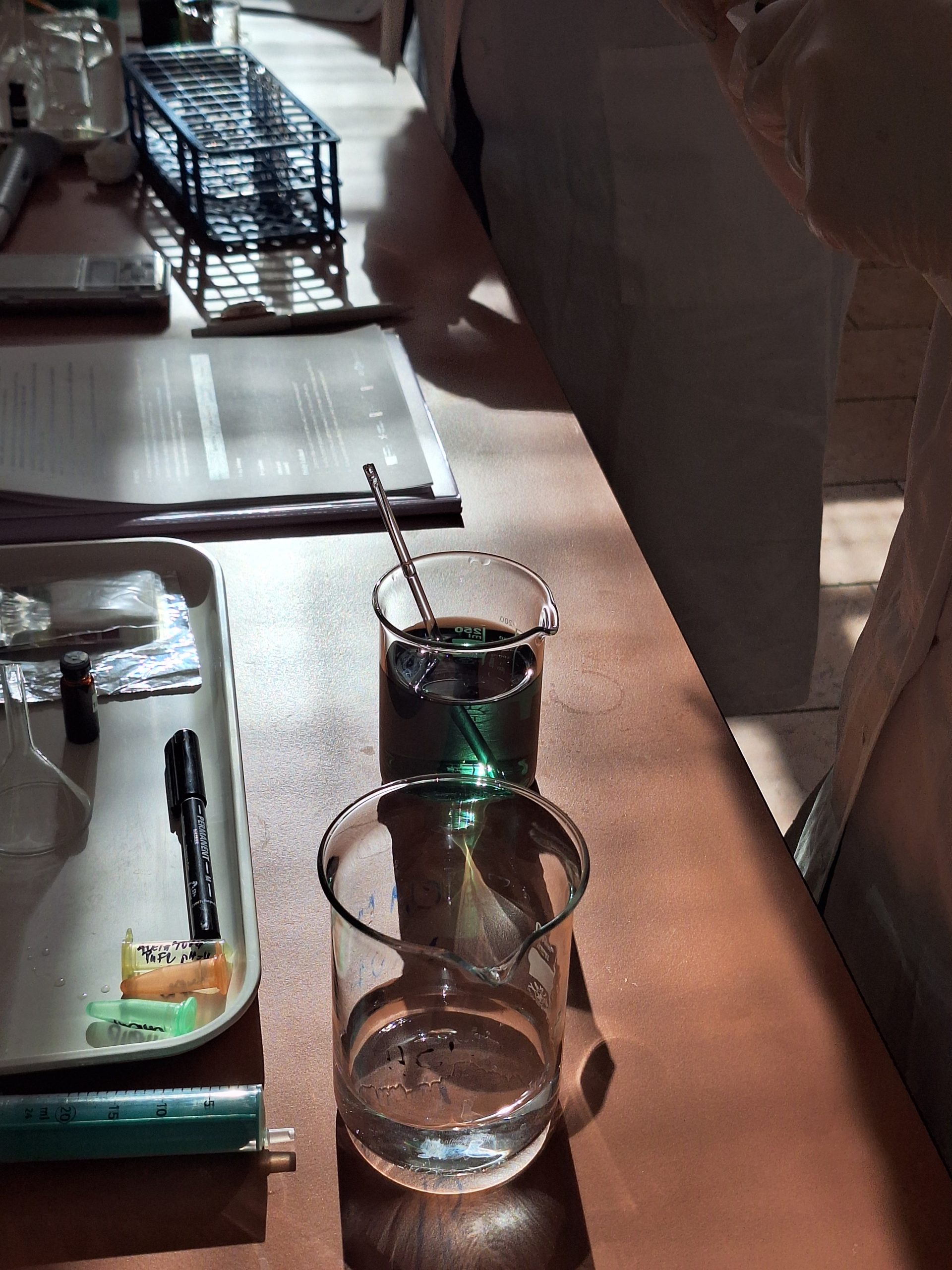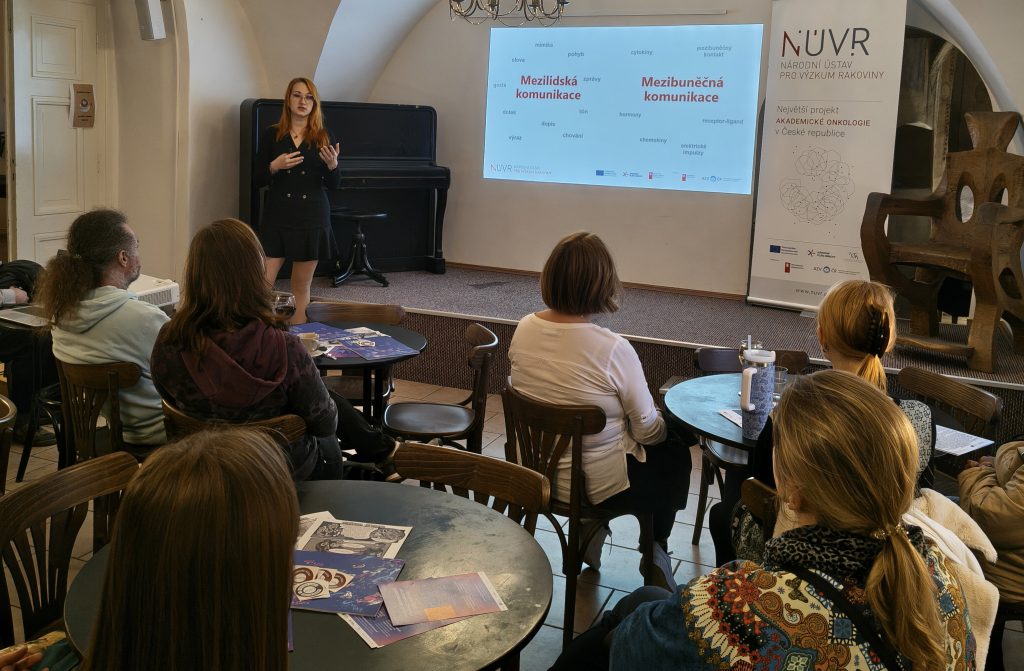



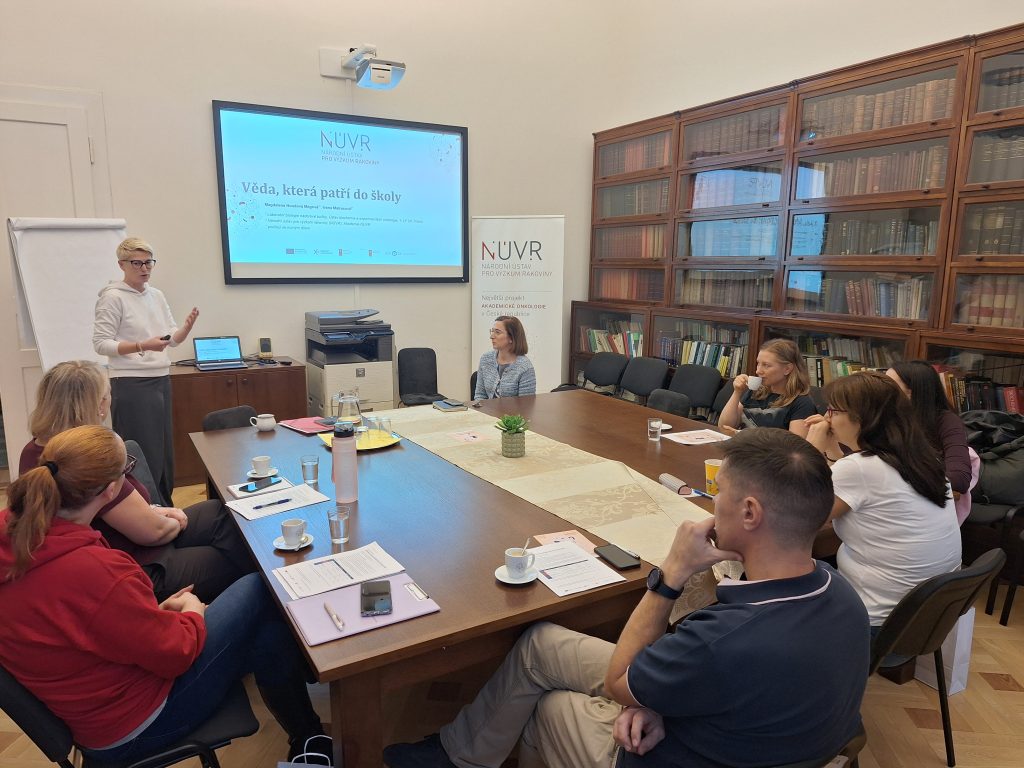
How can the latest findings in cancer research be brought into secondary school classrooms? This was the central question explored by participants in the workshop “Science Belongs in Schools”, organised by NICR on 22 October.
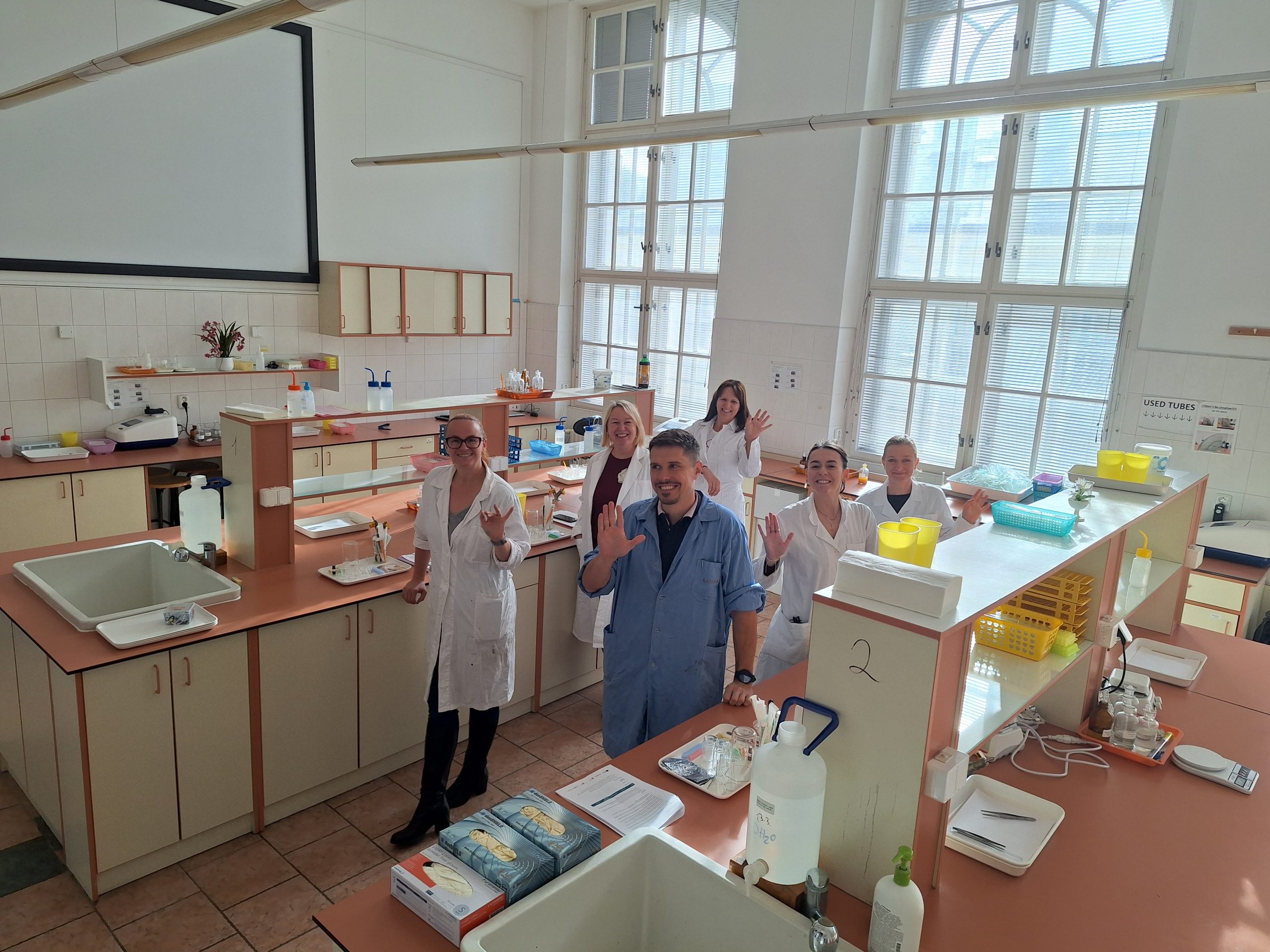
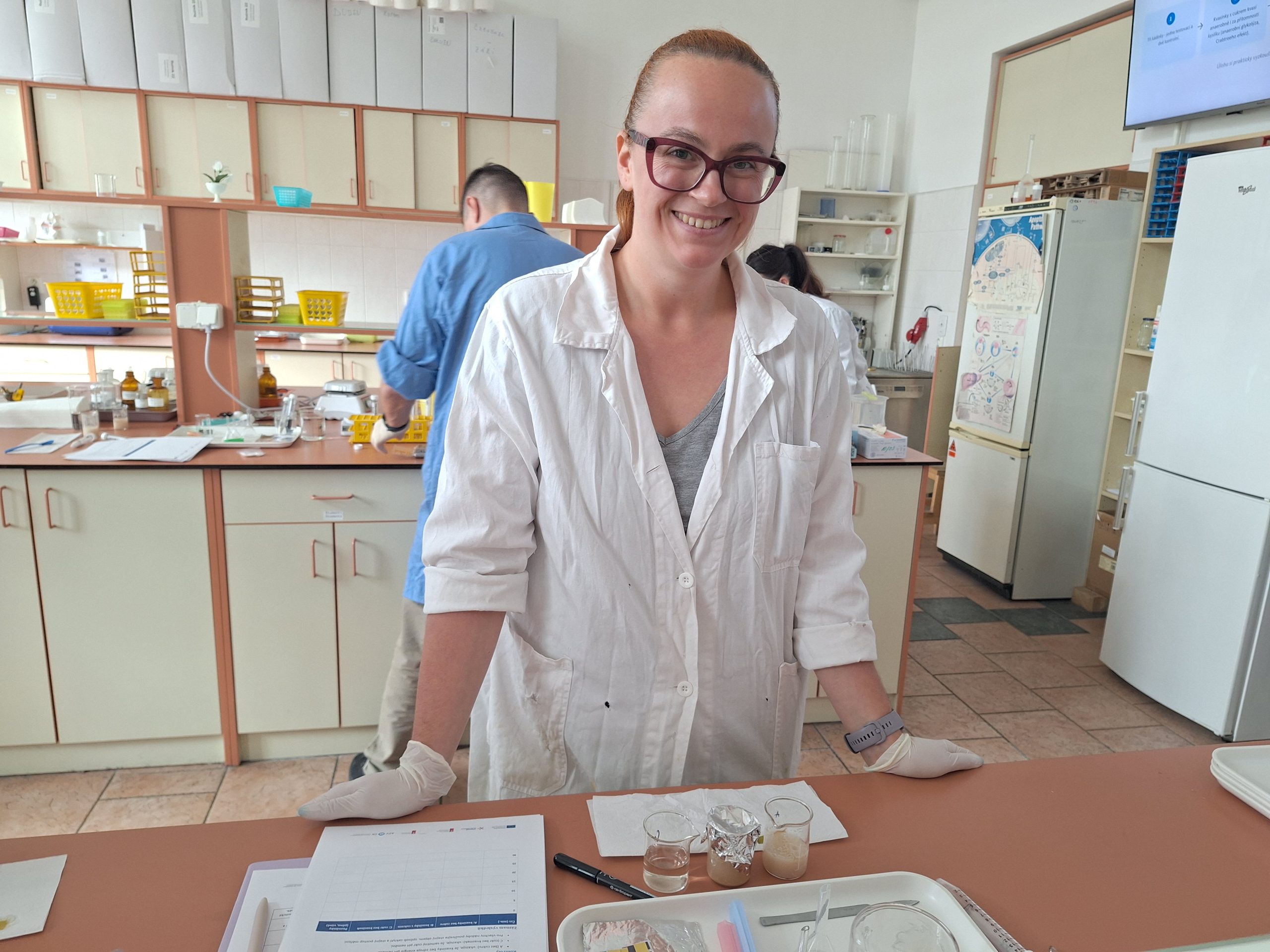
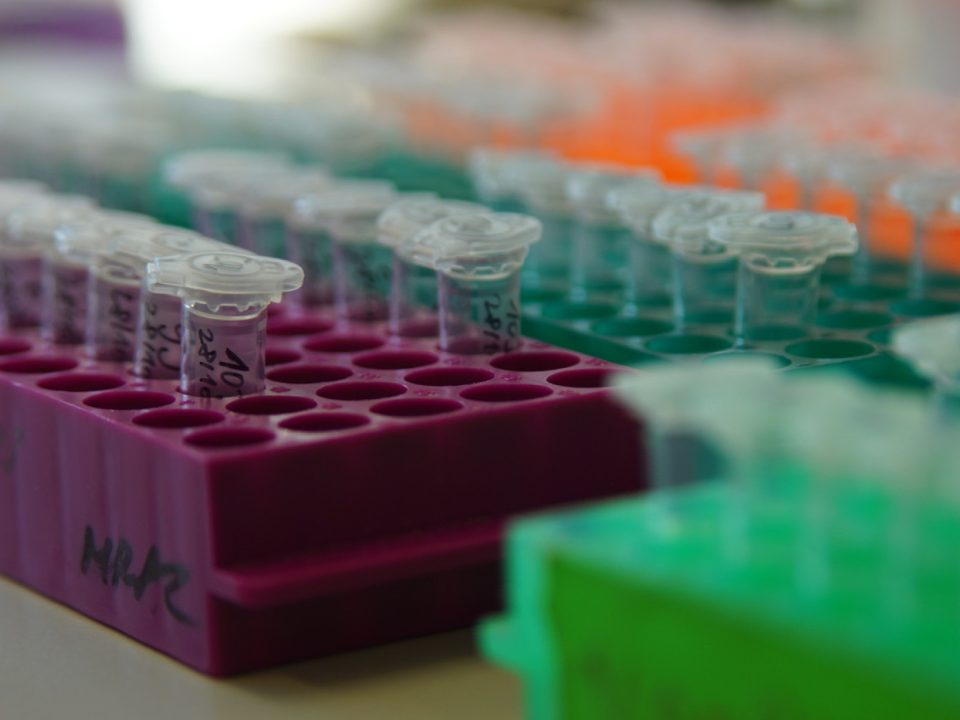
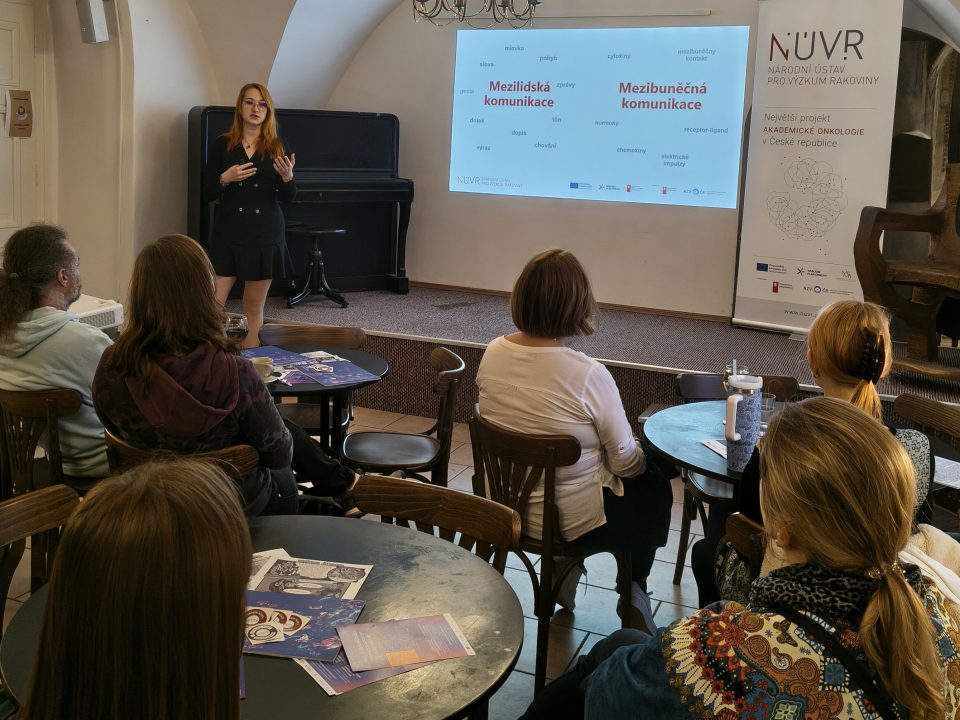
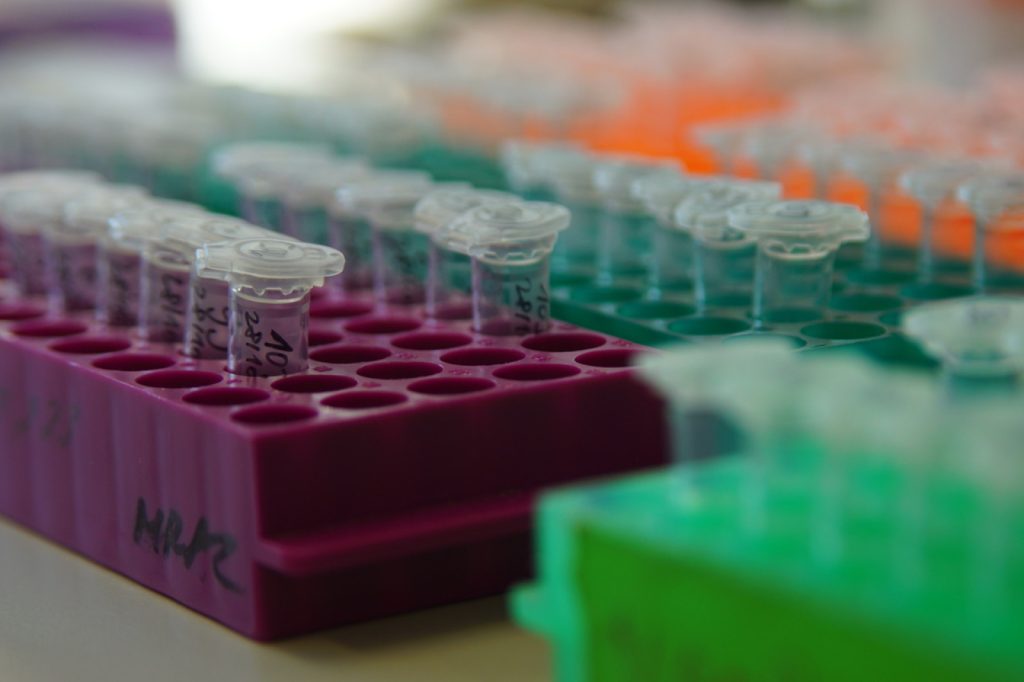
Six teachers from different secondary schools took part in hands-on experiments at the laboratories of the Institute of Biochemistry and Experimental Oncology, First Faculty of Medicine, Charles University, exploring activities they could incorporate into their science lessons. This was the first educational event organised by NICR specifically for secondary school teachers. The workshop aimed to demonstrate that even complex topics in cancer research can be explained through simple, illustrative experiments that do not require expensive laboratory equipment.
The programme was developed by Ivana Matrasová and Magdalena Houdová Megová from the Laboratory of Cancer Cell Biology at the Institute of Biochemistry and Experimental Oncology. They guided participants through four thematic areas – from the influence of the gut microbiome and dietary fibre on colorectal cancer risk to mechanisms of drug resistance in cancer cells, the process of metastasis and the specific features of cancer metabolism. Each topic was accompanied by a practical exercise that teachers could try out themselves and subsequently use in their lessons. The programme also provided an opportunity to discuss experiences from teaching practice and ways to inspire greater interest in science among students.
“I particularly appreciate the fact that the workshop was initiated by the teachers themselves. Through the NICR Academy, we have long been working to bring modern biomedical research closer to the younger generation. Alongside activities aimed directly at secondary school students, we also consider it important to work with their teachers. They are the ones who can spark and nurture an interest in science every day. We therefore want to give them the opportunity to learn about current research methods, try them out in practice and take away new ideas for their teaching,” says Aleksi Šedo, Director of NICR.
The first workshop was attended by teachers from Gymnázium Christiana Dopplera, Gymnázium prof. Jana Patočky, Gymnázium Přípotoční, Gymnázium Laury Bassi, Gymnázium Jiřího Ortena in Kutná Hora and Střední zdravotnická škola Beroun. Our sincere thanks go to all participants for their interest, active involvement and willingness to devote their time to exploring new ways of bringing science closer to students. Teachers like these play an indispensable role in fostering young people's interest in science. Special thanks also go to both workshop leaders for preparing the programme, practical exercises and teaching materials that participants can continue to use in their schools.