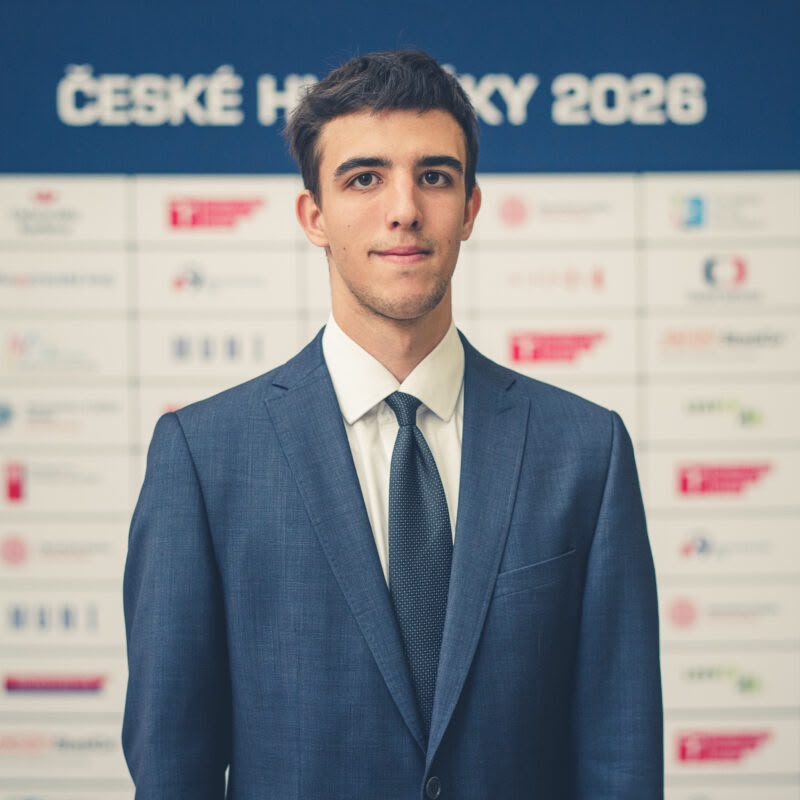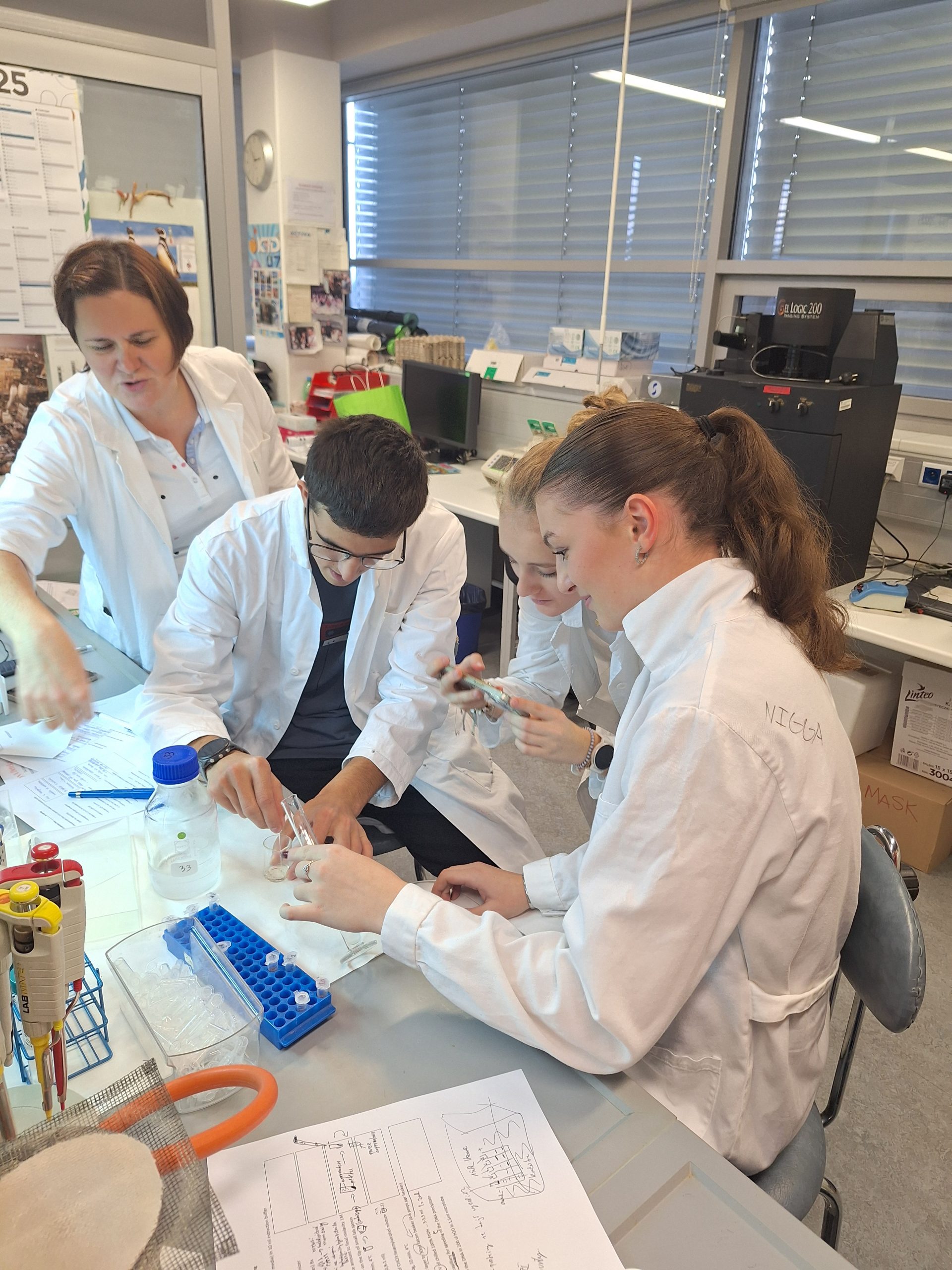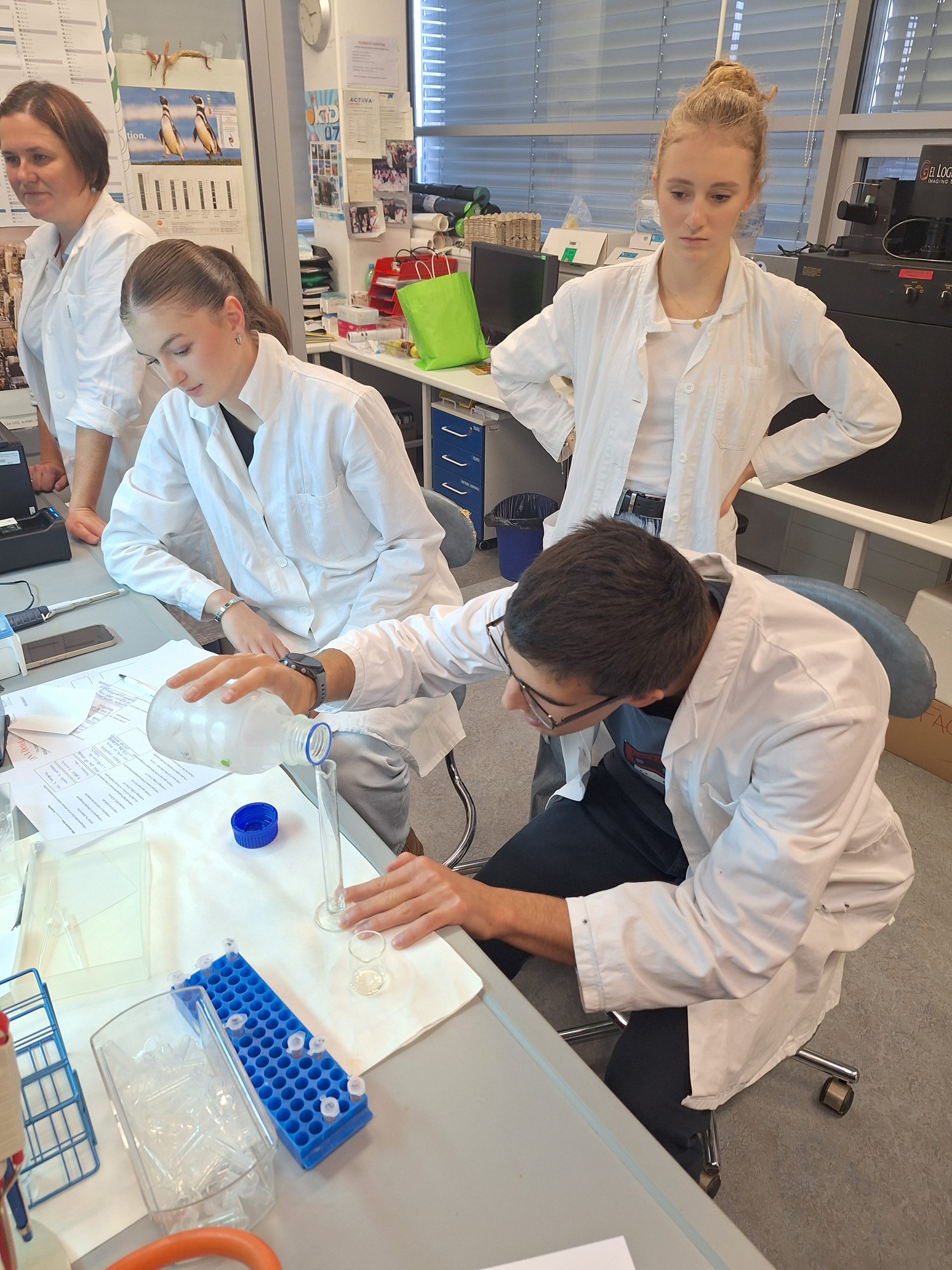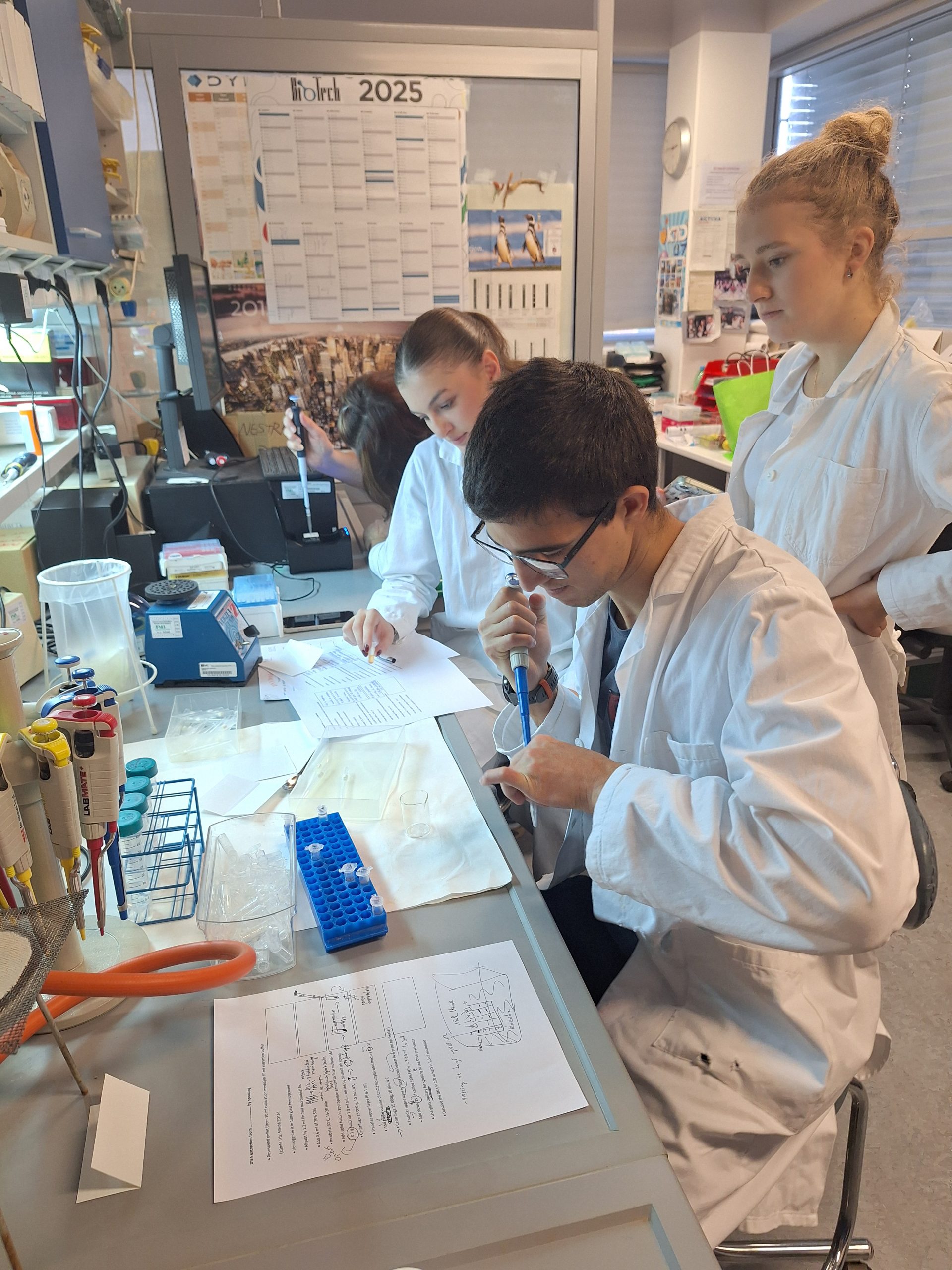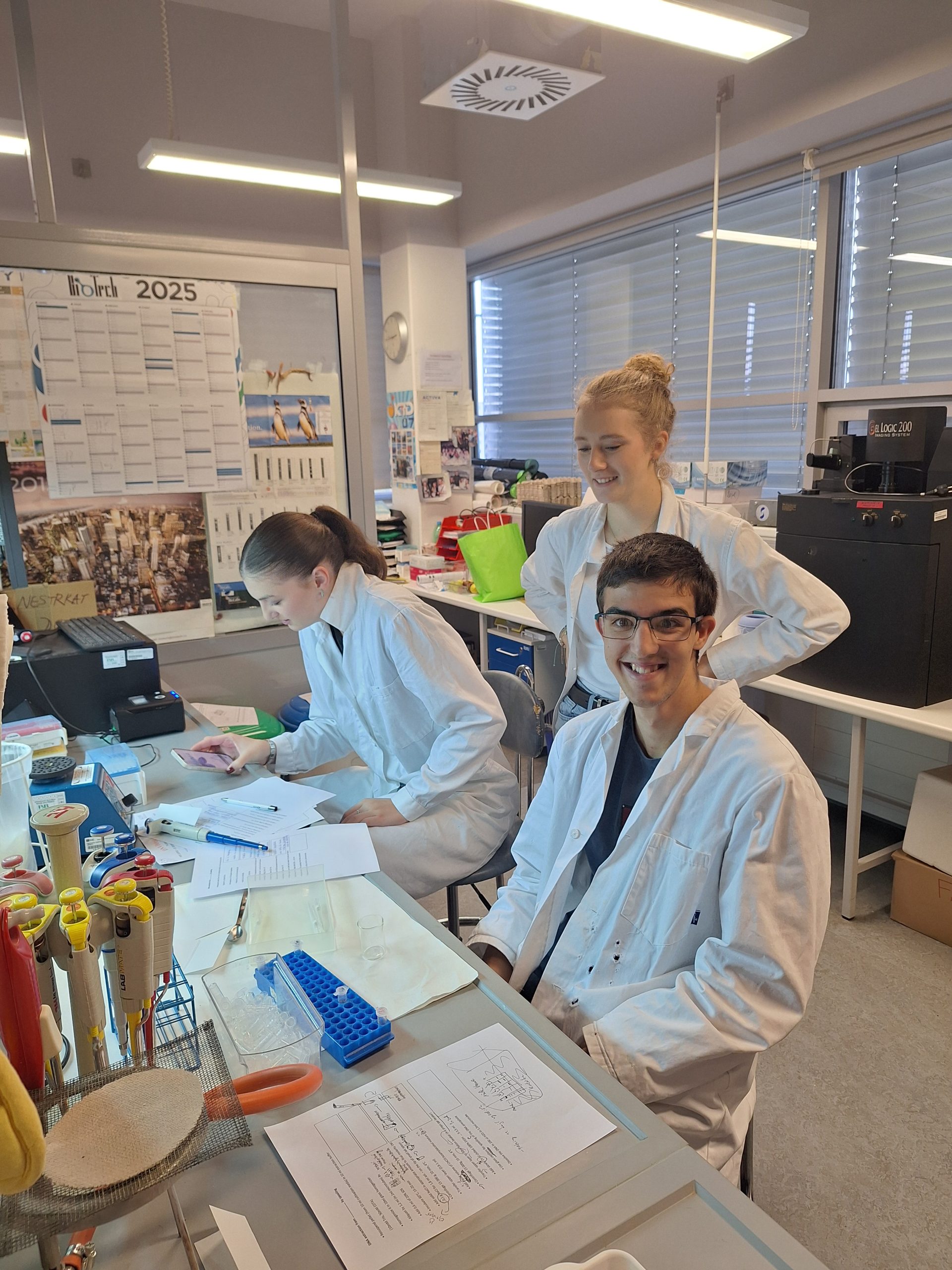



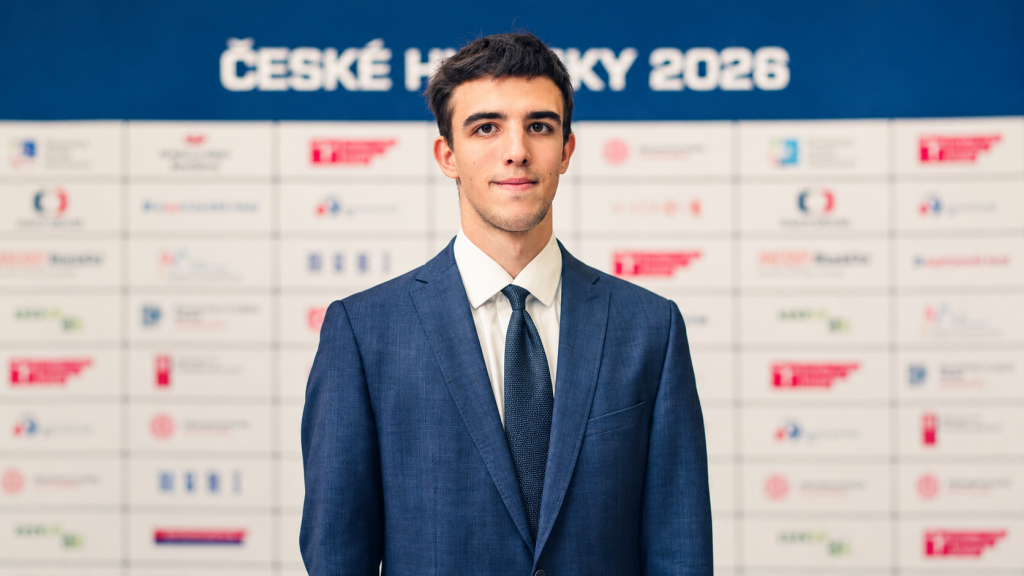
Karel Půbal, who has participated in NICR workshops and Summer School, is among this year's recipients of the Česká hlavička Award, which recognises talented secondary school students and is the younger counterpart of the prestigious Česká hlava science awards. He received the GENUS “Nature Around Us” Award, presented by the Faculty of Science at Masaryk University. After graduating from Střední zdravotnická škola Beroun, he went on to study at the University of Chemistry and Technology in Prague.
You also gained research experience through NICR workshops and Summer School. How do you remember these events, and what did you gain from them?
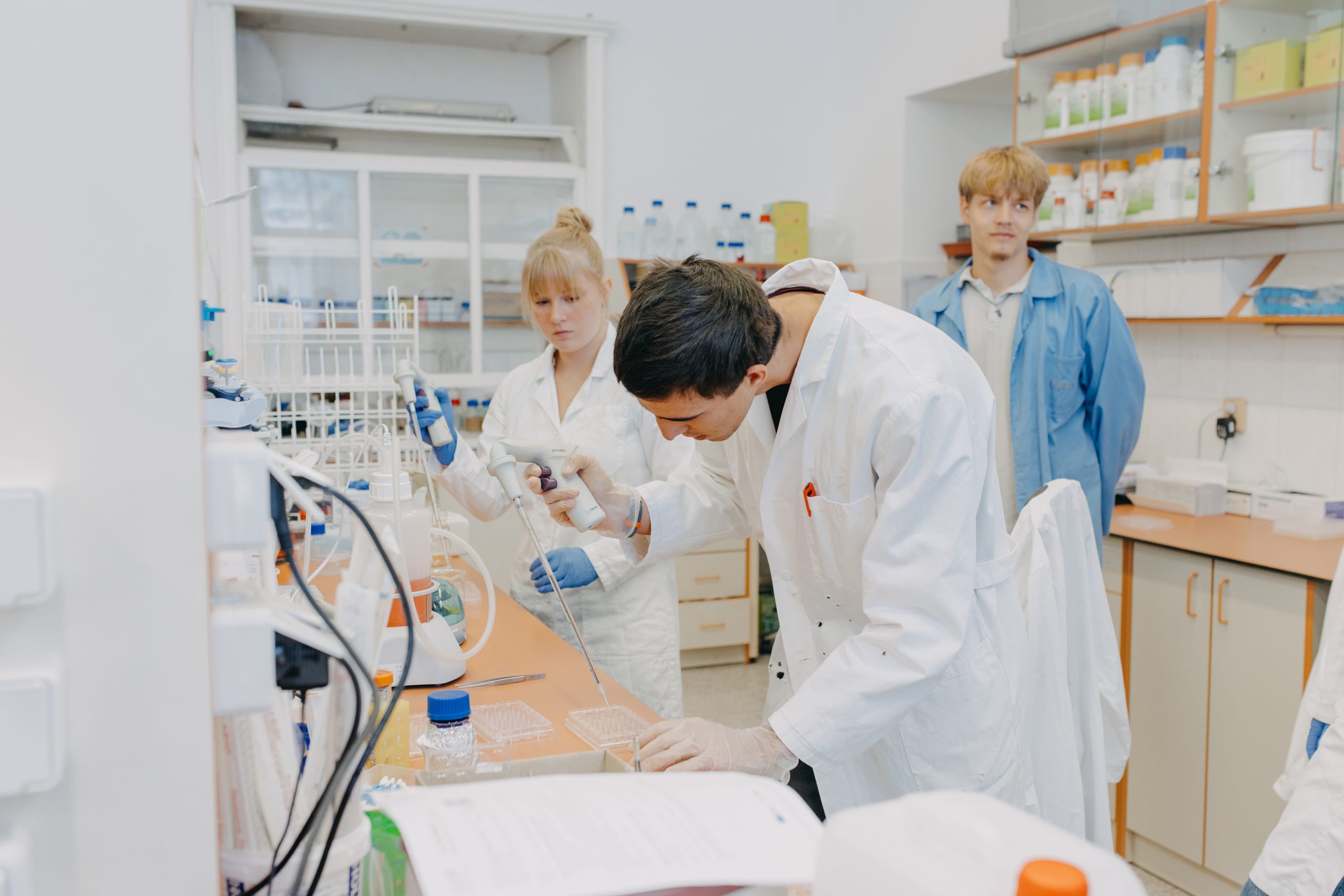
I think workshops and events such as NICR Summer School or the summer school at the University of Chemistry and Technology are fantastic because they give students the opportunity to experience different areas of science first-hand – from more conventional laboratory techniques to bioinformatics, working with sequencers or cell cultures. What students often don't realise, however, is that they also make valuable contacts, which can later prove useful when applying for research internships at the institutions they visited during these events.
You were already actively involved in research while at secondary school. You worked in laboratories at the University of Chemistry and Technology and even have your first publications to your name. When did you first become interested in science, and what fascinates you most about it?
I've been more drawn to the natural sciences than the humanities since childhood. The turning point came in my third year of secondary school (Střední zdravotnická škola Beroun), when my chemistry and physics teacher noticed that I approached problems differently and decided to support me. She knew I was also interested in computer science, so she put me in touch with a former classmate of hers who is now a professor working in bioinformatics at the University of Chemistry and Technology. That's how I got involved in research in this field. What fascinates me most about research is its interdisciplinary nature – the way computer science, biology and biochemistry can be brought together into one meaningful whole.
Your award-winning project, entitled “Computational Design and Preparation of Artificial Proteins”, is also related to questions about the origins of life on Earth. Could you explain what you investigated, what hypothesis you wanted to test and what results you achieved?
It all started with a very simple question. I was talking to the professor and asked him how many amino acids proteins are actually made of. Life today uses twenty, but on the early Earth, only about ten were probably available. That got me thinking: what is the minimum number of different amino acids needed to build a functional protein? And that question became the basis of the entire research project.
First, we searched a database of more than 250 million known proteins and found that proteins built from such a limited alphabet are exceptionally rare in nature – and none of them is a conventional globular protein. Nature today uses all twenty amino acids. So, if we wanted to find out whether it was possible, we had to design such a protein ourselves.
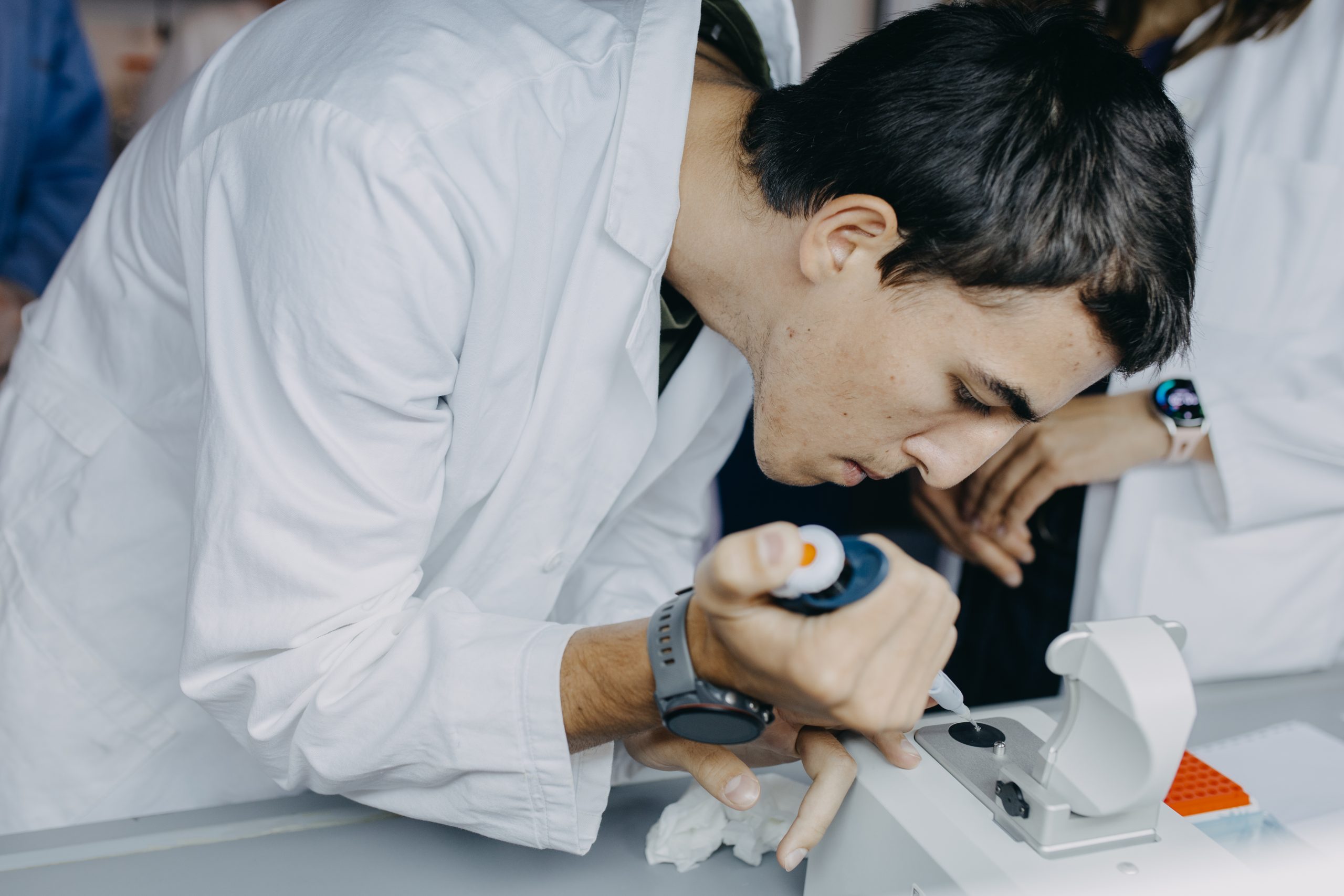
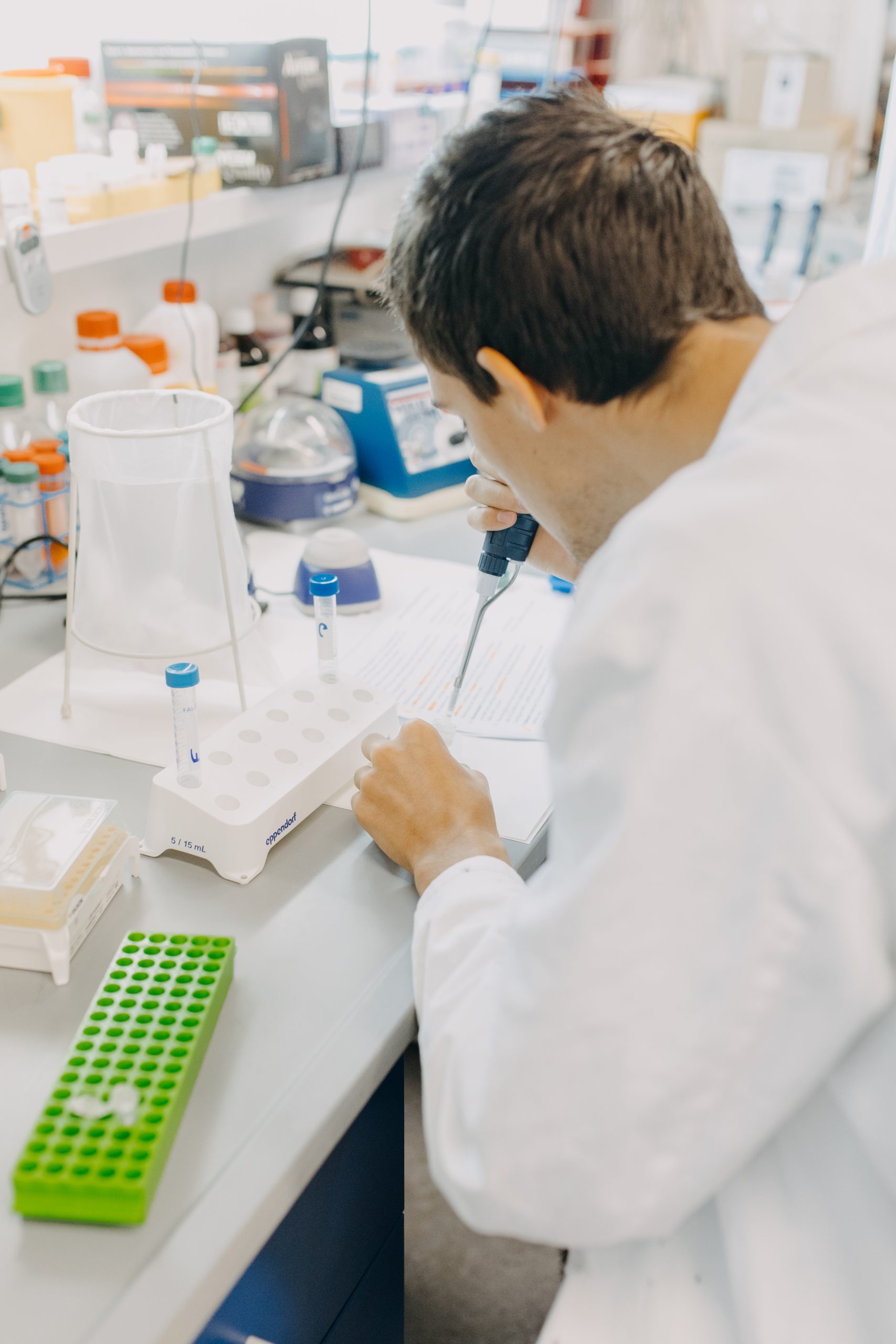
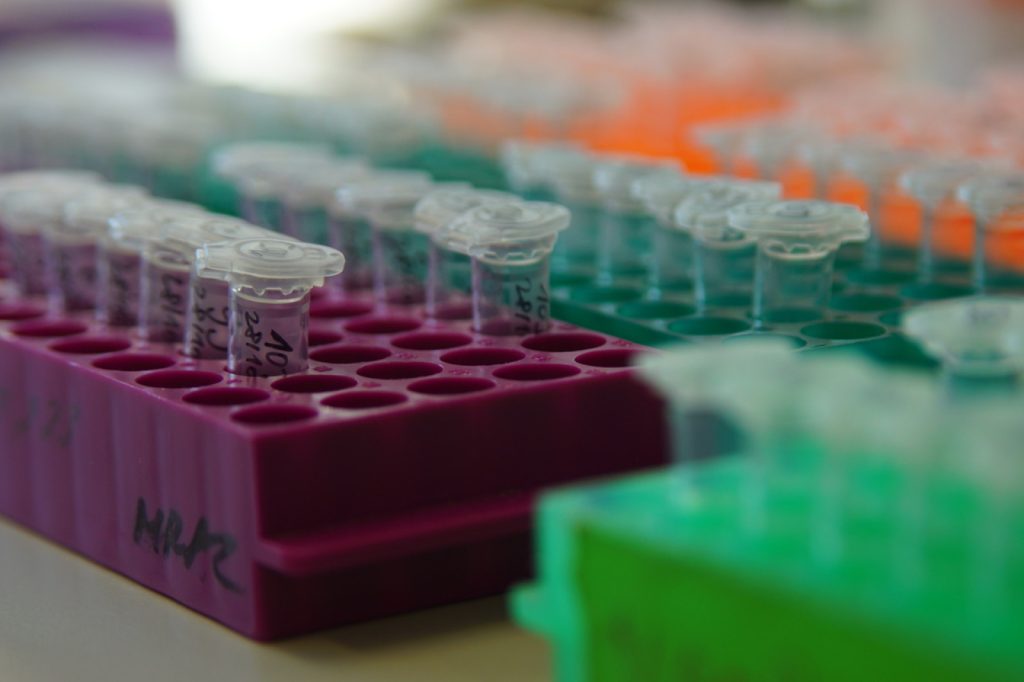
We used artificial intelligence to do this. We generated protein designs for all 1,013 possible combinations of the ten “early” amino acids, ranging from two-letter to ten-letter alphabets. We then produced the most promising candidates in bacteria and tested them in the laboratory.
The results suggest that a stable protein can be created using a relatively limited set of amino acids. Of course, this doesn't mean we have reconstructed the first proteins that actually emerged on Earth. But we have demonstrated that such a possibility is feasible under certain conditions, which may contribute to a better understanding of some scenarios for the origin of life.
What practical applications could computational protein design have in medicine?
Using a smaller set of amino acids reduces the chemical diversity of a protein's surface. Such proteins might therefore be less easily recognised by antibodies. If this hypothesis were confirmed, it could help reduce unwanted immune responses – one of the challenges that continues to complicate the development of otherwise promising protein-based therapies.
Would you like to continue working on this topic, or are you already coming up with new research ideas?
I'd definitely like to stay with this topic for a while longer. I'm fascinated by the idea of a reduced amino acid alphabet and its potential applications, for example in medicine. But I also have ideas that are unrelated to this field.
Do you devote all your time to studying and research, or do you also have other, more “ordinary” hobbies, like people your age?
I've been actively involved in sport since childhood, including at a competitive level, and there was a time when I thought I might pursue it as a career. I have less time for it now, but I still play tennis, and whenever I get the chance, I enjoy indoor climbing or going to the mountains.
And finally, do you have a big scientific dream or ambition?
I'd like to continue enjoying research, to have the opportunity to explore interesting questions and come up with my own ideas. I think that with the rise of artificial intelligence, what matters is no longer so much how much information a person can memorise, but rather what questions they are able to ask. In my view, we need to retain the curiosity of a small child who never stops asking “why?”.