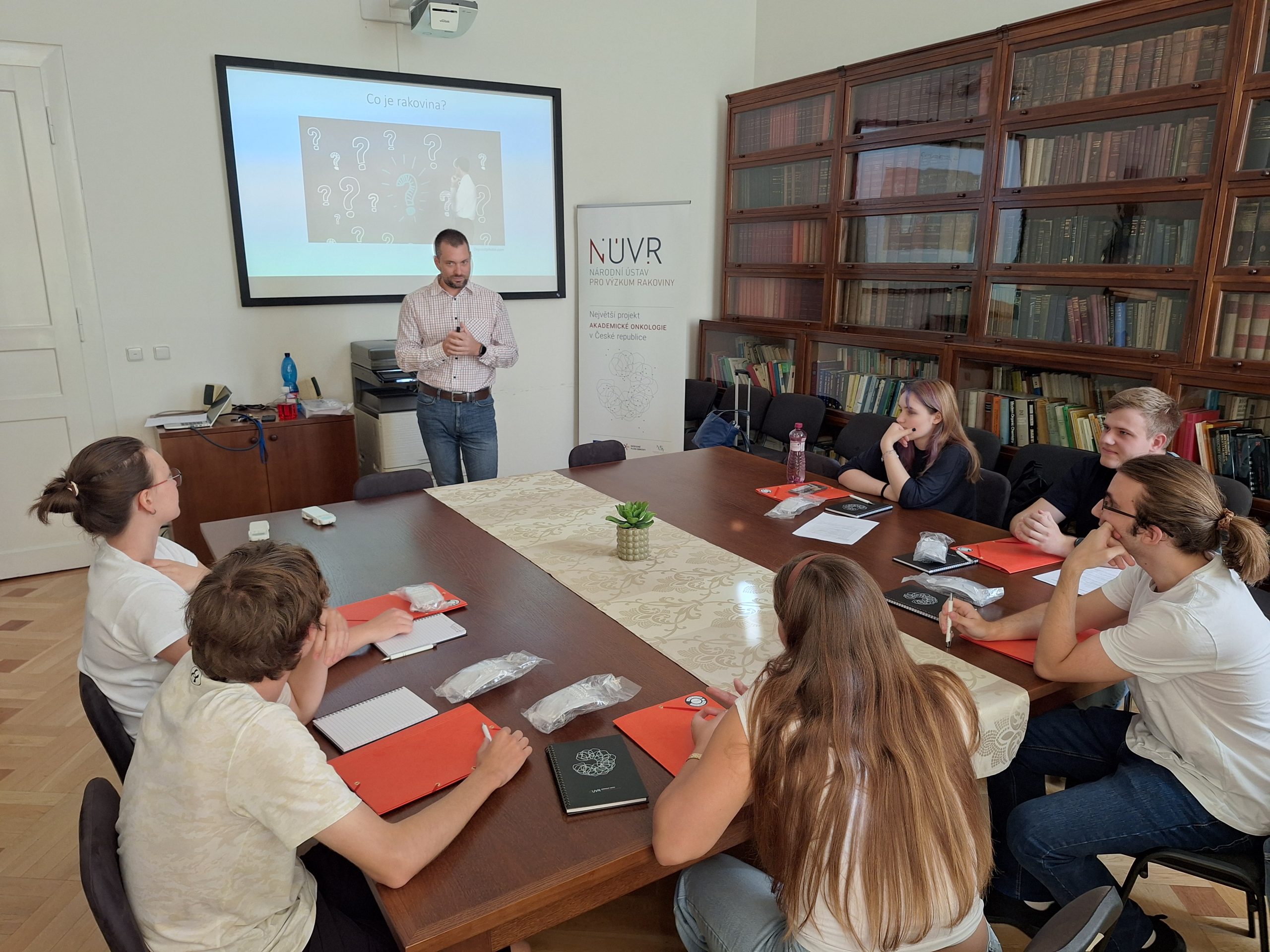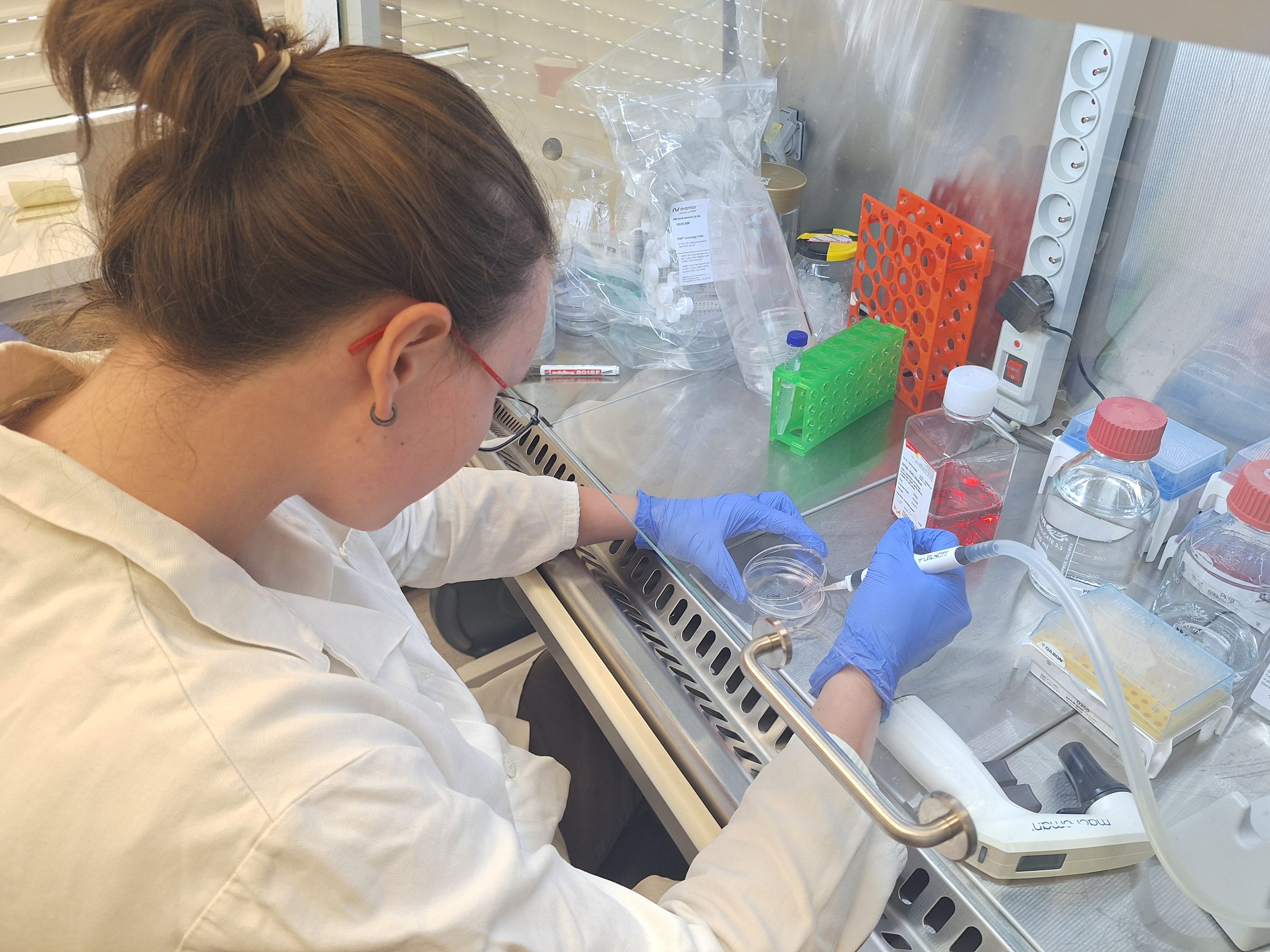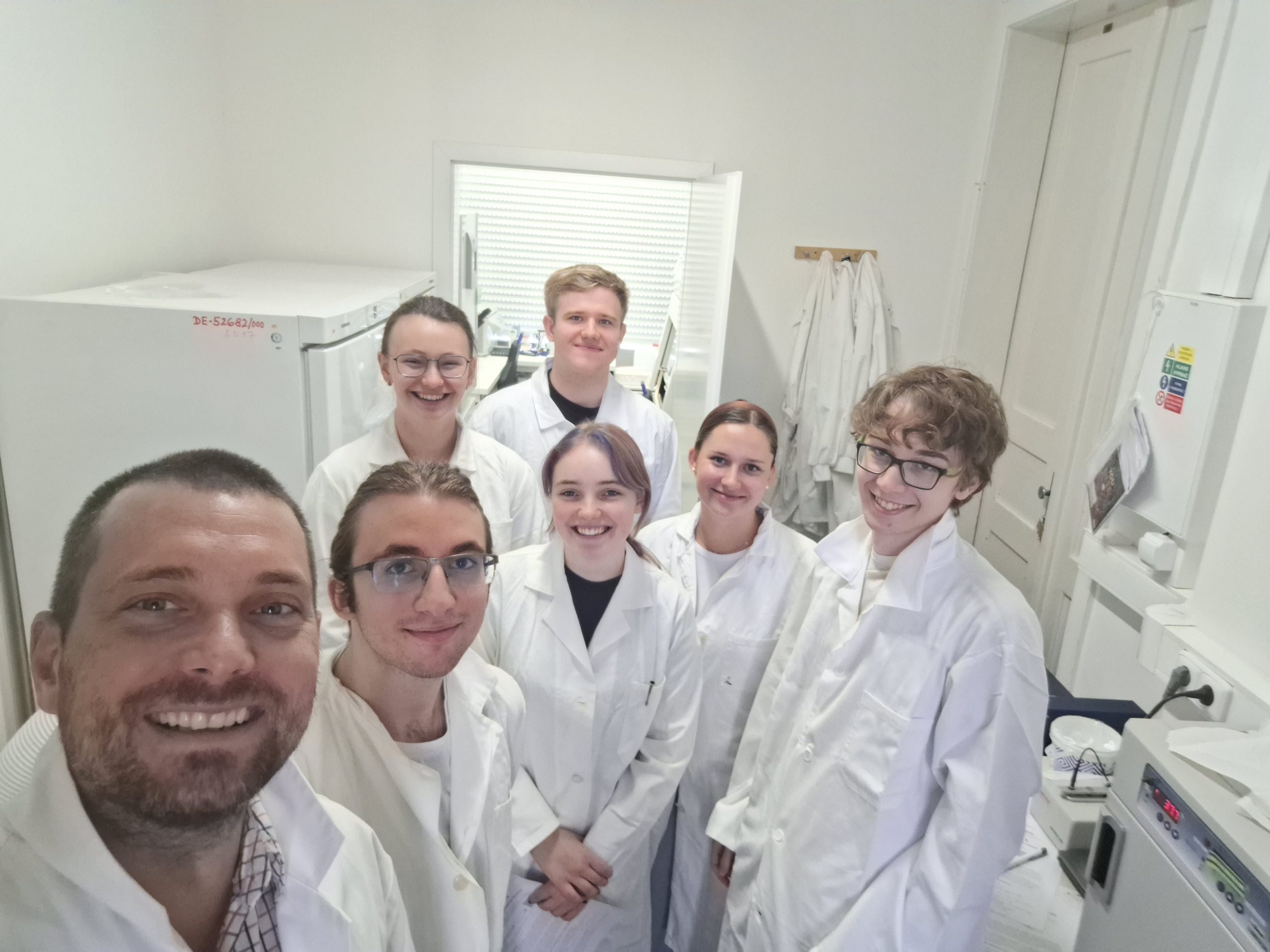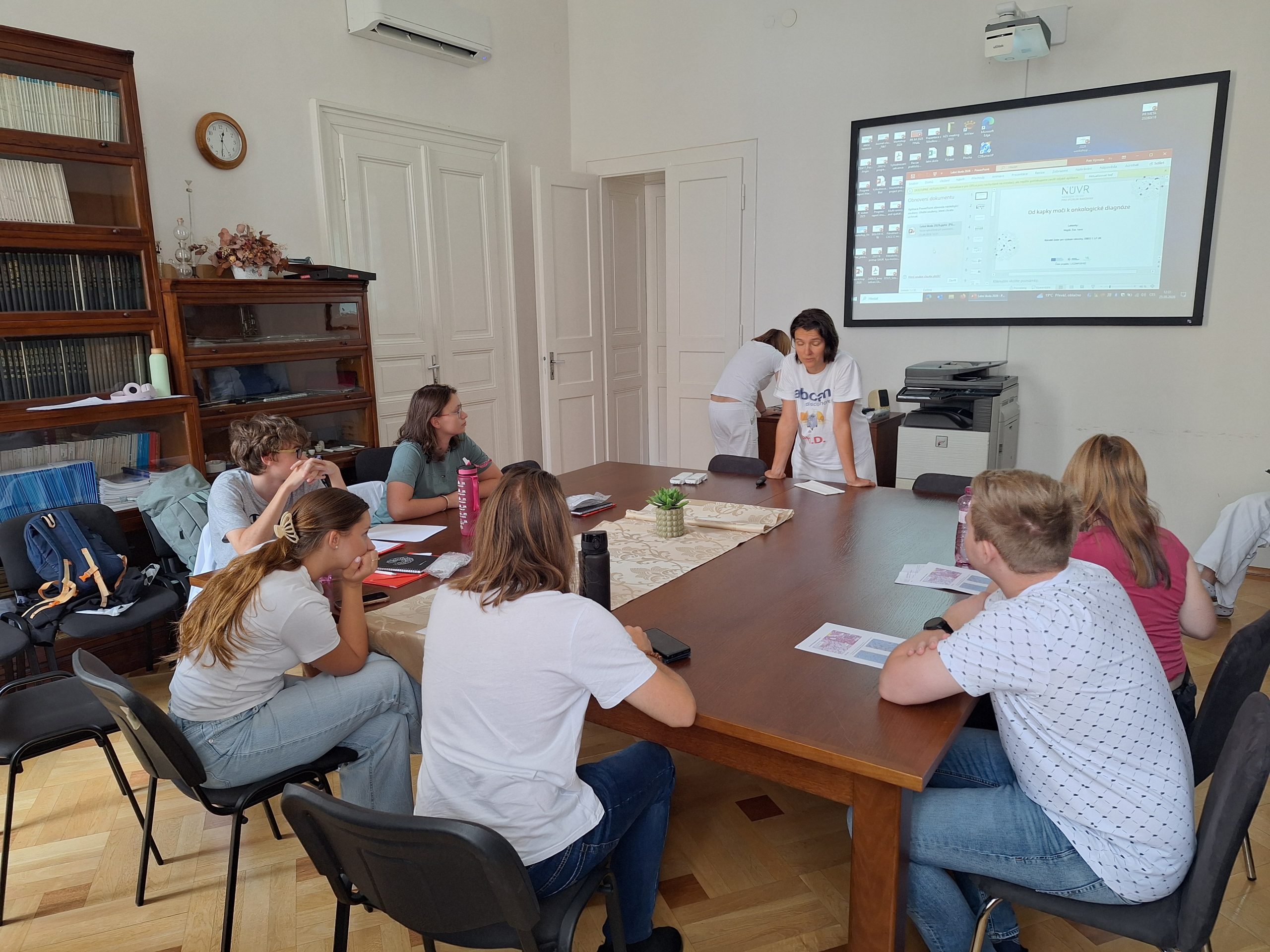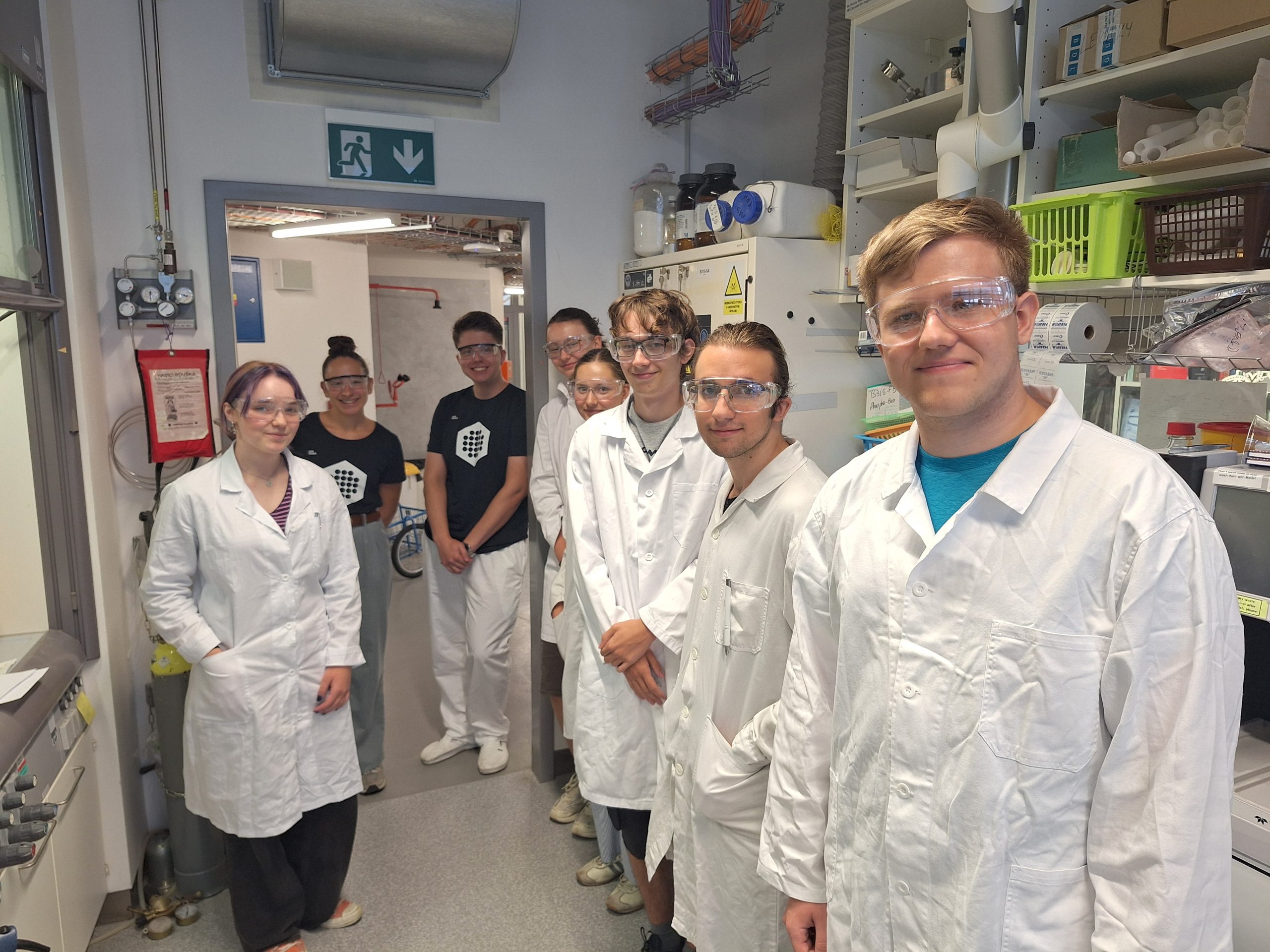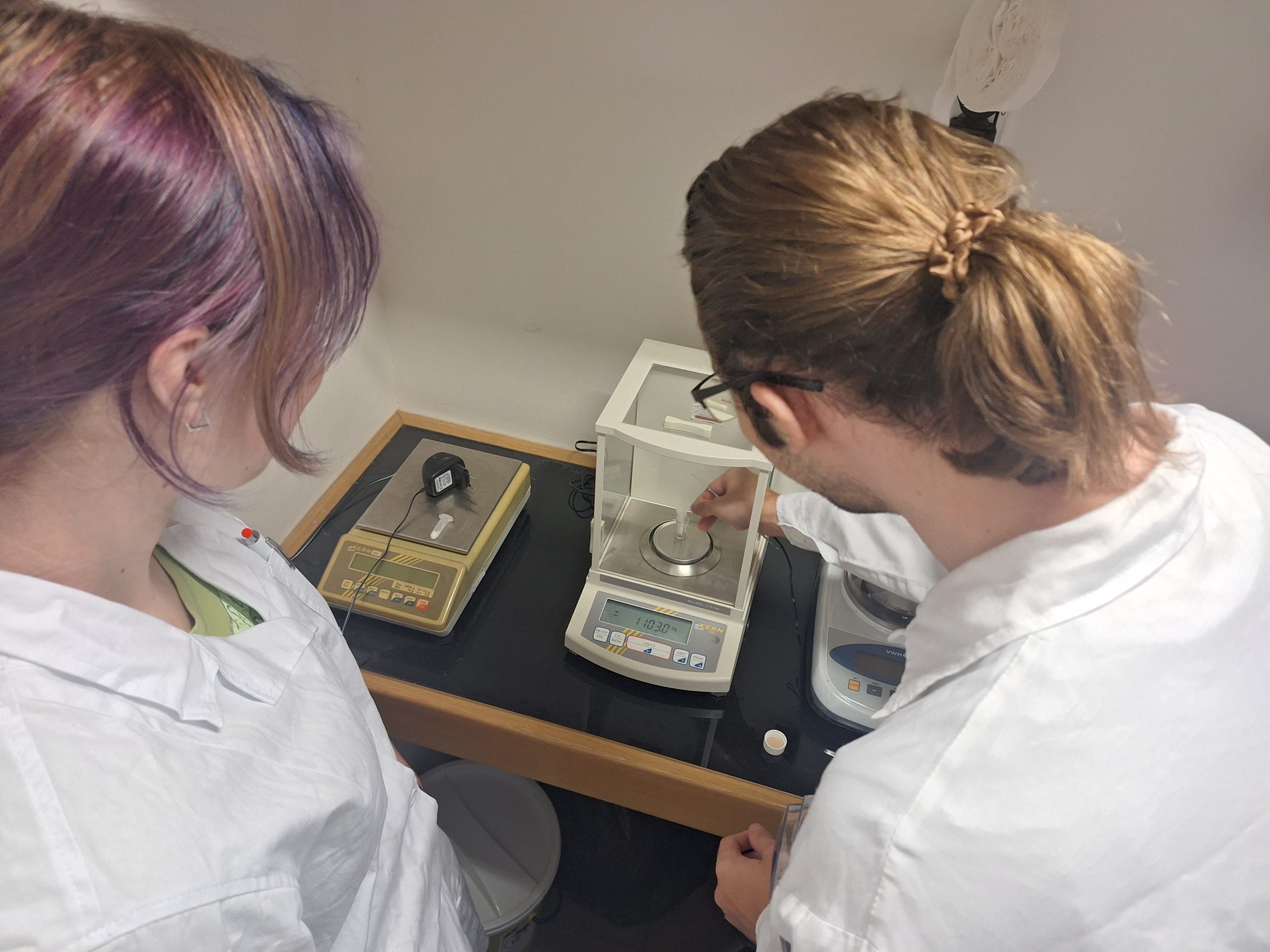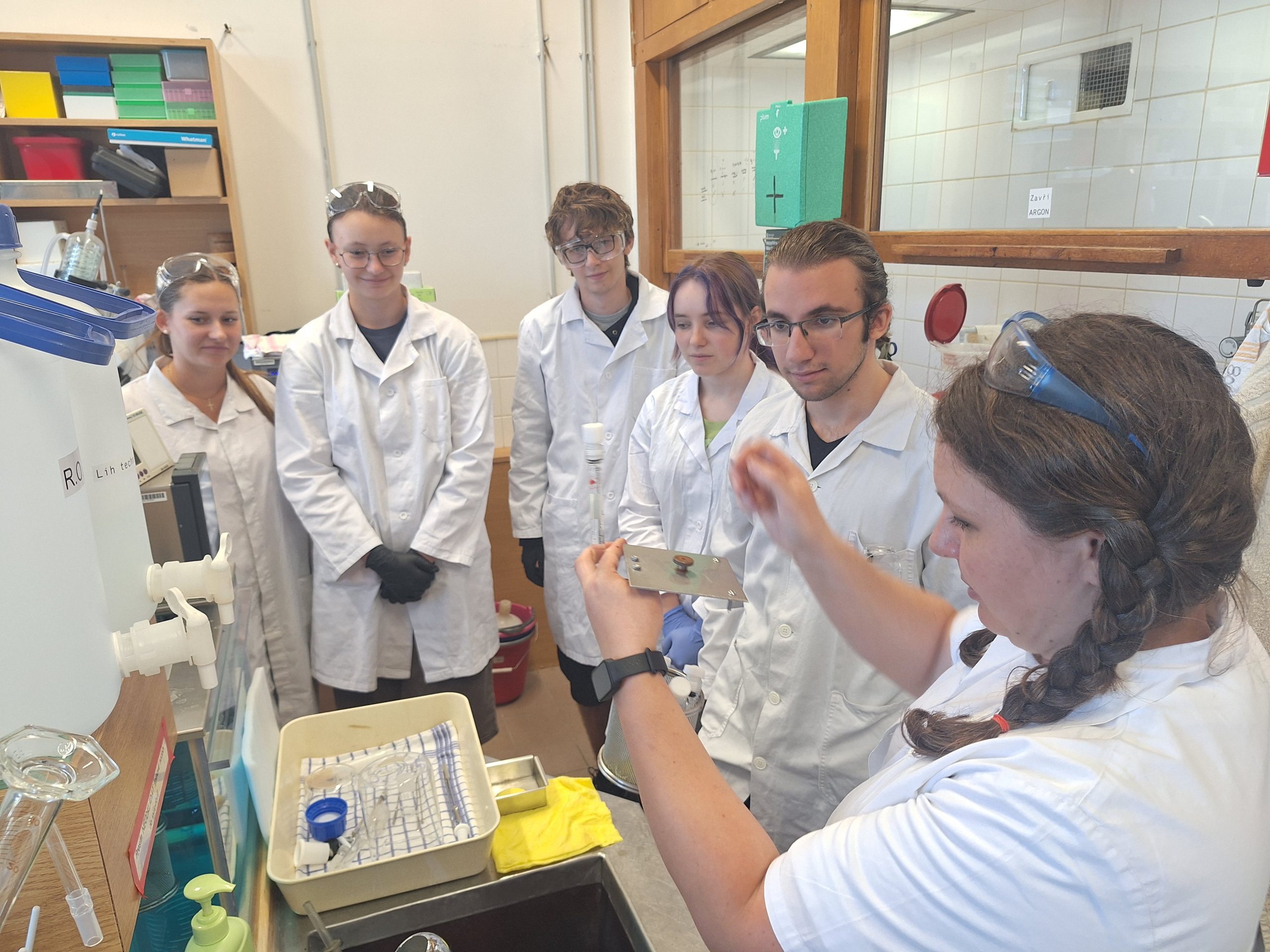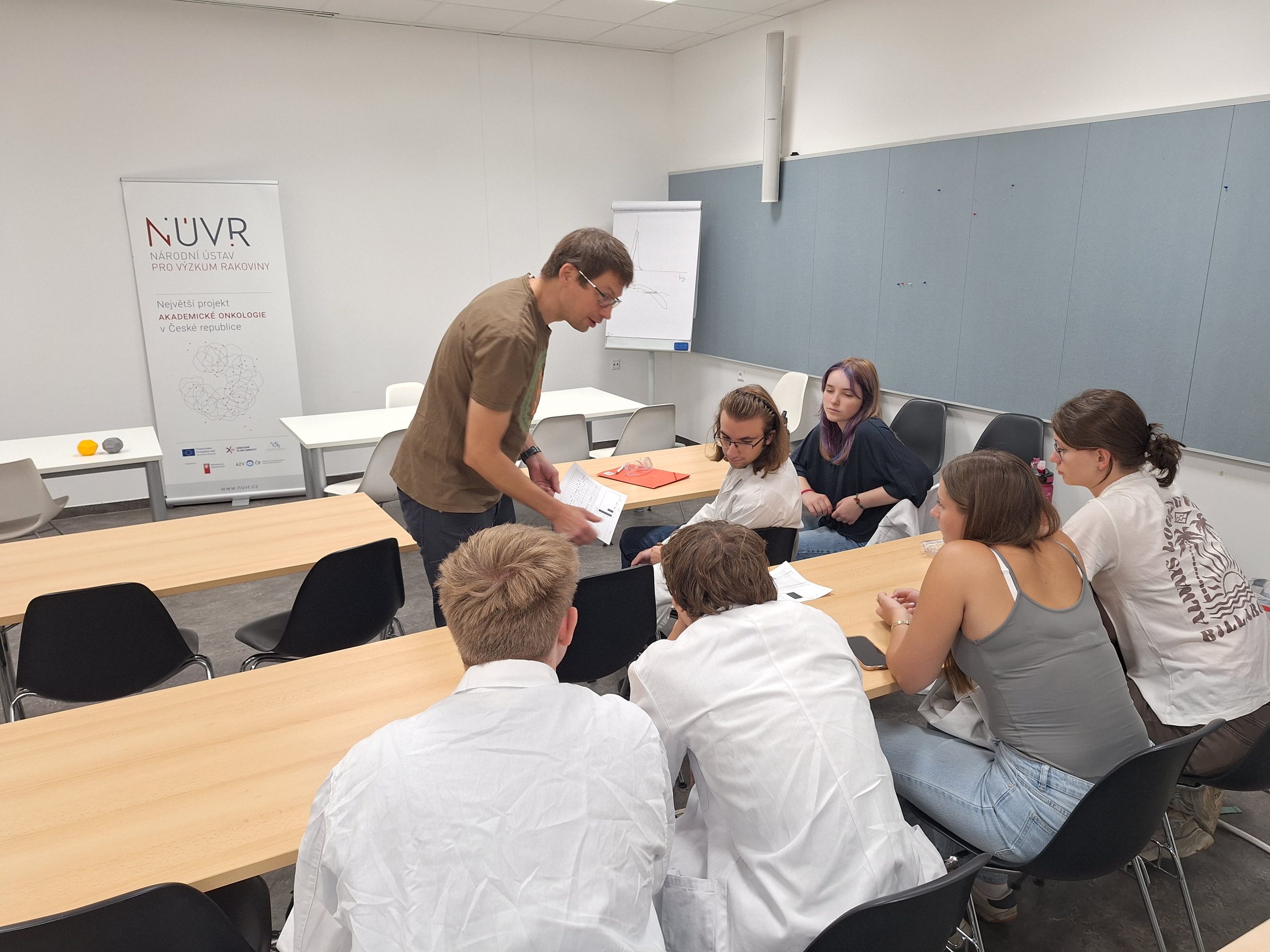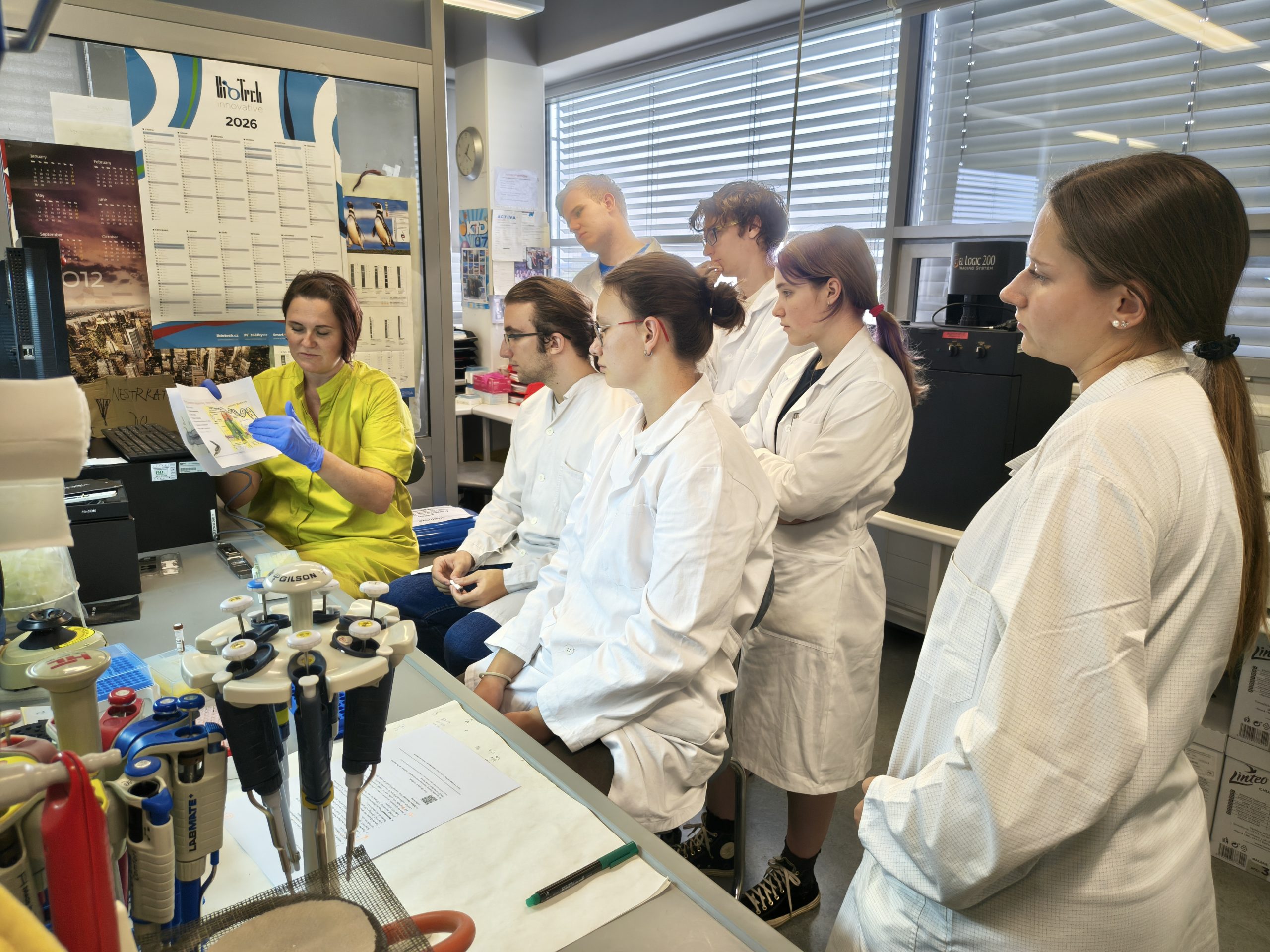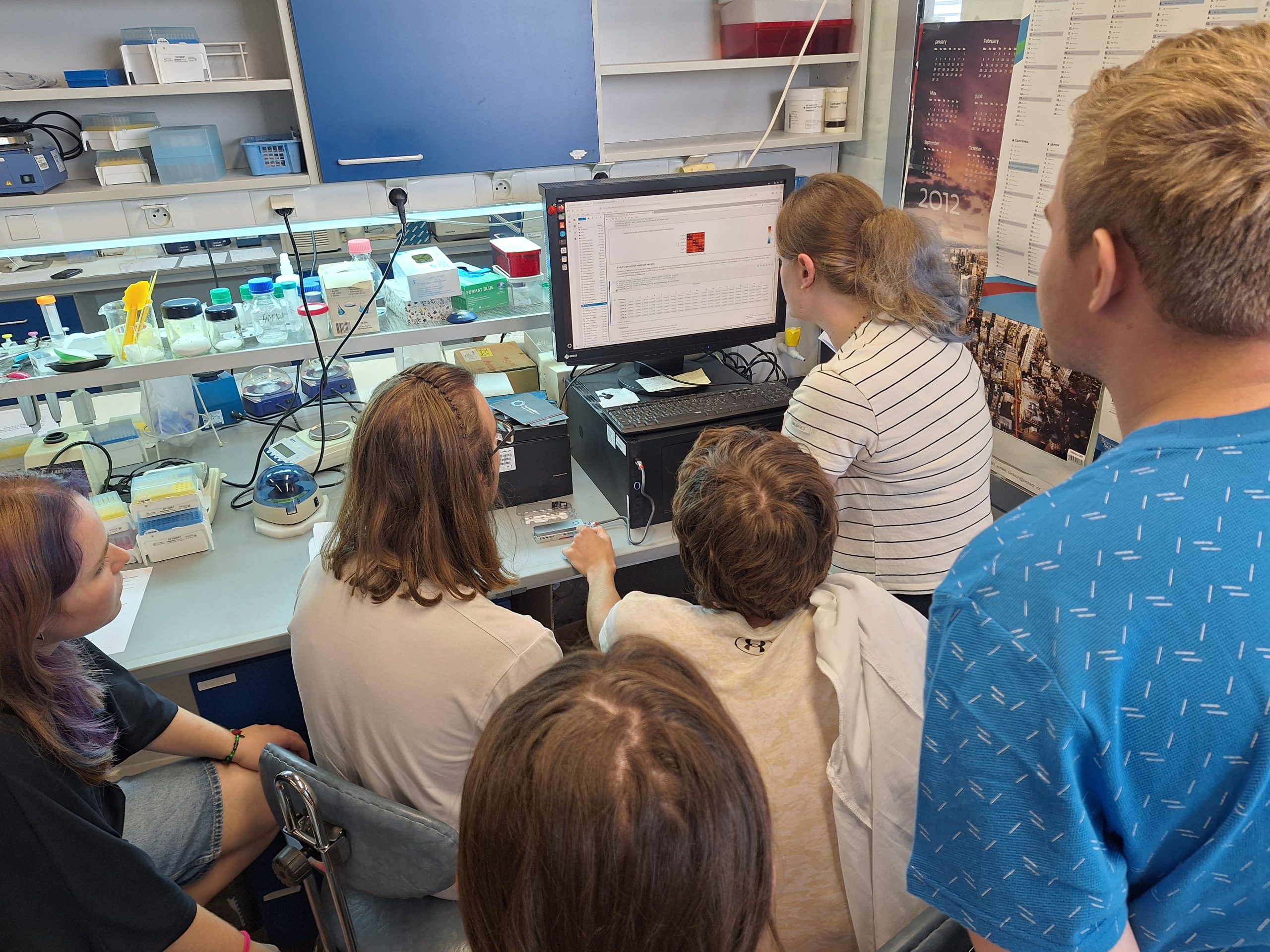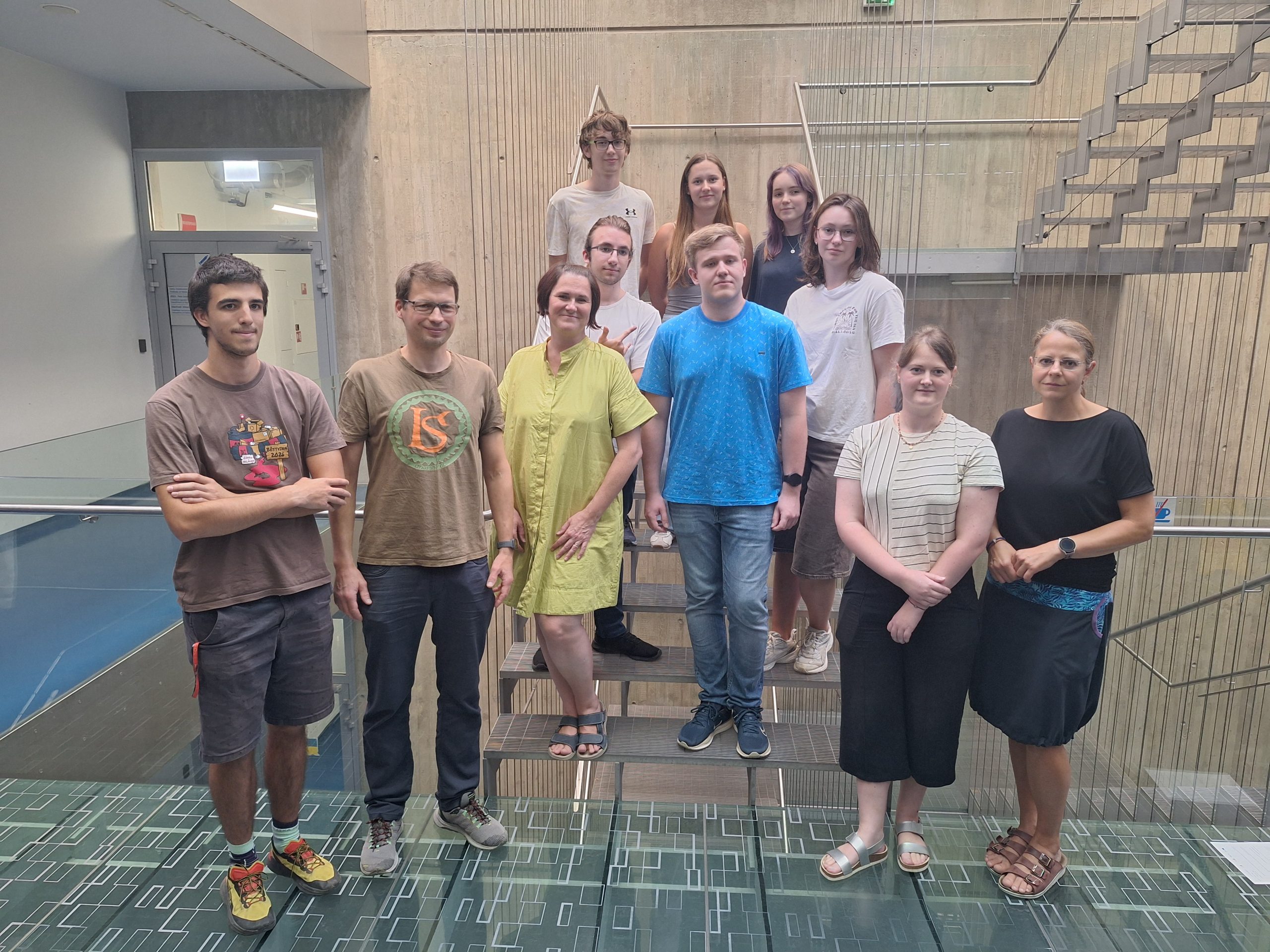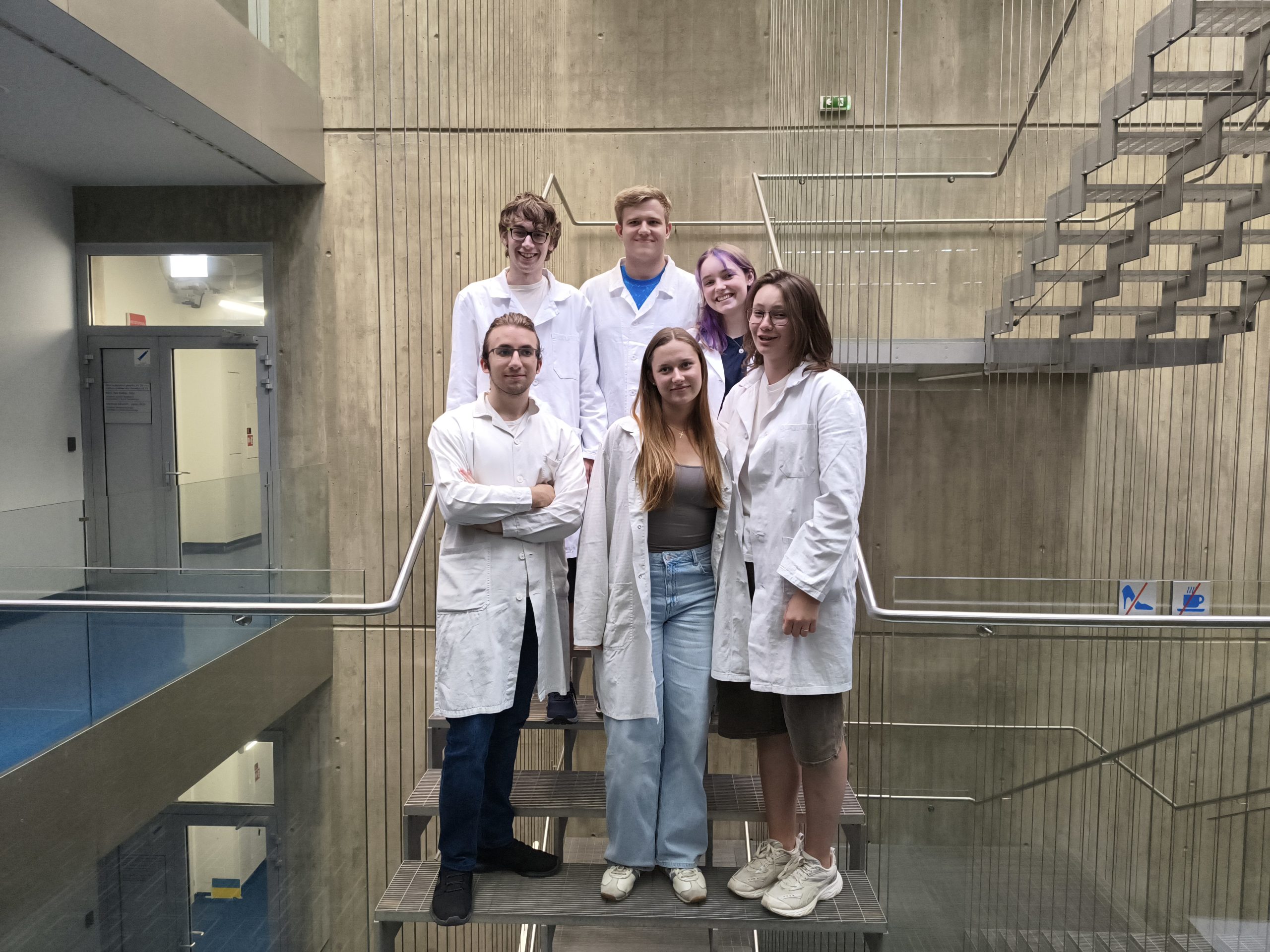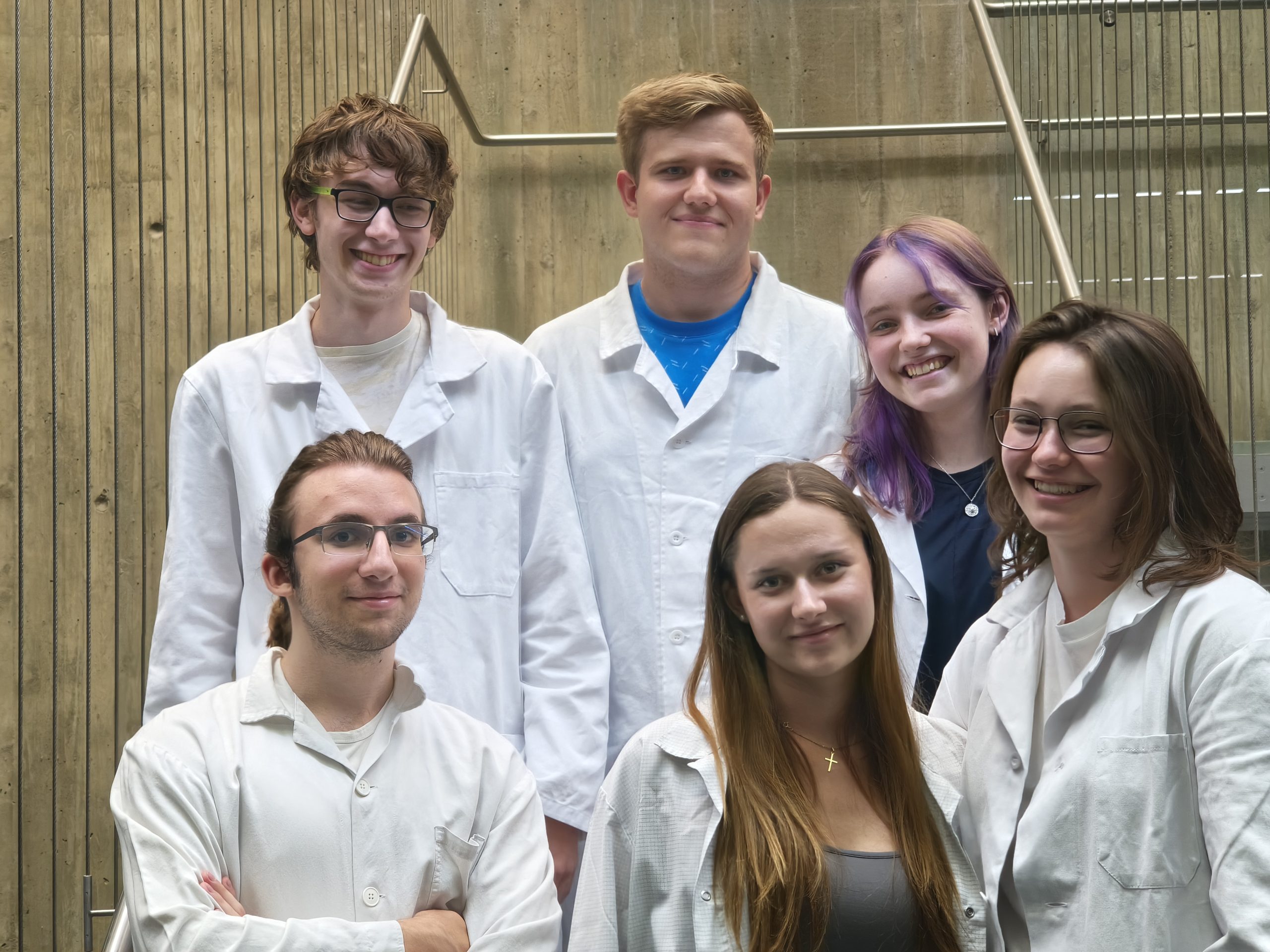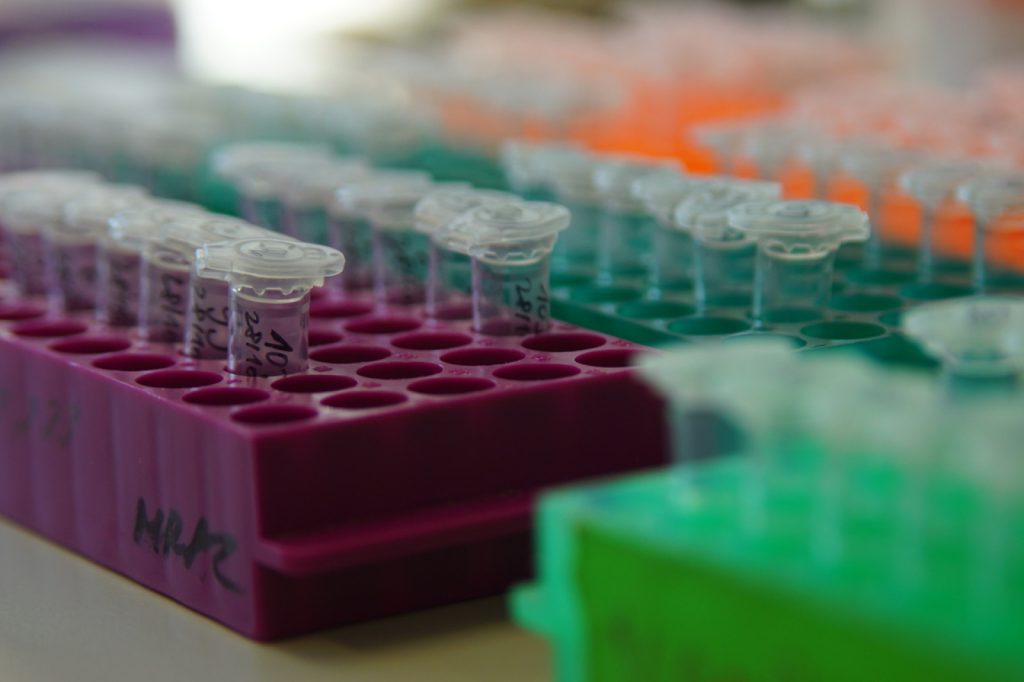



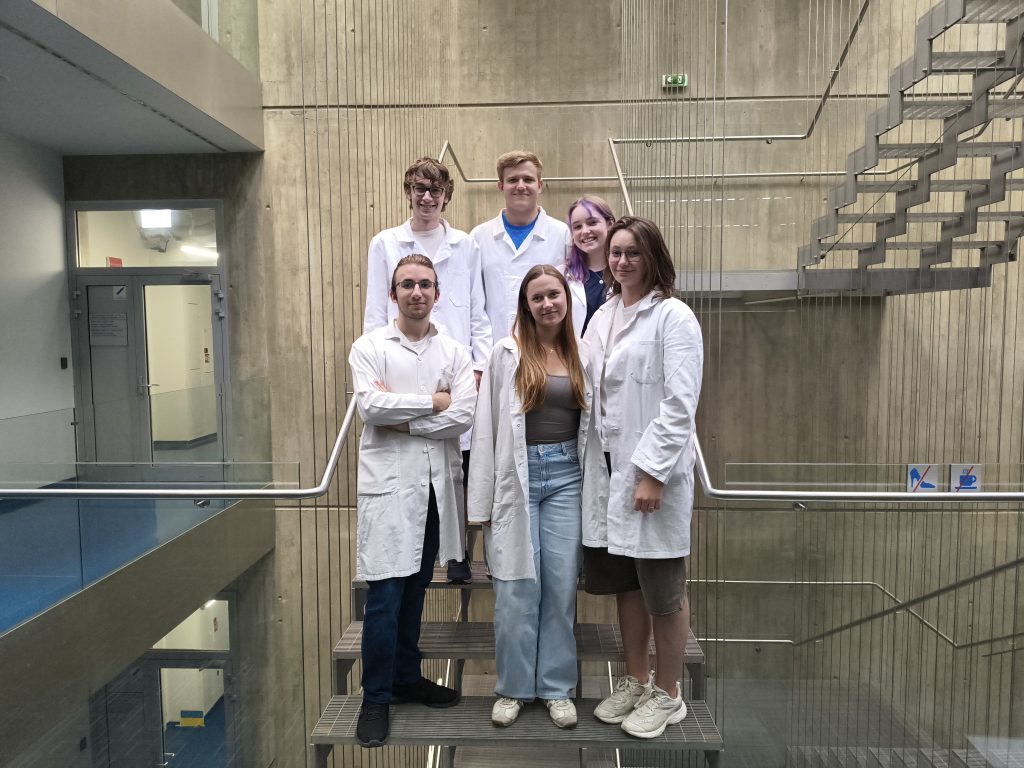
Six selected secondary school students spent the last week of August somewhere they would rarely get to go as part of their regular classes – working directly in research laboratories. The second edition of the NICR Summer School gave them five days of hands-on experience under the guidance of experienced scientists and an opportunity to explore different areas of cancer research – from working with cancer cells and biochemistry to drug development and the study of alterations in the cancer genome.
The NICR Summer School took place from 24 to 28 August 2026, building on the successful first edition held during last year’s summer holidays. The programme is designed for students about to enter their final year of secondary school who are interested in the natural sciences and are nominated by their teachers. This year’s participants came from Jiří Orten Grammar School in Kutná Hora, Christian Doppler Grammar School, Professor Jan Patočka Grammar School, Přípotoční Grammar School and Mensa Grammar School in Prague, as well as the Secondary Medical School in Beroun.
“We want to show young people what research is really like – by giving them direct experience in the laboratory and the opportunity to interact with people who engage in research every day. Such an experience can help them make decisions about their future studies and perhaps inspire some of them to pursue a career in science,” says Aleksi Šedo, Director of NICR.
Five days, five different perspectives on research
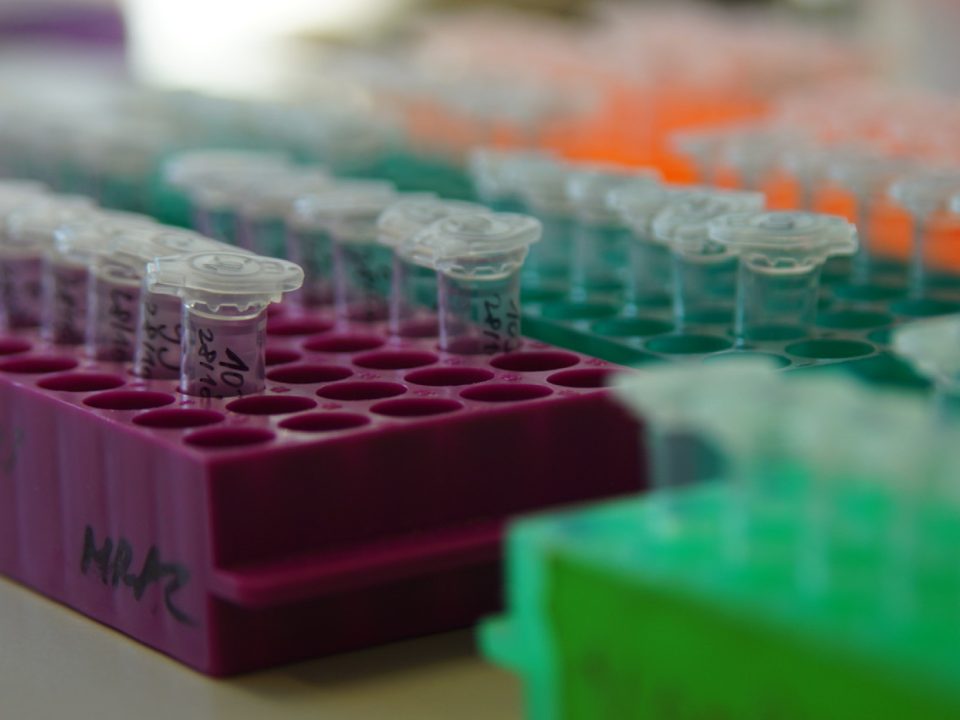
The programme began at the Institute of Biochemistry and Experimental Oncology of the First Faculty of Medicine, Charles University, where the students worked with glioblastoma and osteosarcoma cancer cell cultures under the guidance of Martin Sztacho from the Laboratory of Cancer Cell Architecture. The first day was also linked to the final part of the Summer School, as the biological material prepared by the students was later used as a starting point for investigating alterations in the cancer genome.
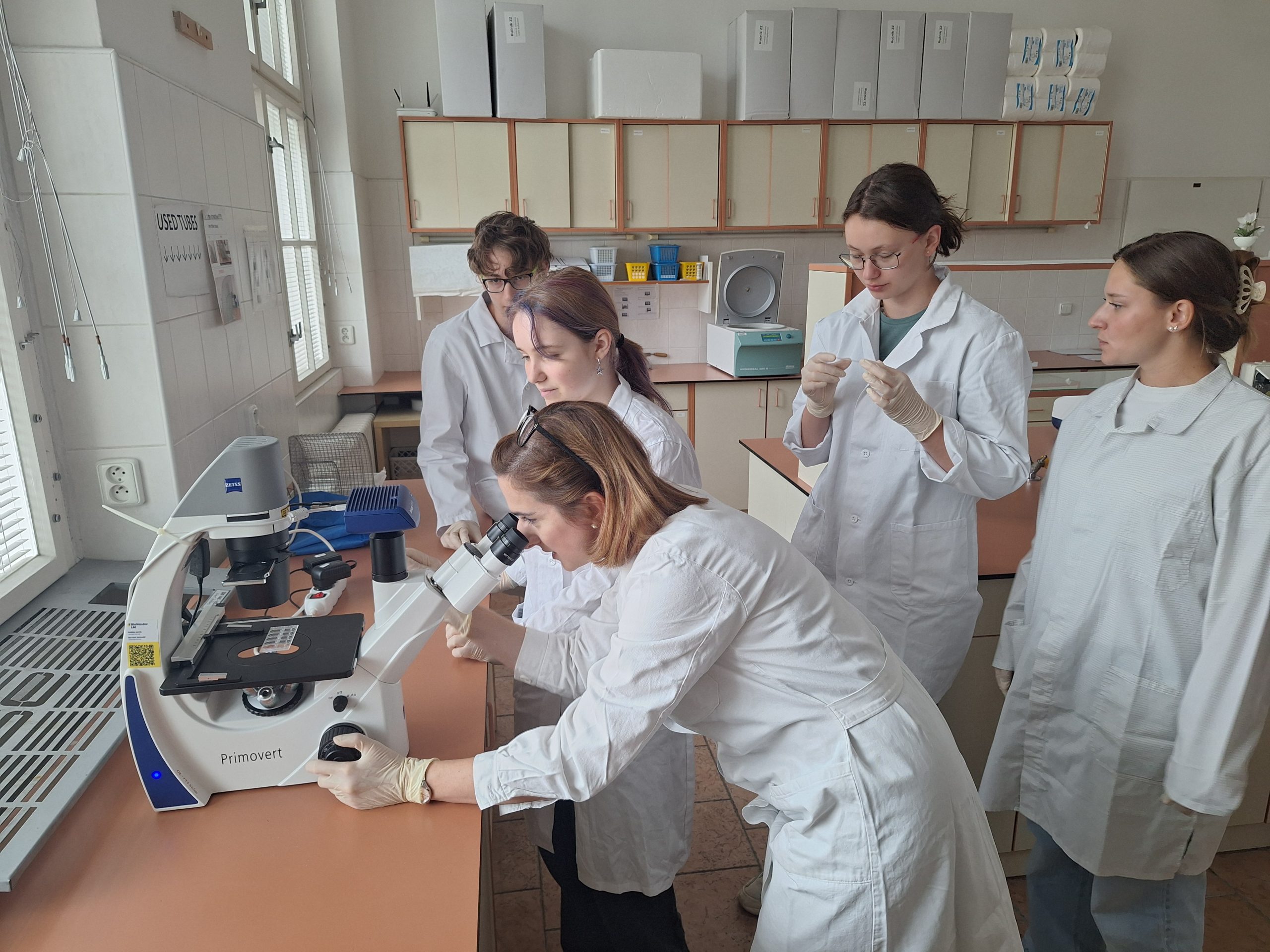
The participants spent their second day at the First Faculty of Medicine as well. Ivana Matrasová, Magdalena Houdová Megová and Eva Balážiová from the Laboratory of Cancer Cell Biology prepared a workshop focusing on the use of biochemical and microscopic methods in cancer diagnostics. Using a model case of a kidney tumour, the students worked their way from examining biological material through interpreting the results of various tests to reaching a diagnosis.
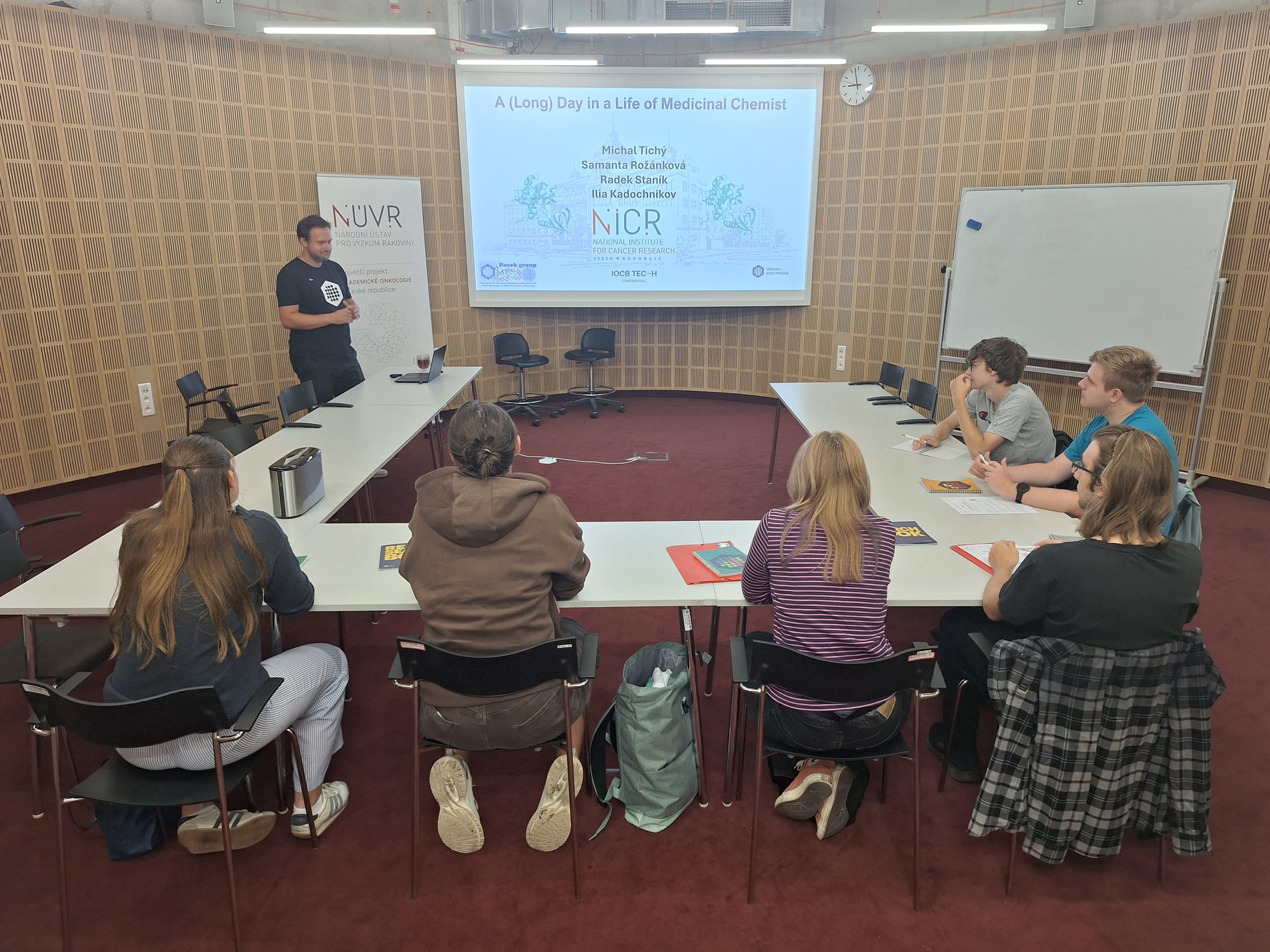
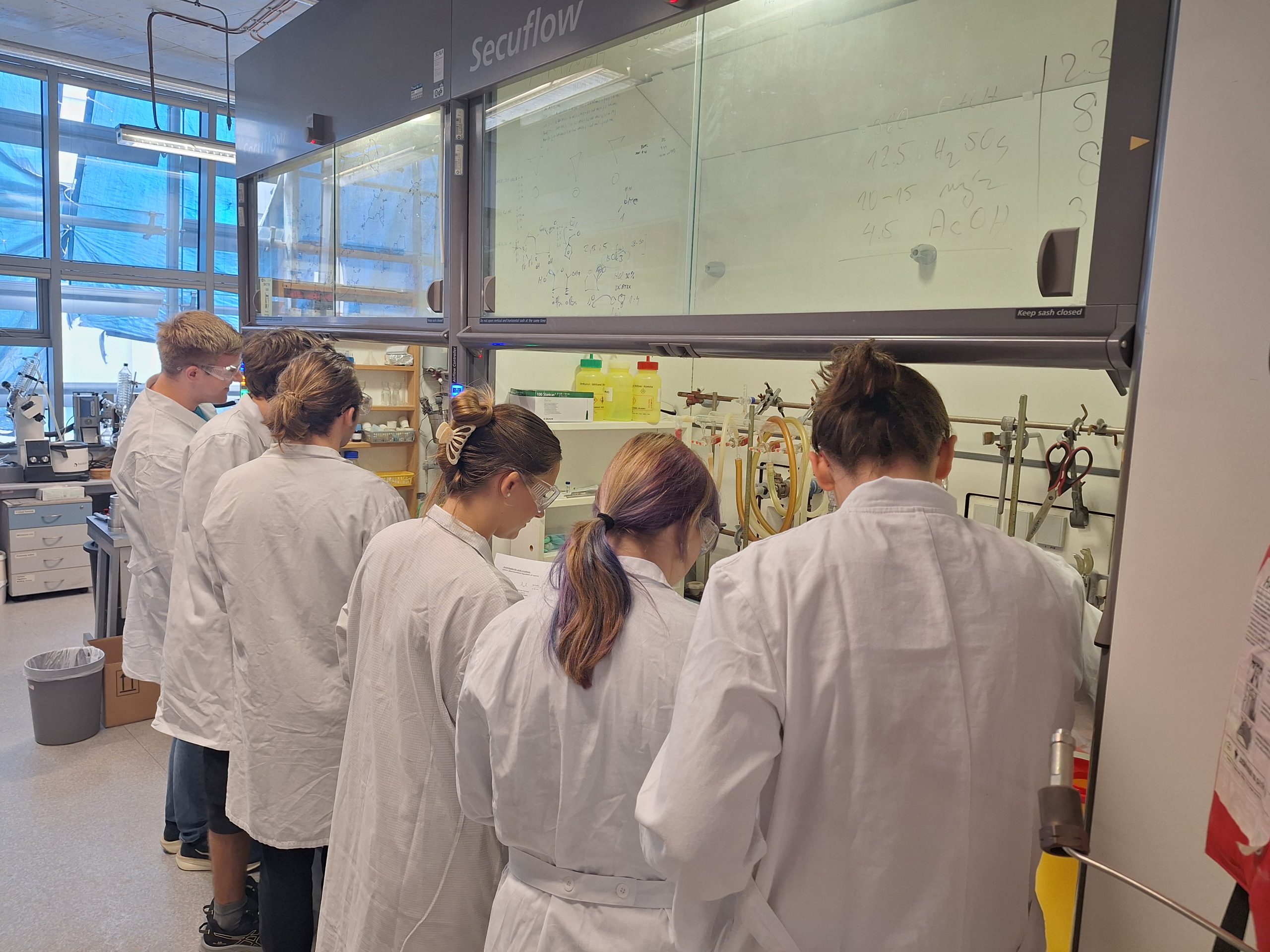
On Wednesday, the Summer School moved to the Institute of Organic Chemistry and Biochemistry of the Czech Academy of Sciences, where Michal Tichý and his colleagues introduced the students to the world of medicinal chemistry and the long journey from an idea for a new molecule to a potential drug. The programme combined a theoretical introduction to drug development with hands-on laboratory work, during which the participants synthesised acetylsalicylic acid and subsequently analysed the resulting product.
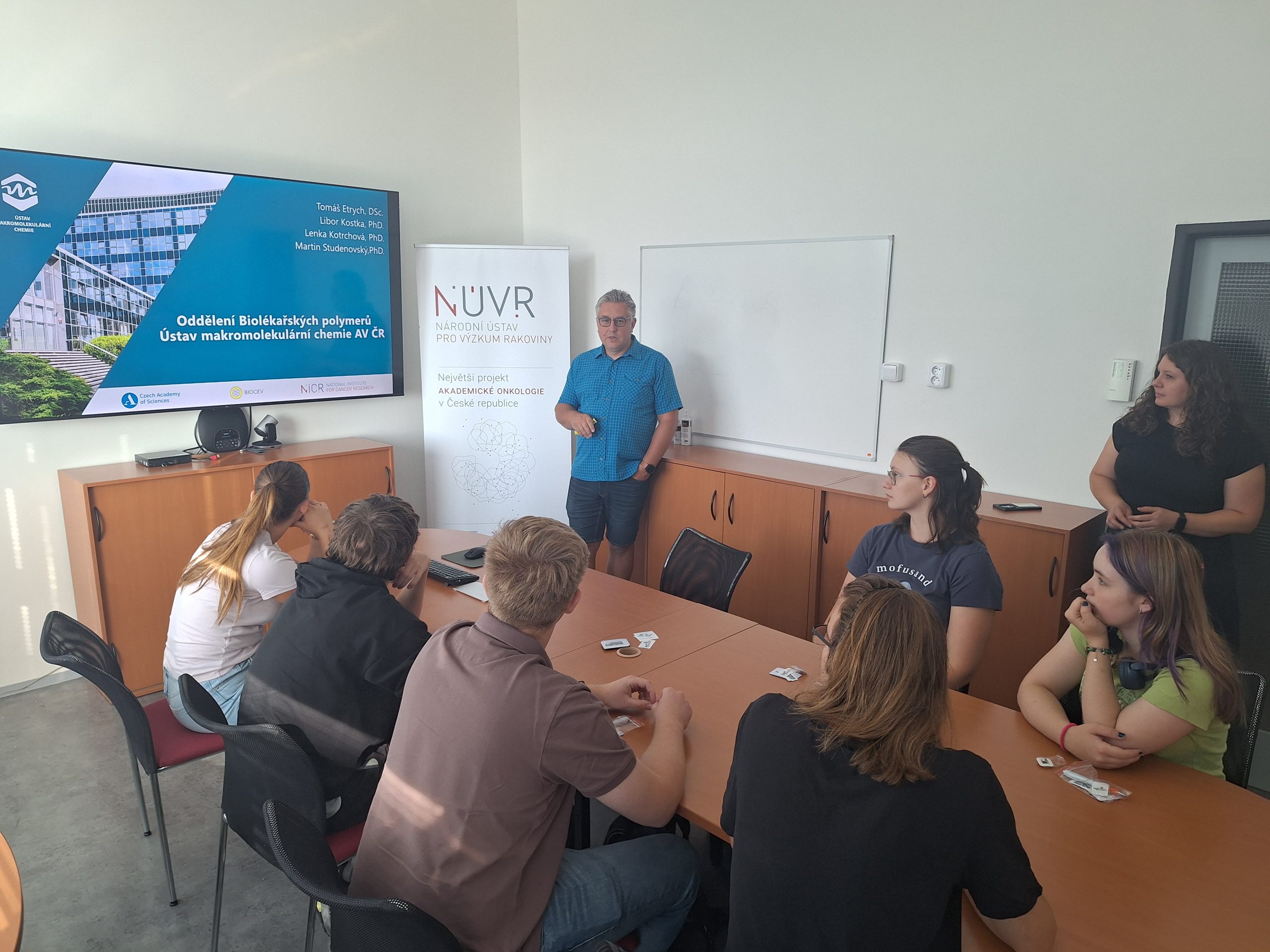
The fourth day was hosted by the Biomedical Polymers Group at the Institute of Macromolecular Chemistry of the Czech Academy of Sciences. Under the guidance of Libor Kostka, Lenka Kotrchová and their colleagues, the secondary school students followed the “journey of a polymer drug” – from the synthesis of a polymer material and the attachment of a drug or diagnostic label to the characterisation of the resulting product. In this way, they learned about the development of polymer materials and their potential applications in targeted drug delivery and cancer diagnostics.
The circle was completed on Friday at the Laboratory of Genomics and Bioinformatics of the Institute of Molecular Genetics of the Czech Academy of Sciences. Together with Michal Kolář, Jana Šáchová, Miluše Hradilová and their colleagues, the students returned to the cancer cells they had worked with on the first day and focused on their DNA. The programme included DNA isolation, sequencing library preparation and bioinformatic analysis of the resulting data, with the aim of identifying alterations in the genome of the cancer cells.
The final day was also captured by a TV Nova crew. A report broadcast on the Televizní noviny news programme showed the secondary school students at work in the laboratories and highlighted the project’s main objective – to encourage young people’s interest in scientific research.
Through the participants’ eyes
The final evaluation showed how the students viewed their five days in the laboratories. The Summer School received an average score of 9.5 out of 10, with four of the six participants giving it the highest possible rating. They also rated their own level of involvement in laboratory work very highly, with an average score of 4.83 out of 5.
In their open-ended responses, the students particularly appreciated the opportunity to work independently, try laboratory methods for themselves and talk directly with scientists. One student highlighted not only the laboratory work itself but also the “tremendous openness and kindness” shown by the instructors. Several students said that the Summer School had even exceeded their expectations. Perhaps even more importantly, the week helped the young participants think about what they might want to do in the future. Half of them said that after completing the Summer School they were much more interested in pursuing research than they had been before. For others, the experience helped them clarify their future direction, with students considering fields including chemistry, physics, genetics, pharmacy and medicine.
Five demanding days – passed with flying colours
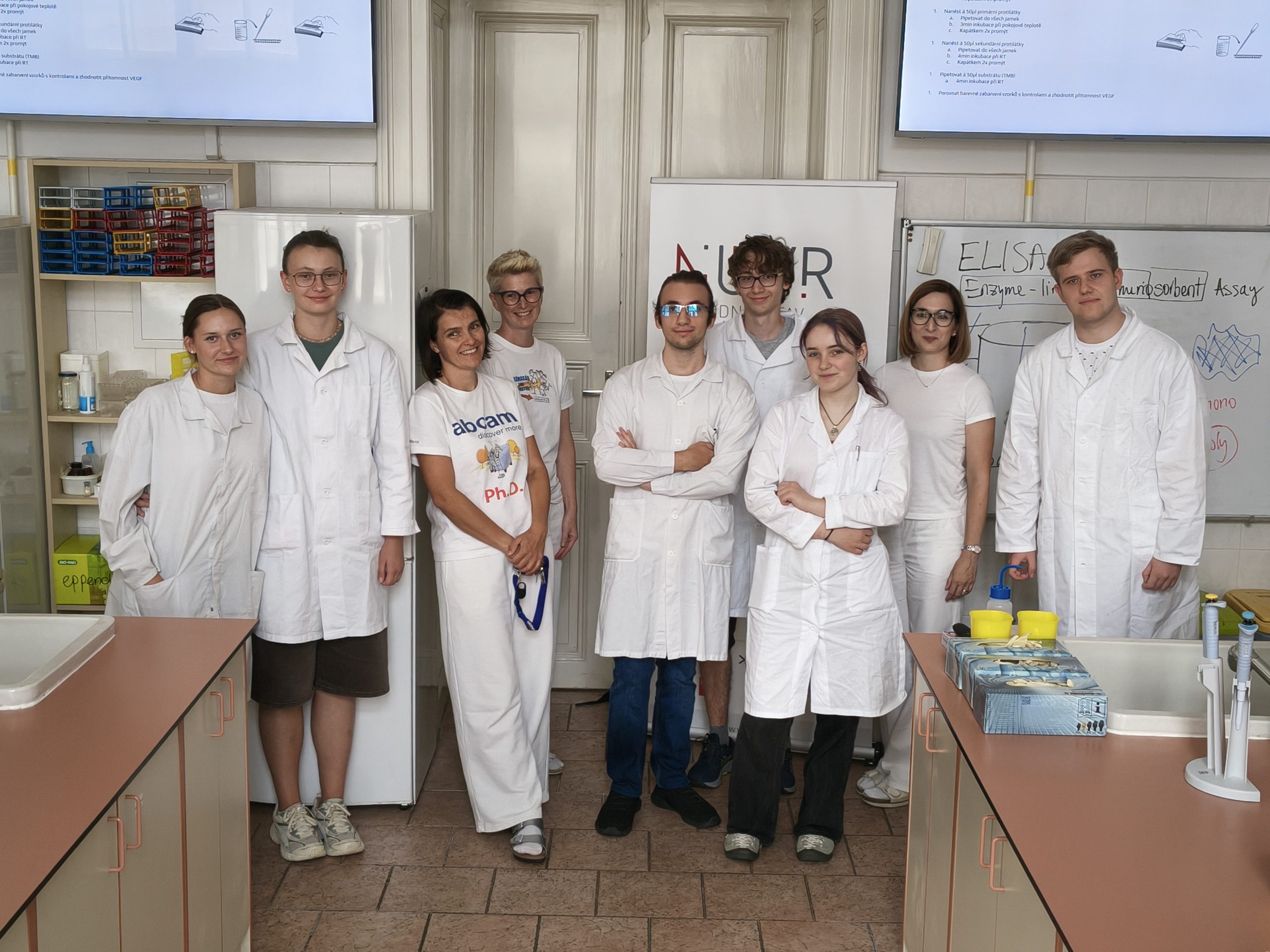
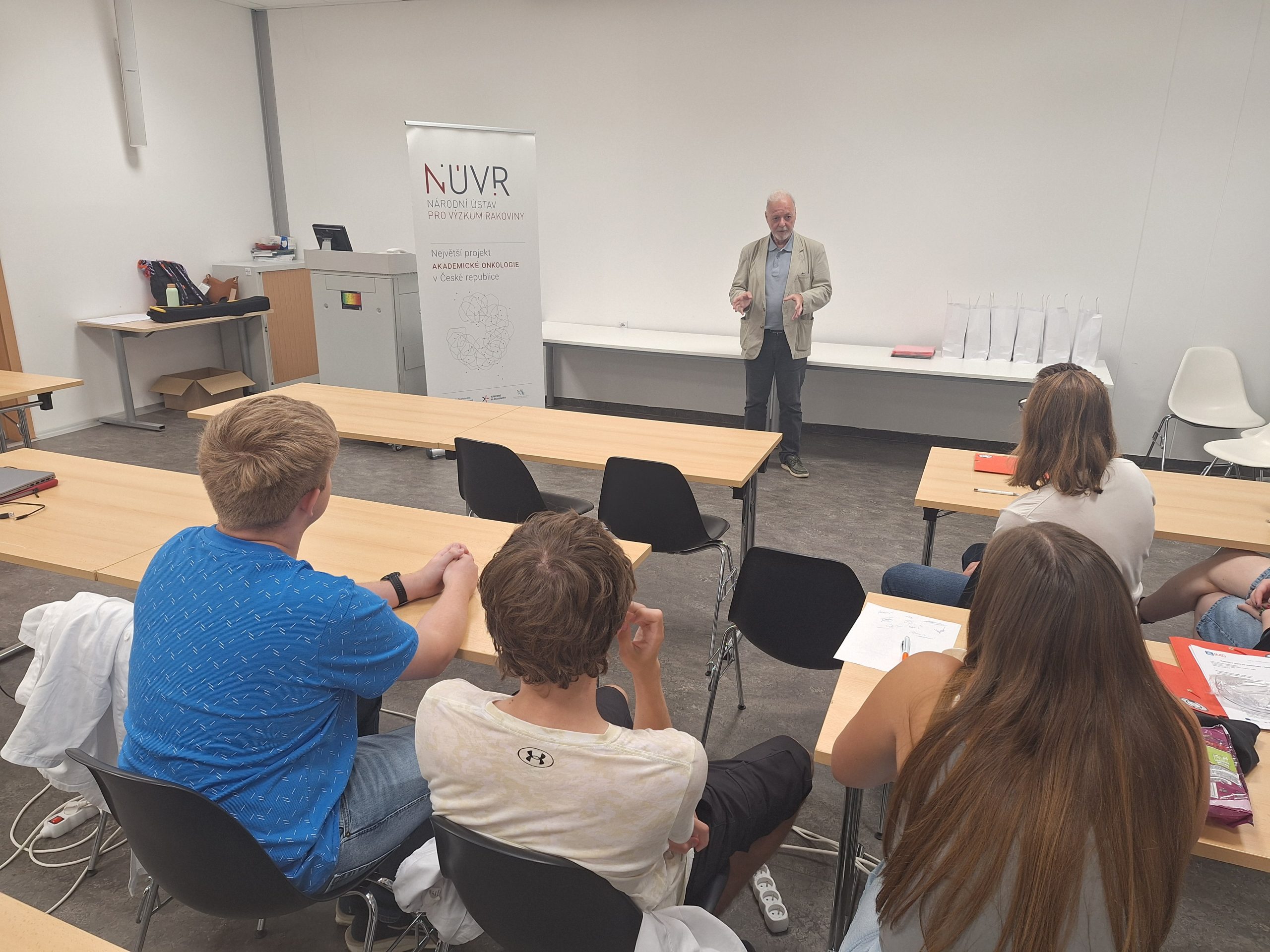
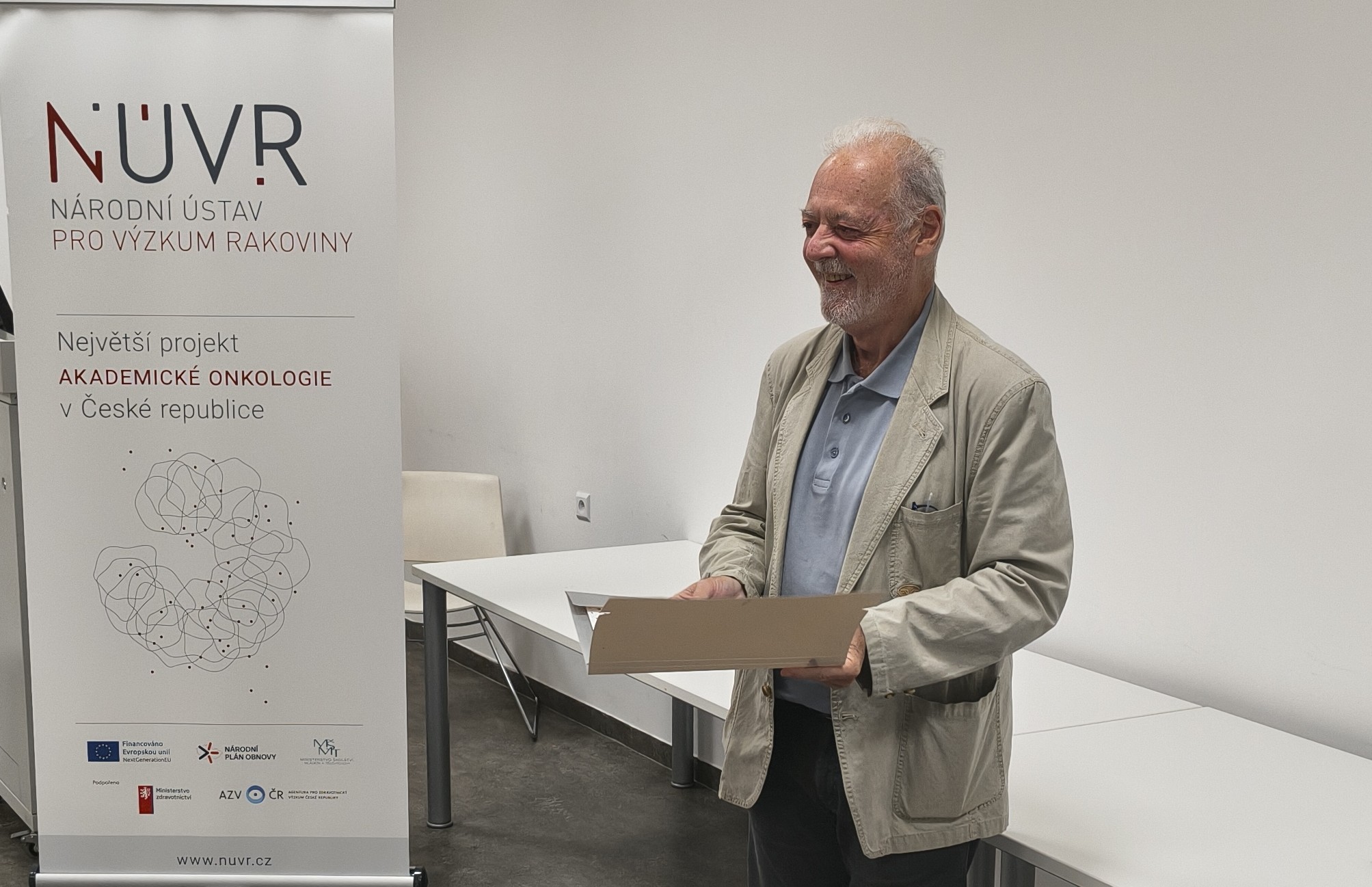
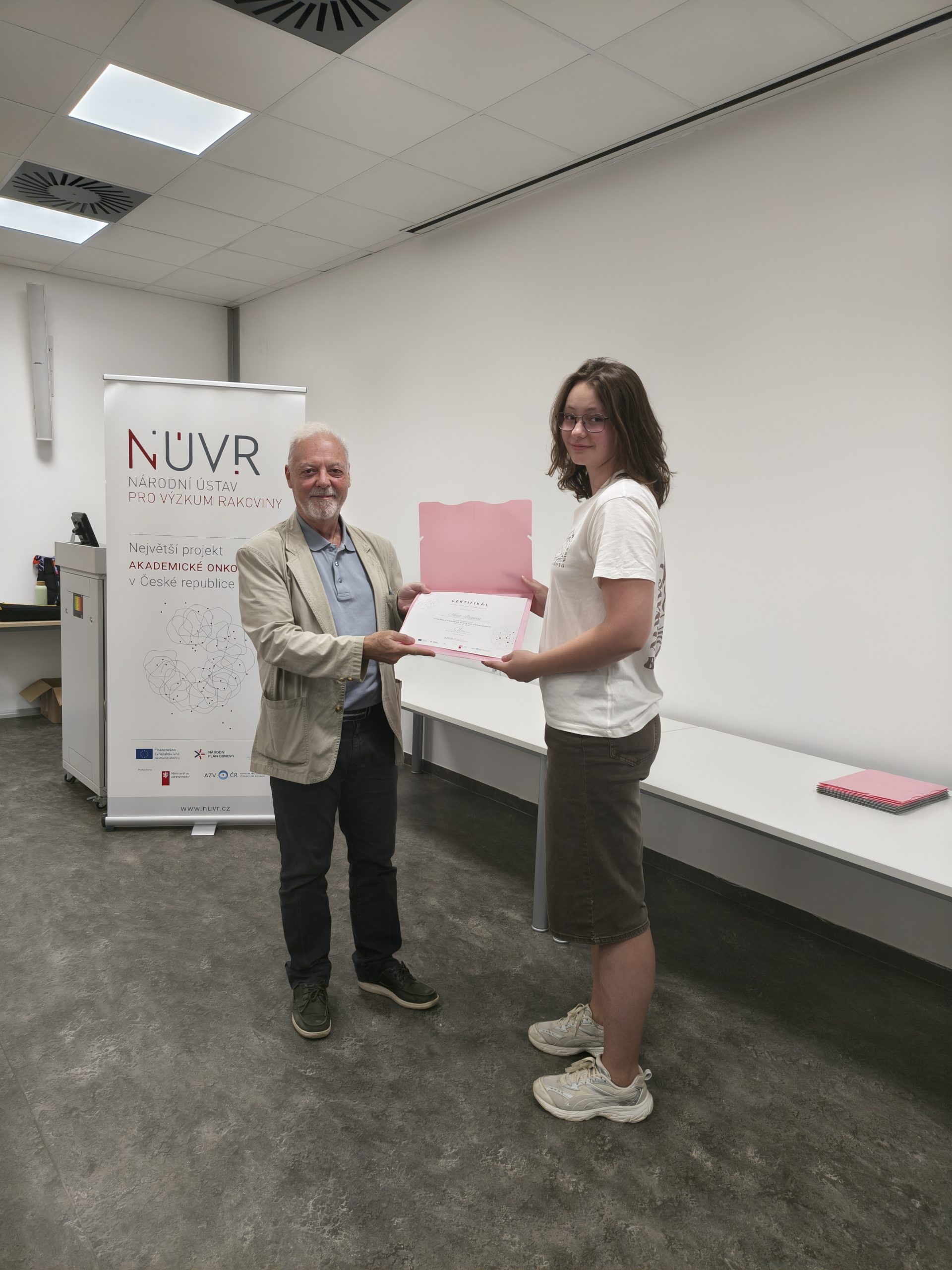
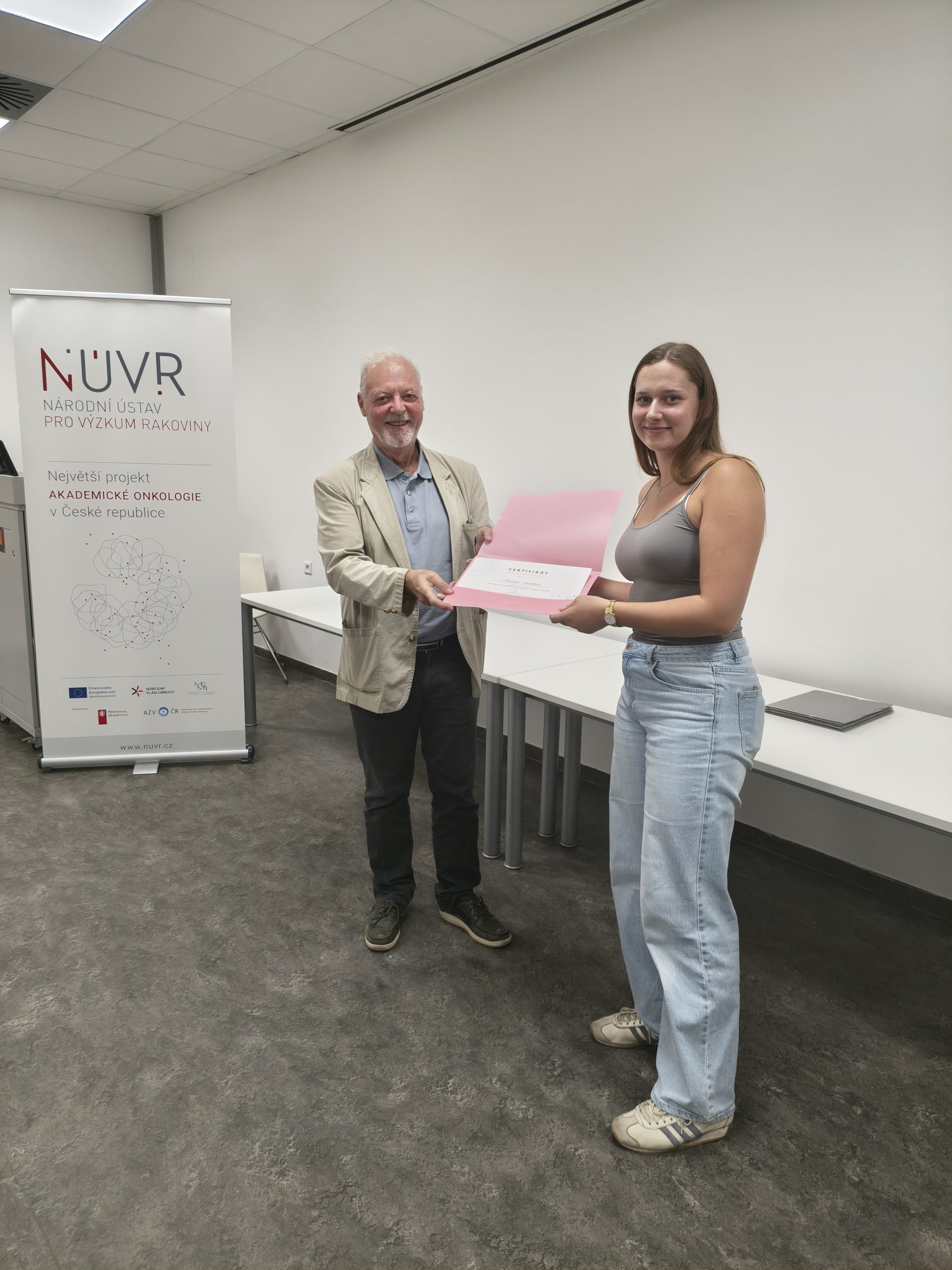
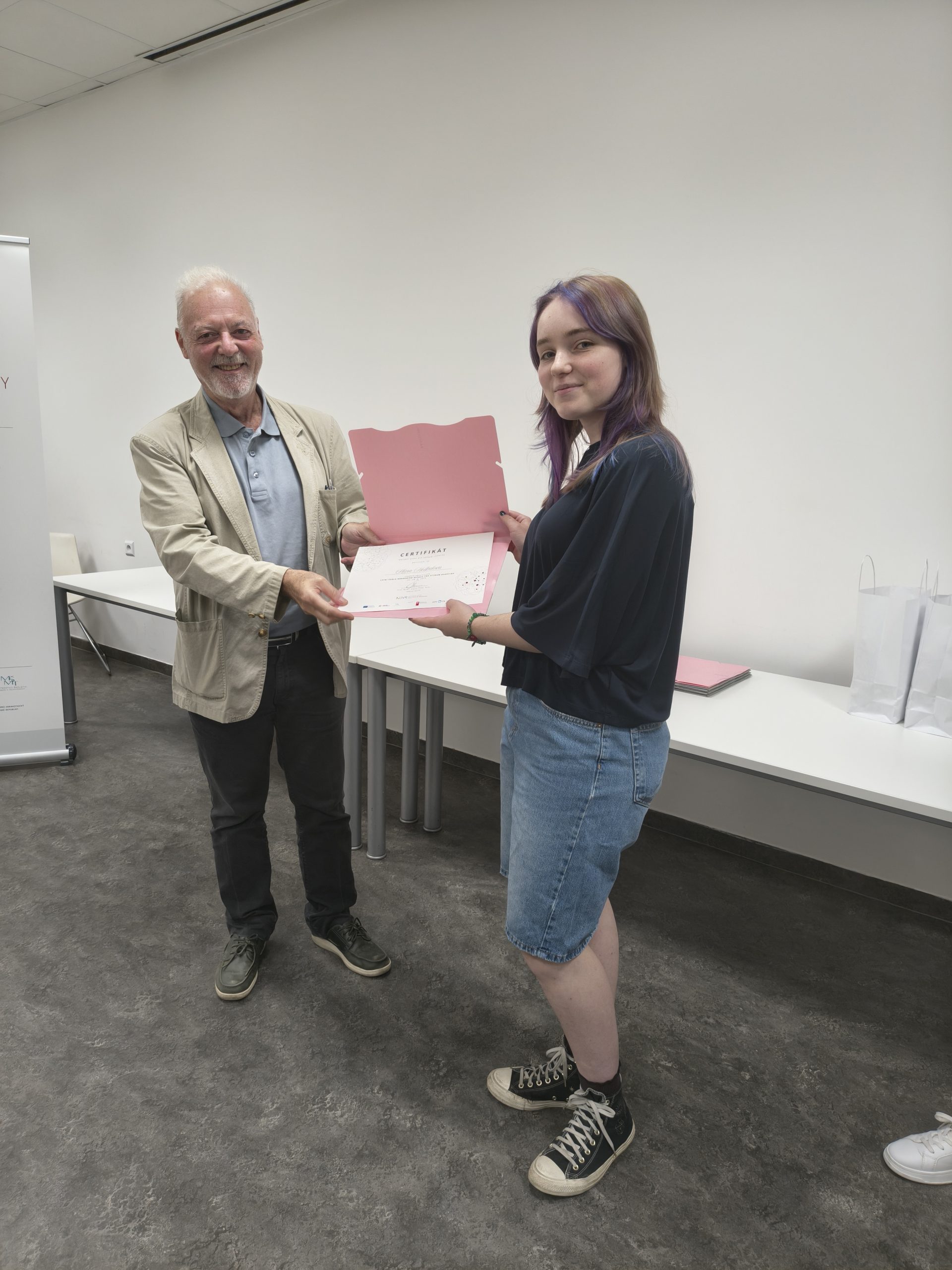
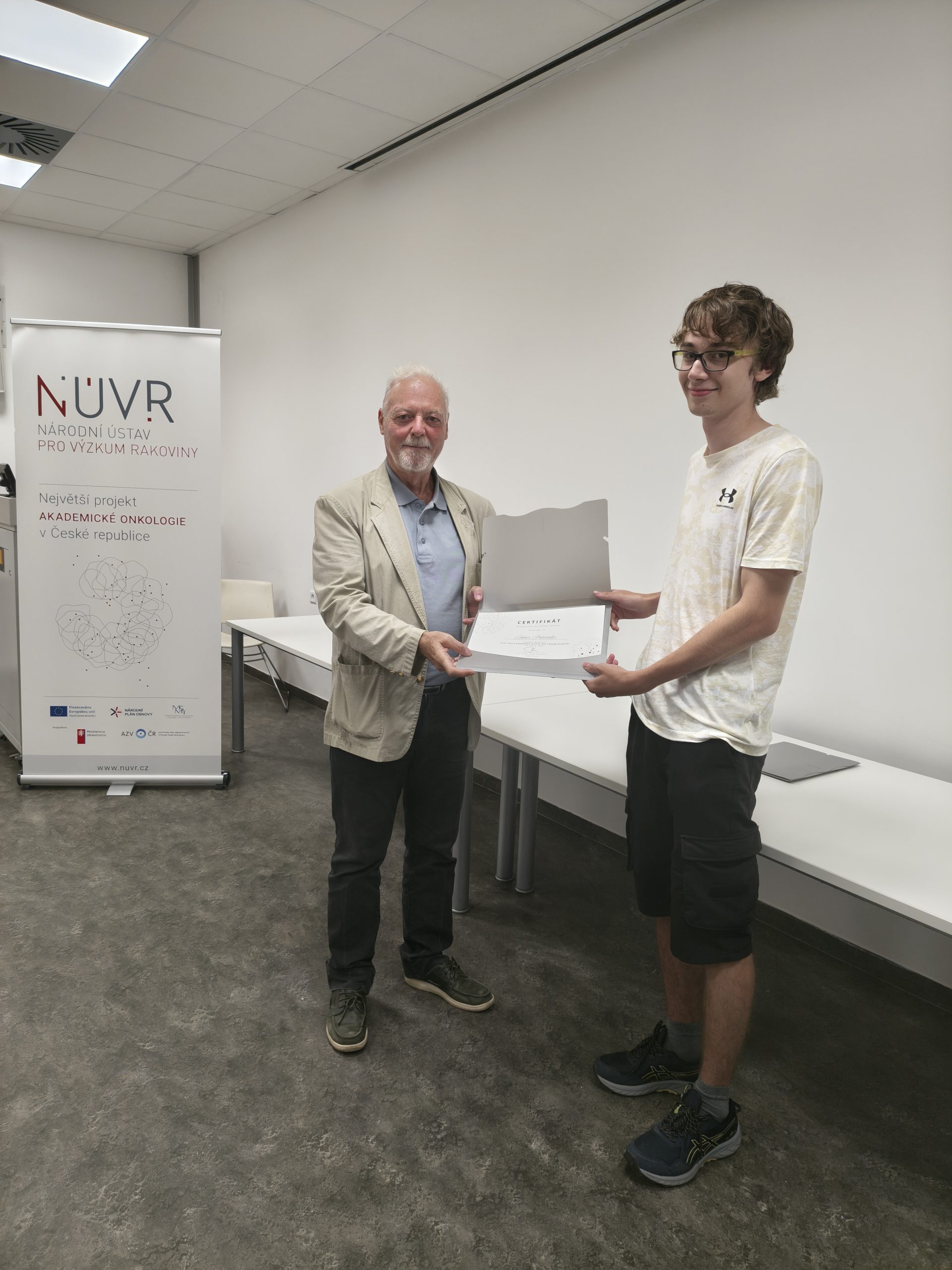
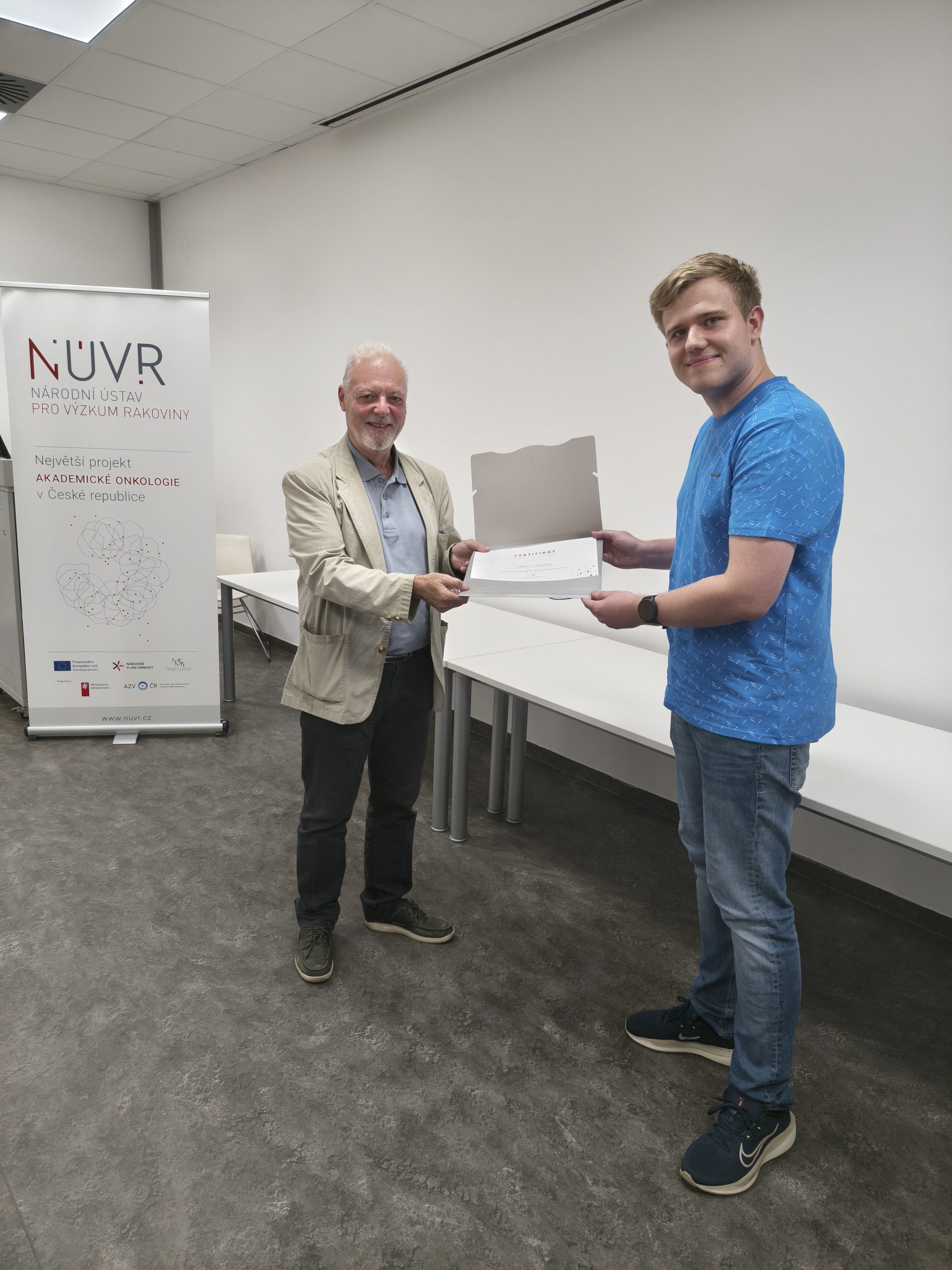
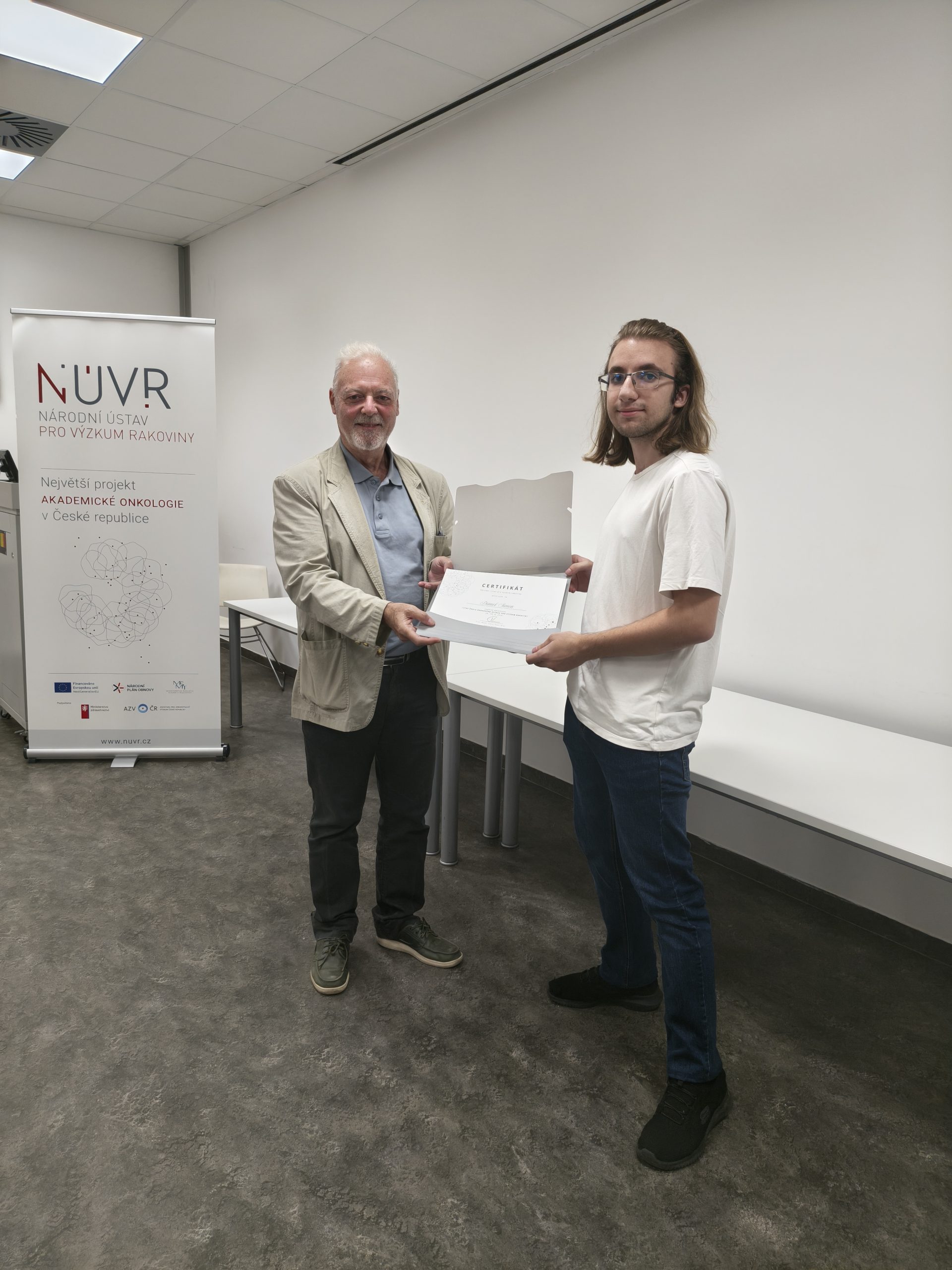
At the end of the NICR Summer School, all participants received certificates of completion from Luca Vannucci, who has long been involved in the career development of young scientists. He noted that spending an entire week in research laboratories gives secondary school students an opportunity to experience science in a way that regular classroom teaching cannot provide, offering them valuable first-hand insight into the environment of real-world research.
We would like to thank all the students who successfully completed five intensive days filled with new concepts, methods, experiments and hands-on laboratory work, and for their enthusiasm, motivation and valuable feedback. We are equally grateful to their teachers, who nominated them for the programme and continue to support their interest in the natural sciences.
Our sincere thanks also go to all the instructors who generously shared their time, experience, knowledge and enthusiasm for science with the students – Martin Sztacho, Ivana Matrasová, Magdalena Houdová Megová, Eva Balážiová, Michal Tichý, Samanta Rožánková, Ilia Kadochnikov, Radek Staník, Libor Kostka, Lenka Kotrchová, Martin Studenovský, Vojtěch Krusberský, Michal Kolář, Jana Šáchová, Miluše Hradilová and Lucie Pfeiferová.