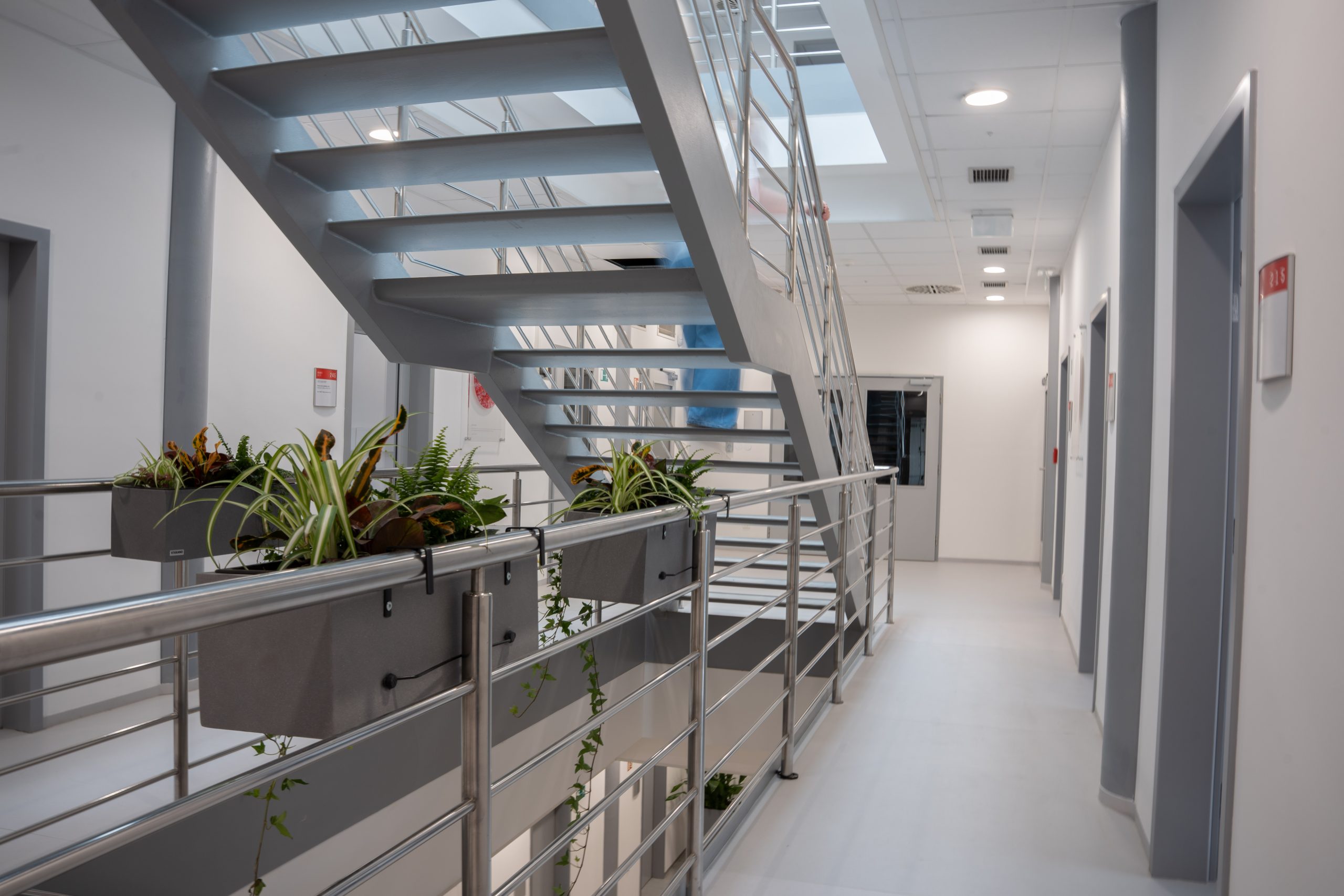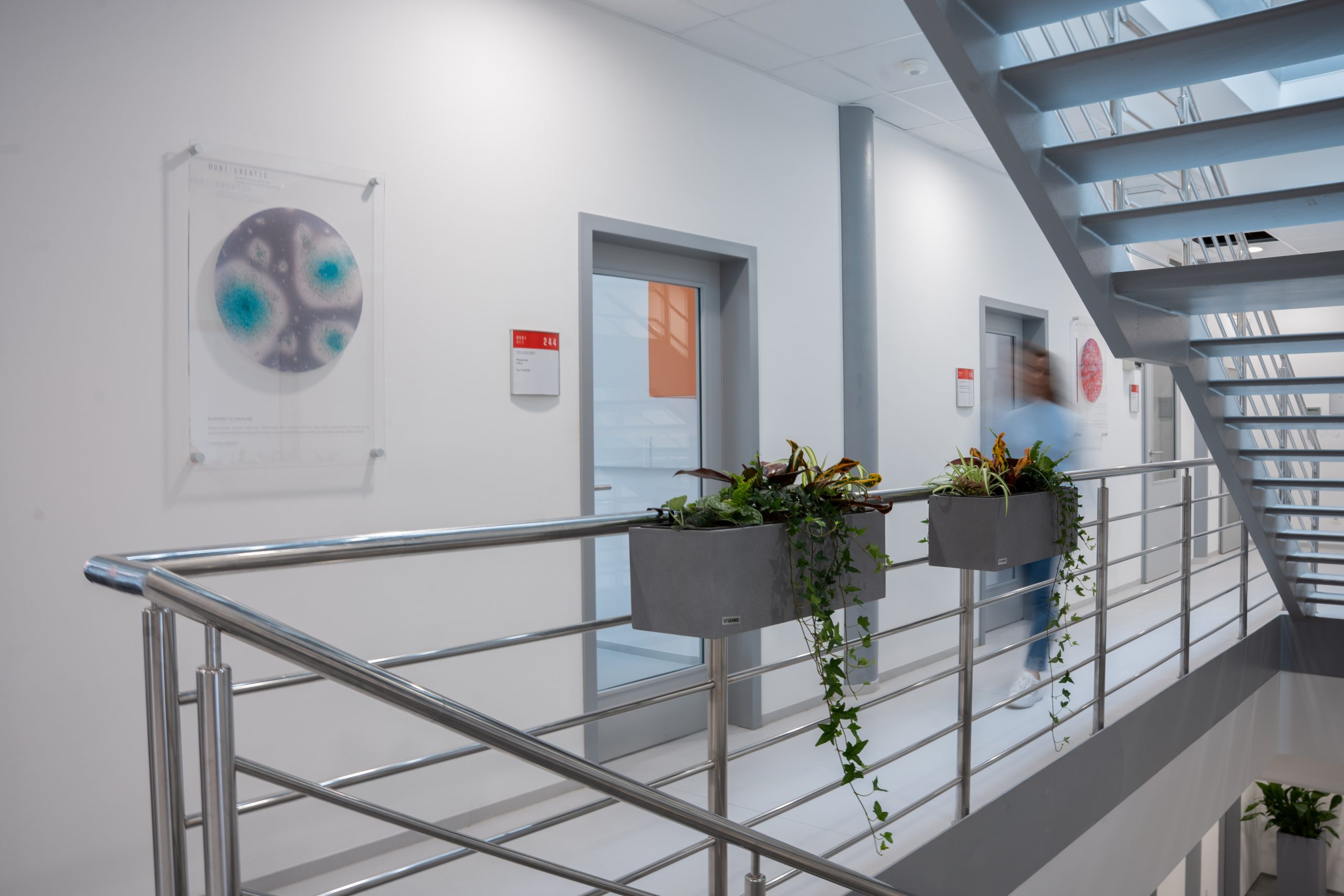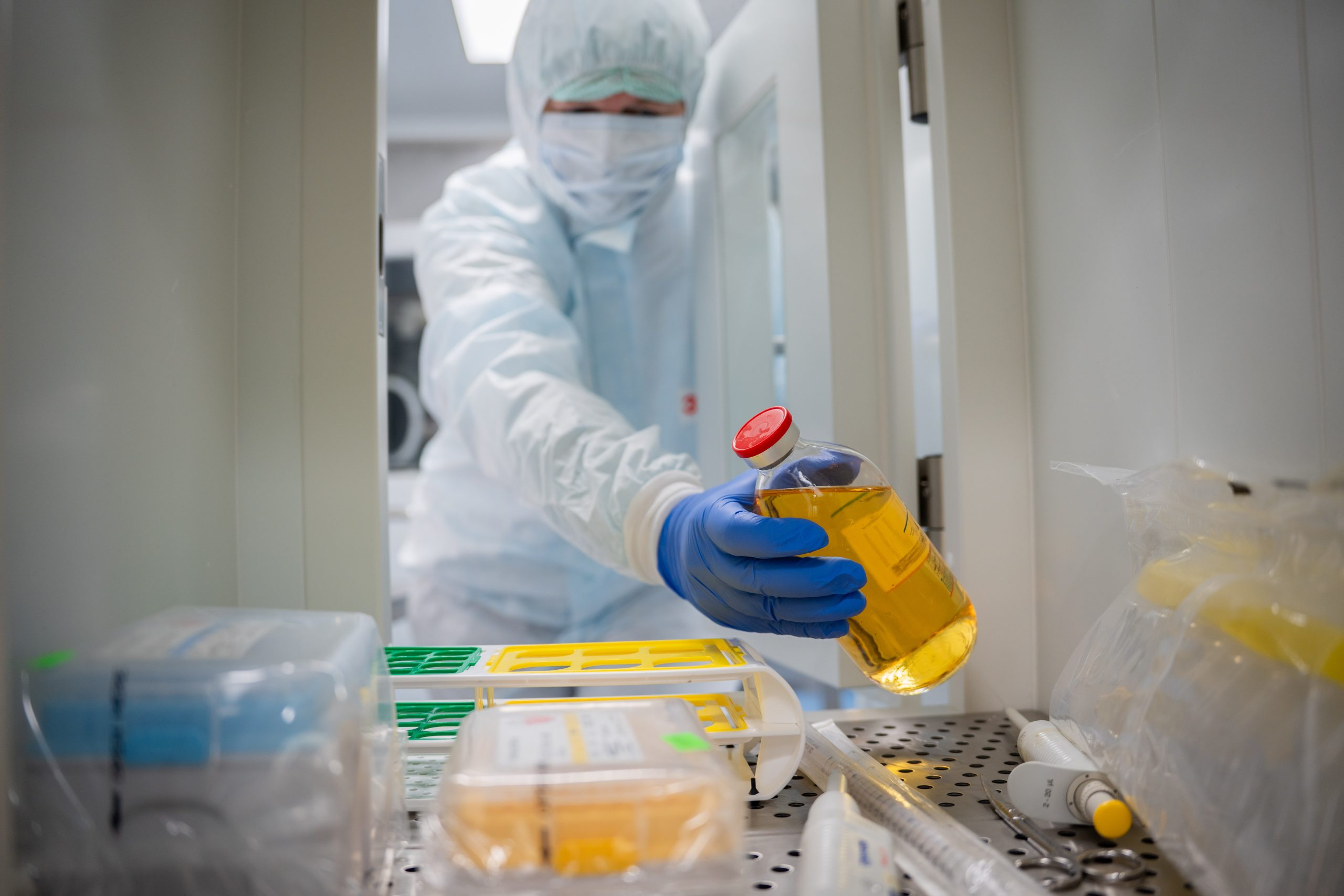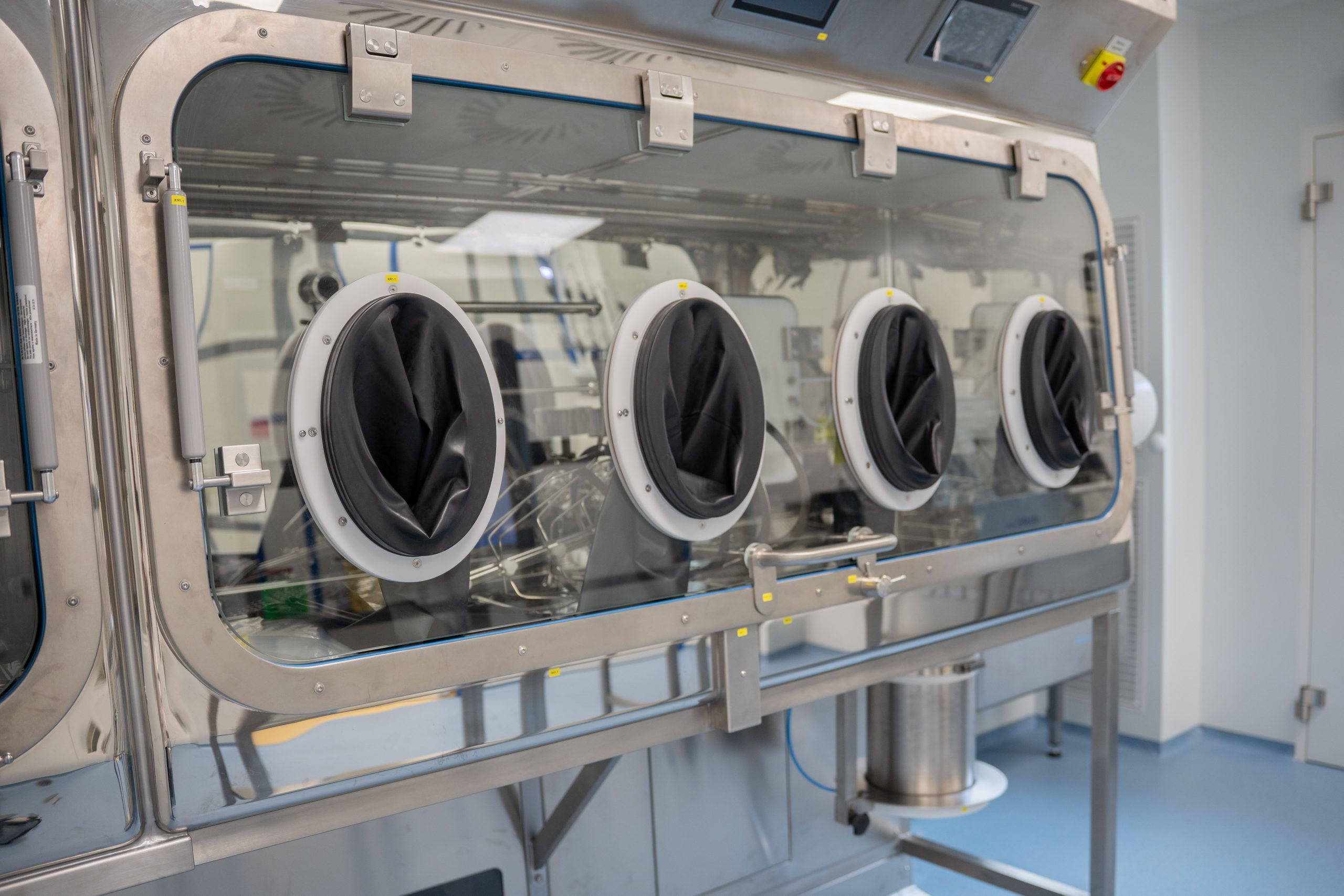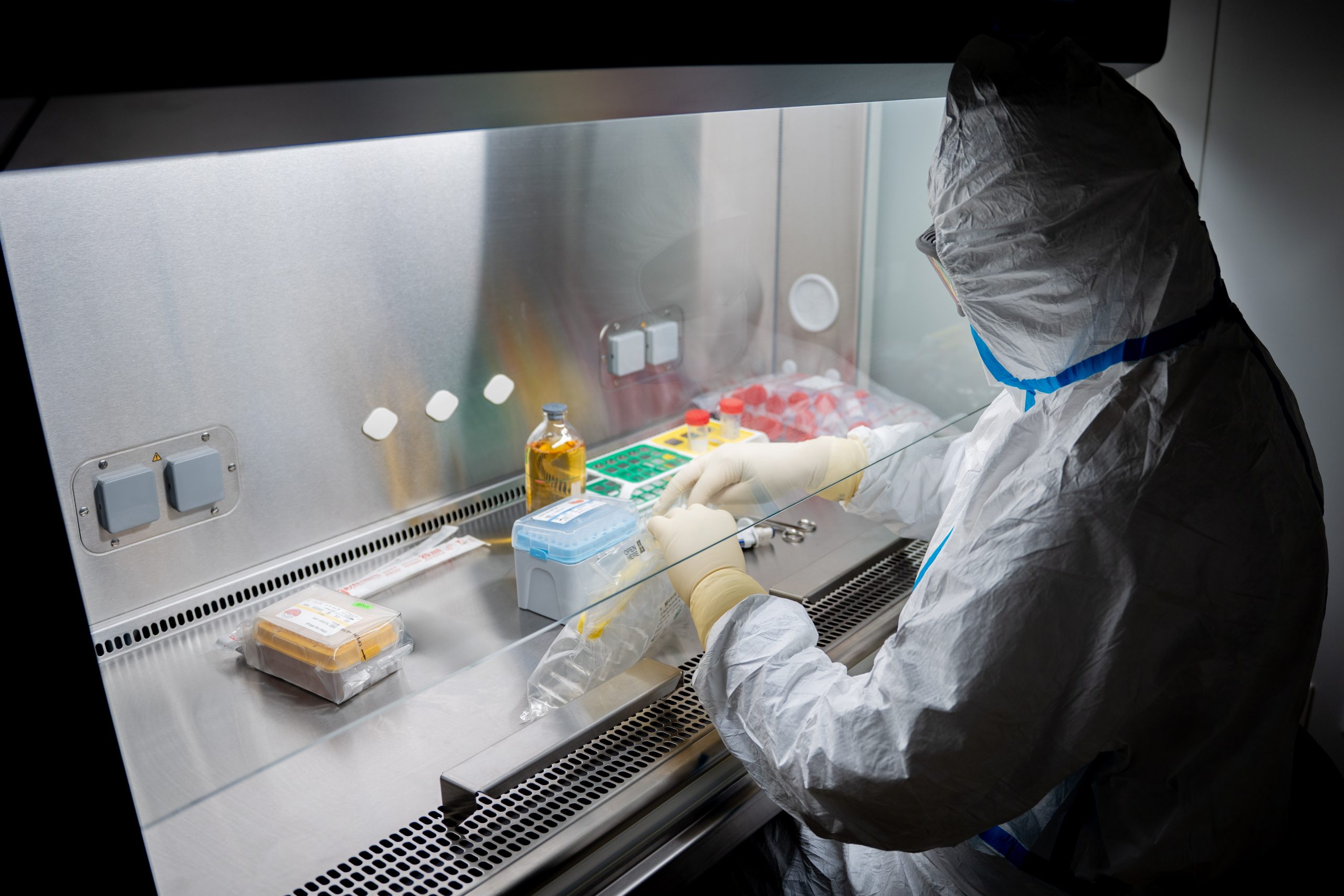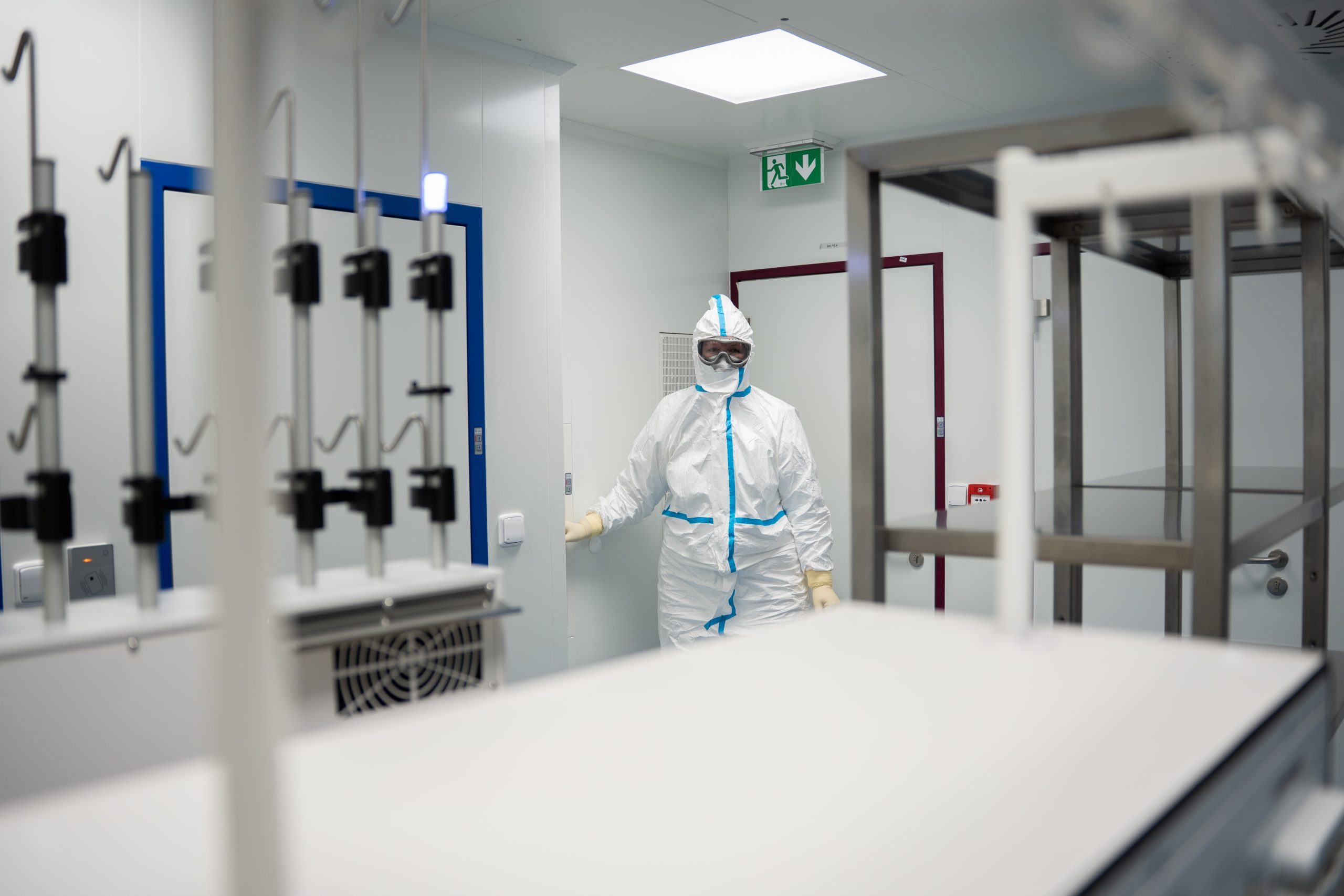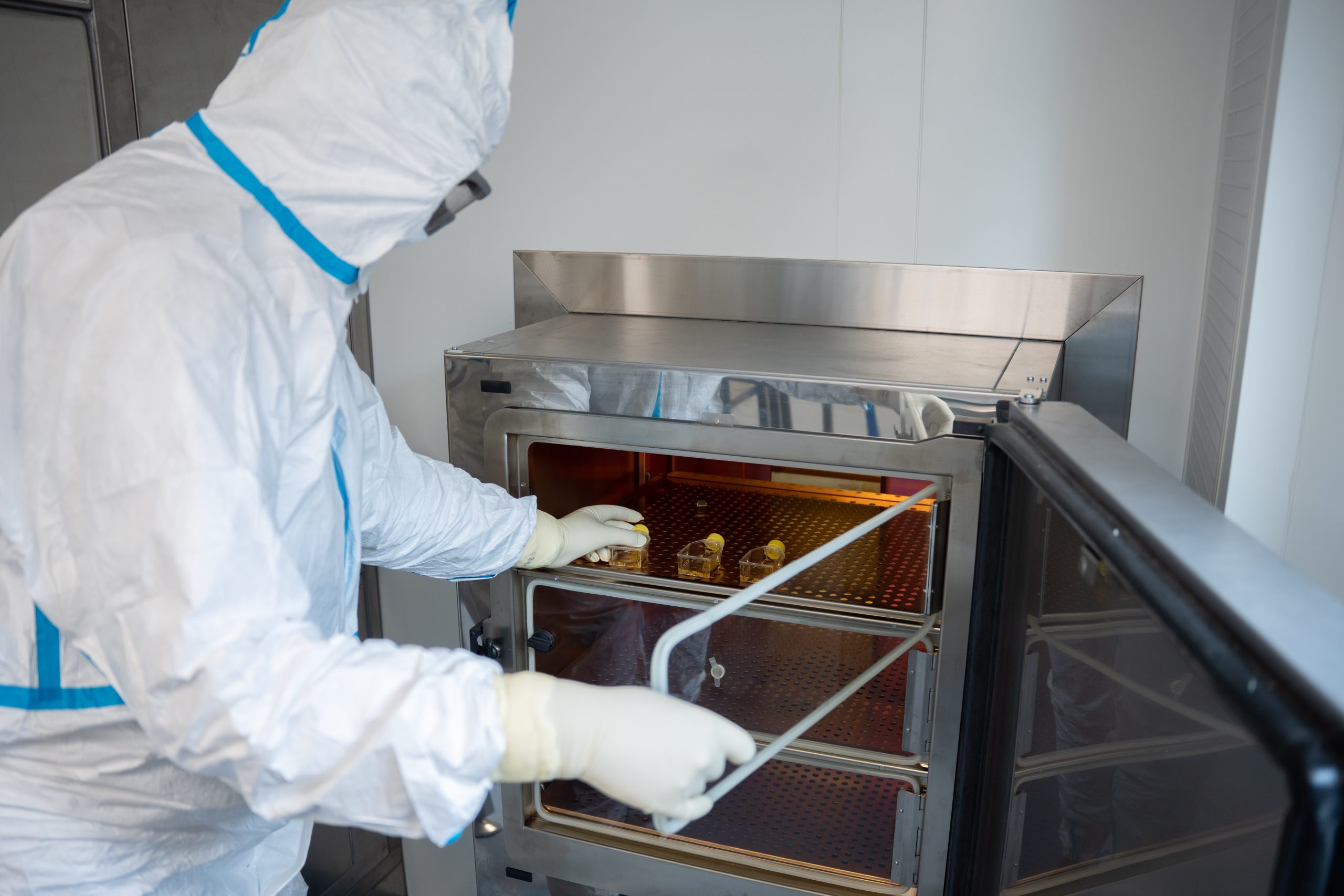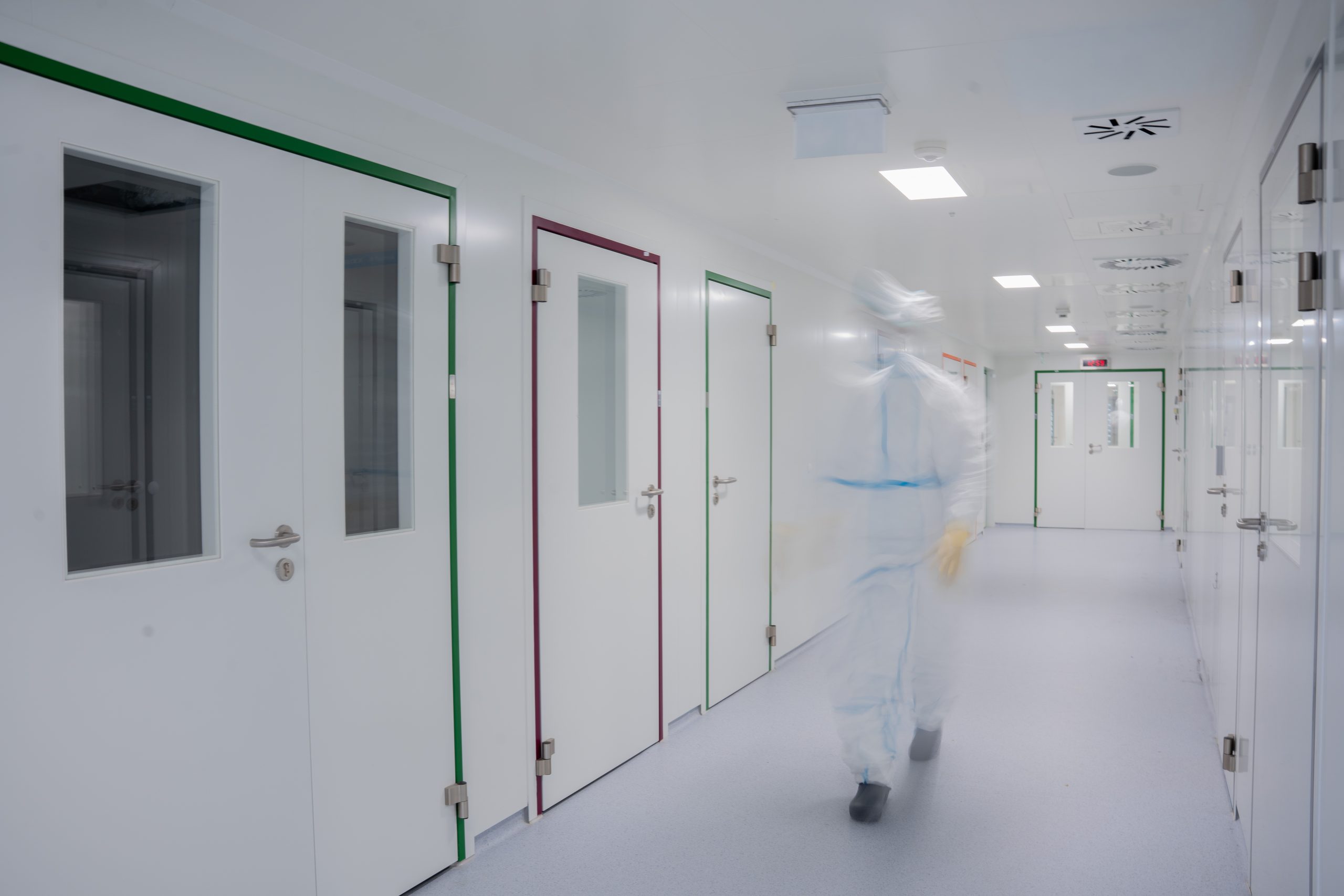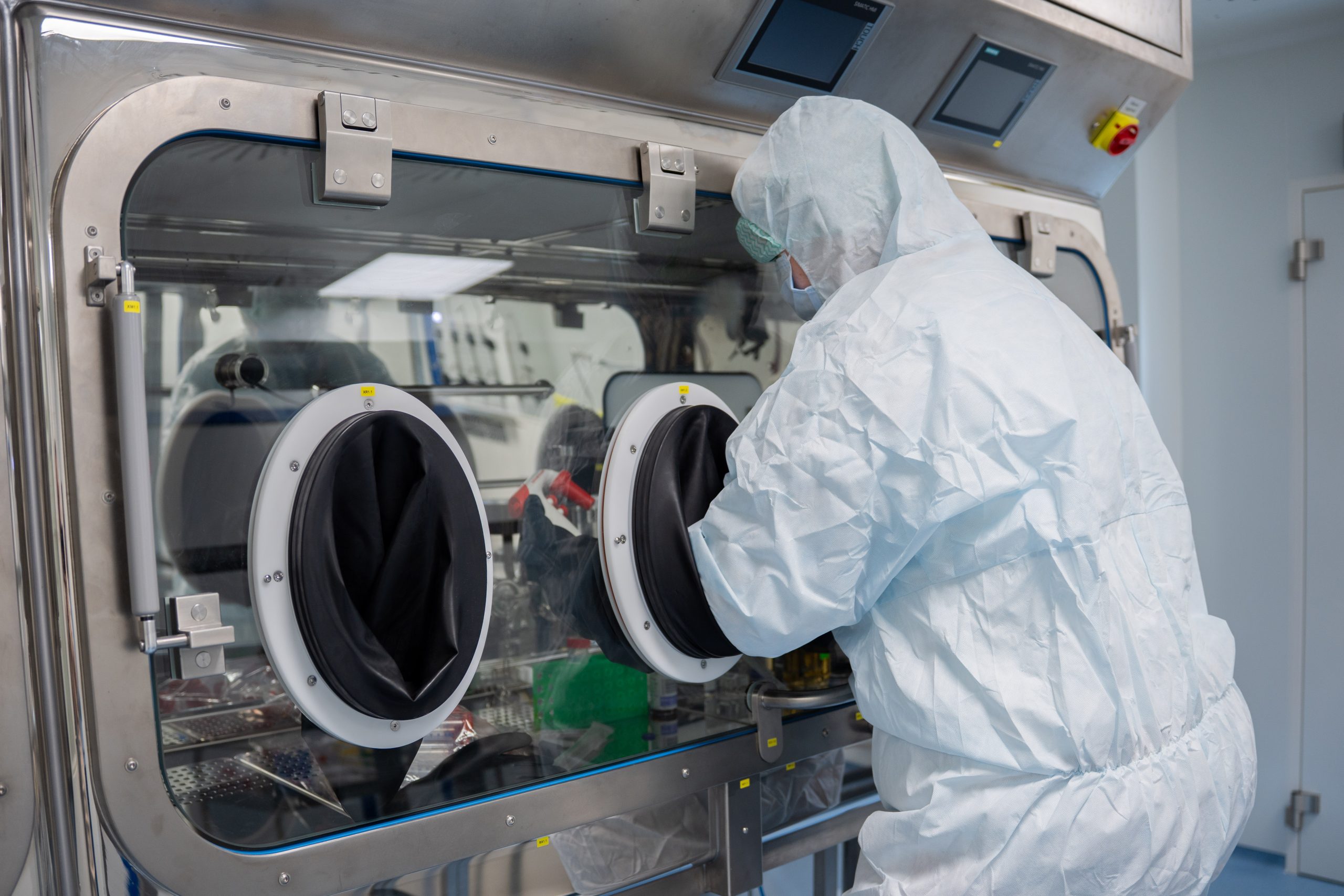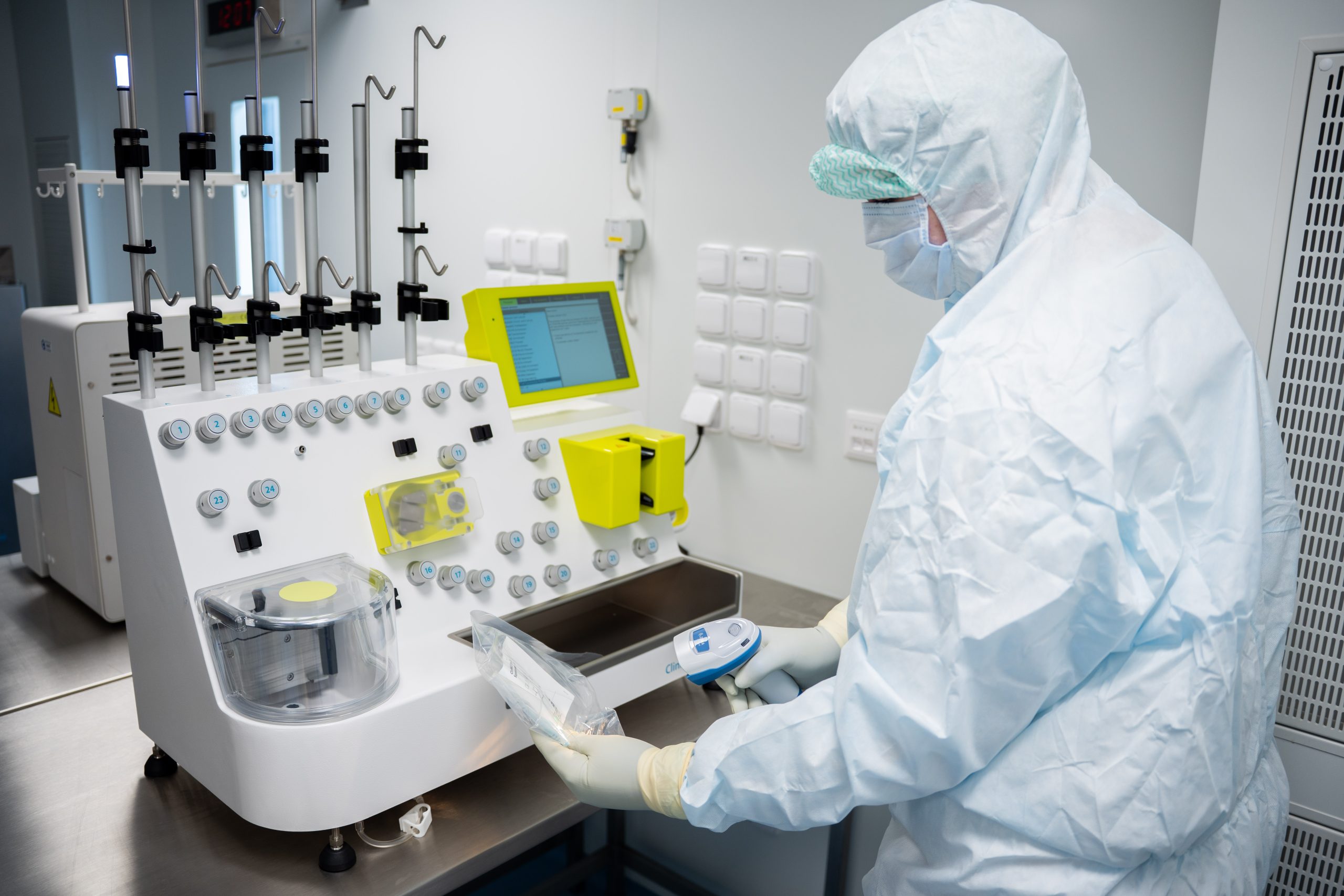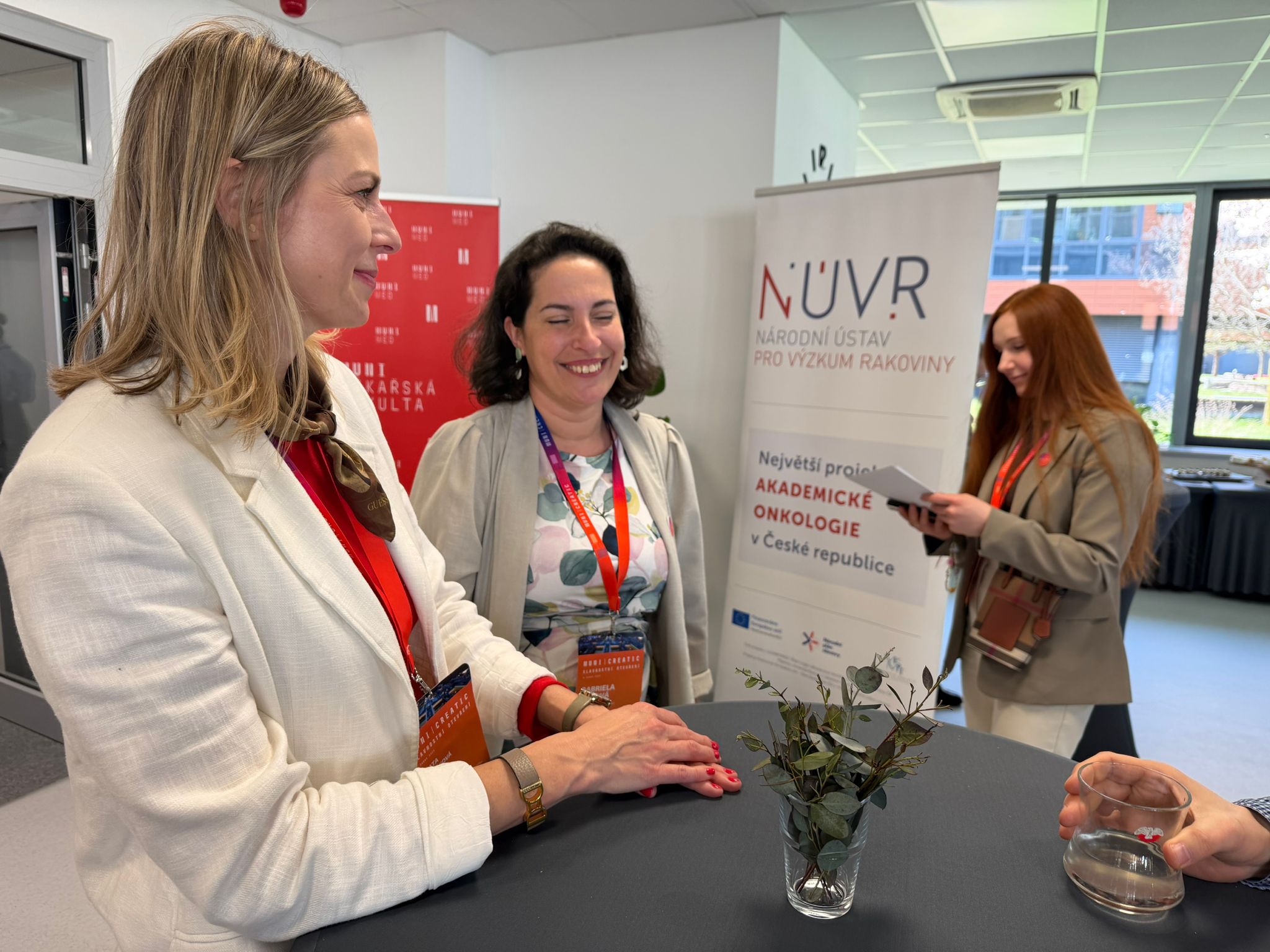



On April 8, new laboratories of the Centre of Excellence CREATIC, dedicated to the research, development, and manufacturing of advanced therapy medicinal products (ATMPs), were opened in the renovated pavilion at the University Campus Bohunice of Masaryk University. Teams from the NICR have also made a significant contribution to their development.
“From the very beginning of building the Centre of Excellence CREATIC, our focus has been on patients with rare diseases, for whom sufficiently effective treatment often does not exist. For these patients, access to innovative therapies can be absolutely crucial. In one place, we can thus cover the entire process of developing medicinal products – from basic research through preclinical development and manufacturing to subsequent clinical trials,” said Regina Demlová, Director of the Centre of Excellence CREATIC, on the occasion of the opening.
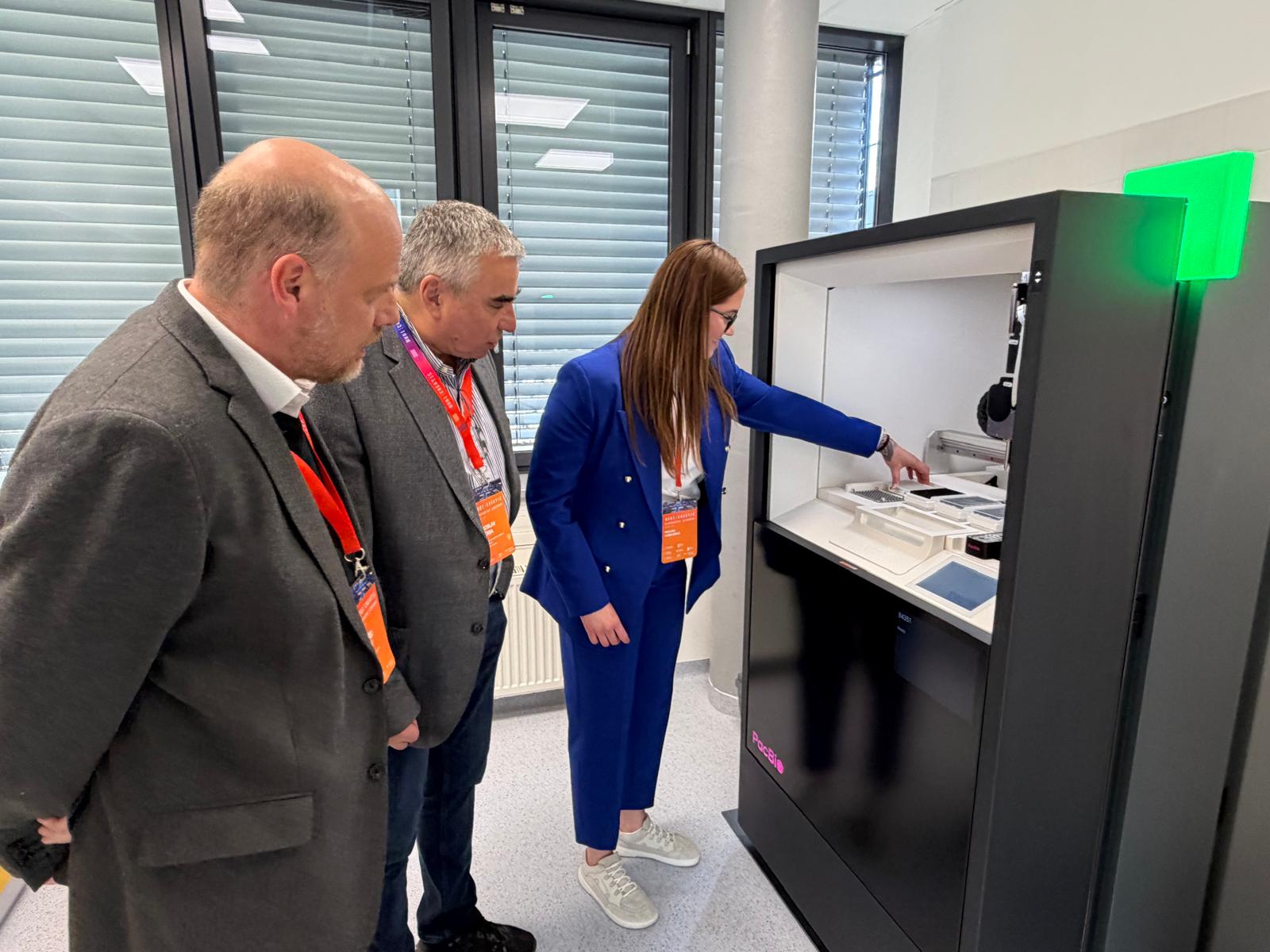
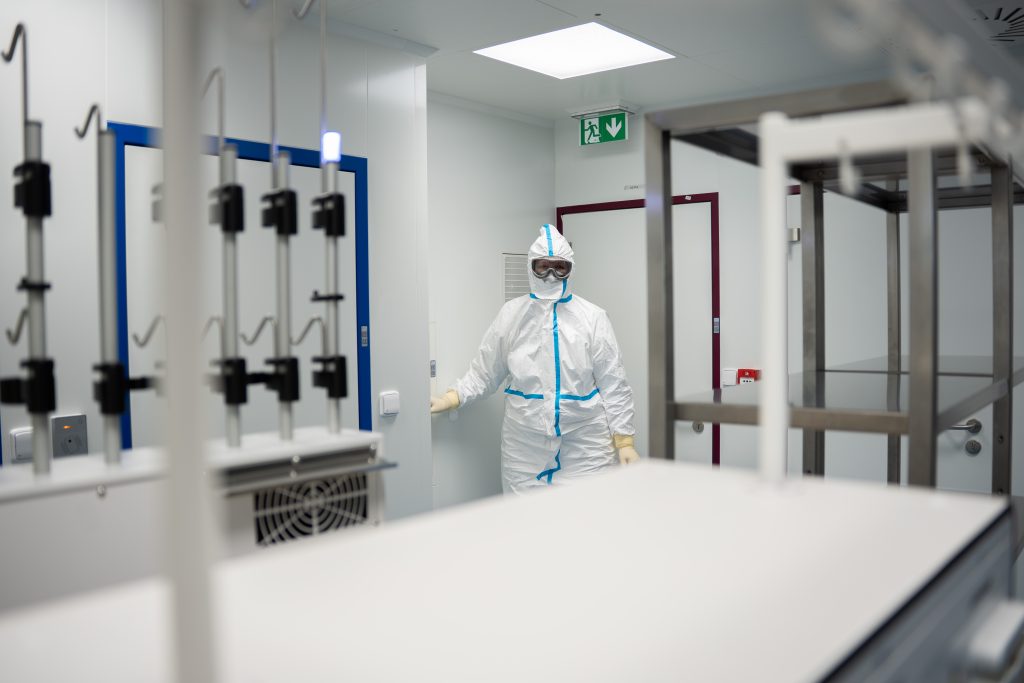
Across an area of more than 1,000 m², six production units have been established at a cost of approximately CZK 1 billion in certified cleanroom facilities that meet international Good Manufacturing Practice (GMP) standards. The center’s technological infrastructure includes state-of-the-art platforms, such as a sequencing system enabling detailed analysis of genetic changes using long-read DNA technology. Modern automated systems are used for the production of cell and gene therapies, increasing the level of standardization and safety of manufacturing processes. The laboratories are further equipped with advanced analytical technologies, including bioreactors, chromatographic systems, flow cytometry, and real-time cell process monitoring devices.
At the Faculty of Medicine of Masaryk University, within the research group Innovative ATMP for rare diseases – part of the NICR – several advanced therapy medicinal products have already been developed. These include the anti-cancer cell therapy MyDendrix, based on the use of autologous dendritic cells in paediatric patients with high-risk malignancies. Another example is the cell-based medicinal product FlyCellix, aimed at the treatment of epidermolysis bullosa. Additional therapies, such as those based on tumour-infiltrating lymphocytes, are expected to follow.
“It can be said that this is a truly unique example of the importance and impact of academic oncology, which is capable of overcoming barriers both in the availability of treatment for certain types of cancer and some rare diseases, as well as in their financing,” emphasized Jaroslav Štěrba, Scientific Director of the NICR and Head of the Department of Paediatric Oncology at the Faculty of Medicine, Masaryk University and University Hospital Brno.