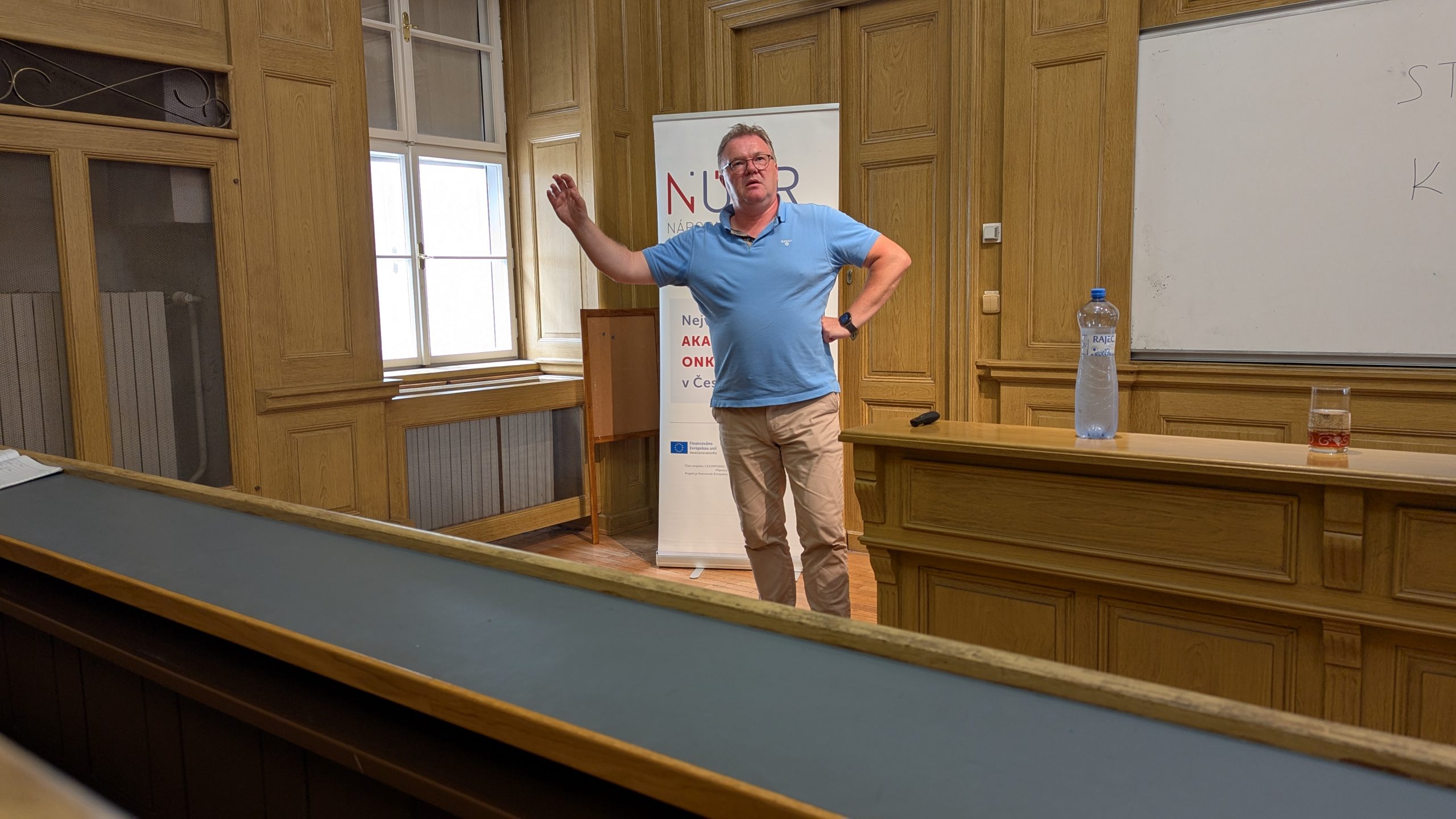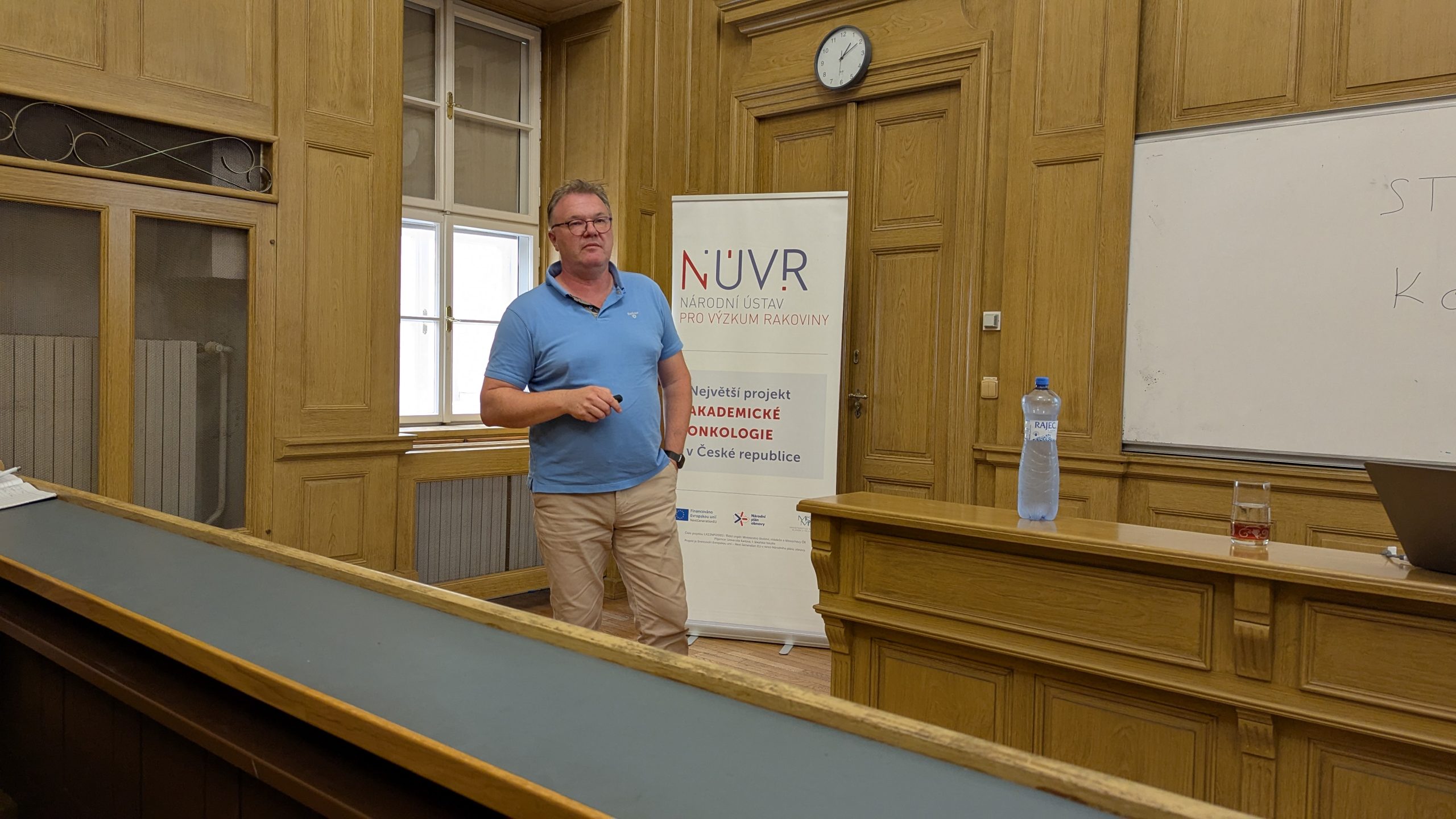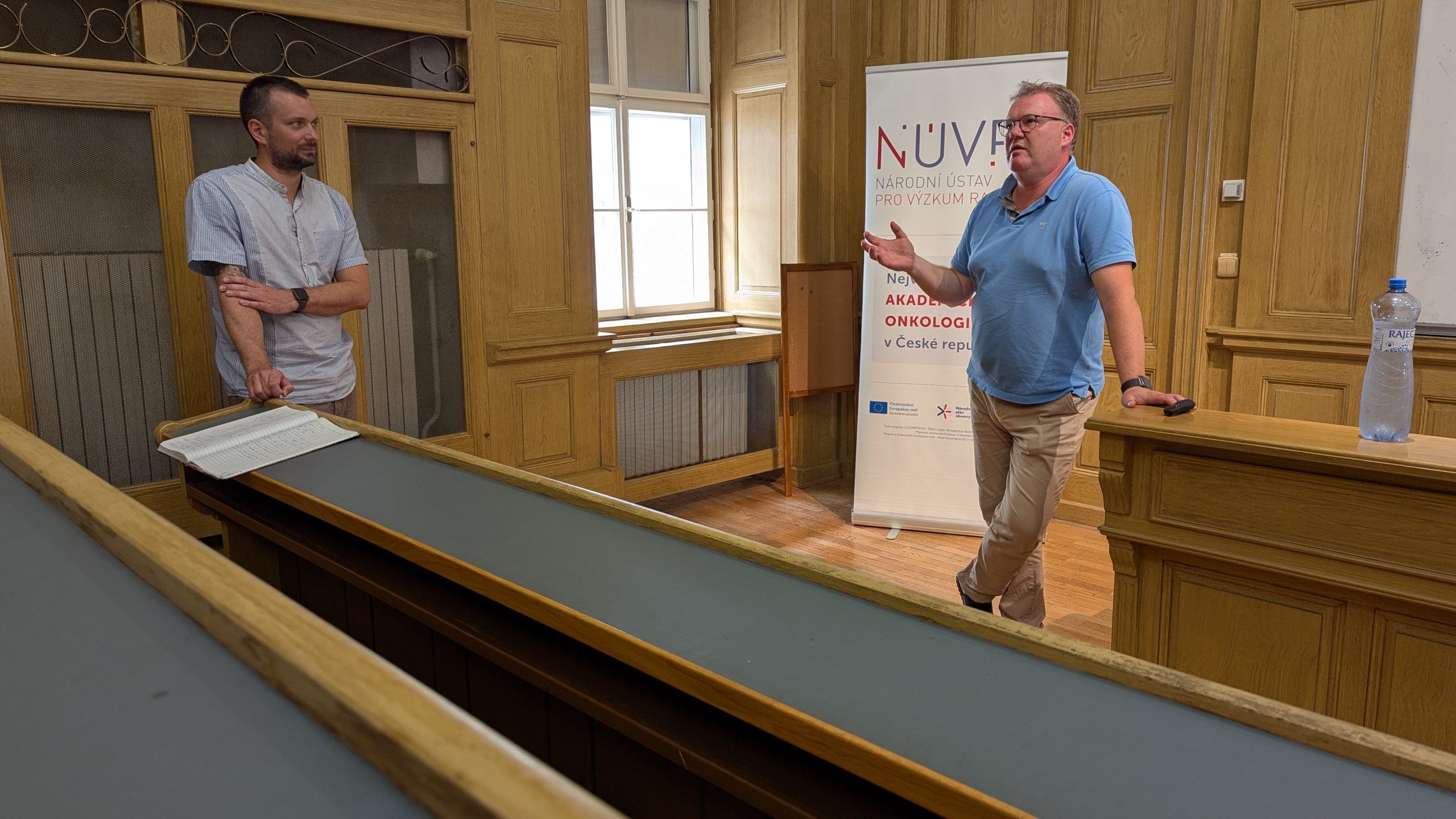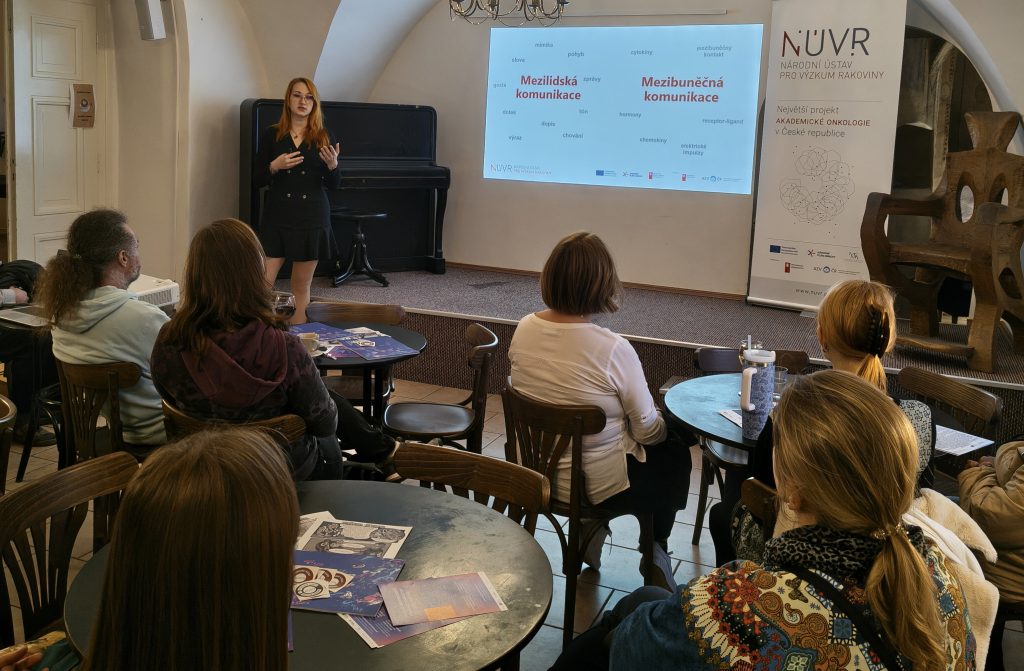



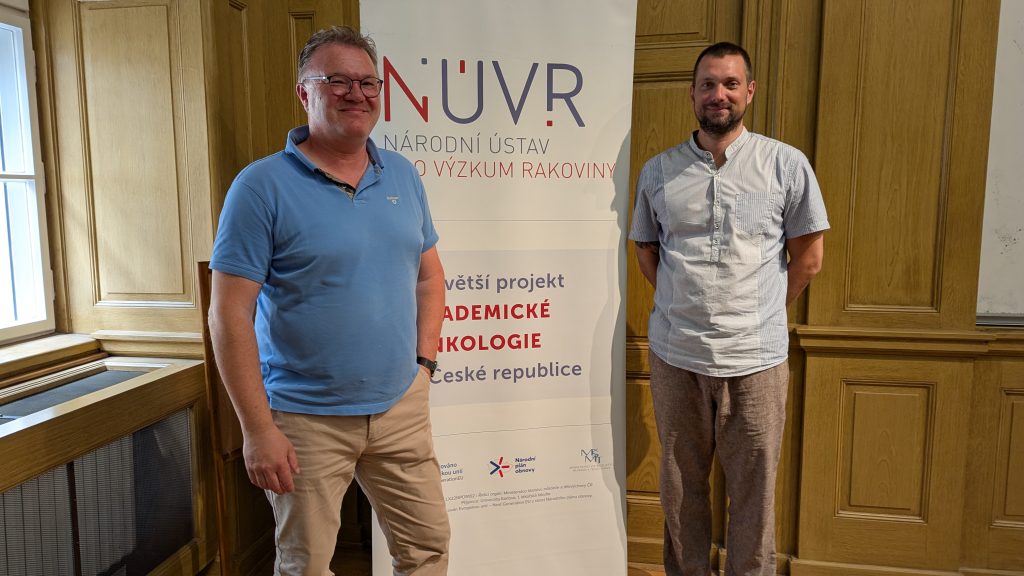
How do viral infections reshape cancer cell metabolism, and why might these changes represent the Achilles' heel of cancer cells? These questions were at the centre of a lecture by Christian U. Hübbers from the University of Cologne, who visited the Institute of Biochemistry and Experimental Oncology, First Faculty of Medicine, Charles University, at the invitation of Martin Sztacho.
The lecture, "Metabolic Reprogramming in Oropharyngeal Cancer: From Viruses to Vulnerabilities," was held as part of the Special Guest Lecture Series organised under the auspices of the National Institute for Cancer Research (NICR). It focused on HPV-associated head and neck cancers and on how understanding their metabolic alterations may contribute to the development of new therapeutic strategies.
"Professor Hübbers presented how these cancers undergo profound metabolic reprogramming following viral genome integration, contributing to oxidative stress, treatment resistance, and tumour progression. He also discussed the emerging role of nuclear stress bodies and proteotoxic stress in cancer cell adaptation, highlighting how these mechanisms may reveal novel therapeutic vulnerabilities," said Martin Sztacho, Head of the Laboratory of Cancer Cell Architecture at the Institute of Biochemistry and Experimental Oncology, First Faculty of Medicine, Charles University, and NICR.
According to Dr. Sztacho, the lecture stimulated engaging scientific discussions and further strengthened the ongoing collaboration between the University of Cologne and the Laboratory of Cancer Cell Architecture. It also opened new opportunities for joint research into virus-associated cancers and cancer metabolism.