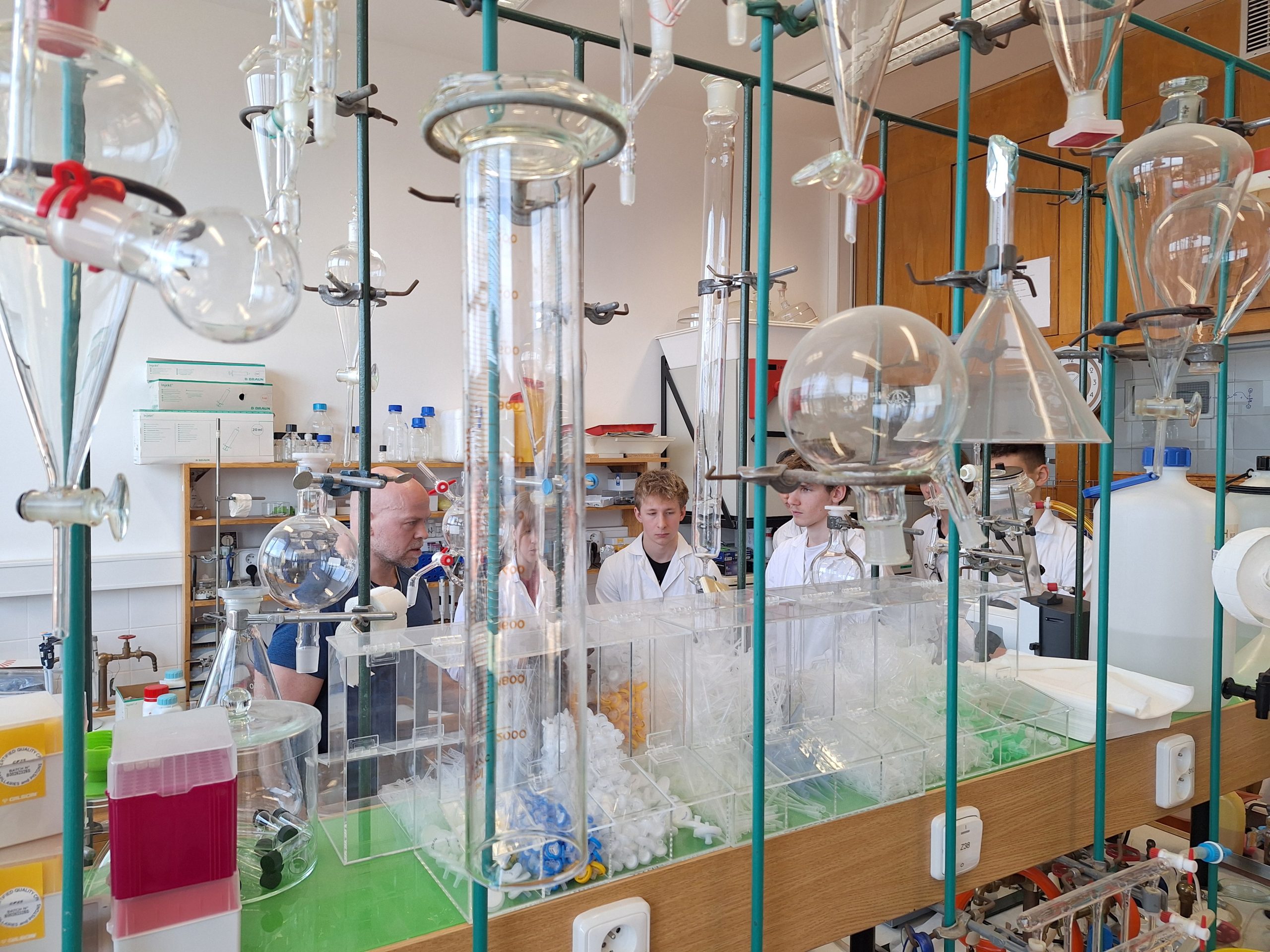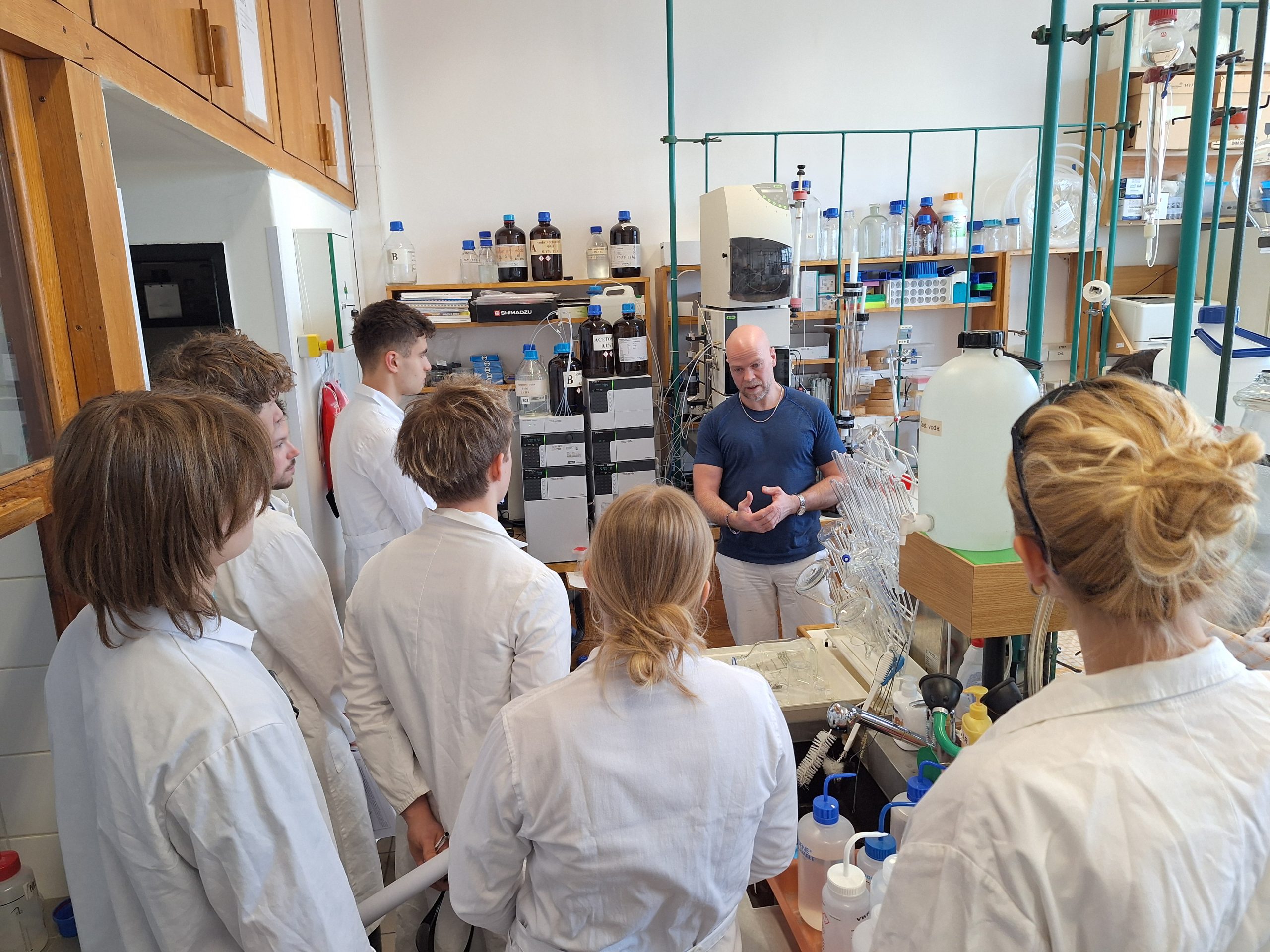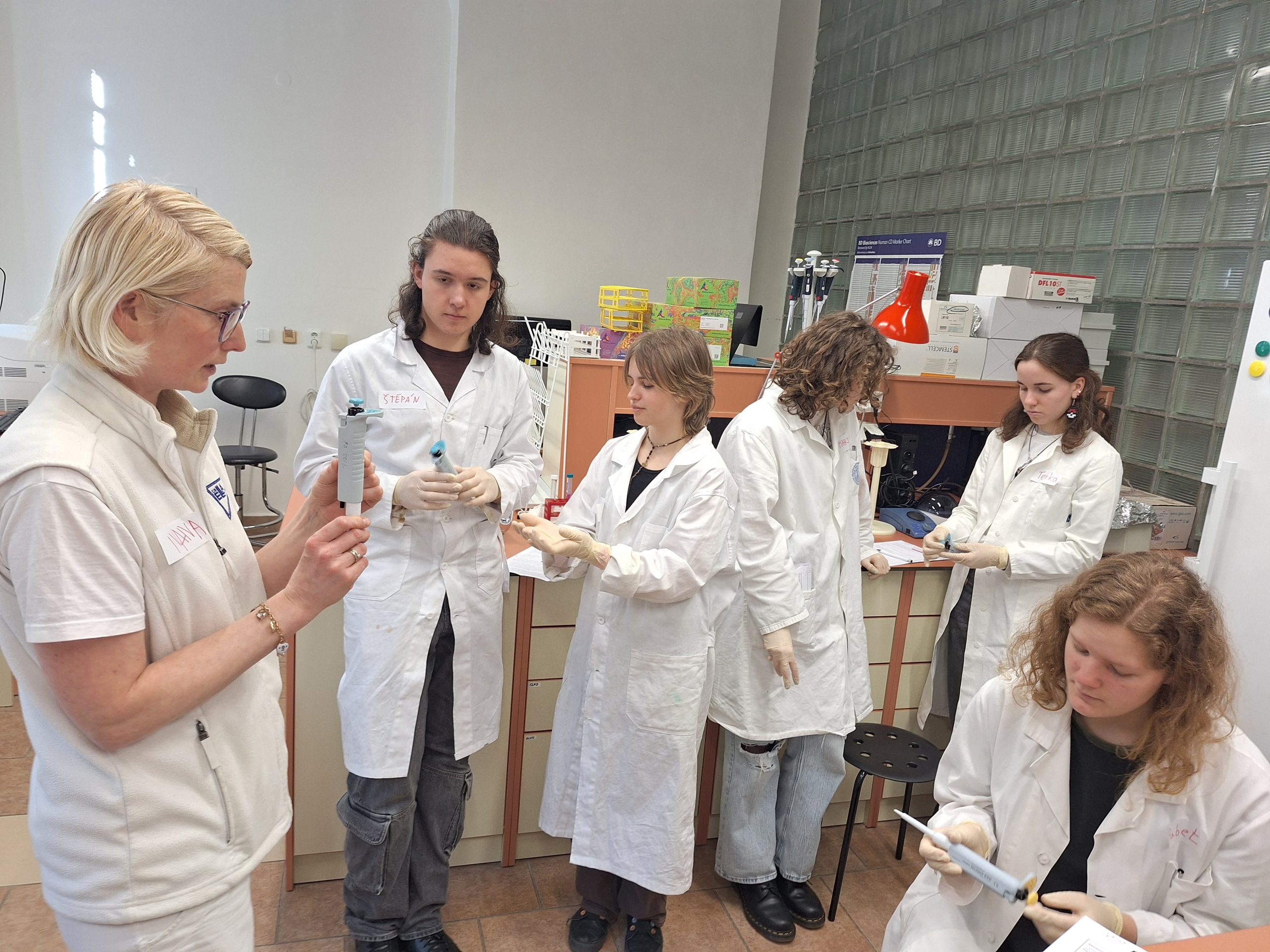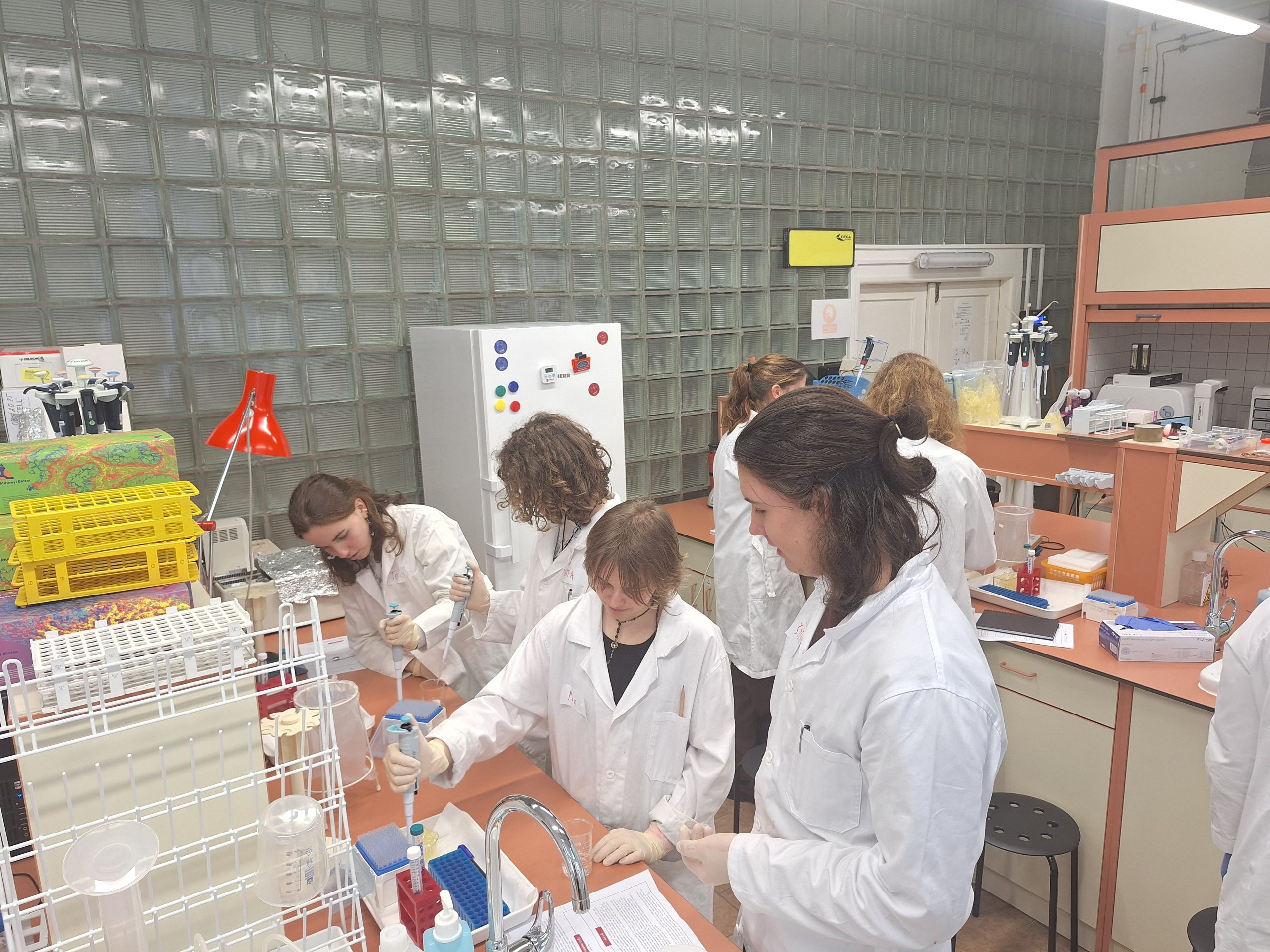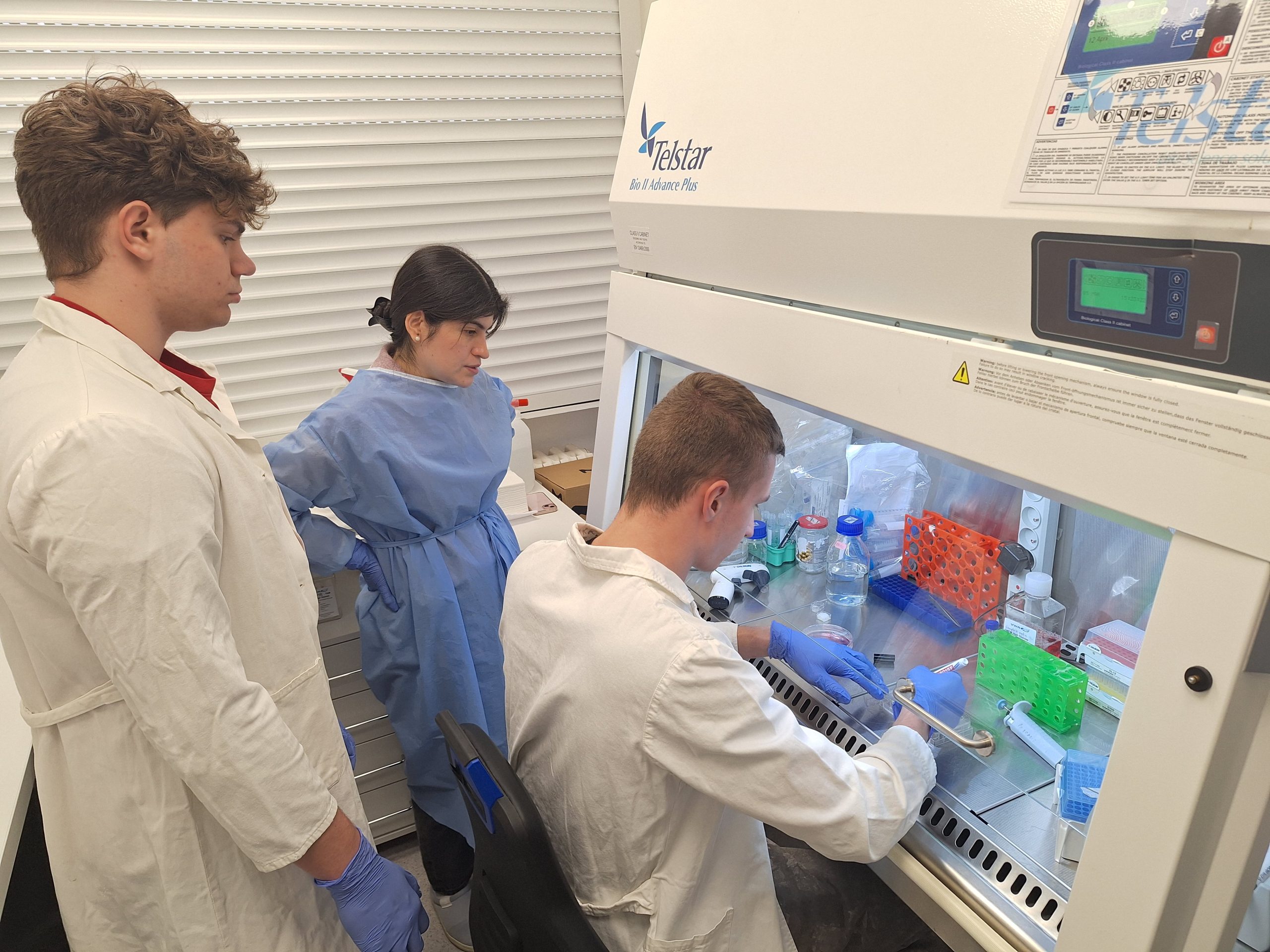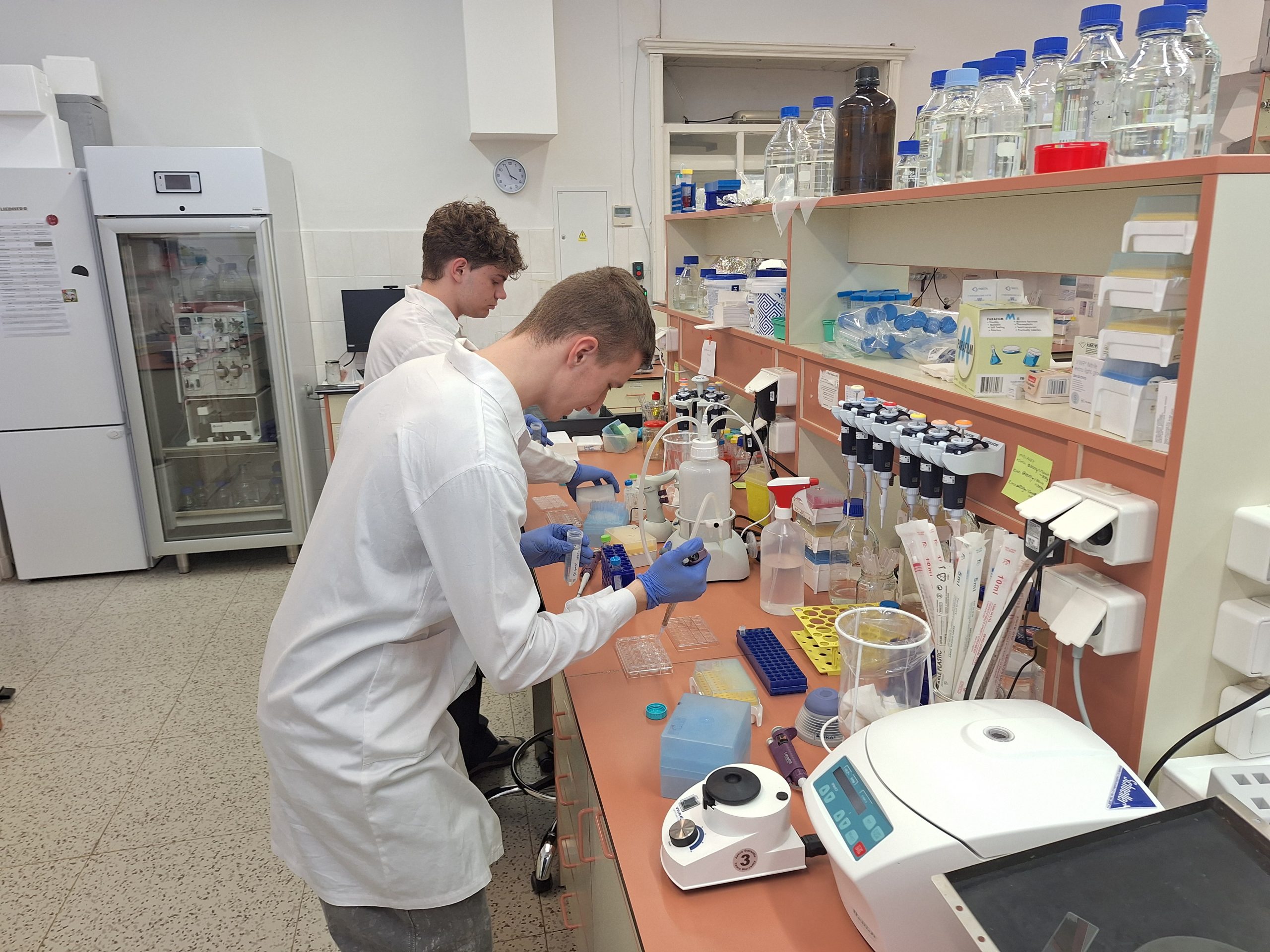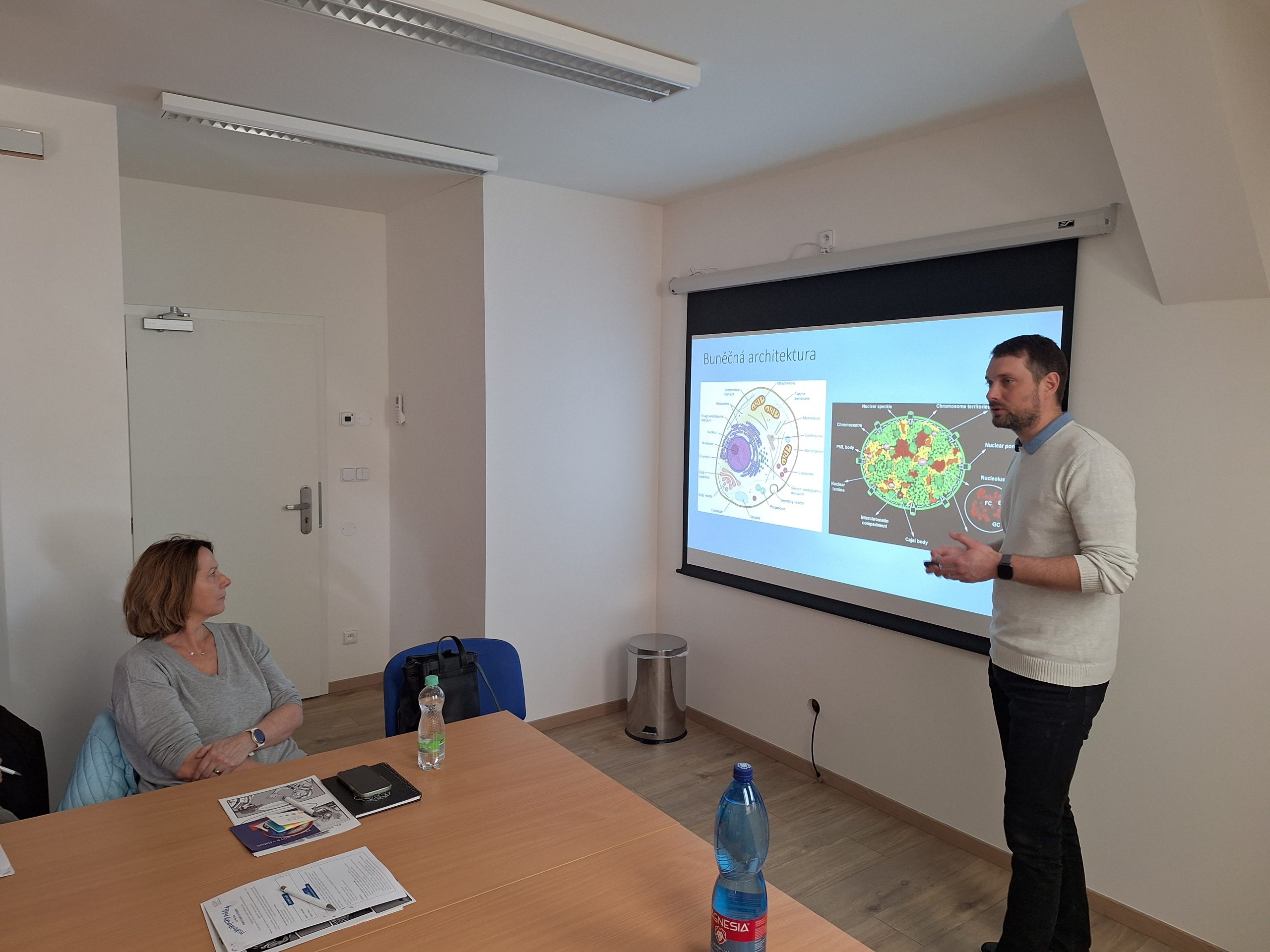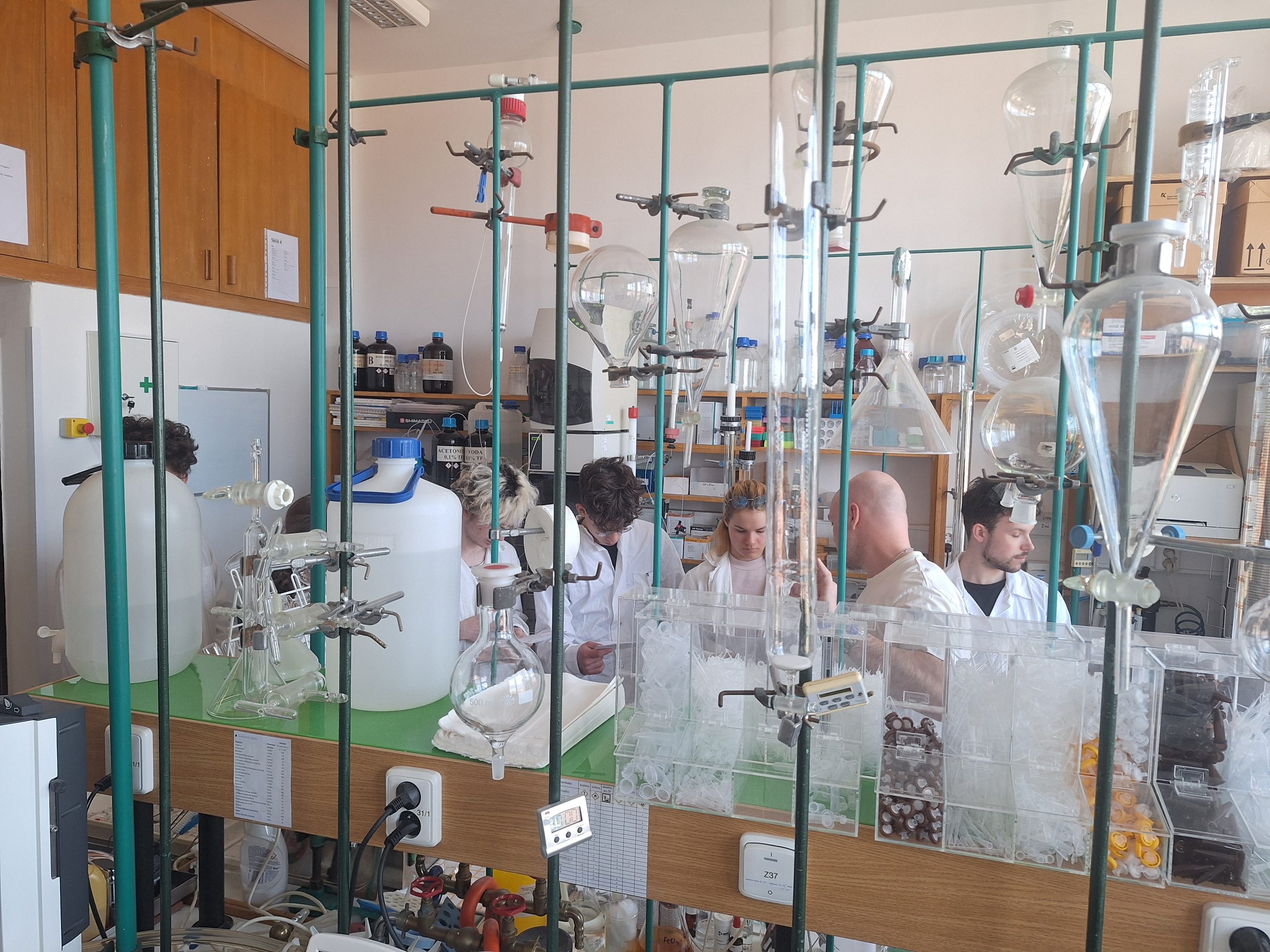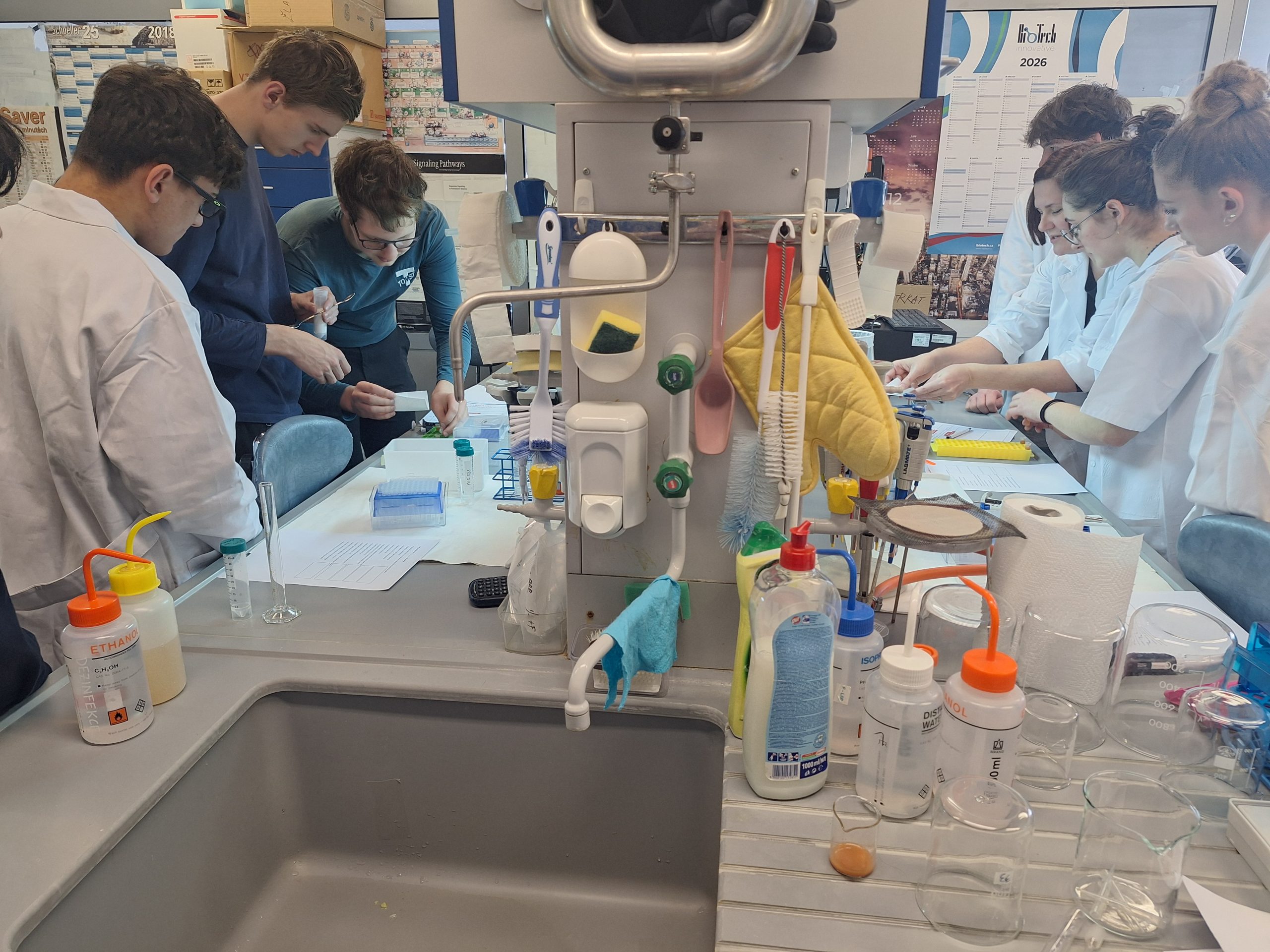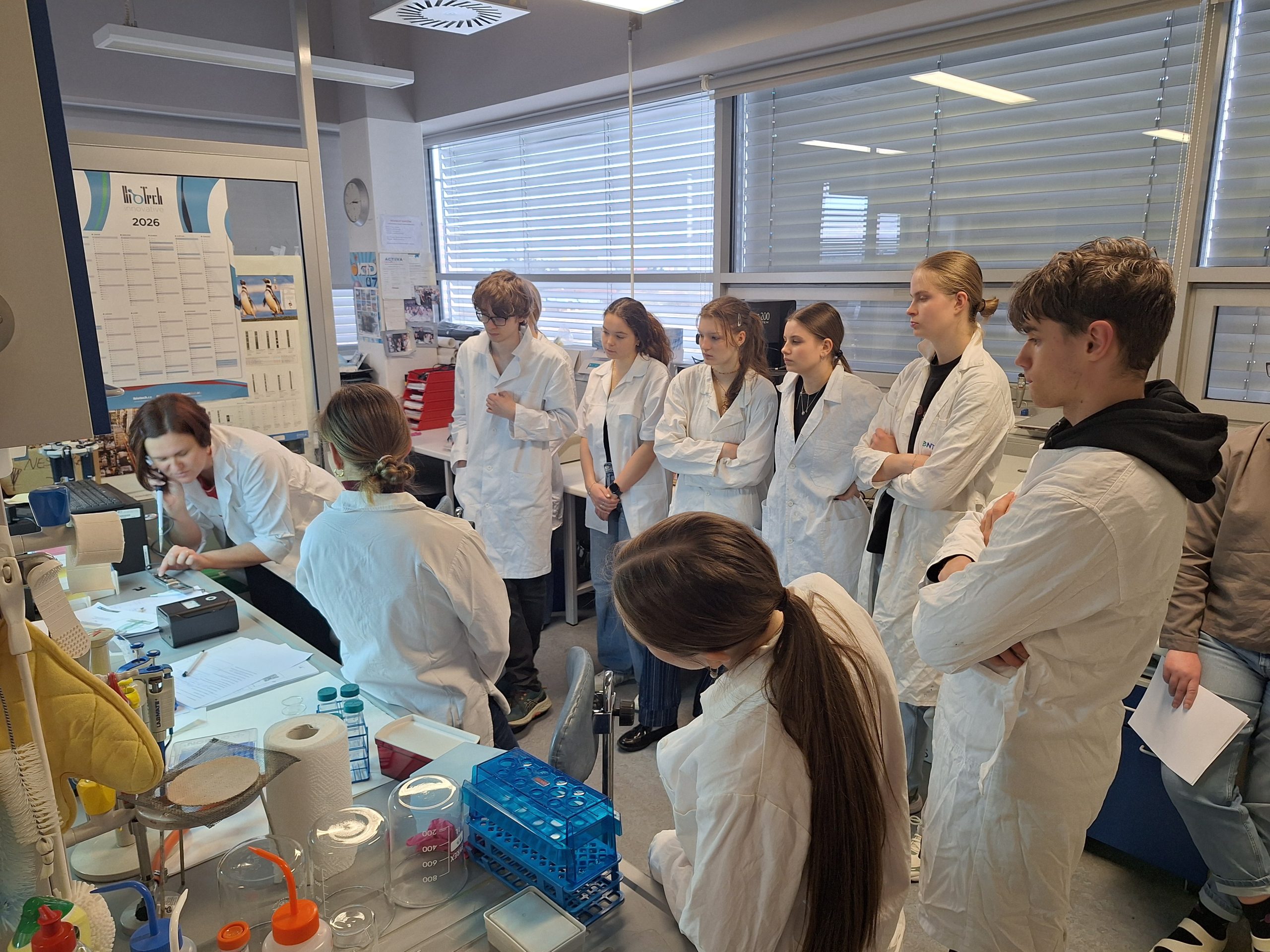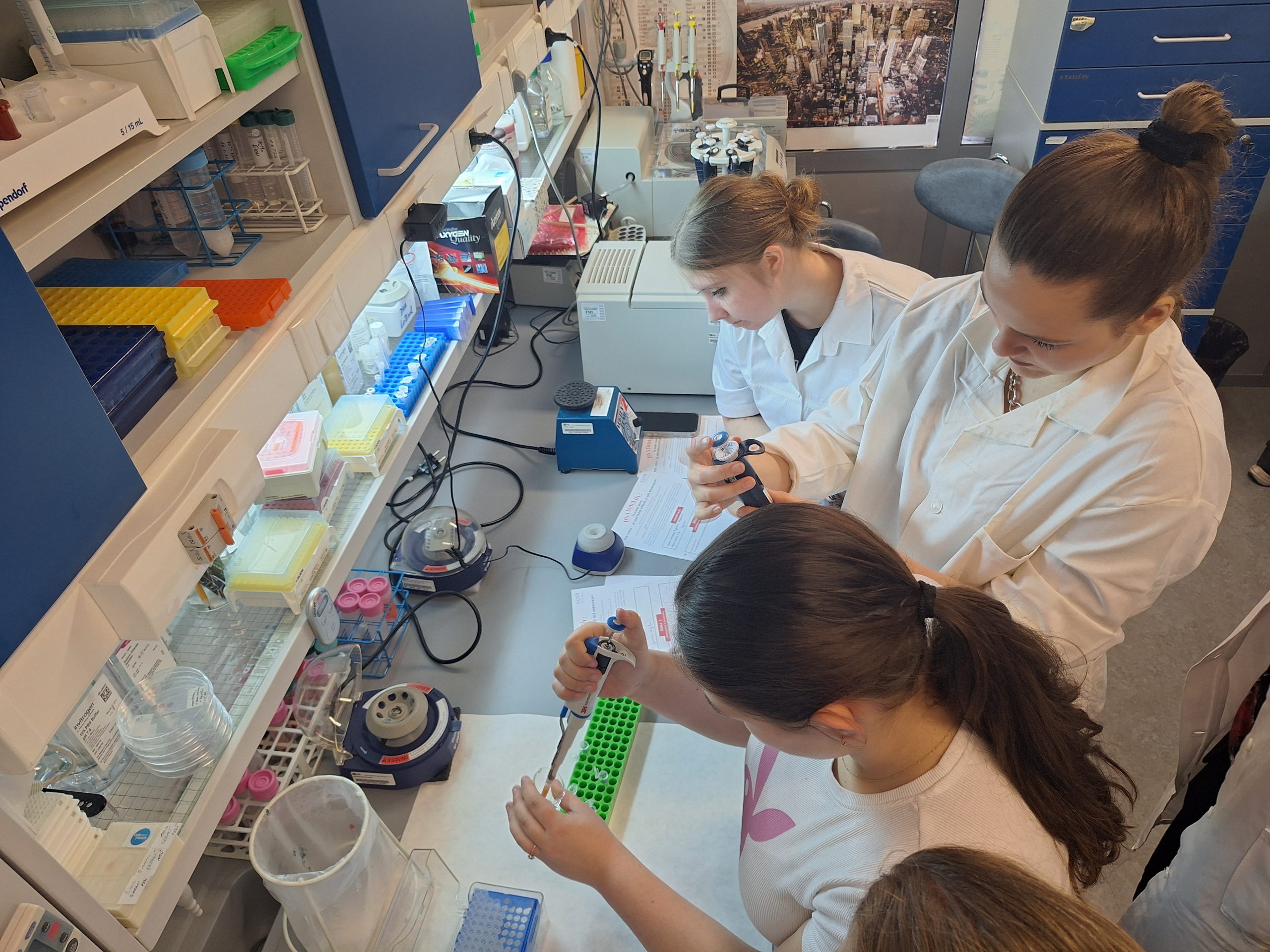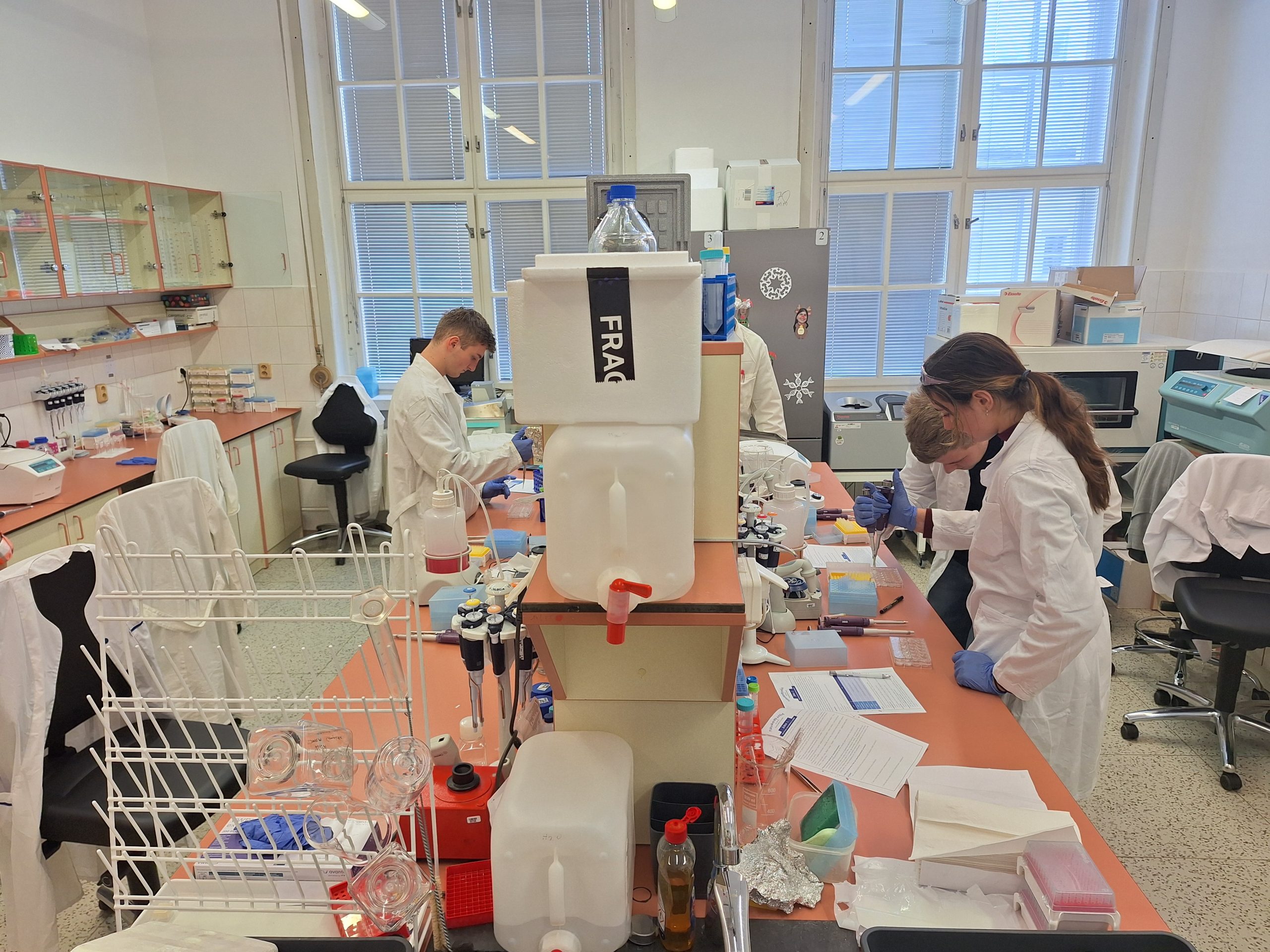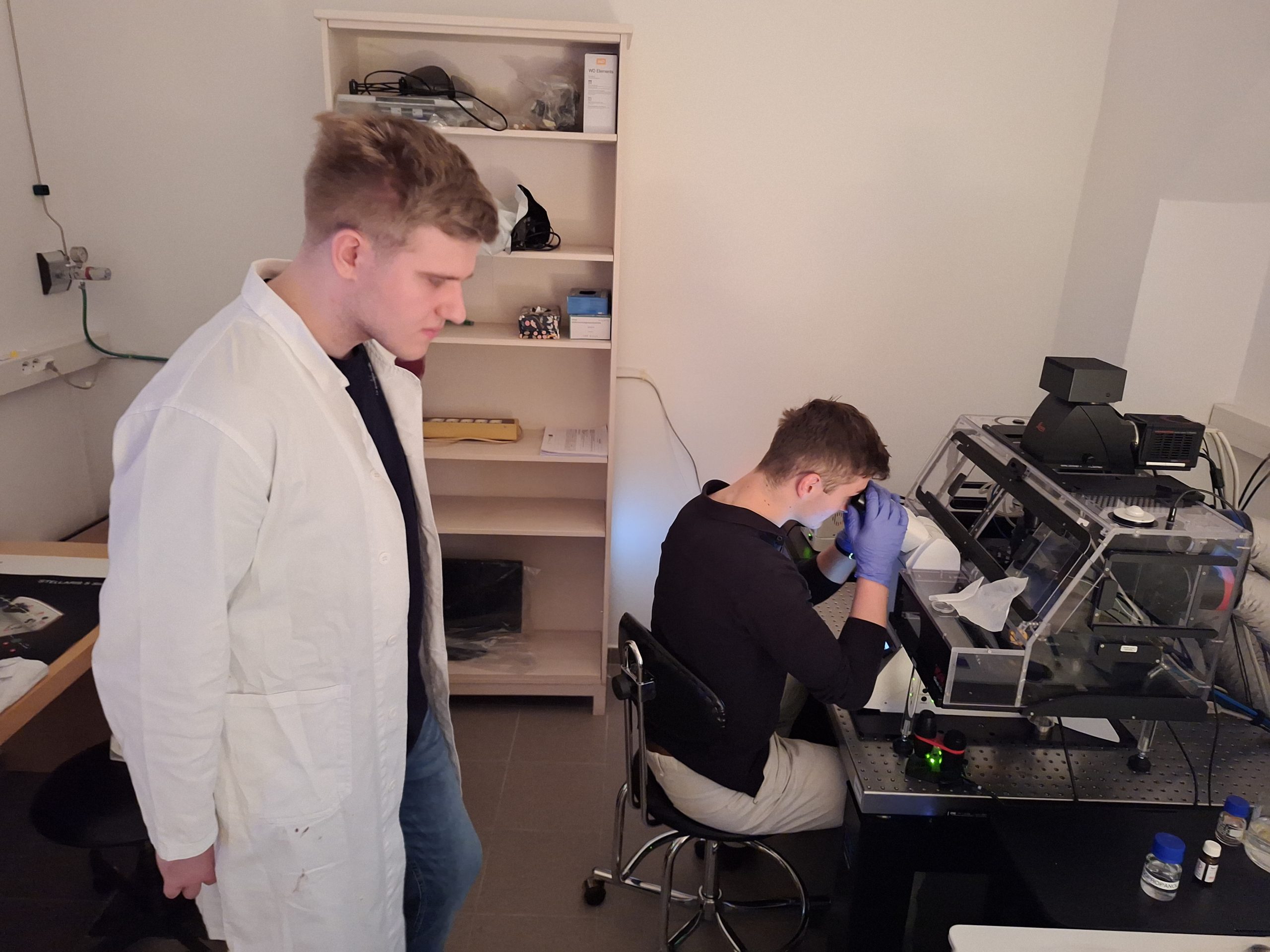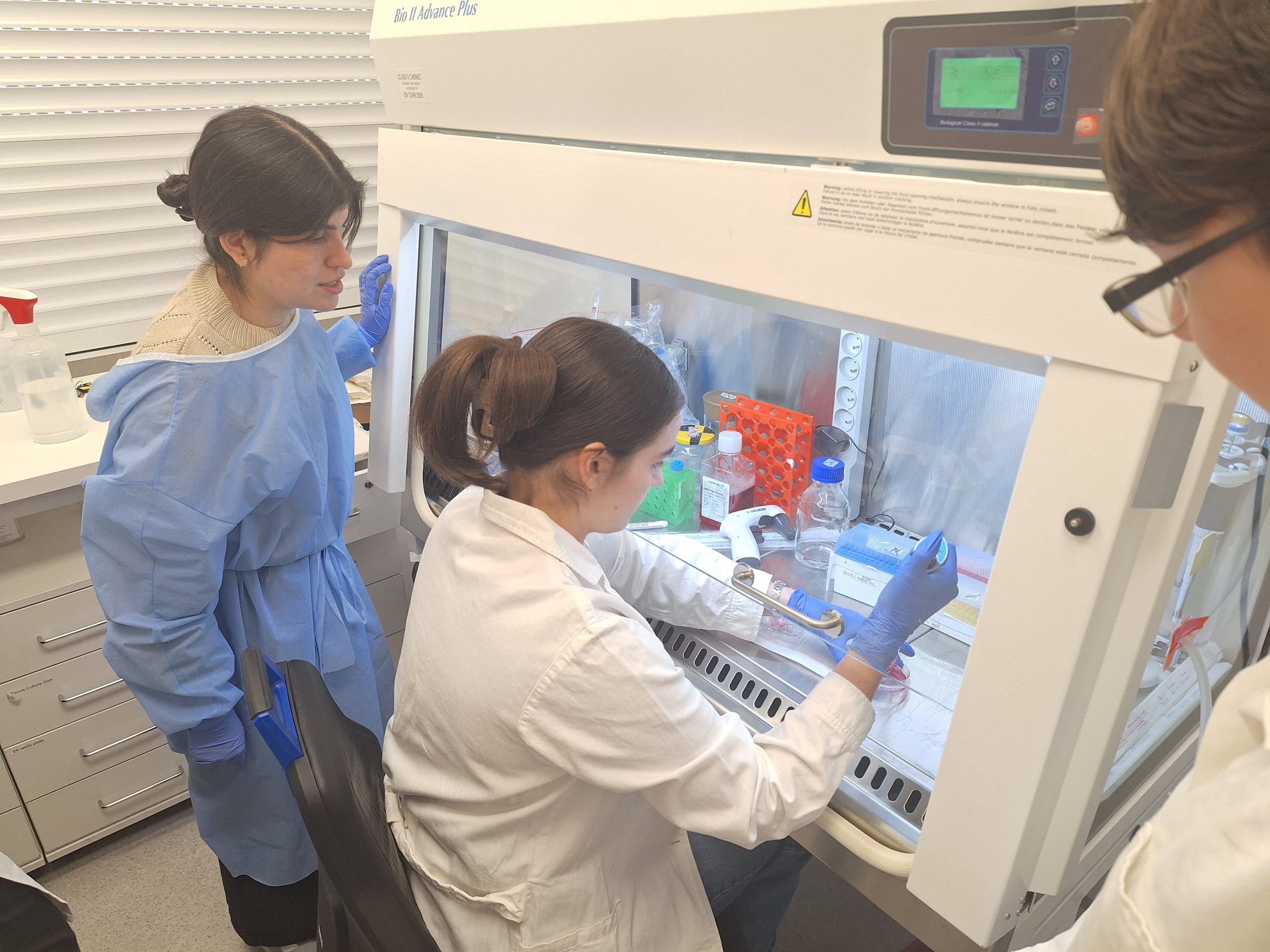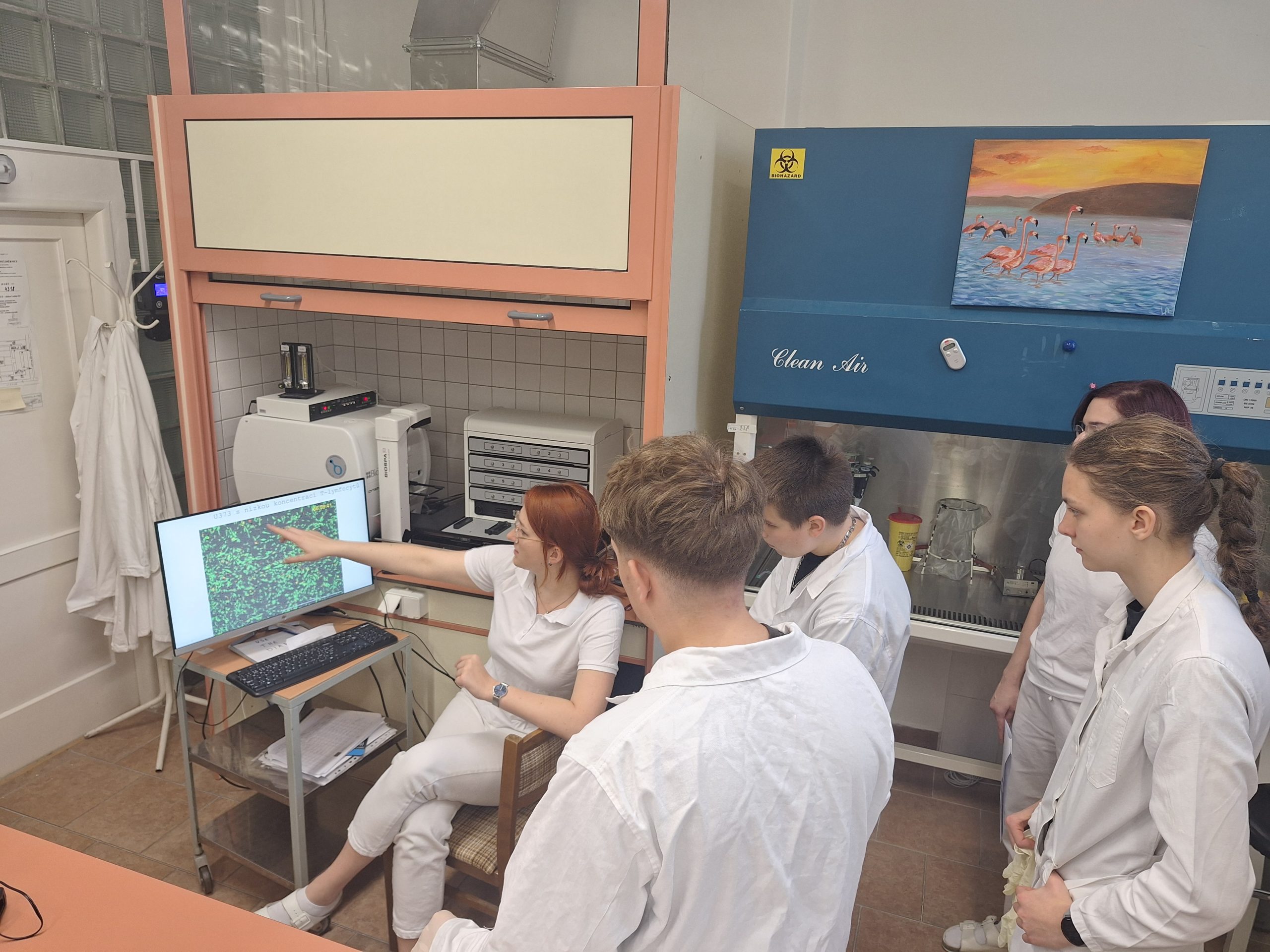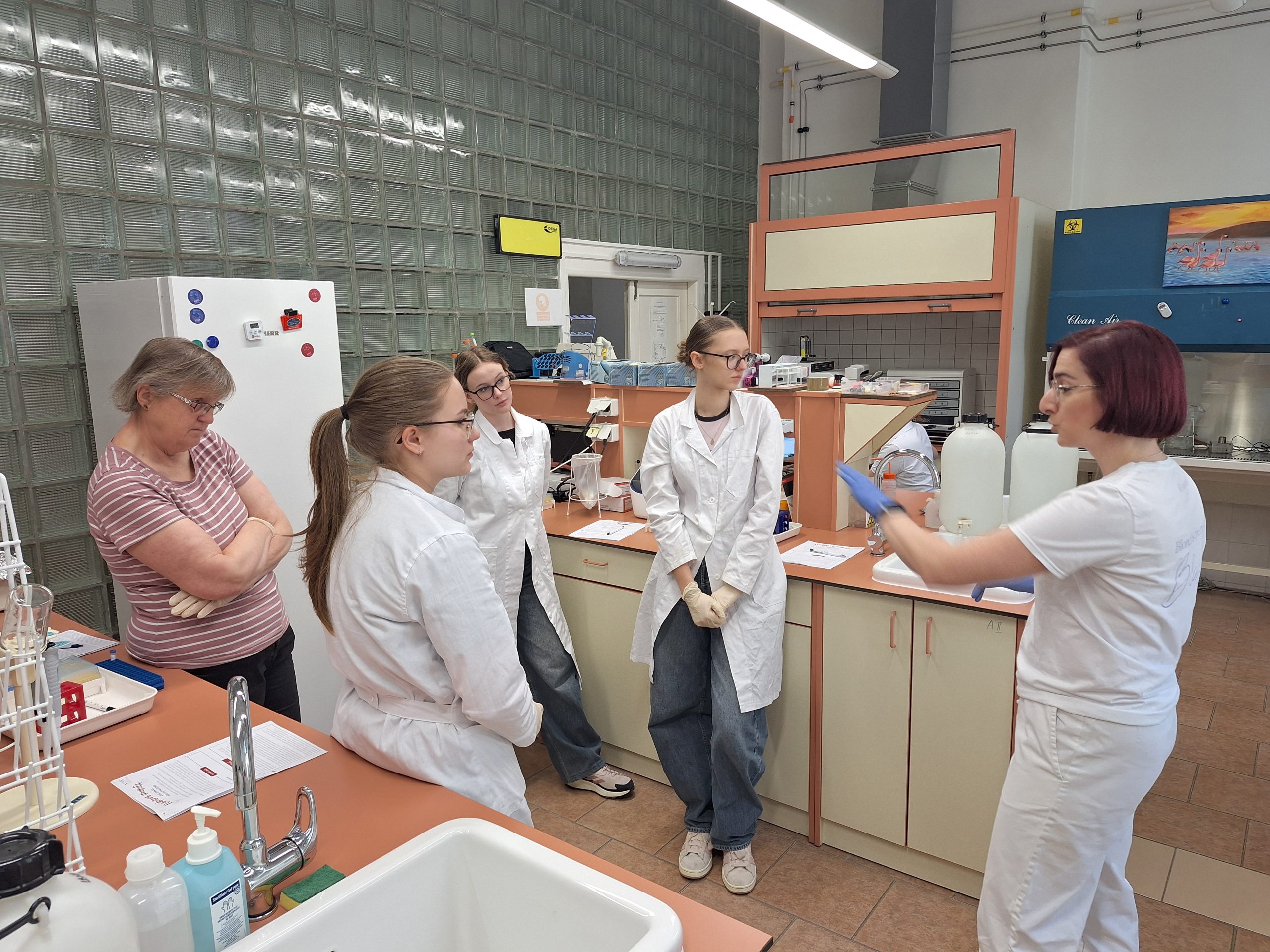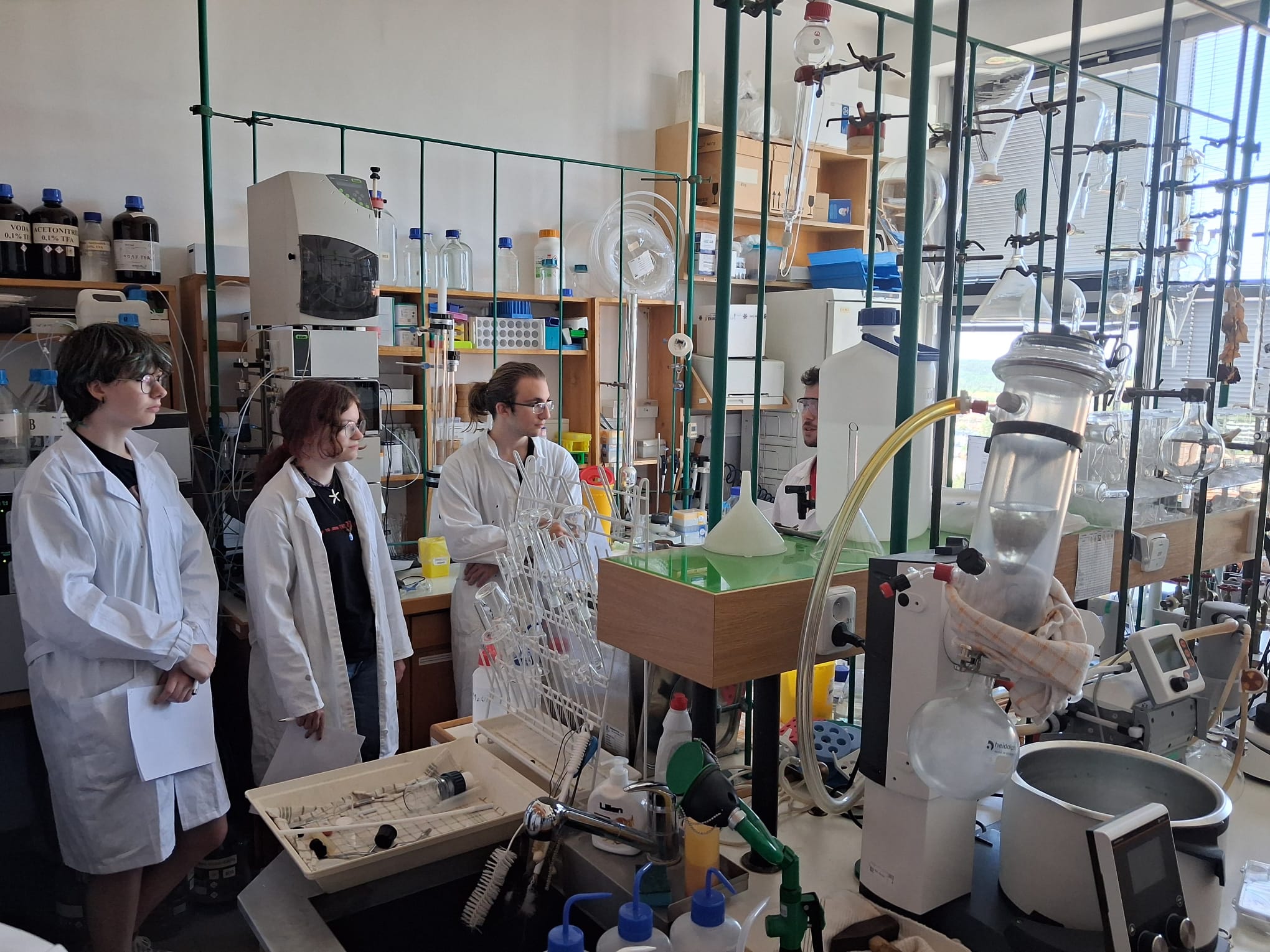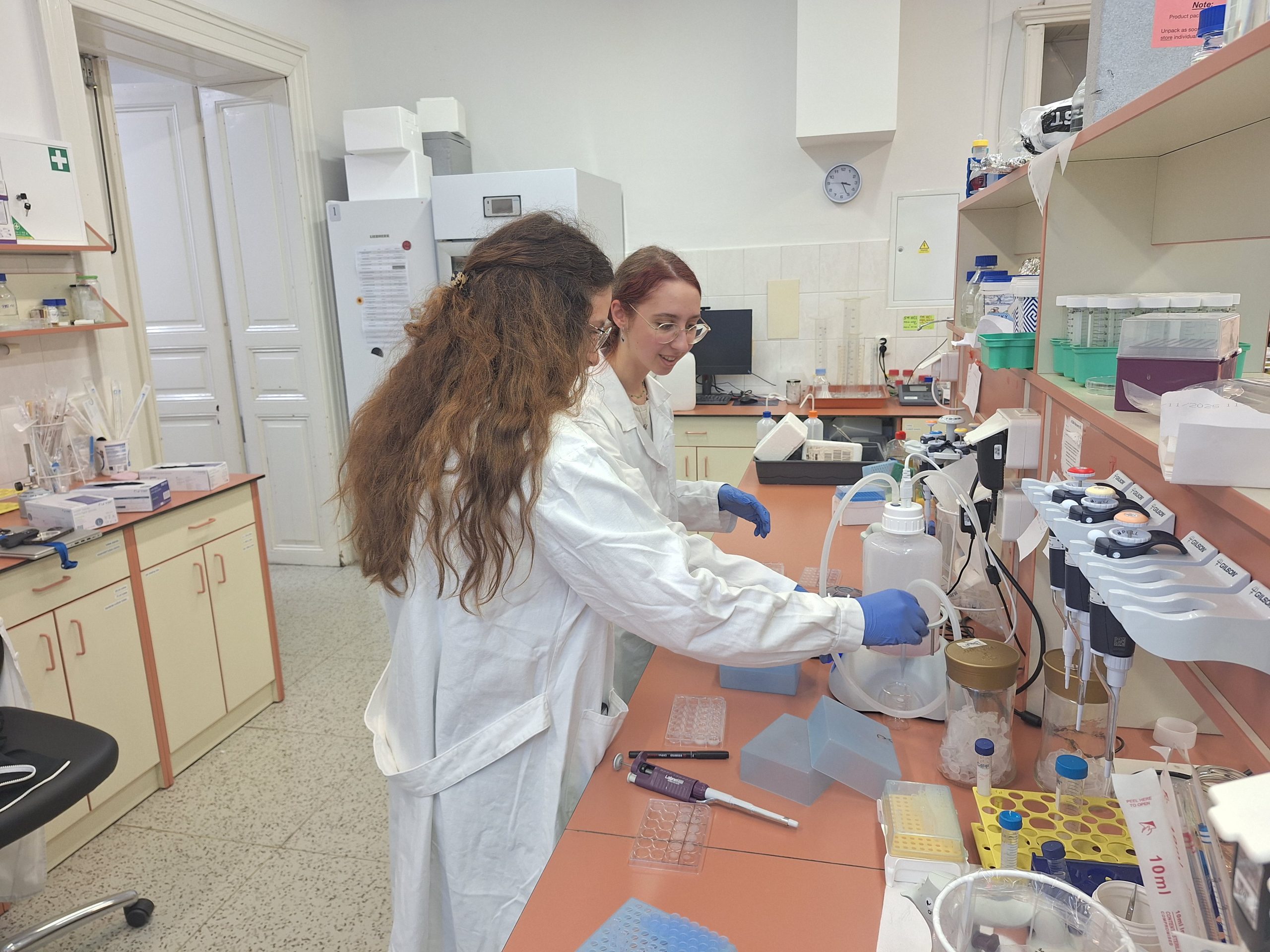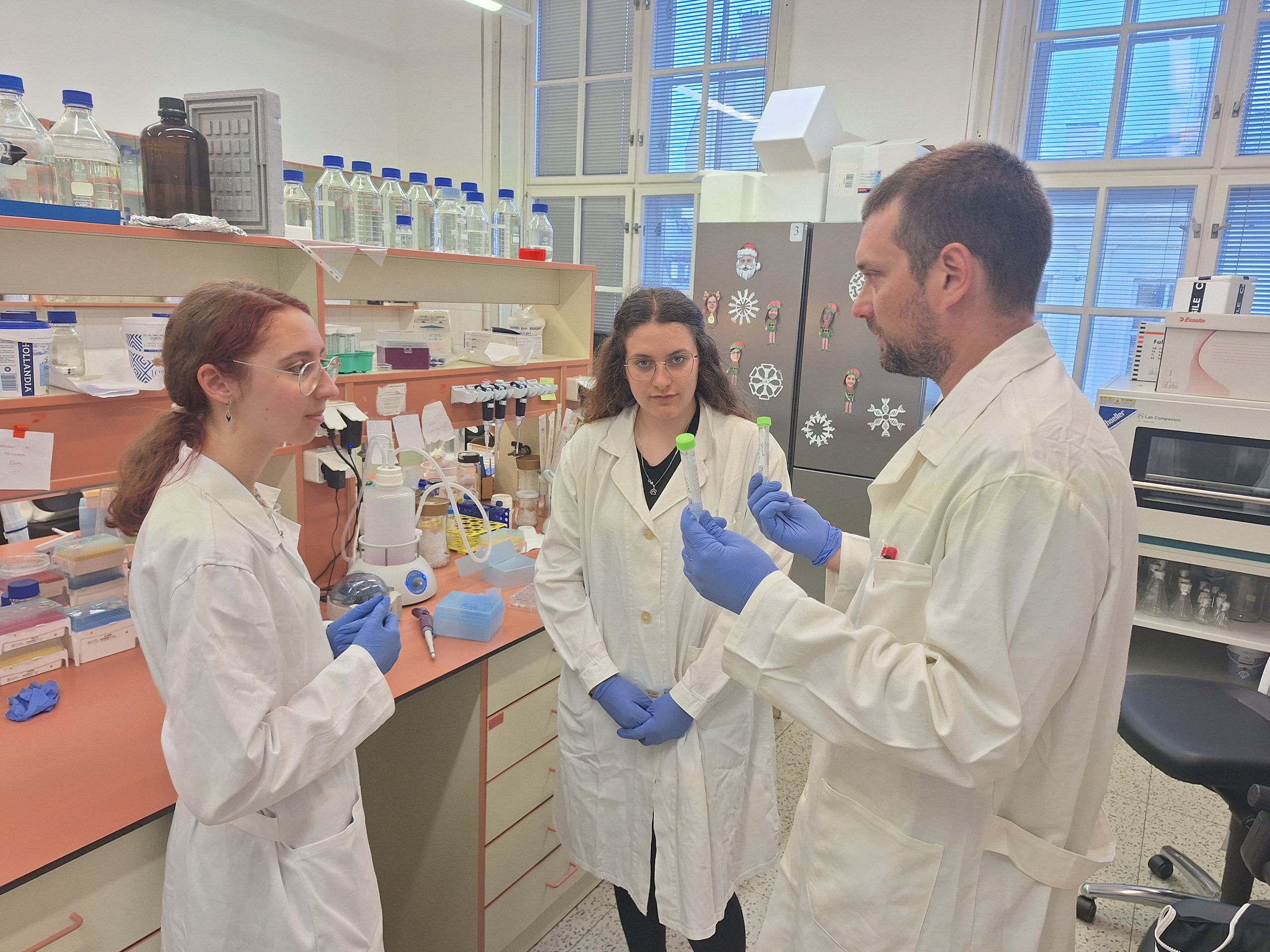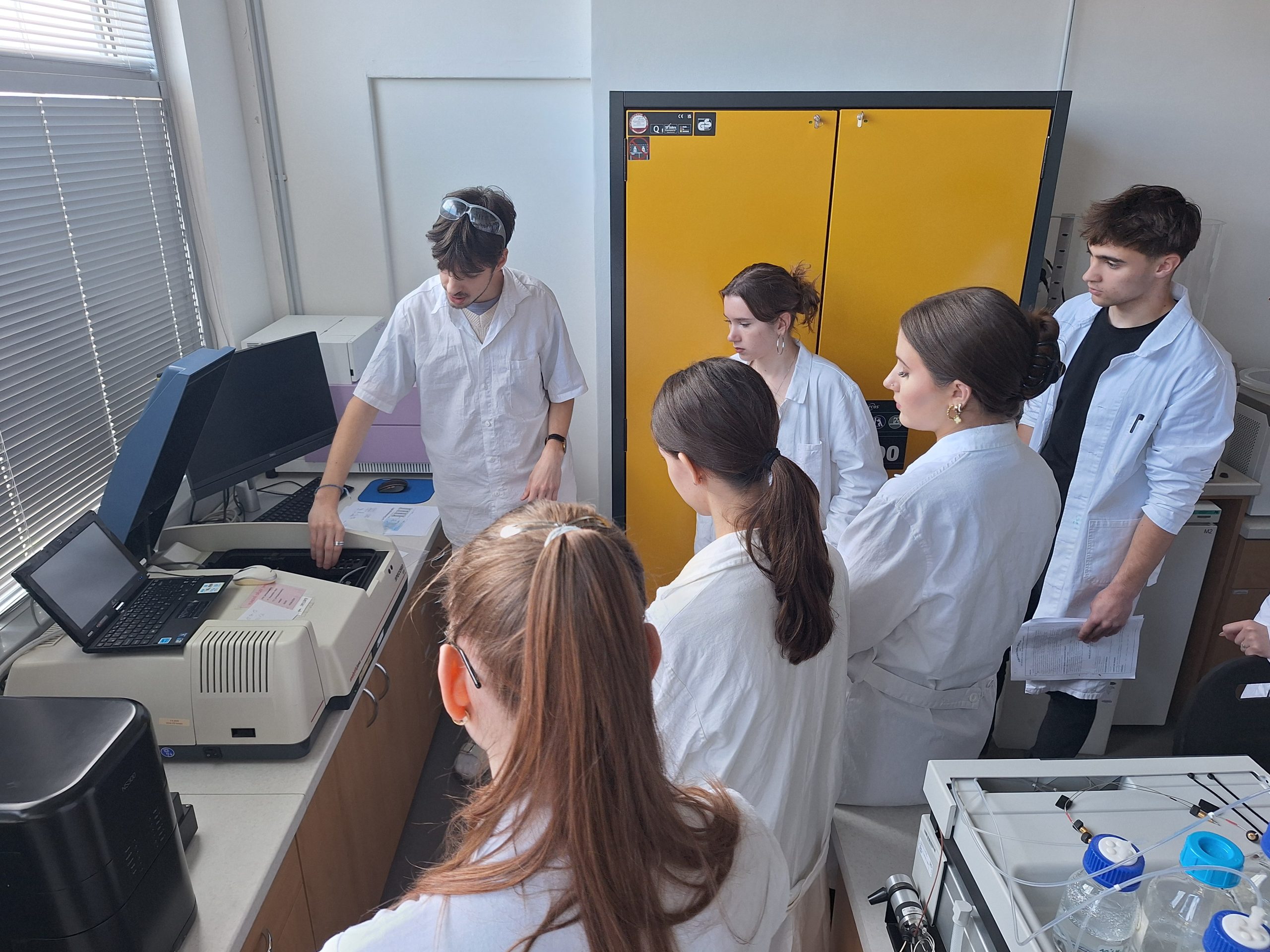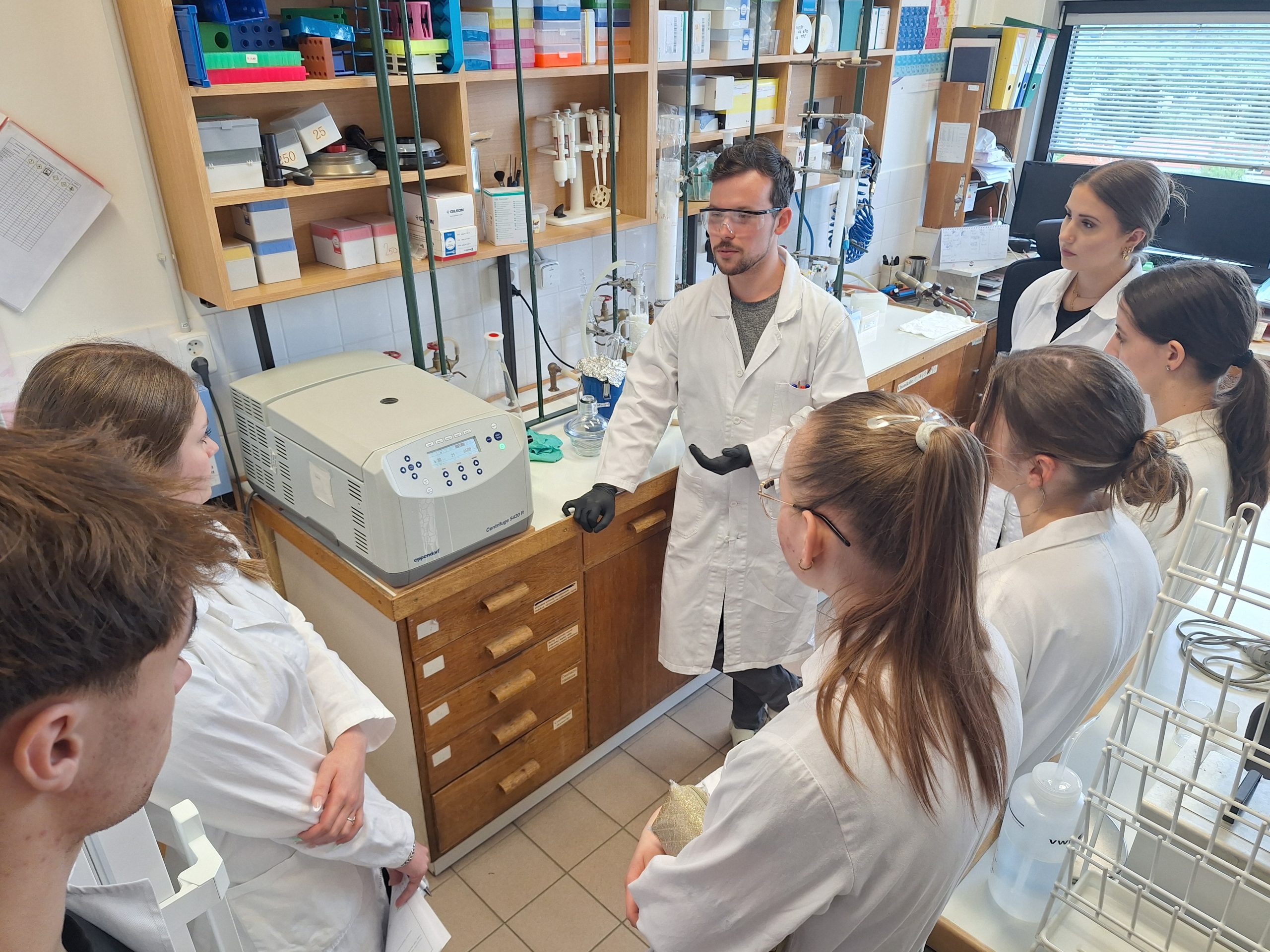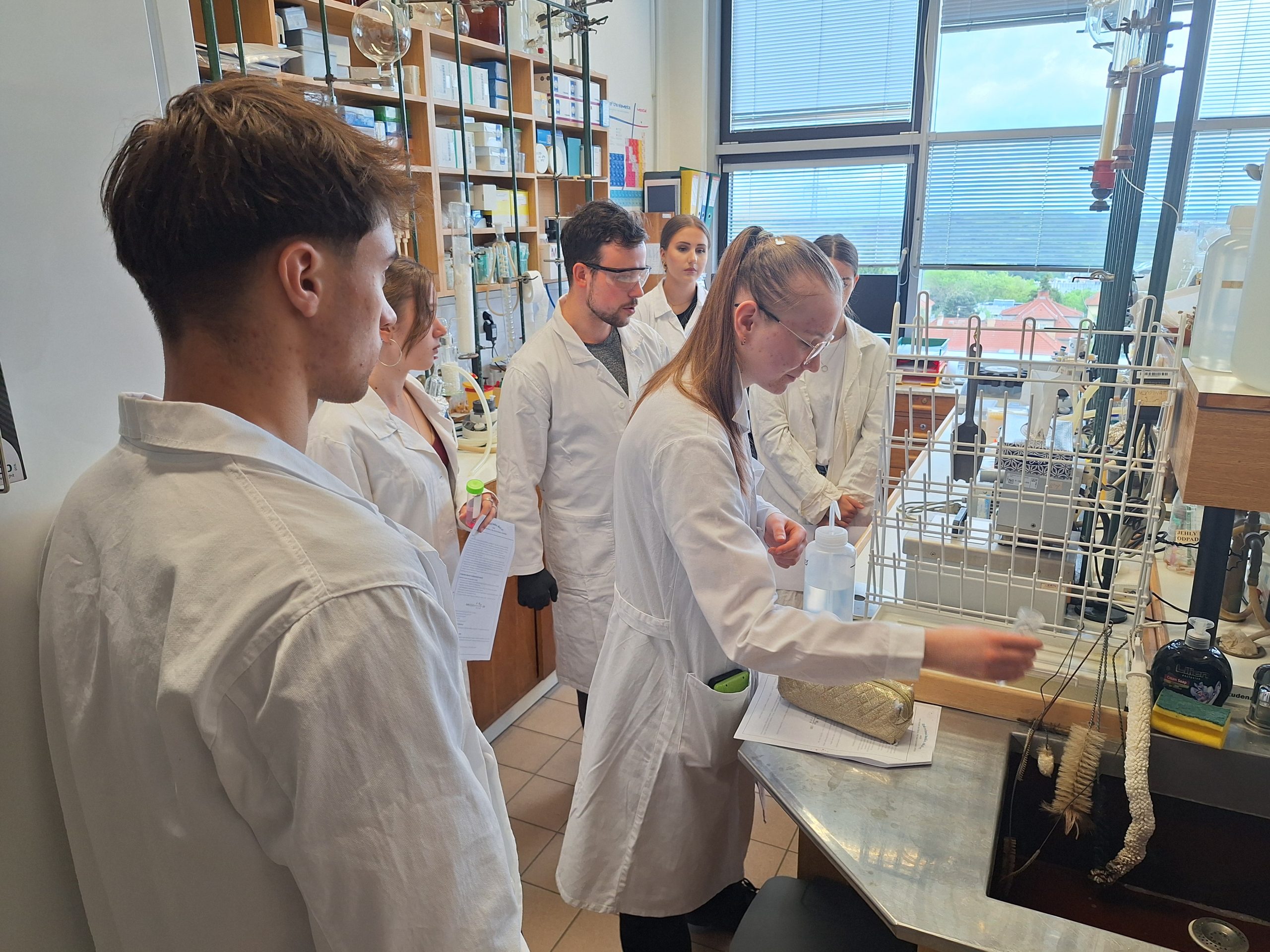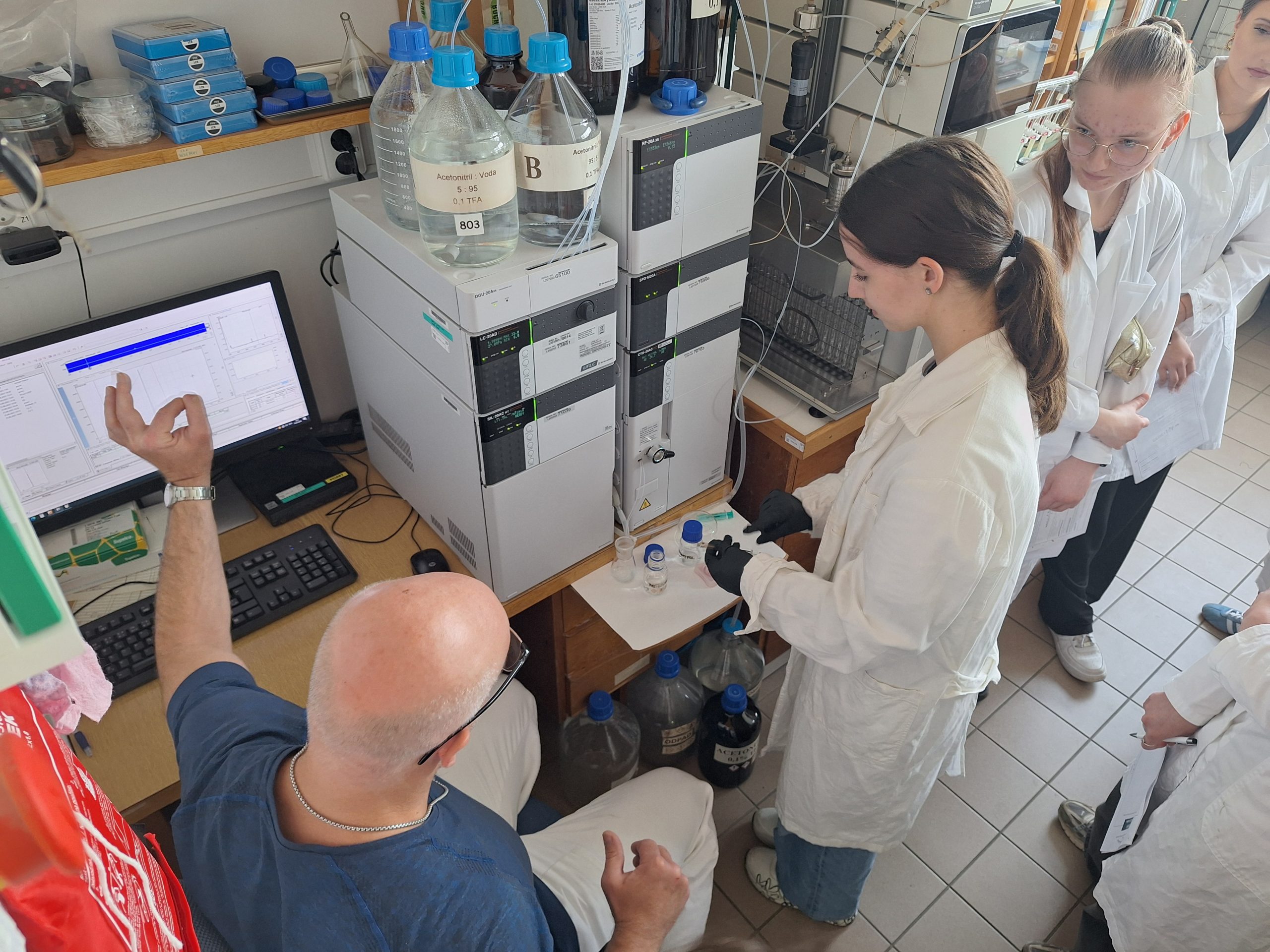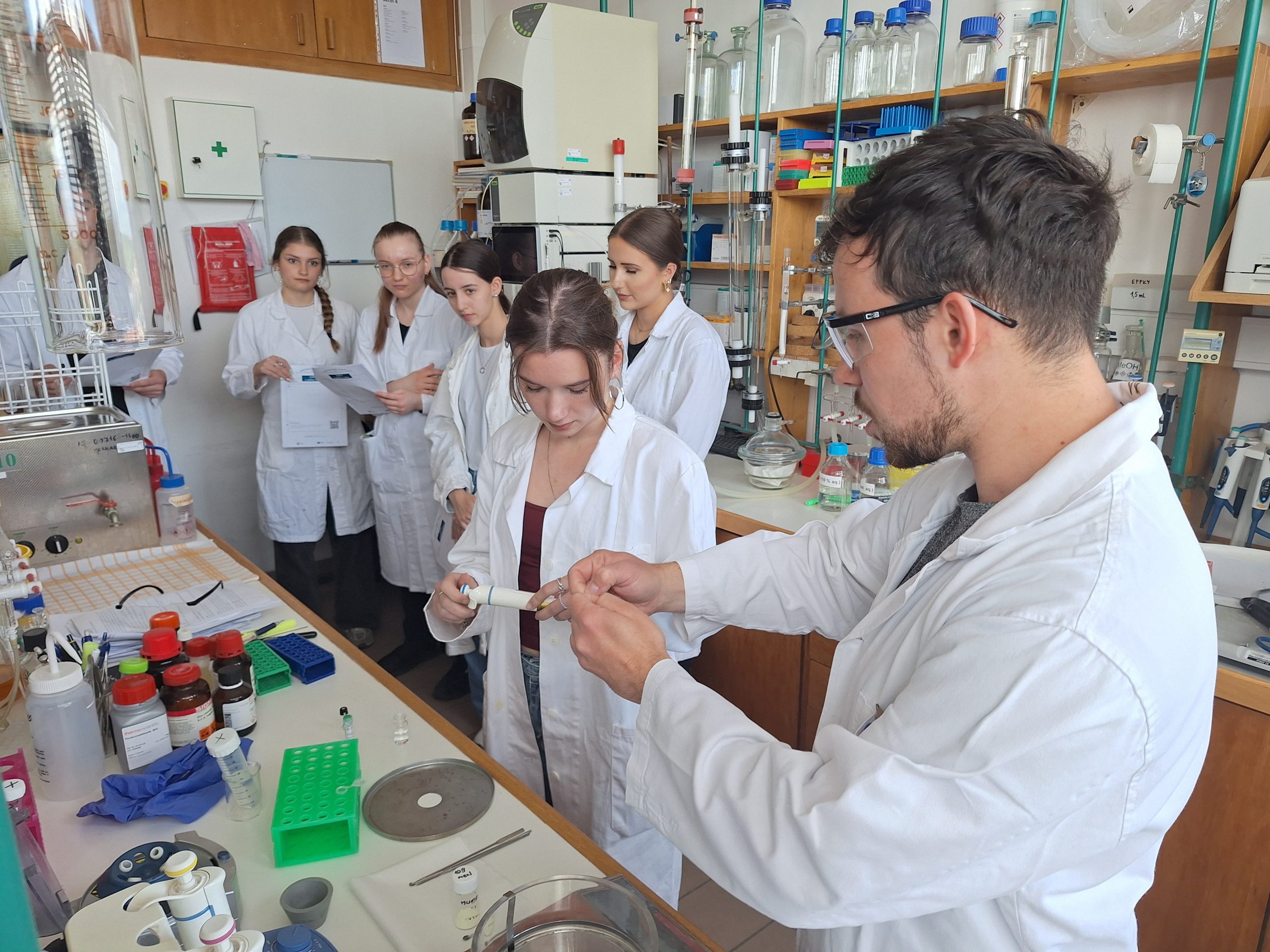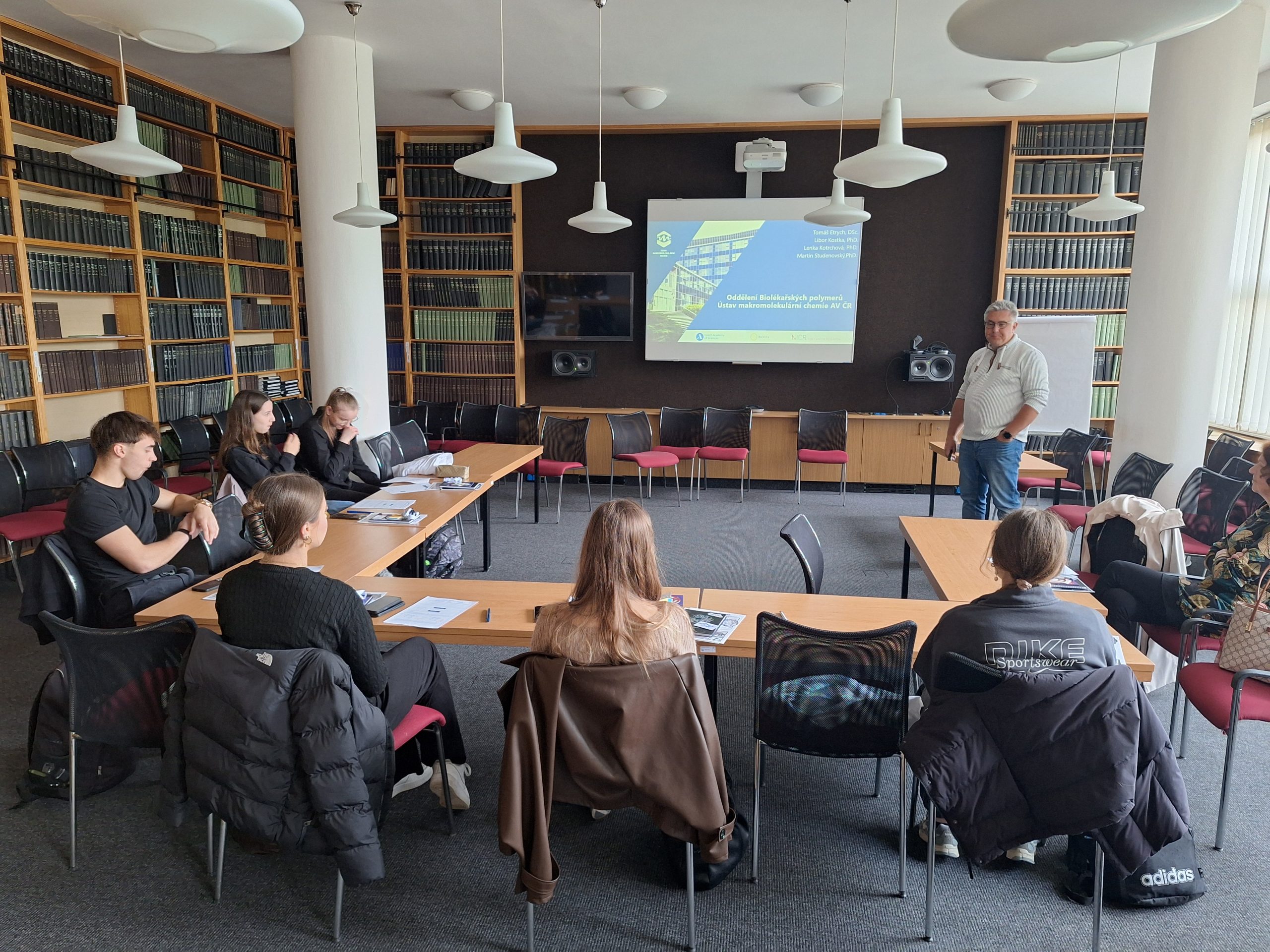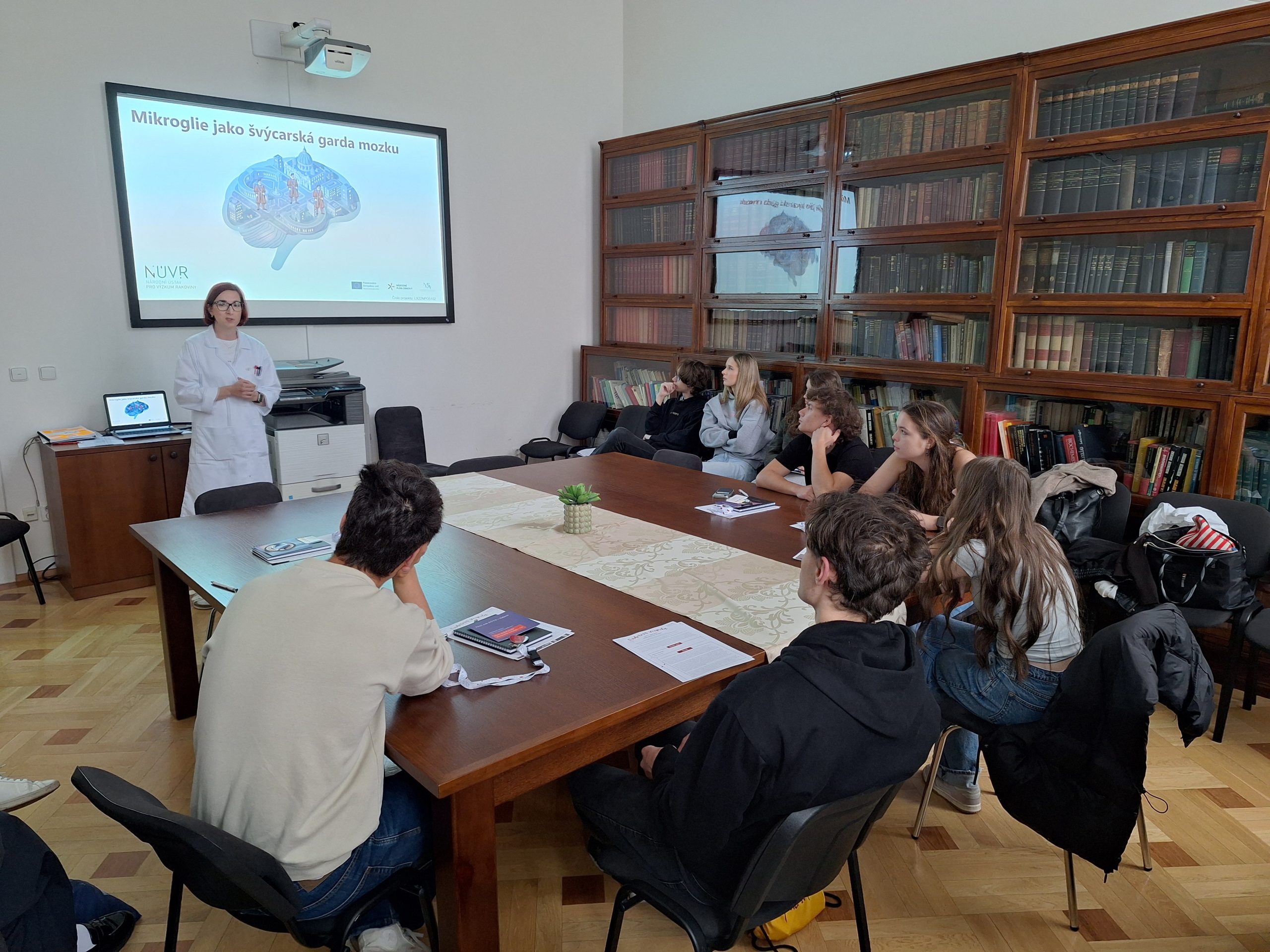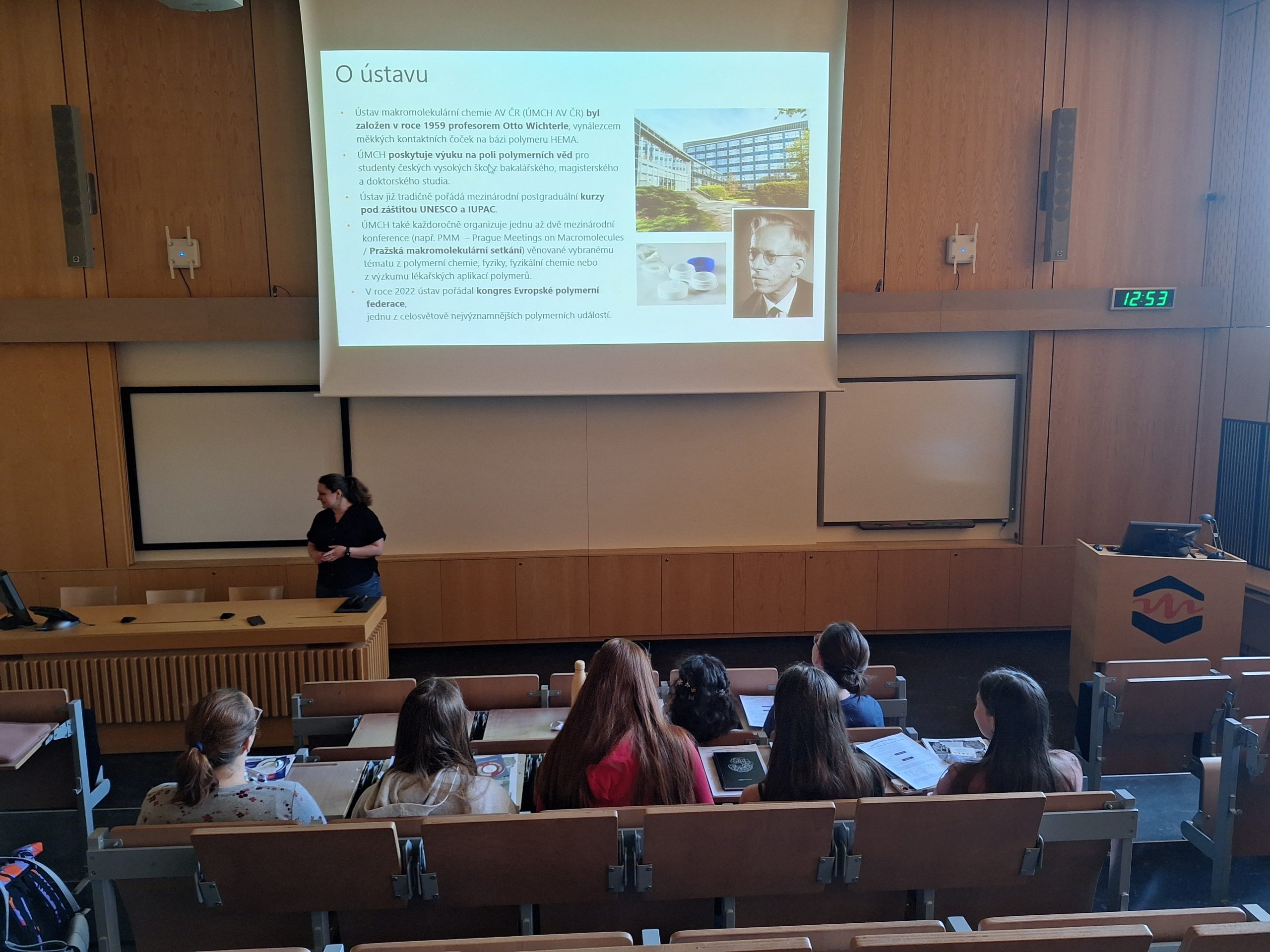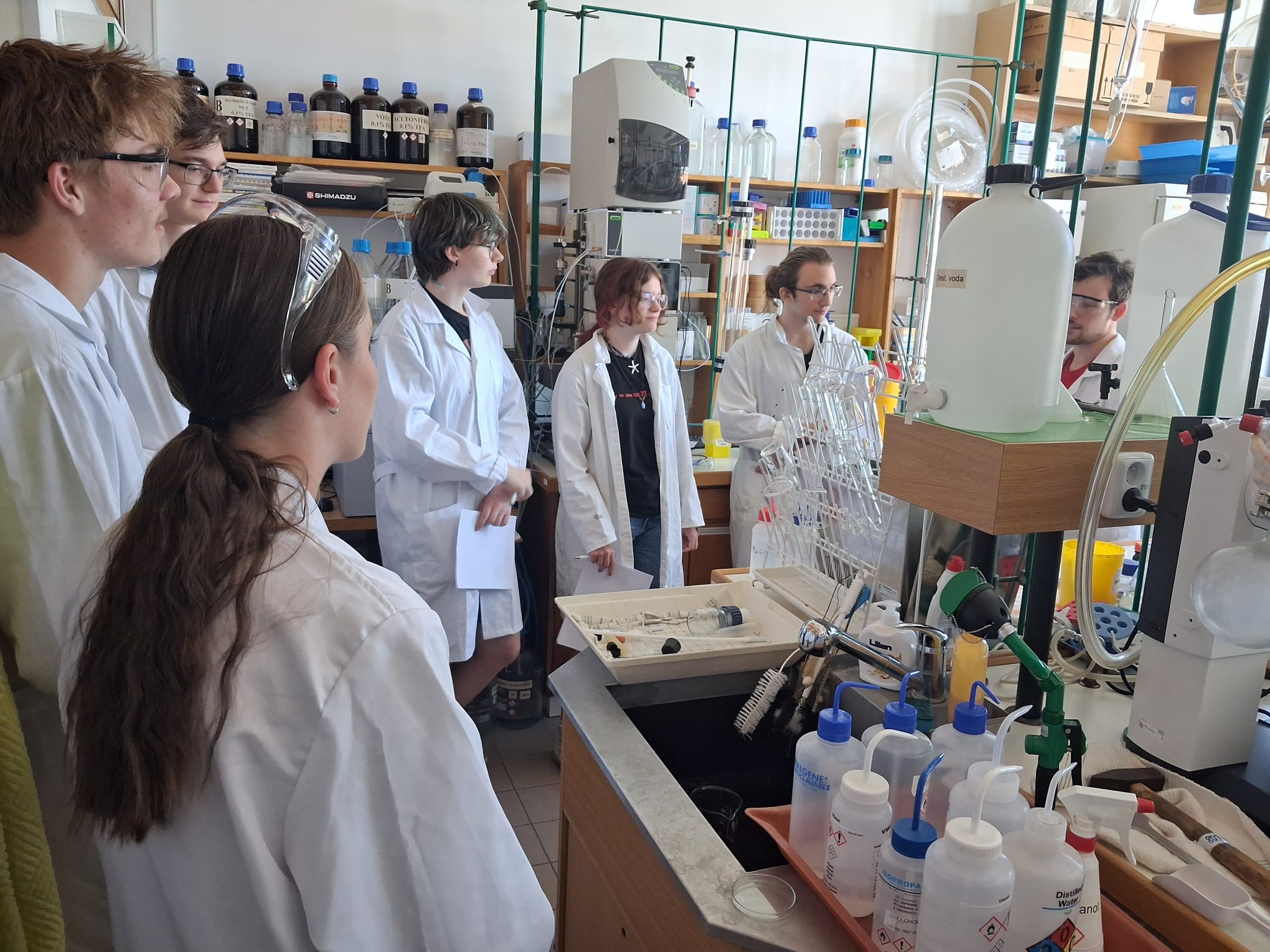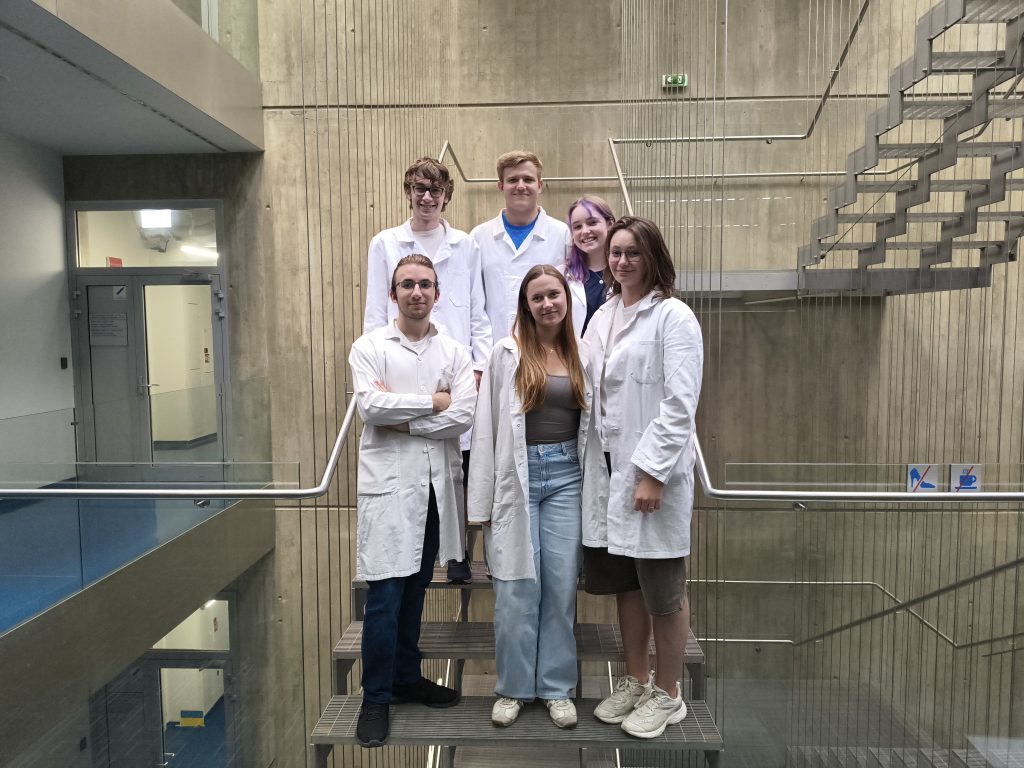



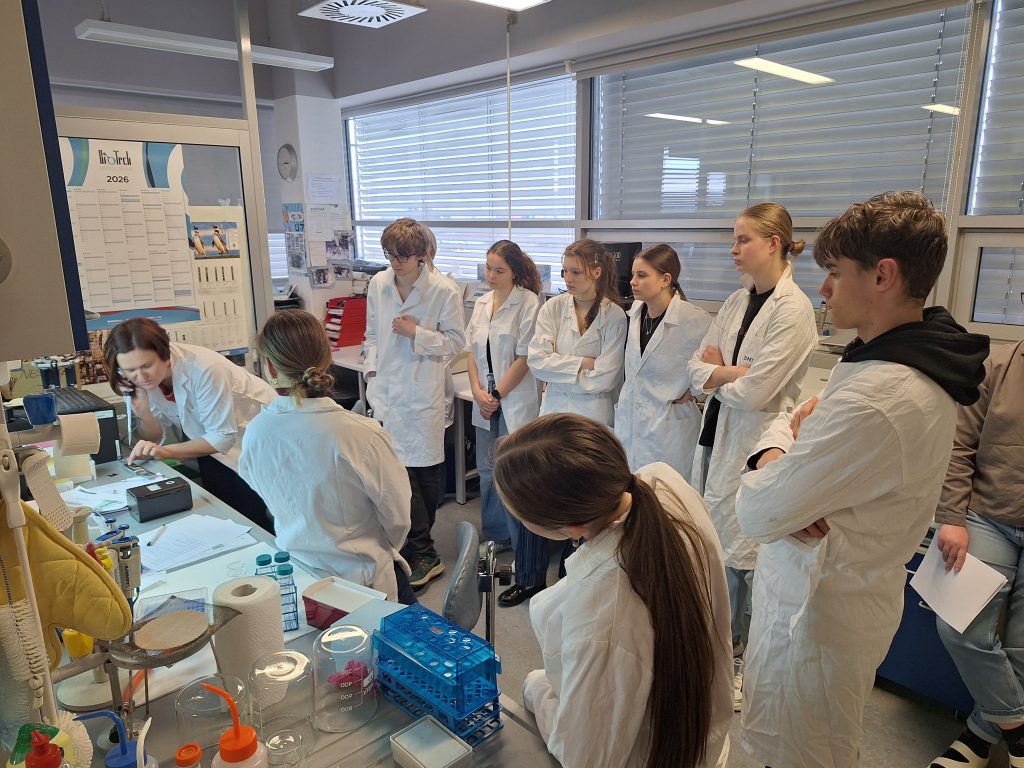
What does cancer research look like up close? What technologies do scientists use today, and what does working in a modern laboratory involve? Nearly 200 secondary school students sought answers to these questions during the first half of 2026 by taking part in NICR’s interactive workshops.
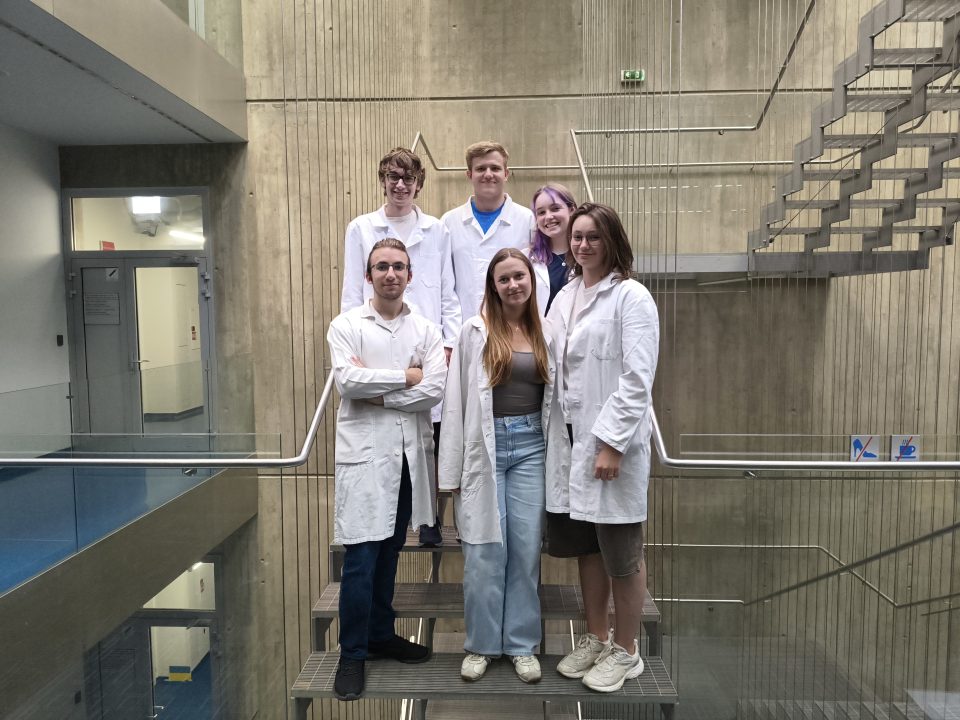
Between February and June, NICR organized 23 workshops focused on various areas of biomedical research. The participants, primarily students in their third and fourth years of secondary education, had the opportunity to work with laboratory equipment, learn about methods used in cancer research, and discuss academic and career opportunities with researchers. In total, 197 students from grammar schools and vocational secondary schools attended the workshops, coming not only from Prague but also from Benešov, Beroun, Kladno, Kutná Hora, Říčany, and Hradec Králové.
The programme consisted of four thematic workshops: Tumour Immunity – When Defence Becomes the Enemy (Laboratory of Cancer Cell Biology, Institute of Biochemistry and Experimental Oncology, First Faculty of Medicine, Charles University), A Microscopic View into Cancer Cells (Laboratory of Cancer Cell Architecture, Institute of Biochemistry and Experimental Oncology, First Faculty of Medicine, Charles University), DNA Detective: A Mysterious Species Under the Lens – Is Sequencing More Accurate Than Microscopy? (Laboratory of Genomics and Bioinformatics, Institute of Molecular Genetics of the Czech Academy of Sciences), and Cancer Cell, Reveal Yourself! – Polymer Materials for Image-Guided Surgery (Biomedical Polymers Department, Institute of Macromolecular Chemistry of the Czech Academy of Sciences). All available workshop sessions were fully booked, confirming the sustained interest among students in experiencing science beyond the classroom.
“One of NICR’s important missions is to inspire young people who will one day help shape Czech science, research, and healthcare. We are pleased to offer them the opportunity to experience a real scientific environment, meet experts, and gain first-hand insight into the work behind new discoveries and innovations in the fight against cancer. We are particularly encouraged that feedback shows many participants are now considering further studies or careers in biomedical fields,” says Aleksi Šedo, Director of NICR.
Each workshop also included an anonymous participant survey. This year, 119 students completed the questionnaire, representing the highest response rate to date. The workshops received an overall rating of 9.06 out of 10, matching last year’s results. More than half of the respondents also indicated that they were considering a future career in biomedical research. Students most frequently appreciated the opportunity to work with real laboratory equipment, the friendly and approachable instructors, and the chance to gain insight into the daily work of scientists.
“Every meeting with secondary school students reminds us how many talented and motivated young people are growing up around us. Their questions, ideas, and enthusiasm are a source of inspiration not only for themselves but also for our instructors and researchers. This is, in my view, one of the greatest values of these workshops – inspiration and motivation work both ways,” adds Aleksi Šedo, expressing his gratitude to all instructors involved in preparing and delivering the workshops. “Their willingness to share their expertise beyond their regular responsibilities gives students a unique opportunity to experience science in practice and gain insight into the environment of cutting-edge research. I would also like to thank the leadership and teachers of our partner secondary schools, who encourage students to explore the natural sciences and support their interest in further study and scientific careers.”
Following the success of the spring programme, NICR plans to continue the workshops in the autumn by opening additional sessions for secondary school students. A new pilot seminar for biology and chemistry teachers is also being prepared. Its aim will be to introduce current topics in cancer research, provide practical ideas for classroom teaching, and strengthen cooperation between research institutions and secondary schools. Through these activities, NICR seeks to further develop its educational outreach and foster interest in science among both students and the teachers who guide them on their educational journeys.