


How do cells regulate the production of ribosomes, which are essential for protein synthesis? Scientists from the Laboratory of Cancer Cell Biology at the Institute of Molecular Genetics of the Czech Academy of Sciences, which is part of NICR, have uncovered a previously unknown mechanism that regulates this process. They also found that disrupting this mechanism can make cells more sensitive to certain anticancer compounds.
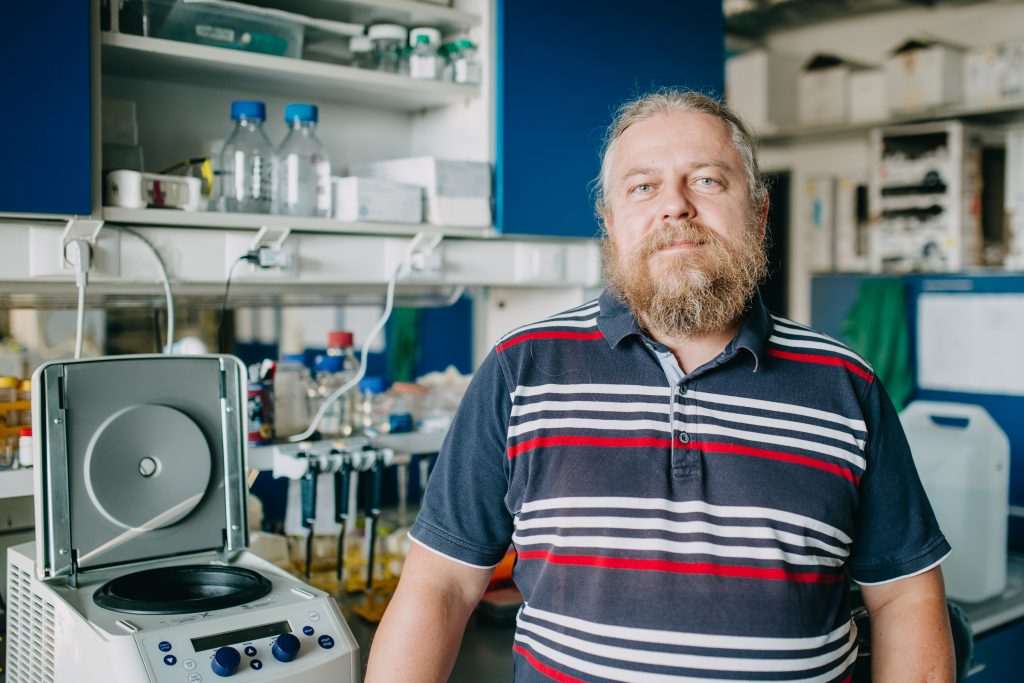
The research team led by Libor Macůrek discovered that two enzymes with opposing functions, CK2 and PPM1D, are involved in regulating ribosome production. Together, they control the activity of TCOF1, a protein involved in organising the nucleolus and producing ribosomal RNA. The two enzymes act as a molecular switch, enabling the repeated recruitment and release of the molecules needed to produce ribosomal RNA.
The discovery is also relevant to cancer research. Cancer cells are highly dependent on ribosome production to support their rapid growth. In laboratory experiments, the researchers found that blocking PPM1D activity increased cellular sensitivity to compounds that inhibit RNA polymerase I, an enzyme involved in ribosomal RNA production. This effect was also observed in cells lacking functional p53.
The findings suggest a potential avenue for developing new combinations of anticancer drugs. However, experiments investigating the effects of combining these inhibitors have so far been carried out only on human cells under laboratory conditions, and further research will be needed to determine whether this approach could benefit patients with cancer. The study was conducted in collaboration with researchers from Charles University, and the findings were published in the scientific journal Nucleic Acids Research.
Read more in the press release issued by the Institute of Molecular Genetics of the Czech Academy of Sciences.