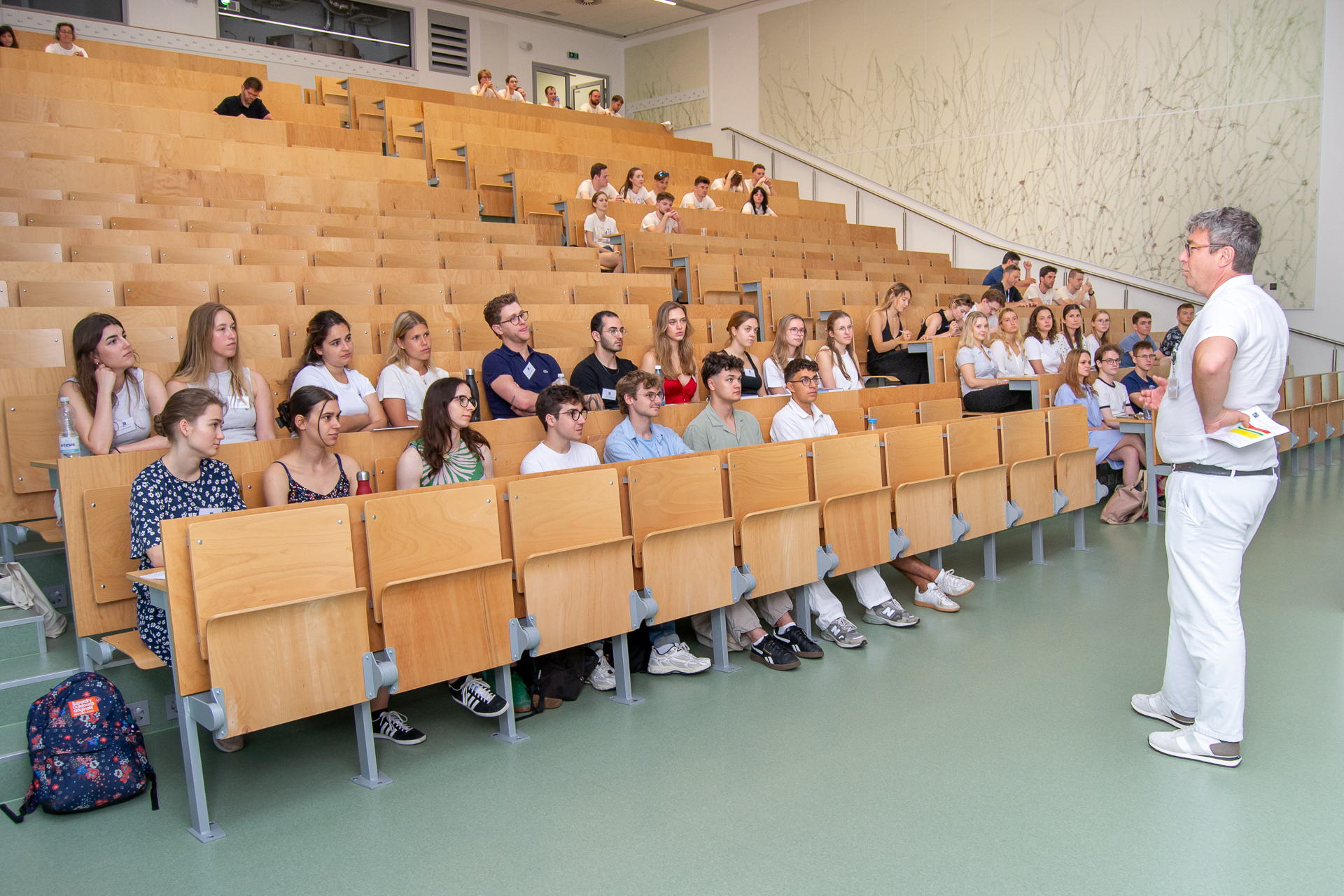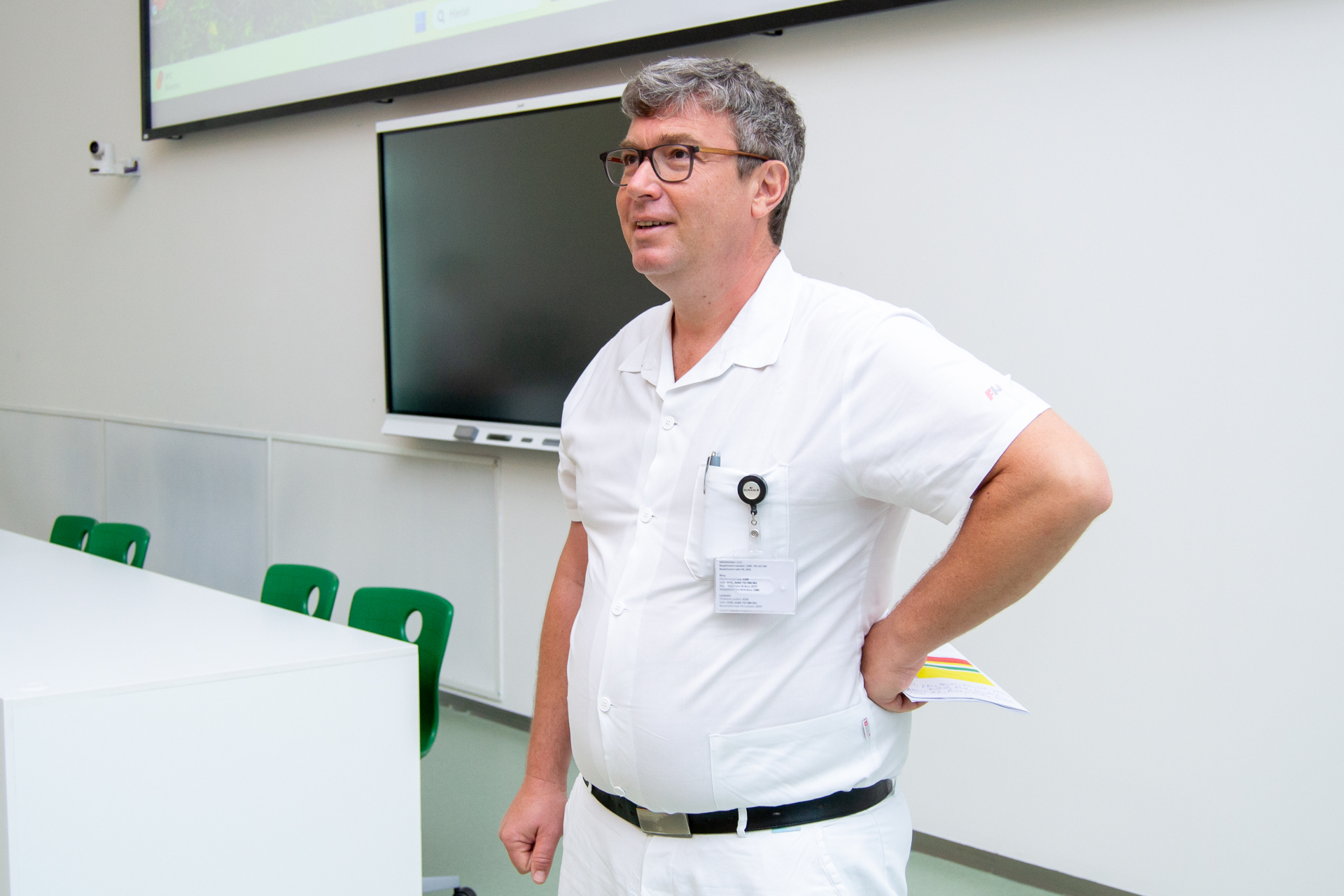



At the turn of June and July, the 13th Summer School of Experimental Surgery took place at the Faculty of Medicine in Pilsen, Charles University. The event is traditionally organized by the team led by Václav Liška, whose research group is part of the National Institute for Cancer Research (NICR).
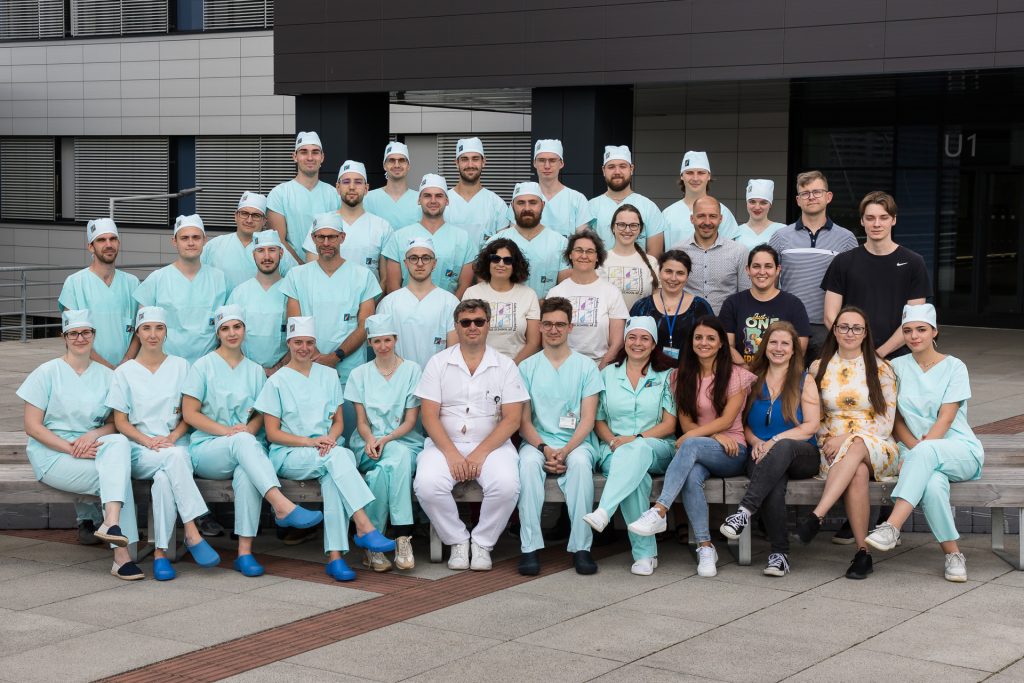
Around 30 medical students from several countries took part in the two-week intensive programme, which combined hands-on surgical training with lectures, discussions, and opportunities to meet leading experts from the Czech Republic and abroad.
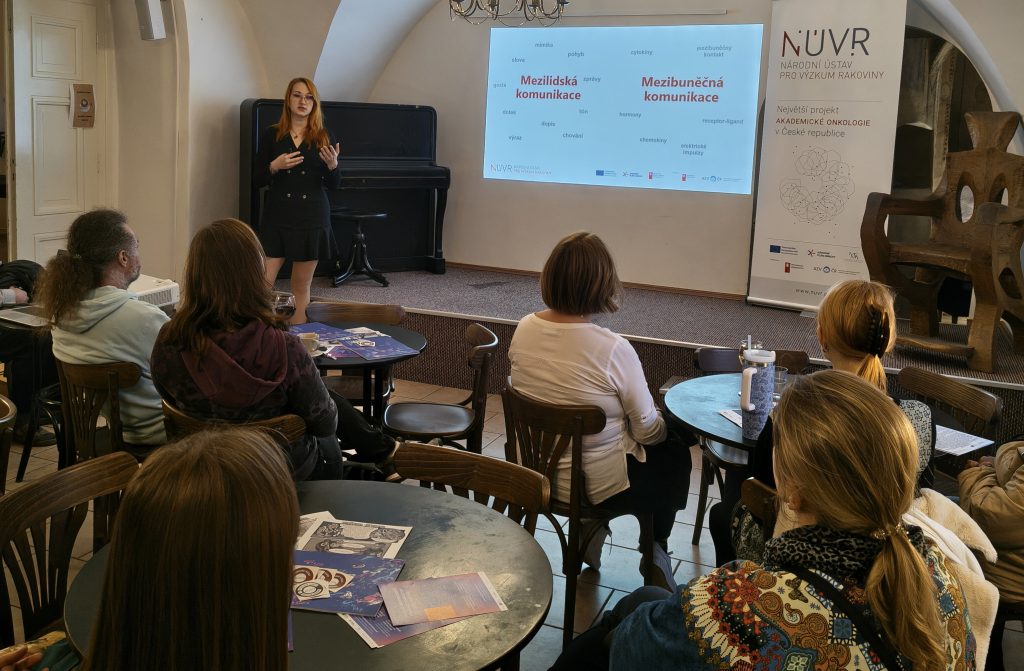
The event also demonstrates that collaborations established within NICR extend well beyond joint research projects. One example is the partnership between the teams of Václav Liška and Ondřej Slabý, which originated through NICR and has gradually expanded into educational activities. “Just like last year, Professor Slabý delivered a lecture on precision oncology at this year’s Summer School of Experimental Surgery, and he is gradually becoming one of the programme’s regular speakers,” says Václav Liška.
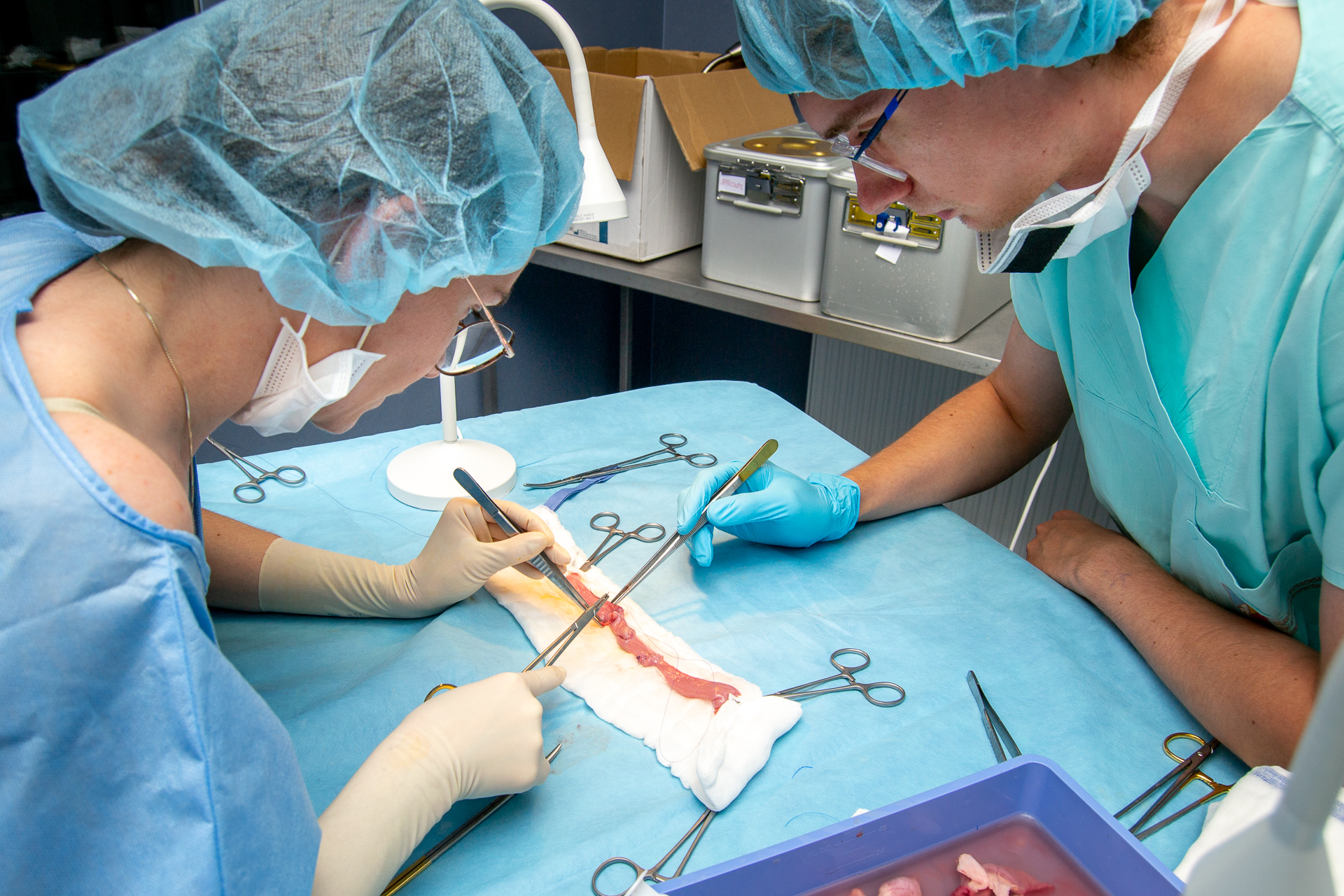
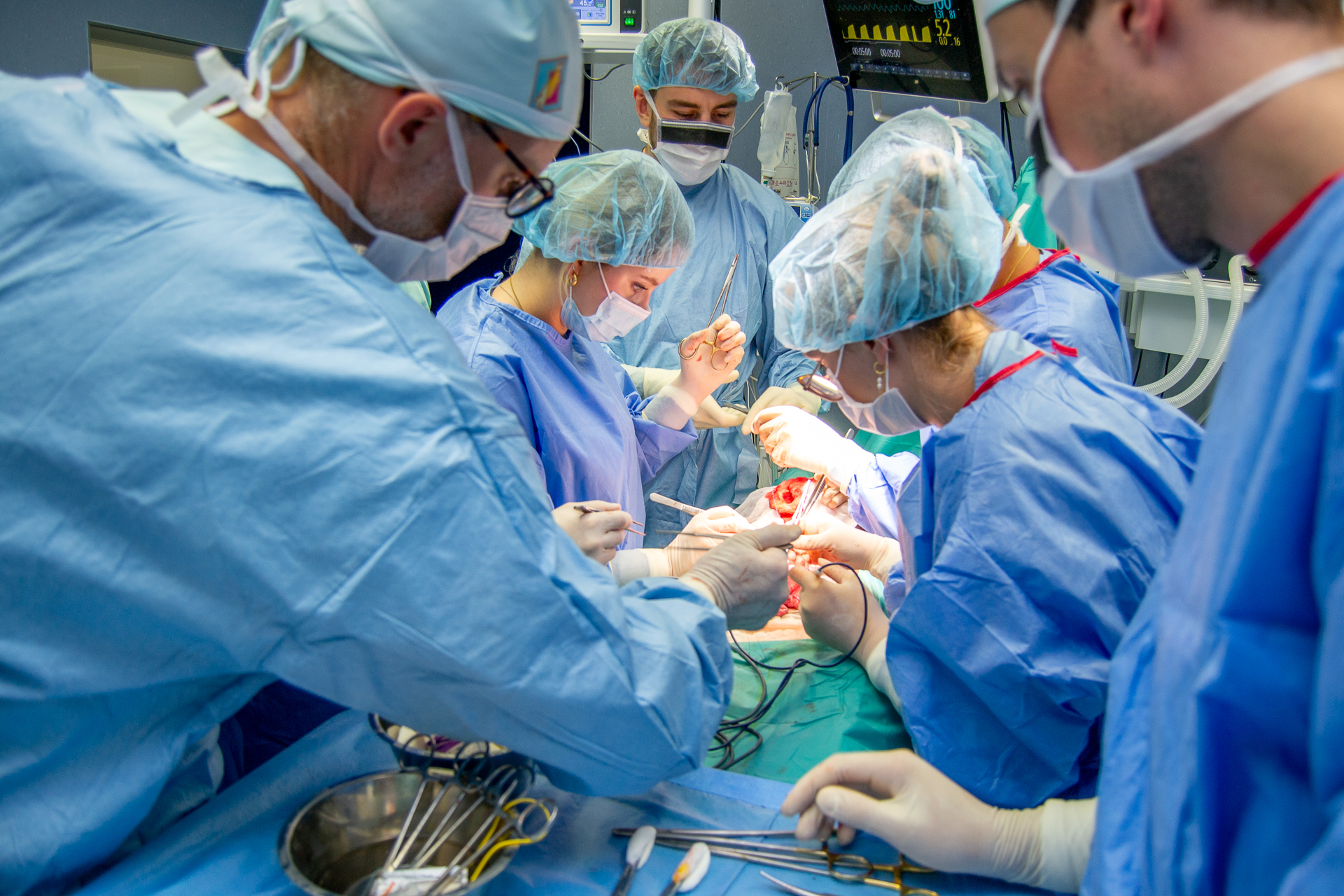
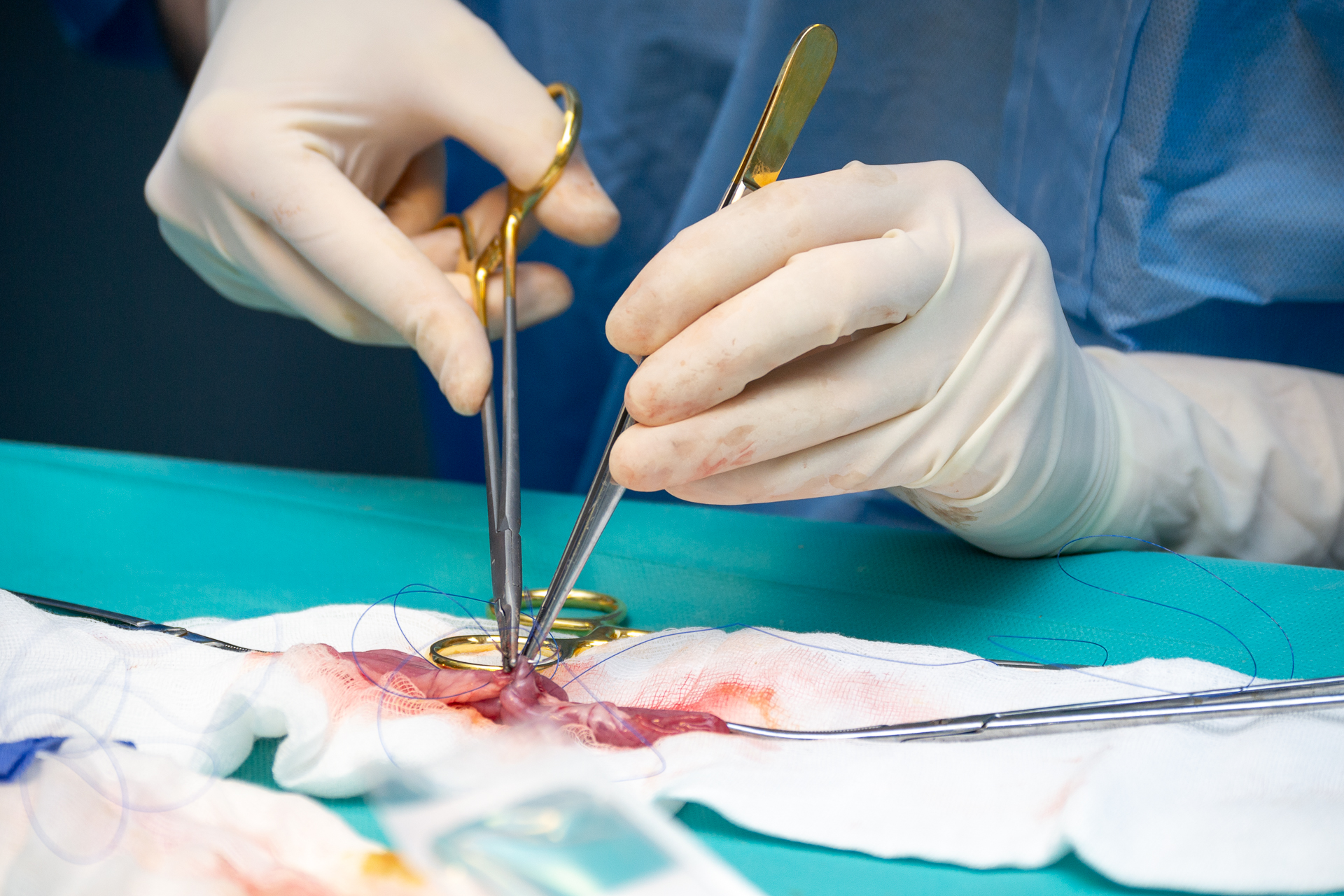
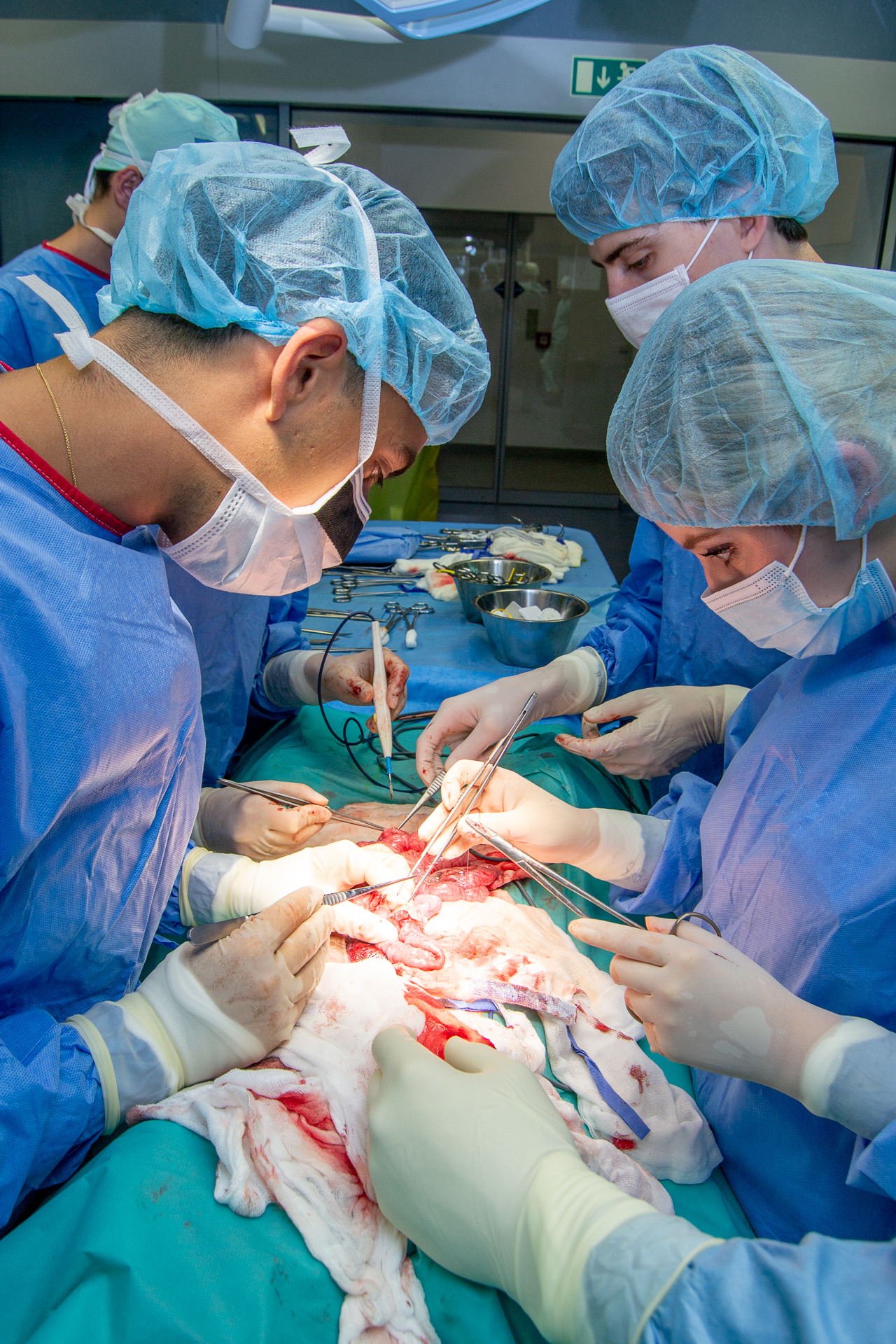
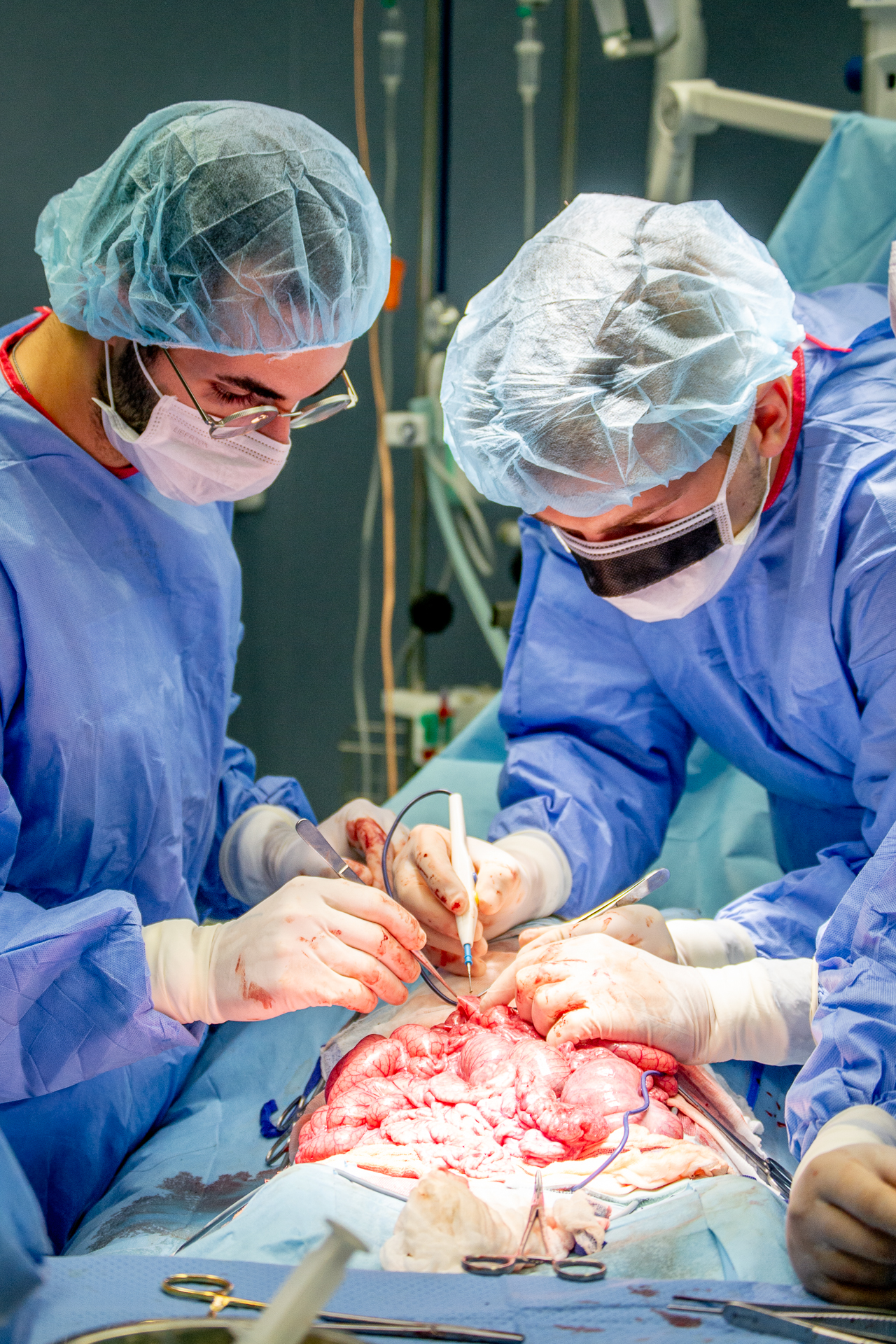
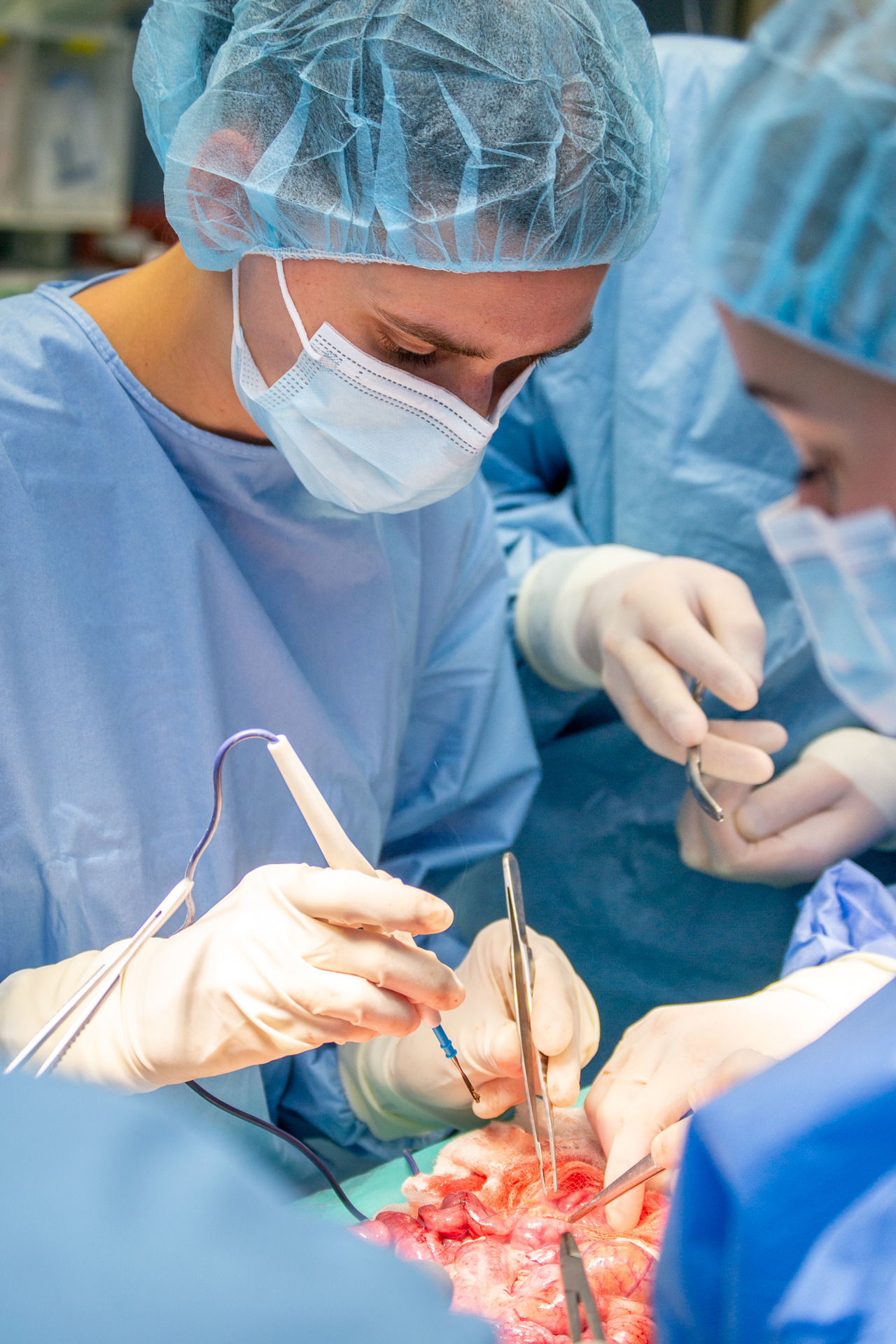
The core of the 13th Summer School of Experimental Surgery consisted of practical training. Students progressed from mastering basic suturing techniques to vascular and microsurgical suturing before moving on to more advanced surgical procedures, including organ resections. The programme emphasized not only technical proficiency but also precision, teamwork, responsible decision-making, and an understanding of the broader context of experimental medicine.
An important added value of the summer school is the participation of distinguished international guests. This year’s speakers included Professor Pierre-Alain Clavien, Professor Inge Herrmann, and Dr Alexandre Anthis from Switzerland; Professor Uta Dahmen and Dr Mohamed Albadry from Germany; and Professor Lieven Thorrez from Belgium. Their contributions gave students the opportunity to learn about the latest advances and diverse perspectives in modern surgery, the development of novel biomaterials, transplantation medicine, and tissue engineering.
The Summer School, however, is much more than a series of practical sessions and scientific lectures. Its social programme allows students and faculty members to meet outside the classroom, build new professional connections, and exchange ideas in a more informal setting. The combination of demanding scientific training, an international environment, and a friendly atmosphere has long been one of the defining characteristics of the entire project.
The complete photo gallery is available here.