


‘We can see every single atom.’ That is the brief but eloquent motto of the Structural biology research group that is part of NICR and works at the Institute of Organic Chemistry and Biochemistry of the Czech Academy of Sciences. Knowledge of the three-dimensional structure of proteins, including those which are responsible for the emergence of cancer, plays a key role in the development of molecules with anti-tumour properties. Pavlína Maloy Řezáčová, head of the research group, notes that this work is varied and highly creative – it is thus little wonder that her group includes also musicians and theatre-makers, such as herself.
-
What made you choose a career in science and why did you decide for natural sciences?
Our entire family has always loved nature. I should say that most active in this respect was my father, who was bringing home all sorts of animals, from seahorses all the way to garden snakes and hamsters, and finally even the much-desired dog – and mom helped us take care of them. This is how I think my interest somehow naturally take root.
When I began studying biology, I soon moved to molecular biology, because it fascinated me that the key processes of life take place on the tiniest level of individual atoms. Then I started to work as a biochemist – and that brought me to structural biology.
-
When you were a child, did you ever take apart alarm clocks down to individual cogwheels and gears like you take apart molecules to see individual atoms?
Not really, I did not disassemble alarm clocks, but I did like observing nature, thinking about why things happen just the way they do. Now that I study the structure of molecules, and the principle of thinking is actually similar – I am trying to see the internal organisation of the system and understand what rules determine its behaviour.
-
What can structural information tell you about how a molecule functions, and how can we use that to control or modify its behaviour?
The structure of macromolecules, which are the basic building blocks of life, is crucial for understanding their function. It is like looking at how some machine functions: when we realise what each individual part looks like, we can hope to understand how the machine works. In just the same way, we can tell the function of a molecule from the organisation of its atoms, for instance how and where a particular protein binds to its partners, how its catalysis works, or what conformation changes are important for its function. Such structural information can also indicate the weak spots of a molecule, the places we can target and create substances which, in a targeted way, inhibit, activate, stabilise, or otherwise modulate its function. And that is important for the development of new pharmaceuticals.
-
Are there moments when nature – or, let us say, God – surprise a scientist who investigates the innermost workings of a molecule? When a scientist finds in the molecular structure something that logically should not be there?
It happened many times that a structure surprised me simply by being different from what I expected. I keep telling myself what my mentor once told me: ‘This is not the answer. Structure tells us what questions to ask.’ So, when I discover in the structure of the molecule something that surprises me, I start asking further question, go back into the lab, and try to somehow solve the puzzle on the level of biology and biochemistry.
-
What molecules are the most suitable, and perhaps even the ‘easiest’, target and which ones are the most difficult to tackle?
A relatively easy target are stable enzymes with a well-defined active spot. For them, we can relatively rationally suggest an inhibitor that would fit that particular defined spot. This is something our research group spends a lot of time doing also within NICR. Projects we participate in within NICR focus on the study of inhibitors of enzymes which participate in pathological processes, including cancers, such as carbonic anhydrase IX (CA IX) or cyclin-dependent kinase.
In contrast, flexible proteins or interactions between proteins and DNA are very difficult to tackle. It requires a really creative approach and a combination of different methods, but that is why it is so attractive for us, scientists. For academic research, such difficult structures are actually the most interesting ones.
-
Is there some molecule whose structure fascinates you especially?
As I have already mentioned, I have always been fascinated by enzymes. Still, as various techniques develop and hand in hand with it there also shift the horizons of what we can see, I keep returning to my roots in biology and what I am especially interested are bacterial transcriptional regulators. These are proteins which bind to DNA and function as switches. This principle has been known since the 1970s and it is in all textbooks, but only now we have the instruments – in particular protein crystallography or cryogenic electron microscopy – which allow us to take a proper look at these complex structures. So, that is the direction in which I am moving now ...
-
Which of your research results do you view as most valuable or most promising?
I do not think I could pick one article or patent, that would not be right. In general, what I view as most valuable is understanding a structure that can be used to explain the mechanism of an important interaction and to design some molecules that could influence it – be it in connection with possible cancer treatments or, for instance, in connection with investigation of the regulatory complexes of bacteria and new antibiotics.
What I find especially valuable is the opportunity of a long-term collaboration with various research groups from the Czech Republic and abroad, including collaboration within NICR. I find it important to be part of such community and I very much appreciate the chance to share my knowledge and experience in courses and at universities not only at home but also abroad.
-
How and based on what do you choose your collaborators?
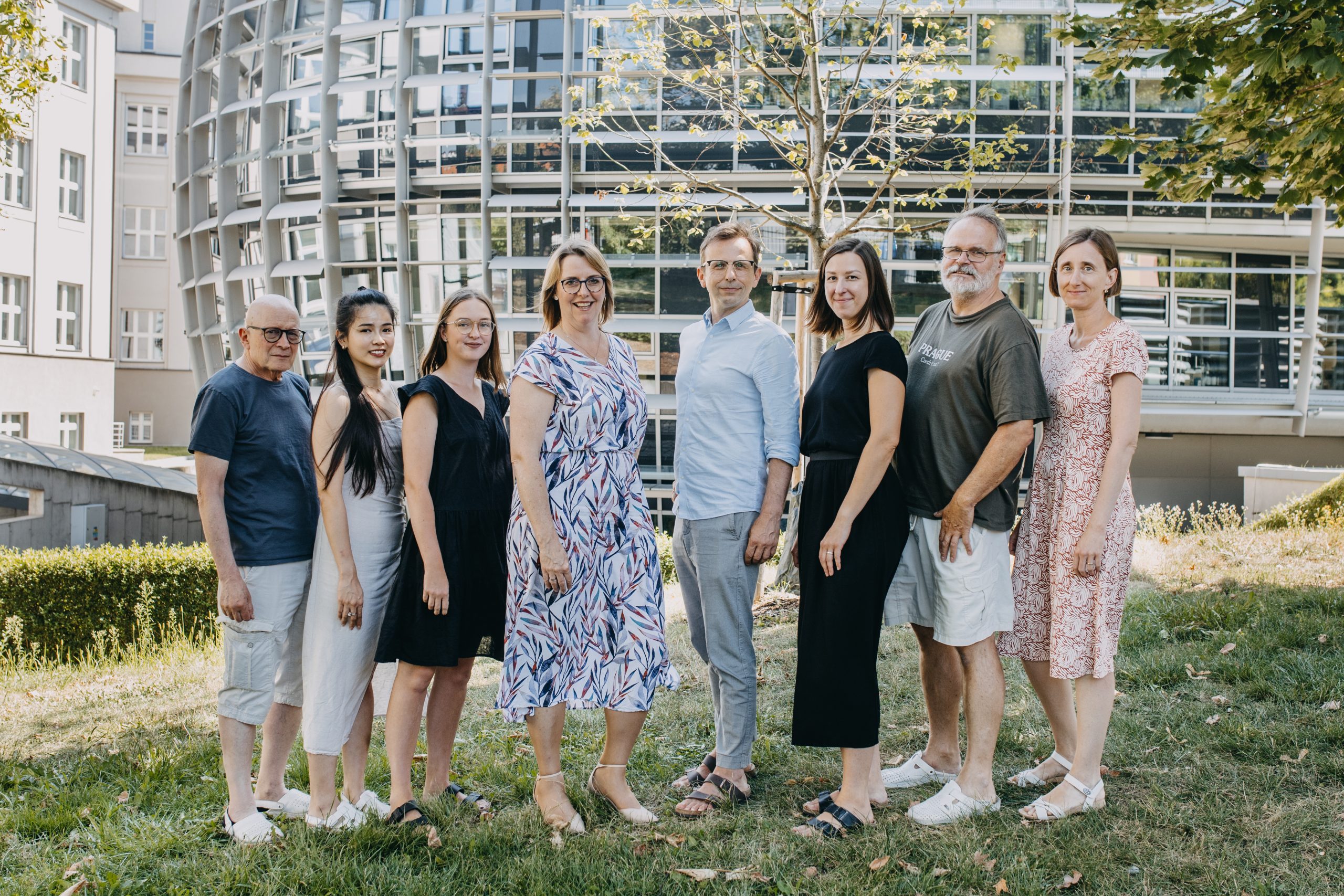
We are a very multidisciplinary team that includes a chemist, a biologist, biochemist, earlier also physicians… When selecting members, it is not only about the candidate’s perspective but about how motivated they are, whether they can work as part of a team, but I also value independence and interdisciplinarity.
-
Is there something that helps you and your team ‘tune to the same wavelength’? Do you have some shared interests also outside work, or perhaps some rituals?
We are, I would say, something of an art group: we have quite a few musicians and when the institute organises some parties for children, they often perform there. Our group also includes a few theatre-makers, including myself as an amateur. But it is not like we have our own band or theatre troupe.
-
So, you are a creative team through and through, both at work and outside it…
I think we are. Even our work as such is creative and requires many different techniques. One moment, you are cloning, producing proteins, spending a lot of time in the lab, and then again you spend hours and hours at the computer modelling molecules. My son says it is like a computer game. So, it is a of non-uniform, varied work and I think out people really enjoy it – it is then no surprise that they can enjoy also other things outside work.
-
We have already asked how you choose your collaborators, but we should also ask whether there is enough to choose from.
Interest in structural biology is great, especially now, thanks to the fact that last year we have opened at out institute a new facility for cryogenic electron microscopy. Nearly every month, we get some new application from a postdoc or doctoral student who would like to work with us. So, I would say our science is attractive. Perhaps it is also because ‘seeing is believing’ – we can really see the individual atoms, and that is a concrete proof how and why processes work.
-
Is the current model of educating new scientists sufficiently effective?
When it comes to structural biology, both crystallography and cryogenic electron microscopy have by now advanced to such an extent that people who do structural biology do not need to know every little detail of the relevant physics. The way structural biology is nowadays taught for instance at the Faculty of Science as part of biology and biochemistry certainly gives a solid foundation. On the other hand, it is also important to support critical thinking and students’ creativity, so that those who are really motivated can find the right resources and critically evaluate them. It is fantastic that the education system in Czechia is internationally open, that we can get students from abroad and, vice versa, our doctoral students are expected to acquire some international experience. That is immensely important.
-
By the way, how do you choose projects and collaborations in which you as a research group want to participate?
A project must be interesting for us from a scientific perspective, and we must be able to acquire shared financing. We can do some basic pilot experiments for a project that makes sense to our team from institutional financing, but if we want to get further, it must be a project that succeeds in the competitive environment of research financing.
-
What does involvement in NICR bring to you and your group?
I work in an institute that is dominated by chemistry, biochemistry, and physical chemistry. NICR enabled me to form links with leading groups that work in oncology. I met a lot of people from the Faculty of Medicine who are connected to the clinical practice. Thanks to it, I can now better place my knowledge of protein structure into the context of concrete cancers. At joint conferences, I also found myself slightly out of my comfort zone and attended lectures where patient data were discussed. That was really valuable for me. A researcher who works in biomedicine should sometimes leave the world of laboratories and look at patients in order to set own research into a real context. And that is something I had little opportunity to do before the establishment of NICR.
Many interdisciplinary collaborations were established thanks to NICR, and I hope it will work like that also in the future. I hope that perhaps some colleagues from NICR when they see some interesting molecule will think about our team of ‘structuralists’ from the Institute of Organic Chemistry and Biochemistry.
-
Mutual cooperation was one of the goals of NICR, which had since the beginning also the ambition to become a national authority on cancer research. Do you think it is succeeding?
I know the goal was to contribute to coordination and better visibility of Czech cancer research. Within the scientific community, that has already happened and NICR managed to create a platform that links the basic, preclinical, and clinical research. Becoming a national authority is a long-term process, but I think NICR has already managed to build very firm foundations.
-
NICR has now entered a period of sustainability, which will take another three years. What do you think is most important for NICR during this period?
As part of involvement in NICR, we have managed to attract into our group several young scientists and I think it is important to maintain this support. In NICR, we can follow up on current collaborations and choose high-quality projects that will be able to apply for financing. And it is also important to effectively use all the small infrastructures and know-how that was created thanks to NICR.
-
We should also mention that you are the deputy director of the Institute of Organic Chemistry and Biochemistry of the Czech Academy of Sciences. Is it difficult to combine research work with a managerial position?
It is not easy. Once again, I had to leave my comfort zone and learn something different from what I did so far. It requires good time management but also trust in the team. And I have a great team that functions well enough so I can leave them for a bit and run four floors up to the management level. The managerial role enables me to participate in creating the environment for excellent research, which has always been my priority also within the team. And, on the other hand, the practical experience from the lab sometimes helps me bridge gaps in my knowledge of management, which as a newbie necessarily have, and I can rely on it also when taking strategic decisions.
-
Do you still have any time for theatre, which you mentioned earlier?
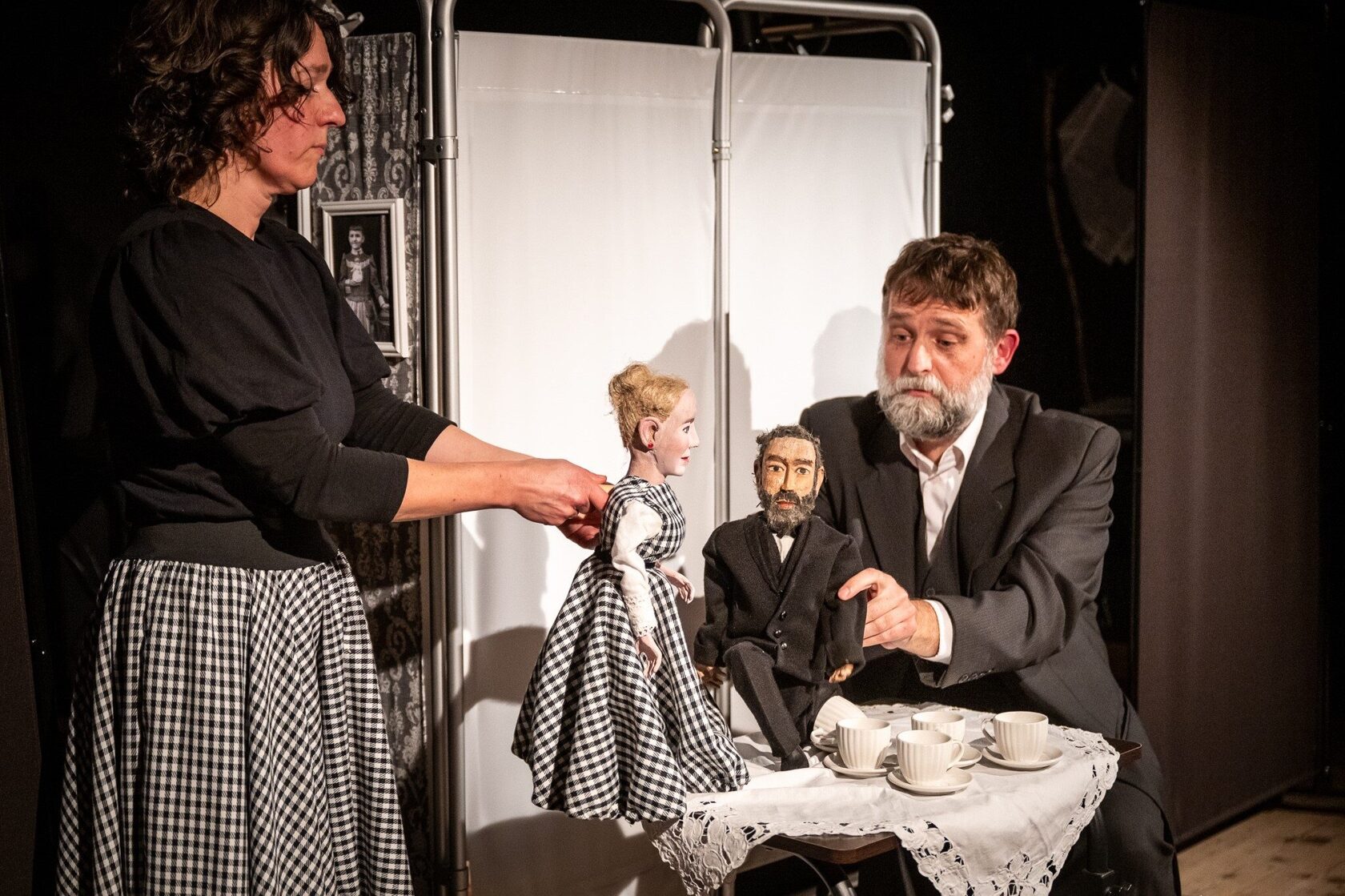
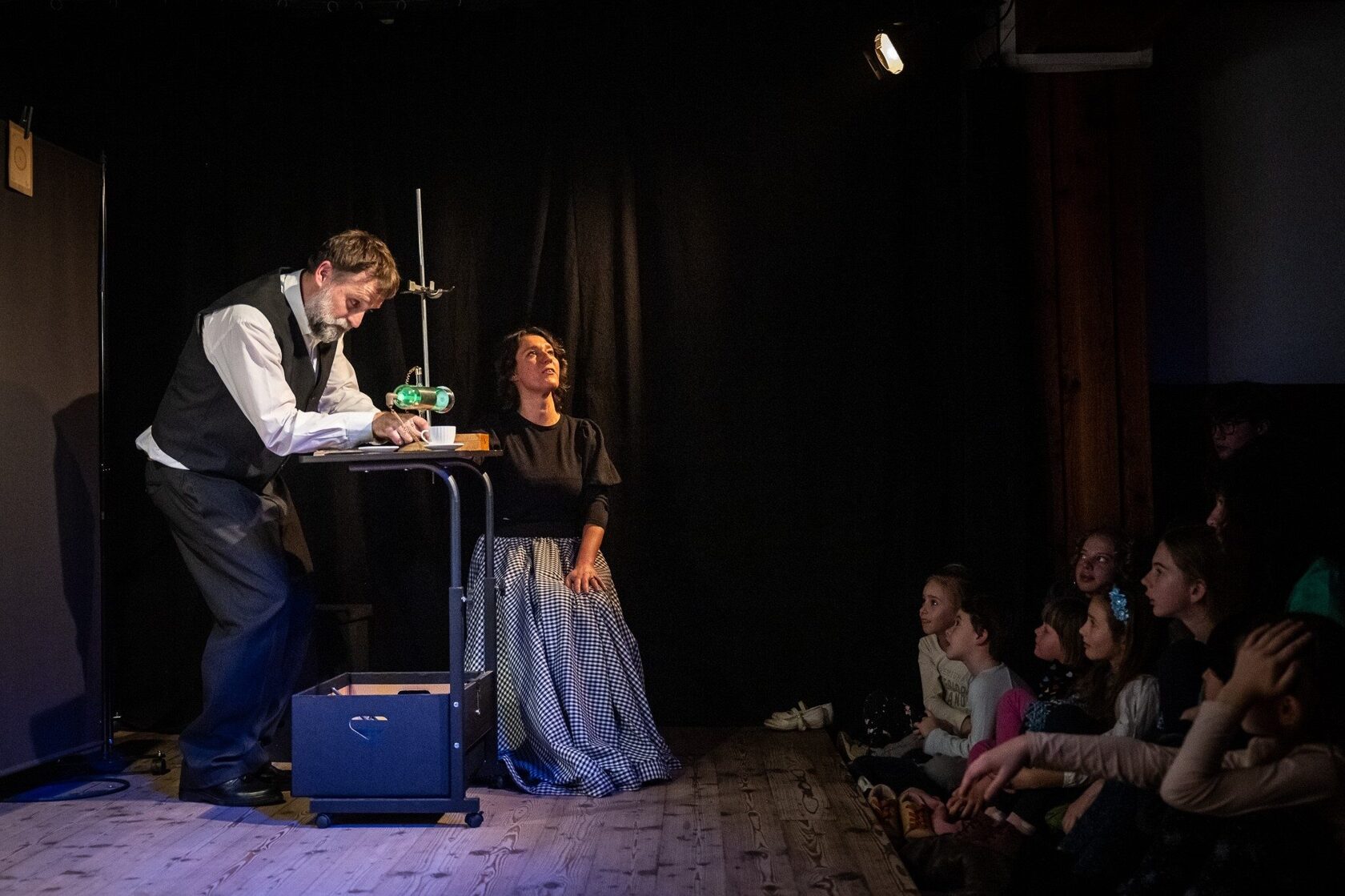
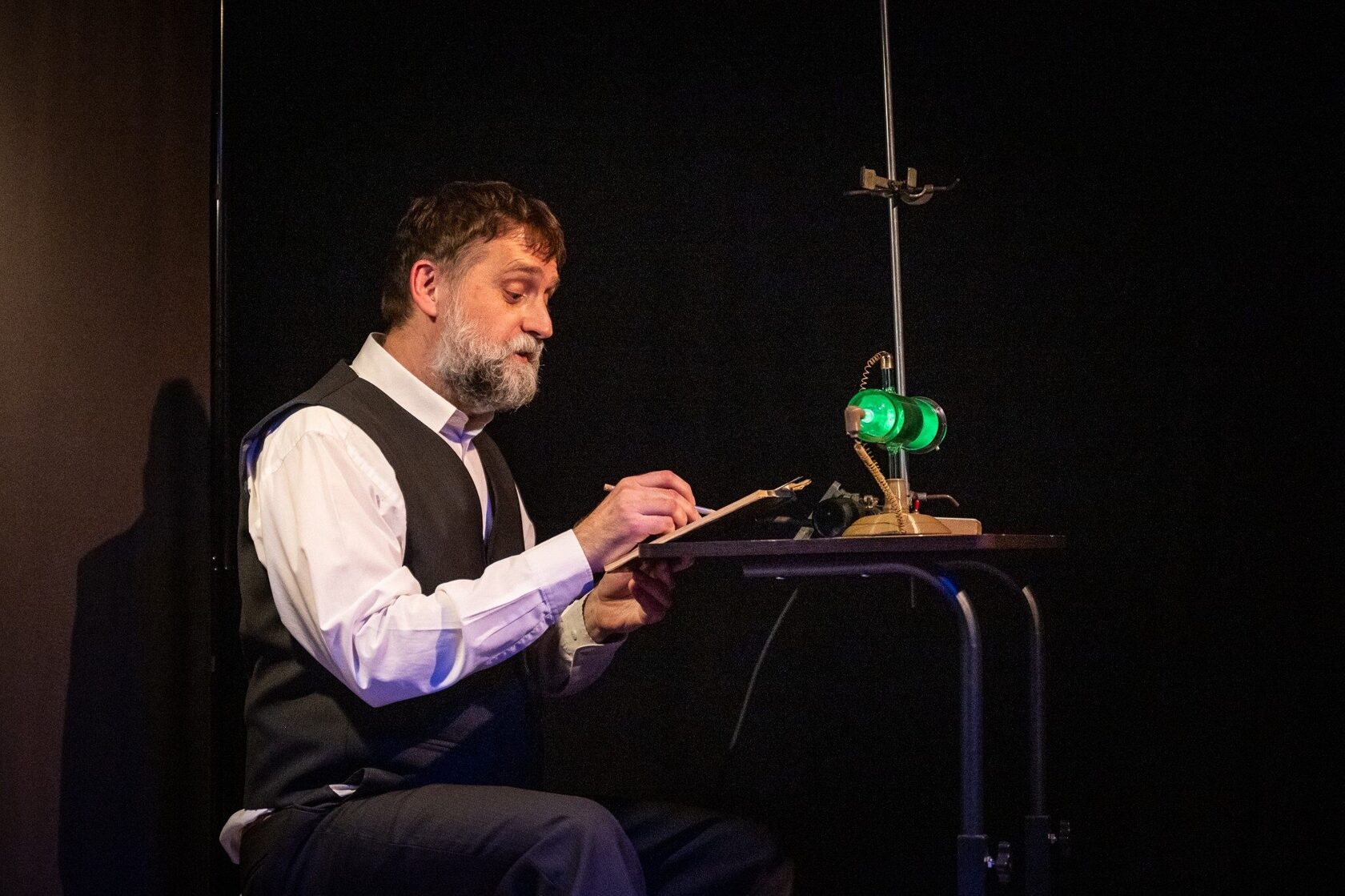
Right now, as we speak, I am getting ready for a theatre rehearsal… I am a member of the theatre group Scéna Kralupy in Kralupy nad Vltavou, and it is my really great hobby. But even this gets somehow linked to my work – my so far last play was about the discovery of x-rays. And it opened on 8 November 2025, which was, to the day of 130 year anniversary of the Wilhelm Röntgen’s famous experiment. But the main hero of the play is Röntgen’s wife, which is why the play is called Berta RTG: I Have Seen My Death. She was brave enough to suggest to her husband that he should shine the rays through her hand, and she said the sentence that is in the name of the play when she saw the first, now iconic, x-ray image of her hand with a ring.
-
Does this mean that you not only perform on stage but also write plays?
Yes, and also direct. It is all actually wonderfully connected. In theatre, I draw on my work, in writing I thematically draw on science, in directing I use my experience from management, and in science I draw also on theatre, because every presentation is also a little bit like a theatre performance….
Photo from a theatre performance: Anna Gutrie