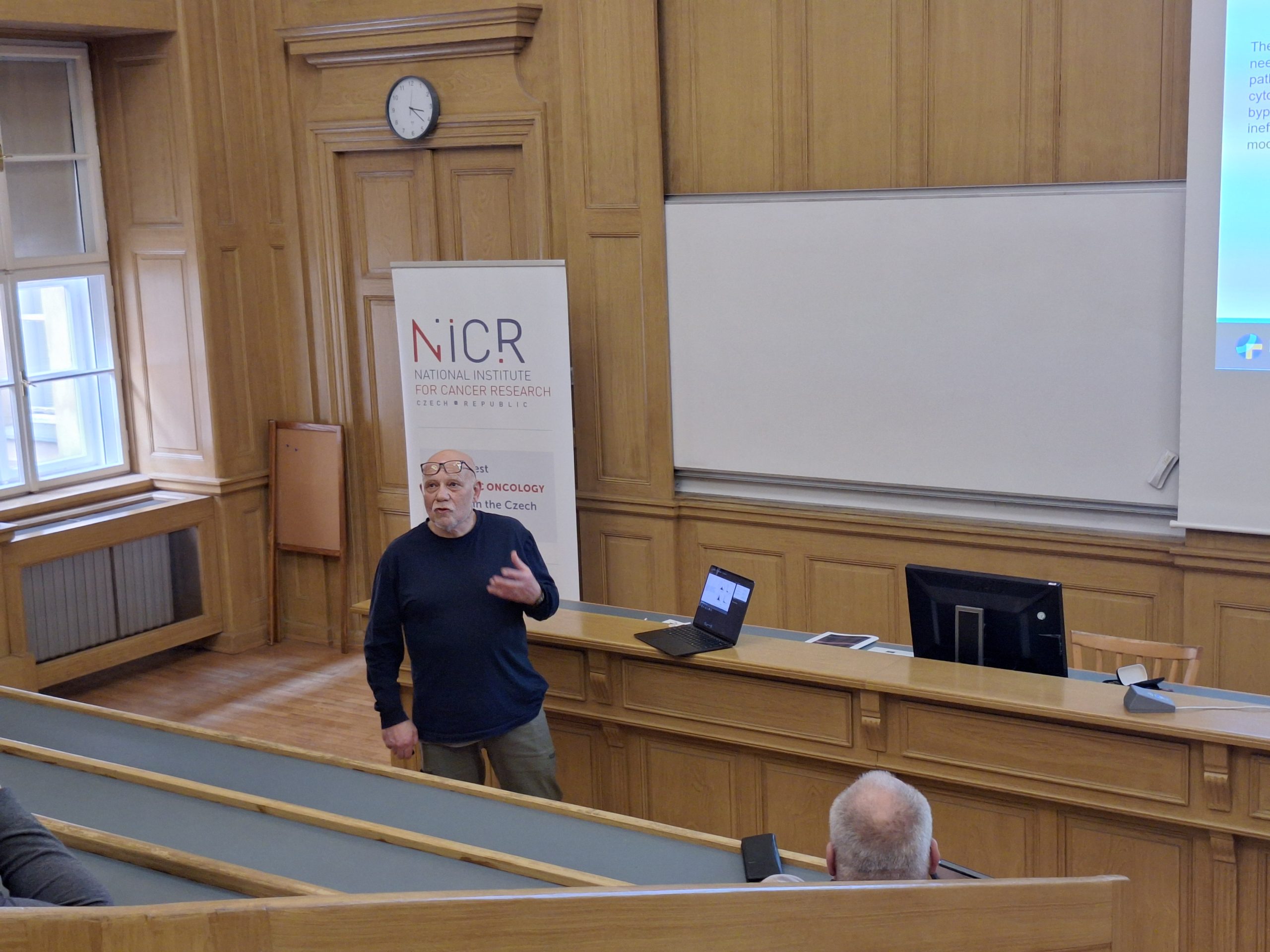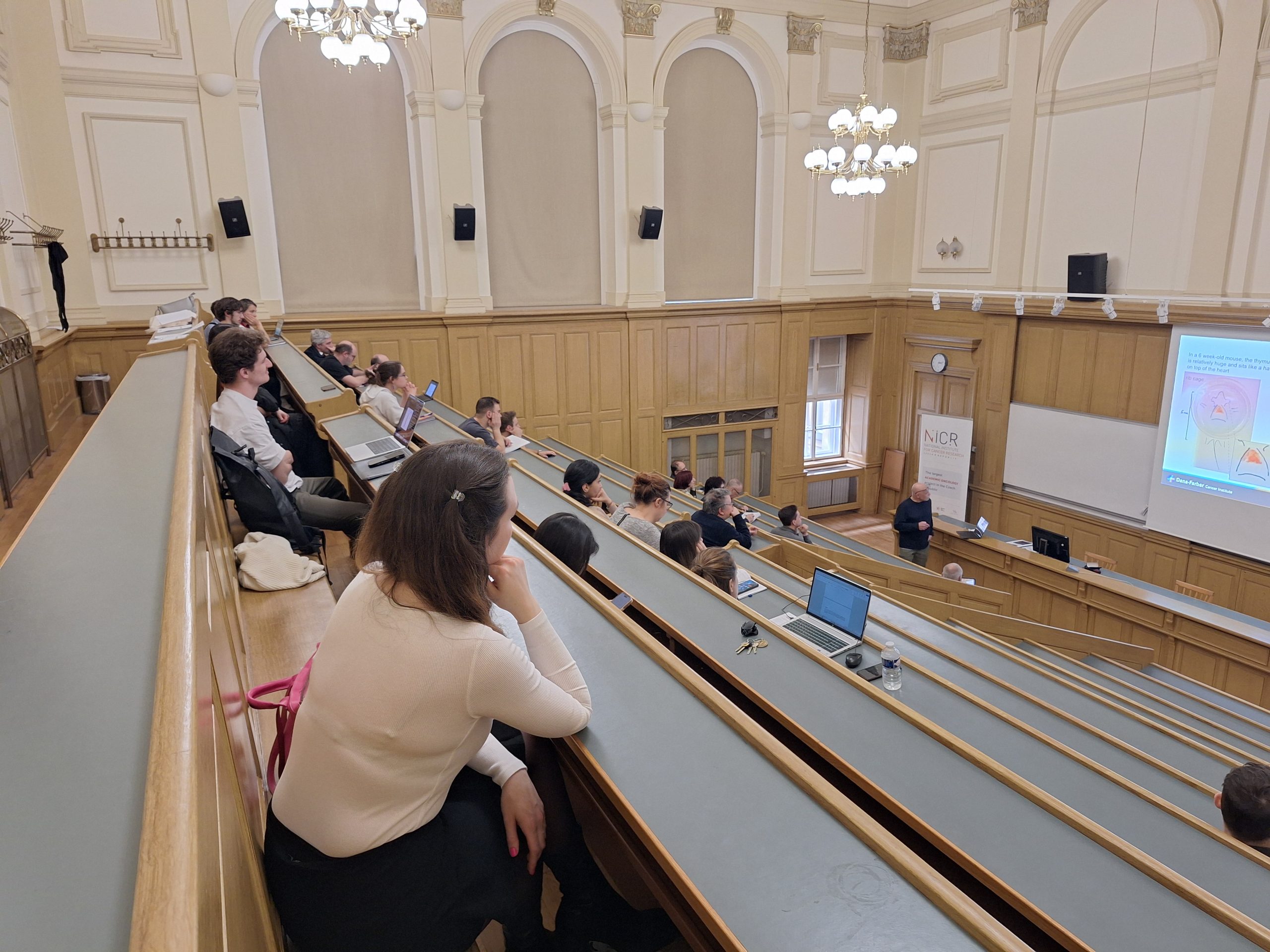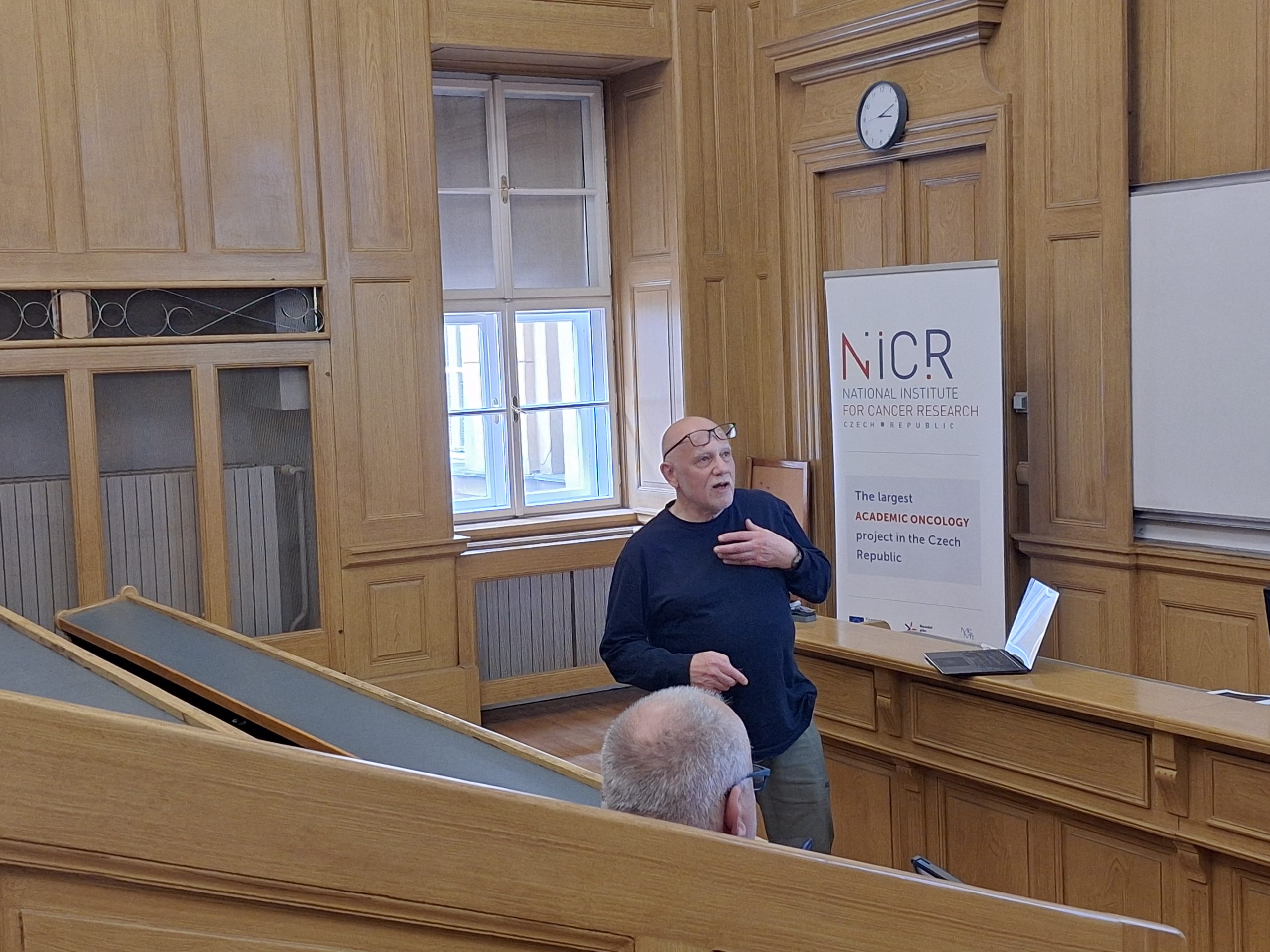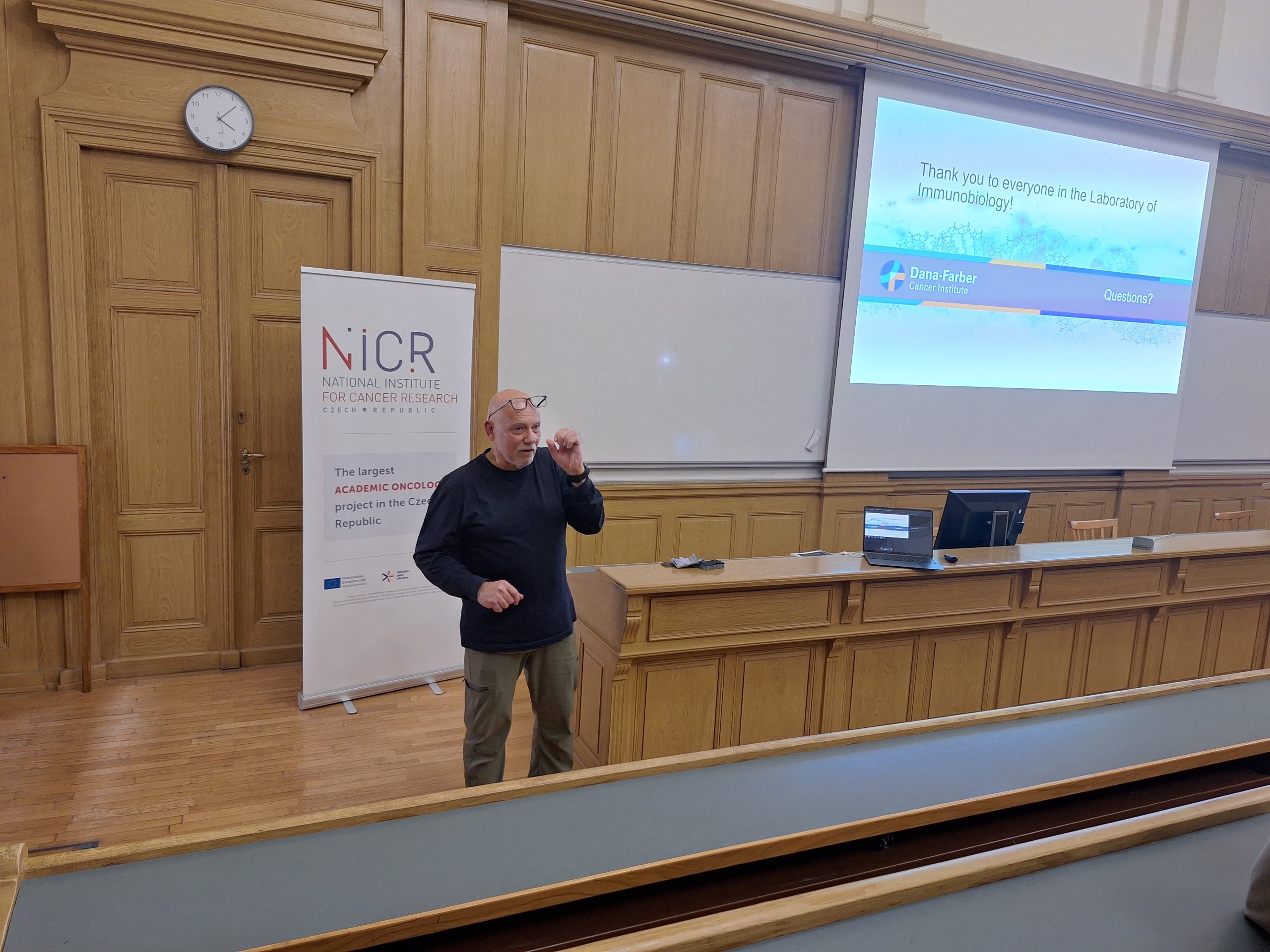



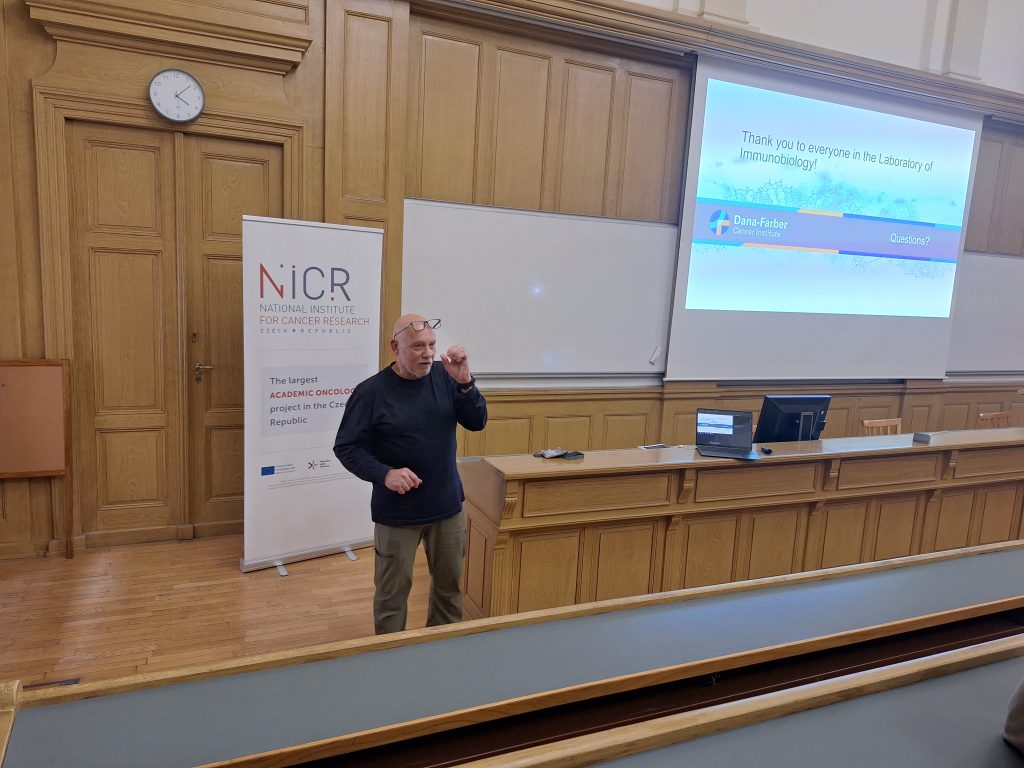
Our dear longtime colleague and friend, leading molecular immunology expert Jonathan S. Duke-Cohan from Harvard Medical School and Dana-Farber Cancer Institute, visited Prague once again.
In collaboration with the National Institute for Cancer Research (NICR), Jonathan S. Duke-Cohan was invited to speak at the First Faculty of Medicine, Charles University, on 12 March as part of the News in Biomedical Research lecture series. His lecture looked back on twenty years of thymocyte research and showed how our understanding of T-cell development and T-cell receptor signaling has changed over that time.
He explained that today we know a great deal about how T lymphocytes respond in the periphery in various diseases, how they can become functionally exhausted, and how they can be used, for example, in anticancer immunotherapy. In contrast, much less attention has been paid in recent years to thymocyte development itself. It is now generally accepted that T lymphocytes originate from hematopoietic stem cells in the bone marrow, which migrate to the thymus. There they pass through several developmental stages, during which they are selected not to react against self-antigens, and subsequently differentiate into CD4+ and CD8+ T lymphocytes that then move into the periphery. However, significant gaps in our understanding of the mechanisms involved in the early developmental phase still remain.
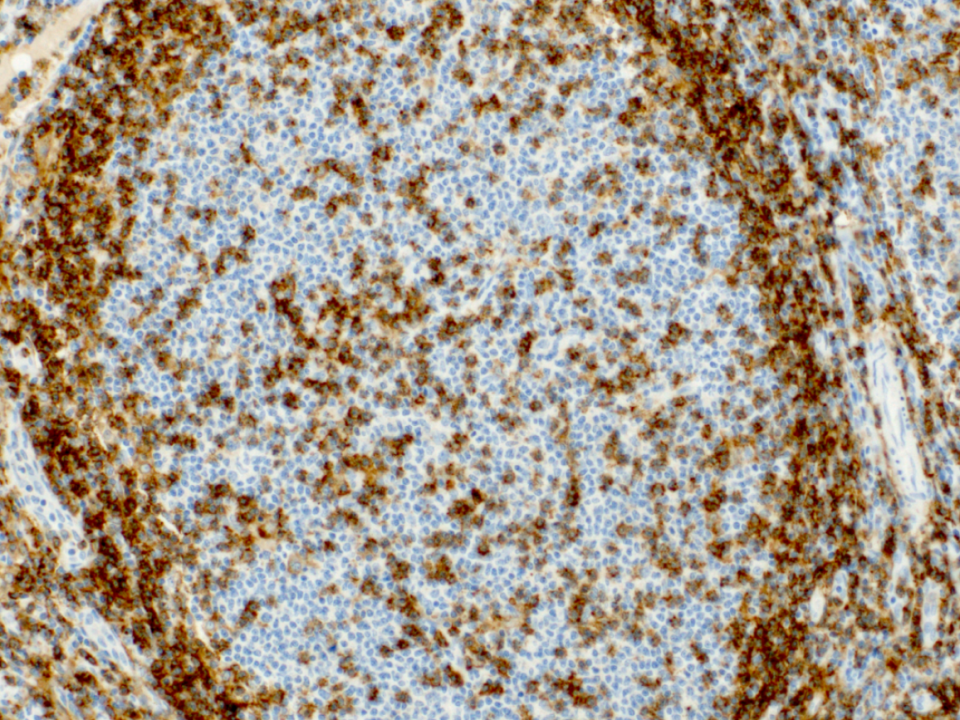
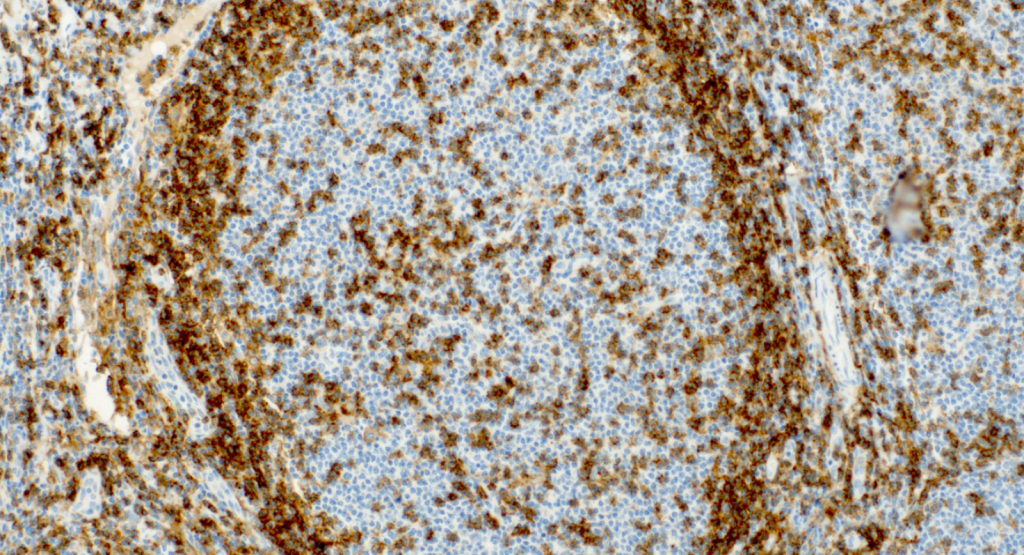
One of the questions that has not yet been fully clarified is why cells at the double-positive stage (CD4+ CD8+) are found in approximately equal numbers in the thymic cortex, while the final developmental outcome shows a preferential pattern resulting in an approximately 2:1 ratio in favour of CD4+ cells.
Successful research usually does not emerge from an isolated laboratory
After the lecture, there was also time to discuss the importance of large research consortia such as NICR. Jonathan S. Duke-Cohan noted that thirty or forty years ago, a single scientist with a small team could carry out top-level research in a highly specialized area. Today, however, the simpler questions have largely been answered, and those that remain are much more complex. Addressing them requires advanced technologies, specialized expertise, and complex infrastructure. Successful research therefore no longer tends to emerge from an isolated laboratory, but rather from large collaborative networks, and institutions such as NICR in the Czech Republic can play a key role in organizing such cooperation.
He also emphasized that supporting young scientists is one of the essential missions of these kinds of institutions. Rather than training them exclusively within a single organization, he believes it is better to give them the opportunity to spend several years abroad, where they can gain new experience, learn new techniques, and establish new contacts. They can then bring this knowledge back and help strengthen the research environment at home.