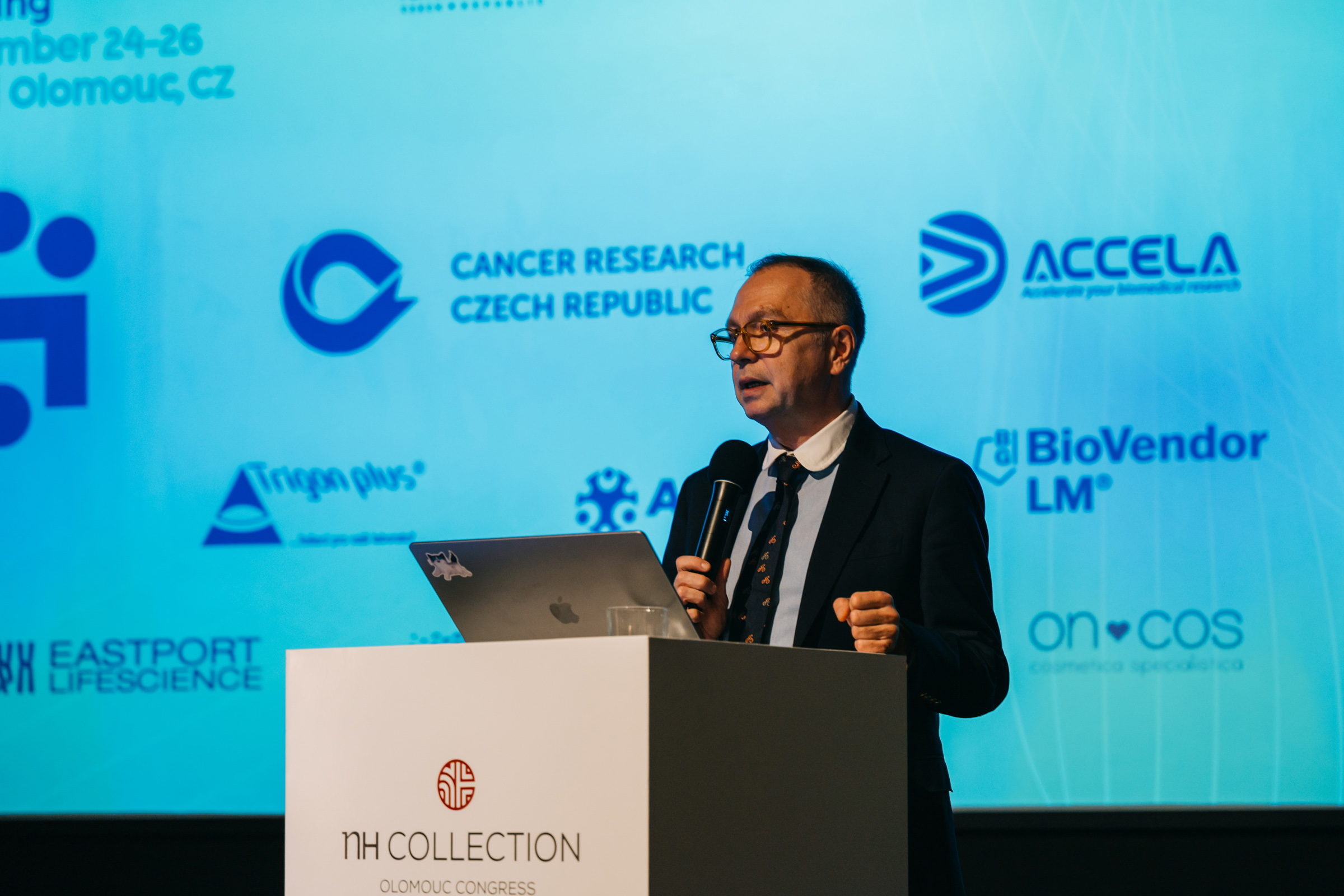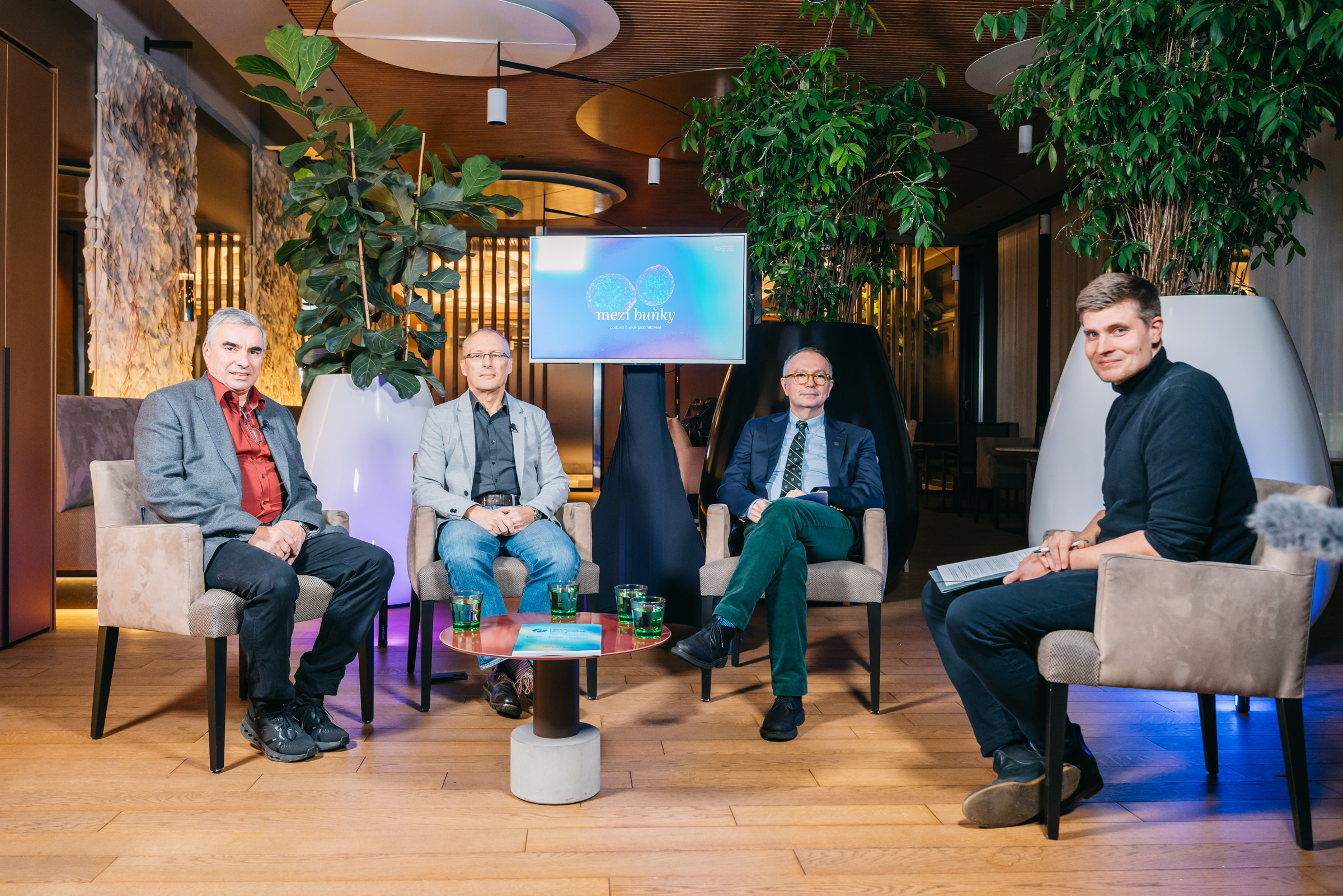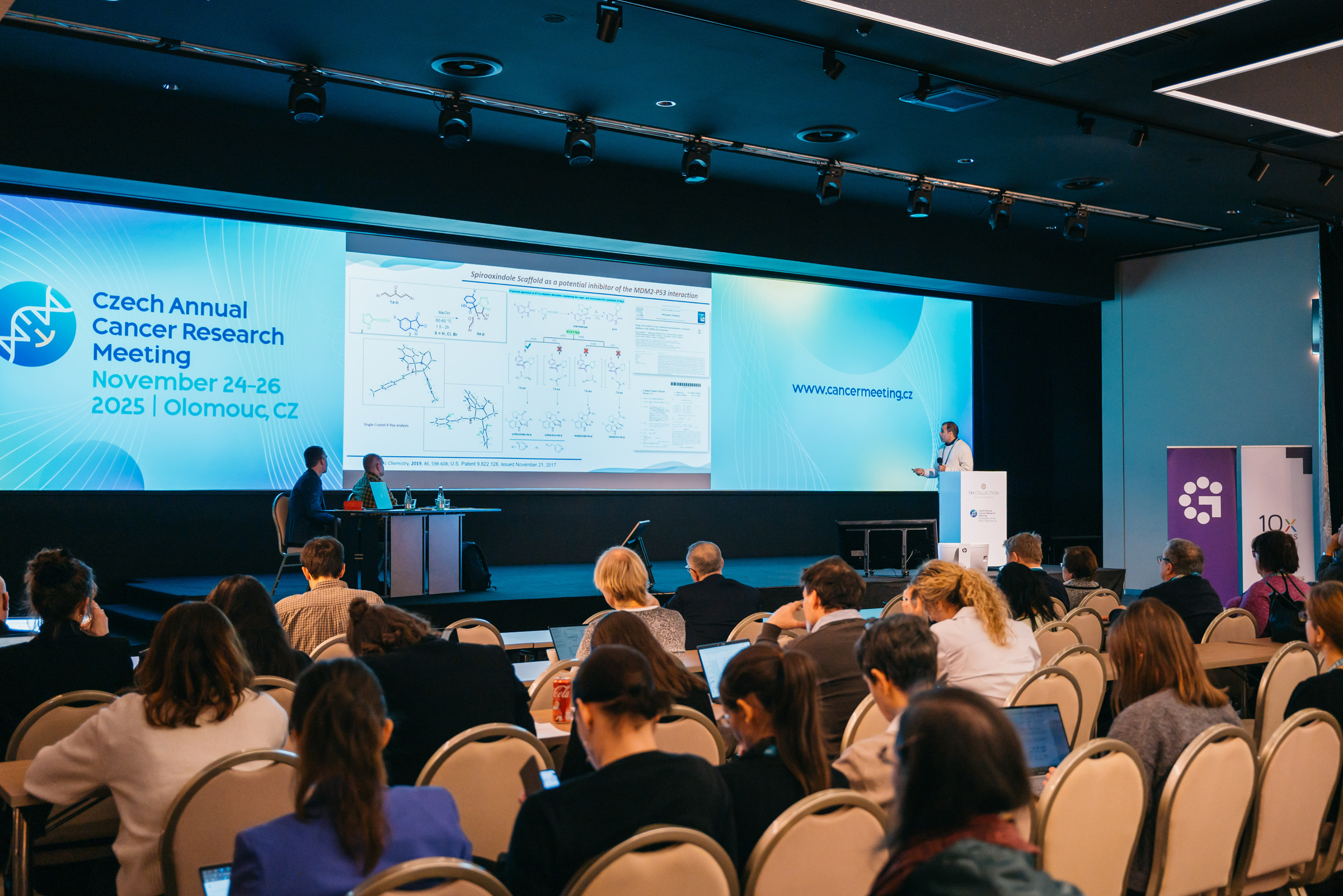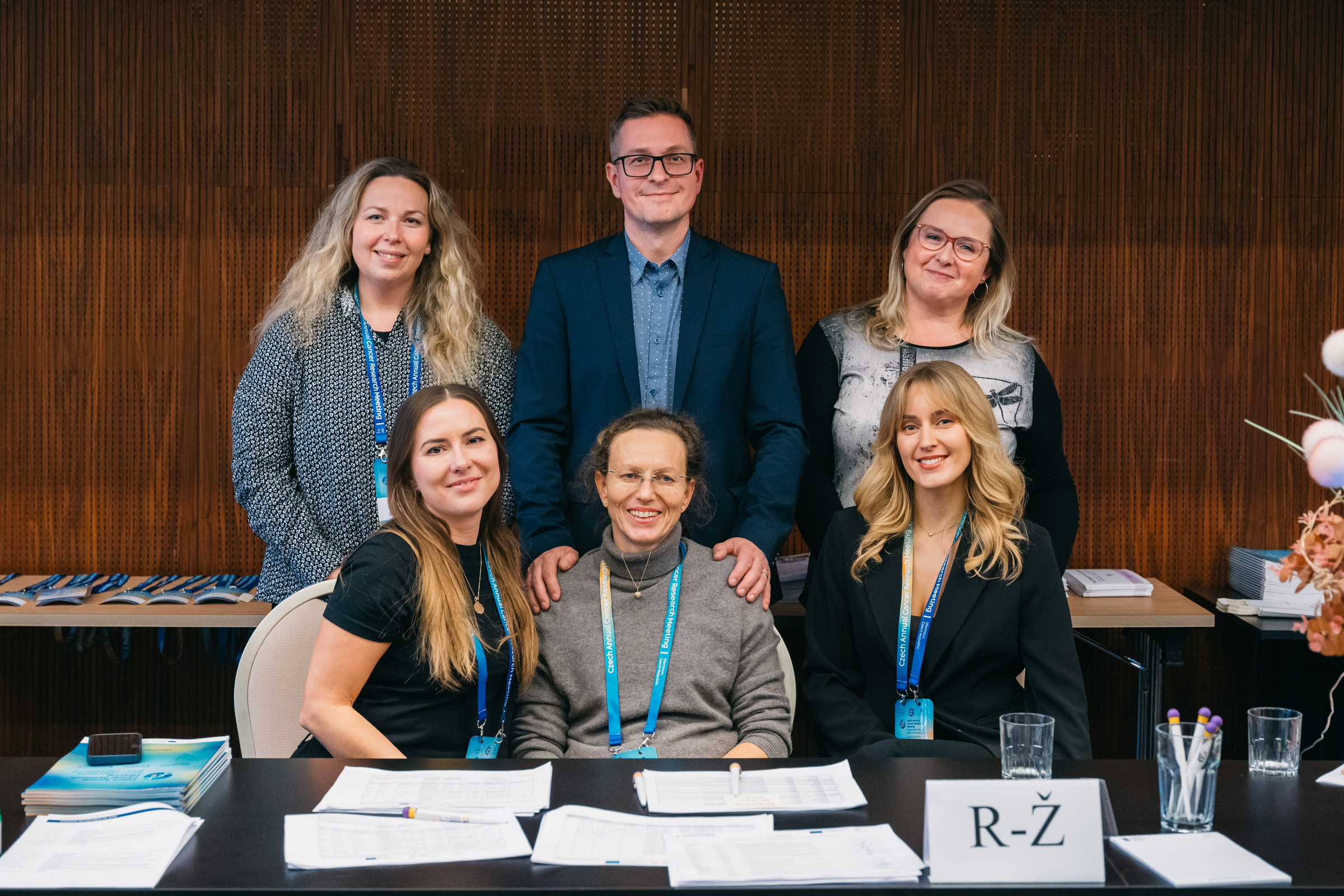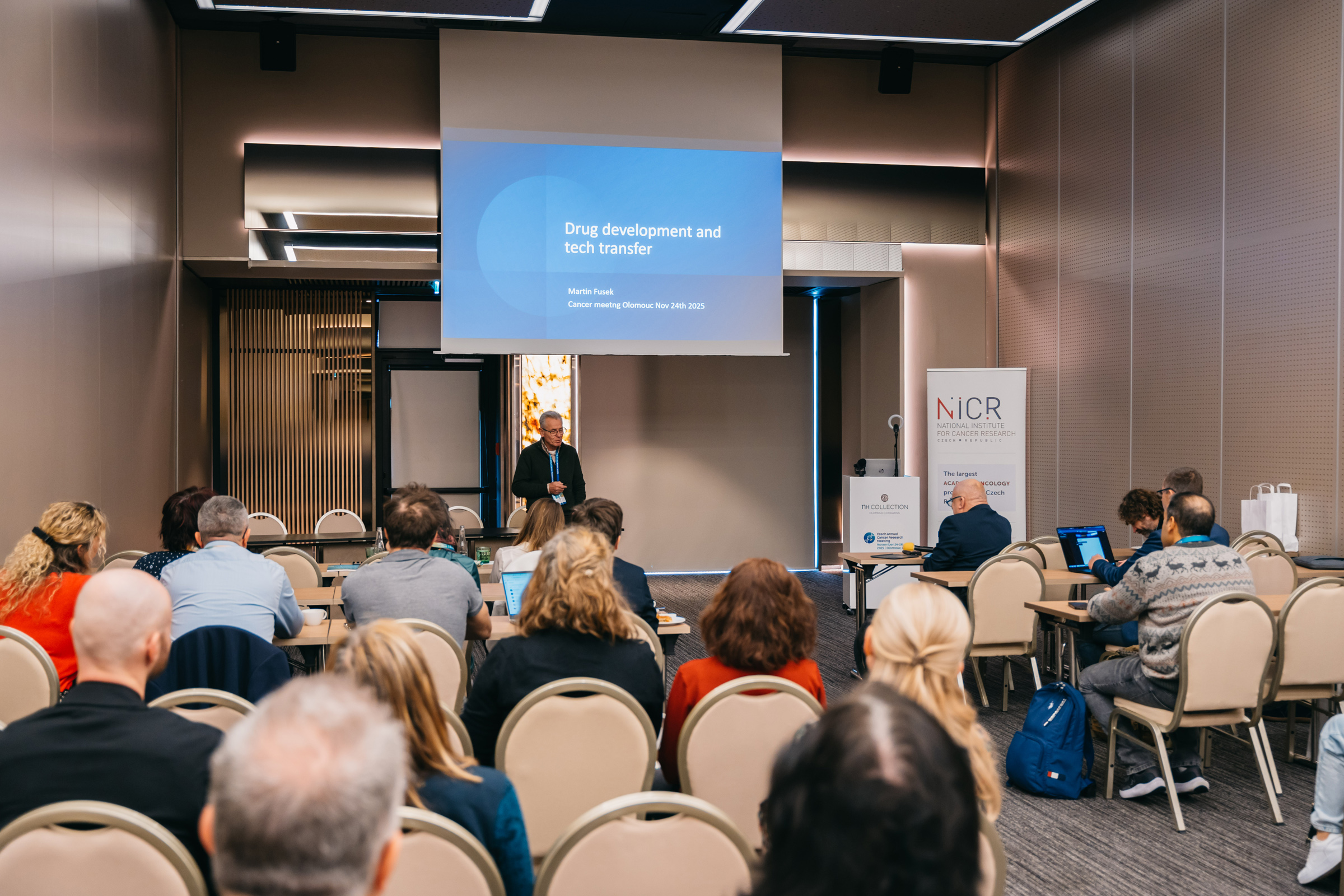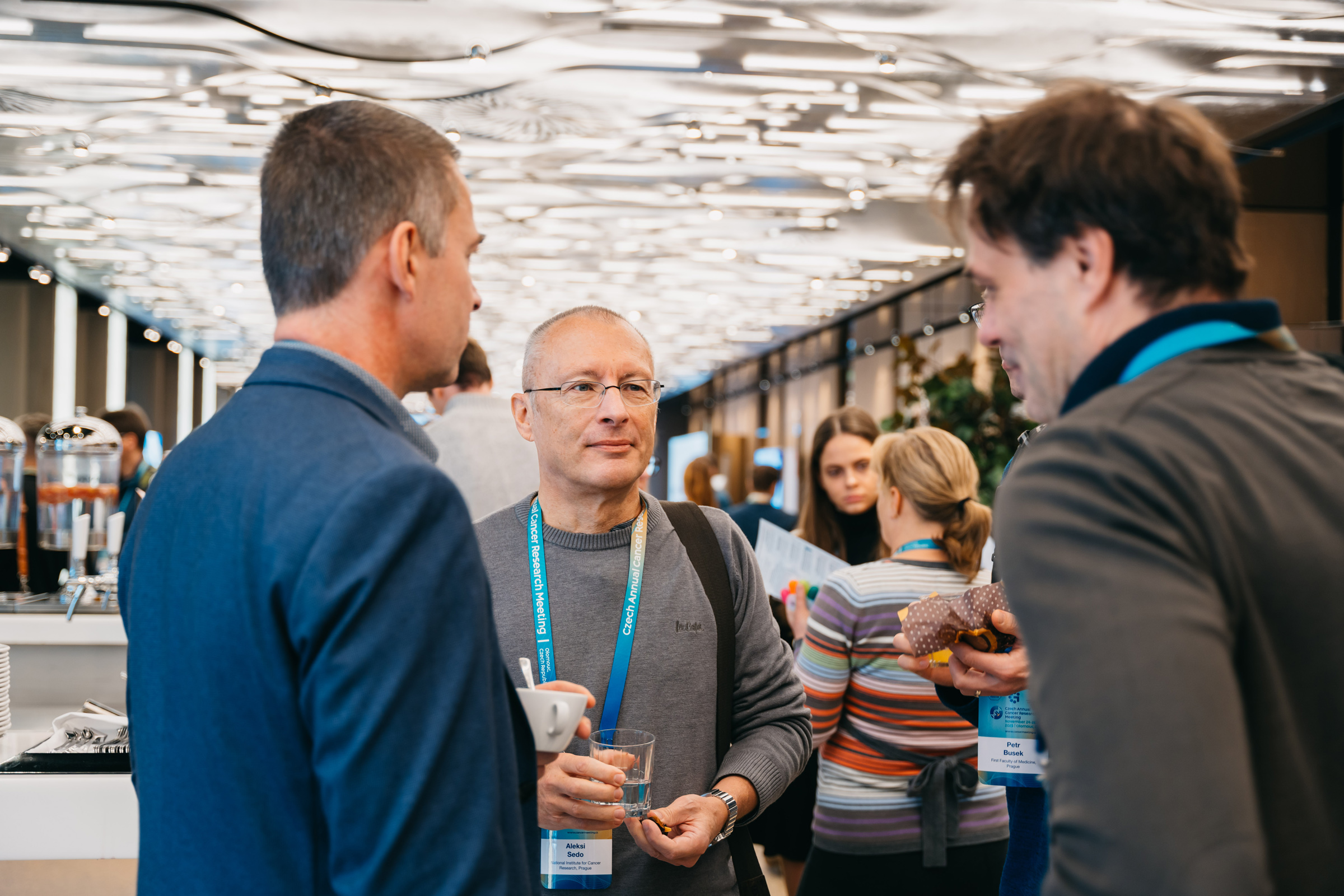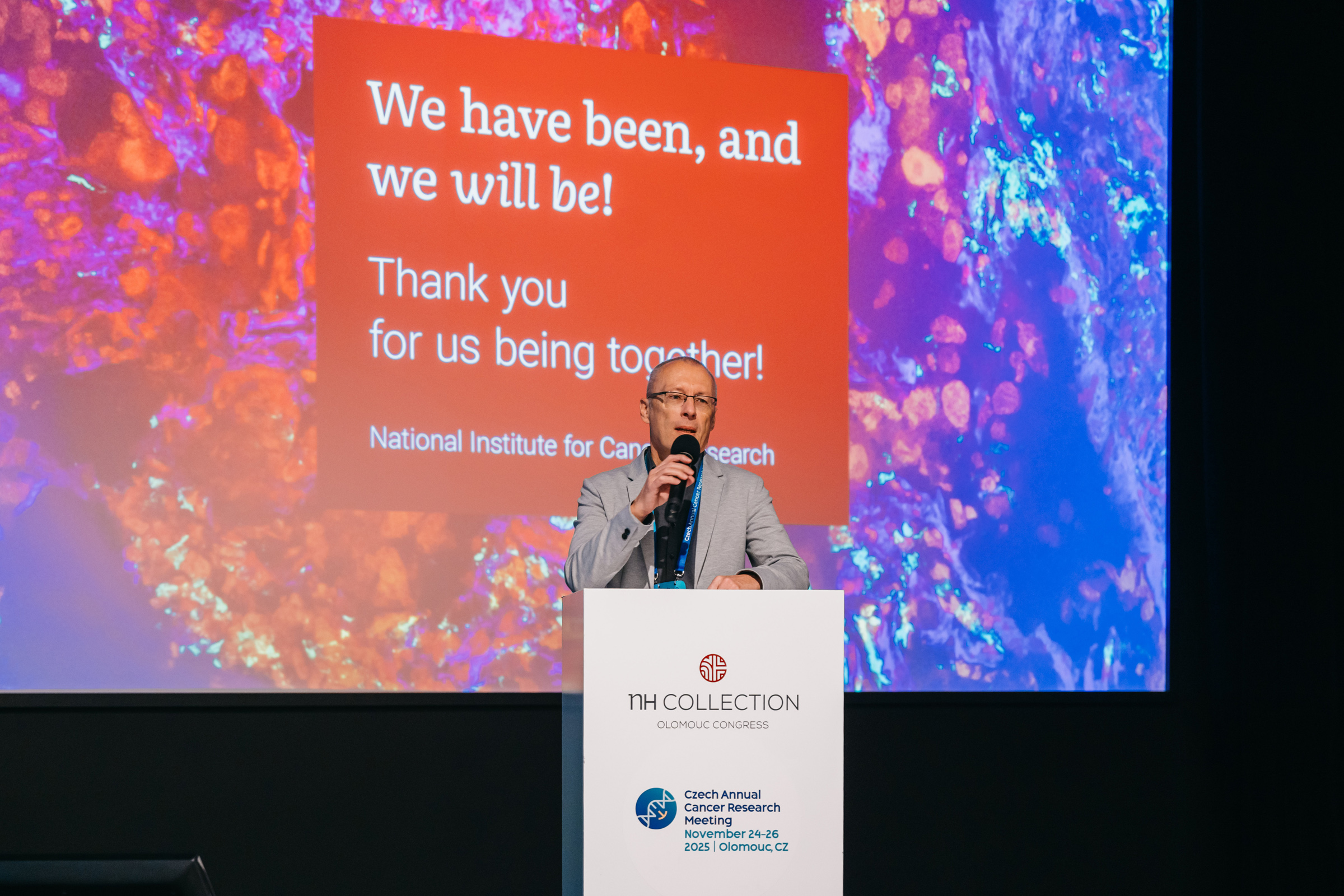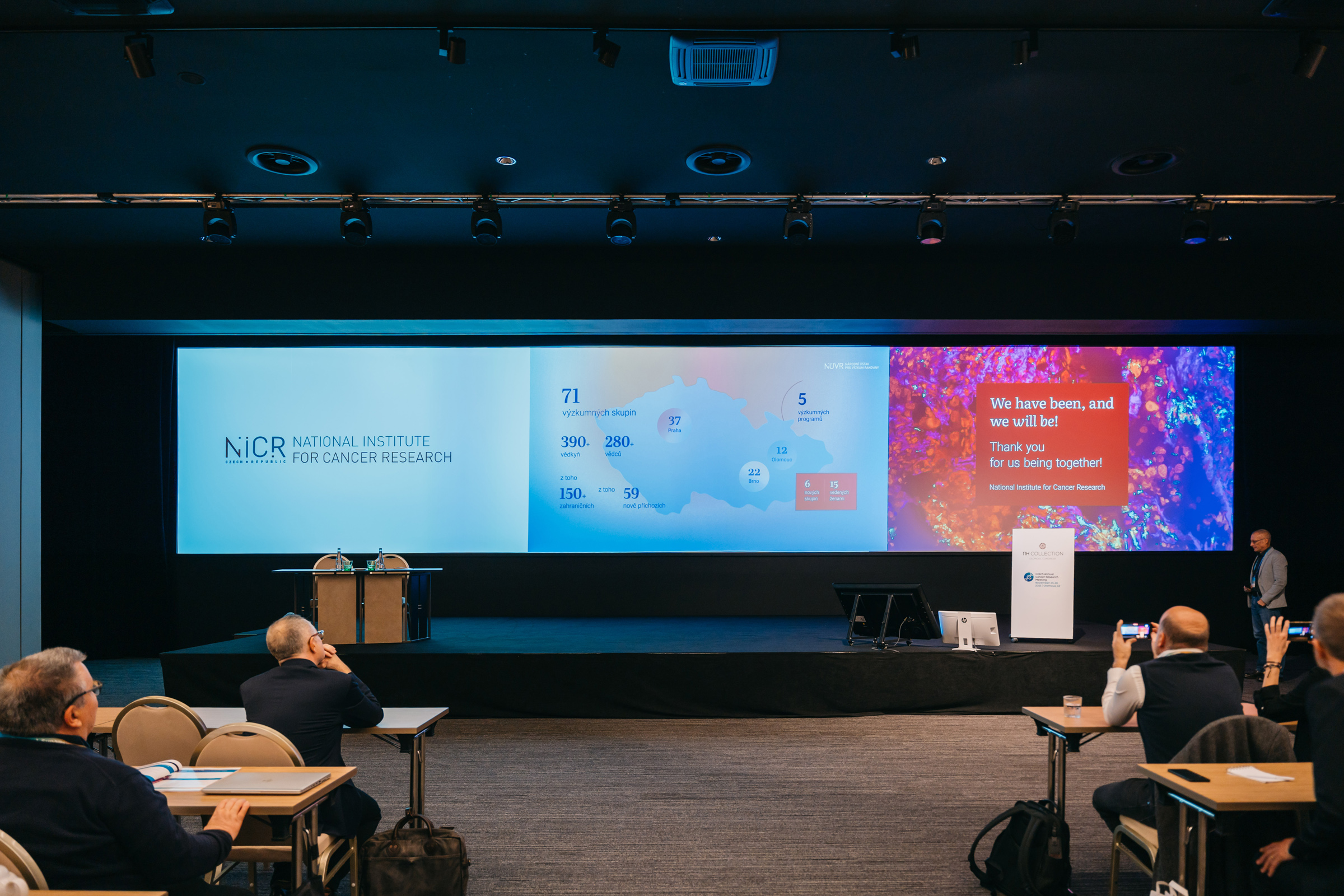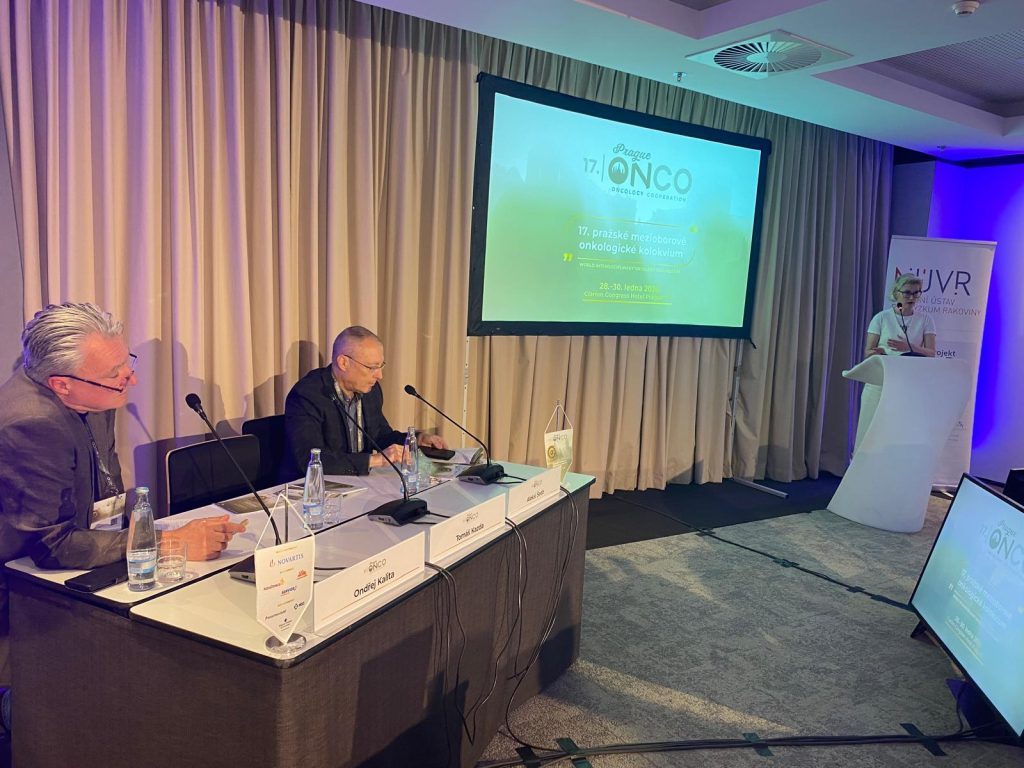



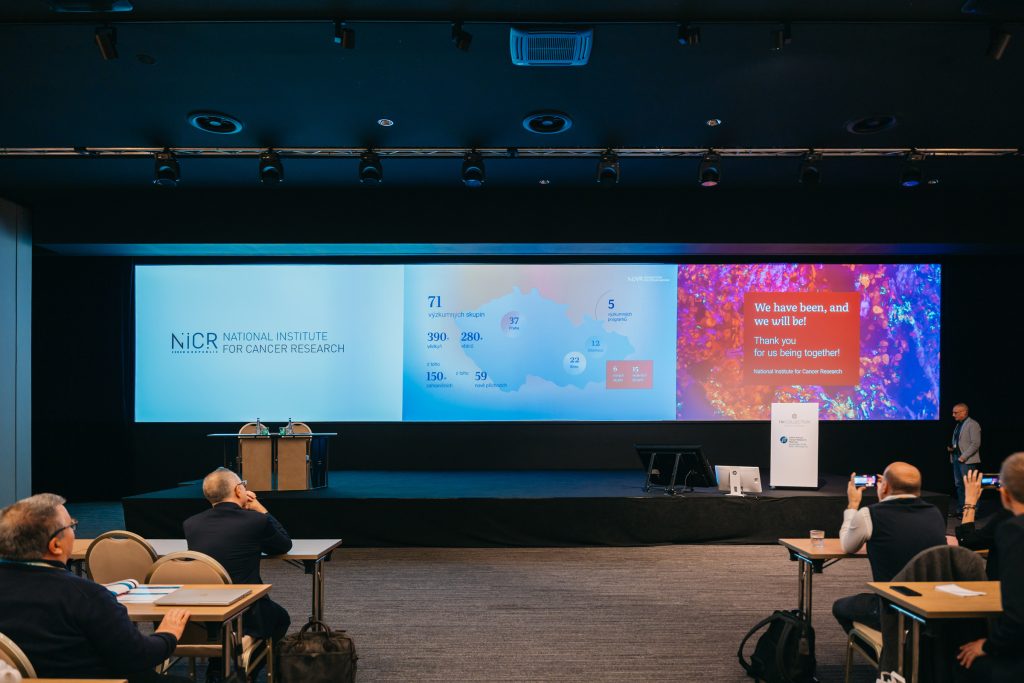
The programme of this year’s Czech Annual Cancer Research Meeting (CACR Meeting), which brought almost 300 leading scientists from the Czech Republic and abroad to Olomouc on 23–25 November, offered a comprehensive overview of the latest findings that may fundamentally influence future cancer prevention, diagnosis, and treatment. The National Institute for Cancer Research (ICR) also presented the results of its 3.5-year existence.
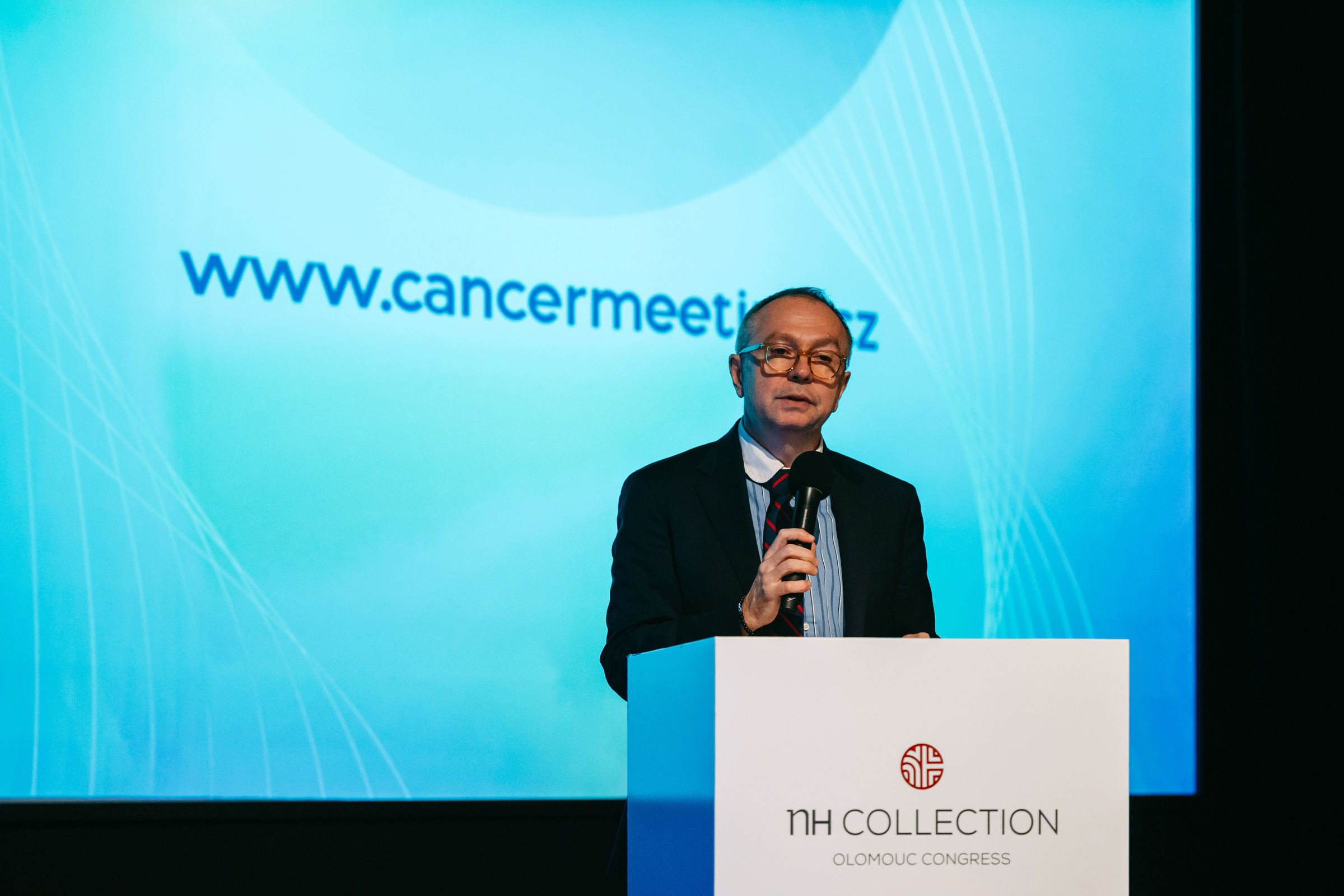
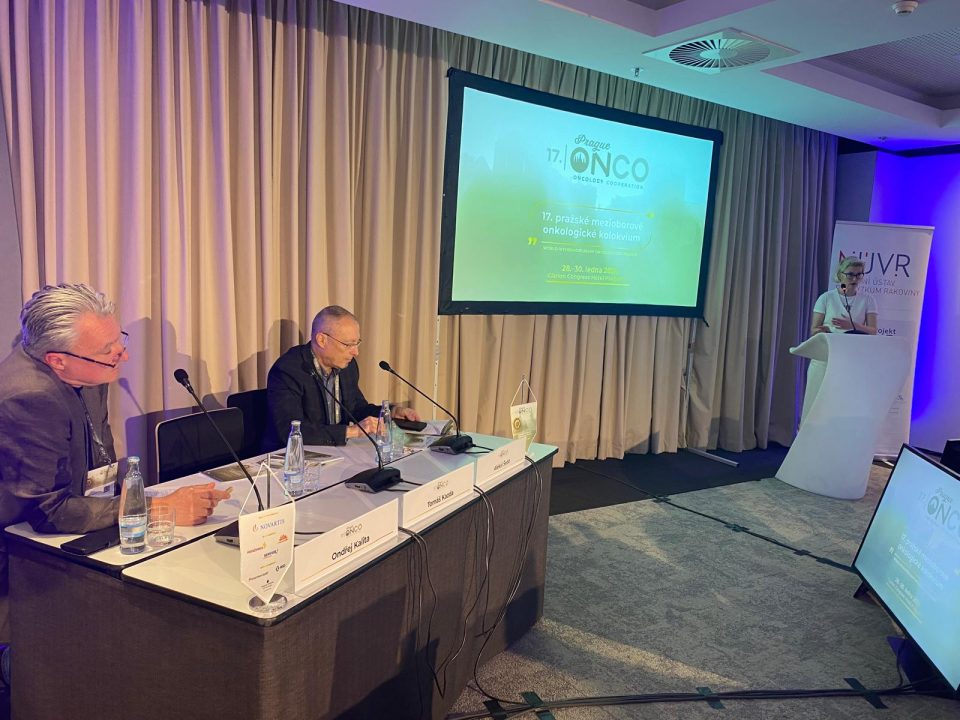
This year’s CACR Meeting featured nearly 50 lectures and more than 90 poster presentations. Conference President and NICR Medical Director Marián Hajdúch recalled that meetings of scientists working in cancer research have a twenty-year tradition in Olomouc. Over the past four years, the meeting has been co-organised under the CACR Meeting brand by NICR, together with the MedChemBio cluster and the EATRIS-CZ large research infrastructure for translational medicine.
In his opening remarks, NICR Director Aleksi Šedo emphasised that the establishment of NICR as a distributed network—bringing together, under the National Recovery Plan’s EXCELES programme, 11 academic institutions and 71 of their excellent research groups across three nodes (Prague, Brno, and Olomouc)—has delivered significant scientific results and strengthened the position of Czech cancer research in Europe and worldwide. “This progress is most visible in the growing number of publications from research groups involved in NICR in top international scientific journals. A similar trend can be seen in human-resources development. Thanks to NICR, six entirely new research groups have been established, often built around successful returnees from abroad, and we have also welcomed dozens of international researchers,” Šedo noted.
To further support the development of academic oncology, two new doctoral study programmes have been launched in the Czech Republic, and the number of defended dissertations, habilitations, and professorial appointments continues to rise. NICR has also organised a range of workshops and summer schools, enabling hundreds of talented high-school students to gain hands-on experience in a scientific environment—an experience that will undoubtedly influence their choice of future studies and scientific careers. Important investments have also been made in technologies and instrumentation, whose capacities—as well as their associated know-how—can be shared among the research groups participating in NICR. “The growing intensity of interactions between clinical departments and research teams also creates space for a faster transfer of new findings into clinical practice and directly to patients,” Šedo stressed.
Daniela Elena Costea from the University of Bergen, Norway, Chair of the International Scientific Advisory Board (ISAB), confirmed that NICR has succeeded in strategically integrating the high-quality but previously somewhat fragmented cancer research in the Czech Republic, while also building new partnerships. “I believe that thanks to this, cancer research is much stronger, and the Czech Republic has become a significantly more attractive partner for European projects and institutions. This, in my opinion, is where its main strength lies,” she noted.
According to her, the CACR Meeting offers a fantastic platform for open discussion. “If I were to highlight one thing, it would be the openness and sense of community that characterises this meeting. Personally, I know only a few participants, but after my lectures, especially young researchers approached me with questions not only about our research but also about career development. And during breakfast and lunch, we had many more discussions. It was fantastic to experience,” Costea added.
More information about the event, including a photo gallery, is available on the CACR Meeting website.