Share the newsletter with your colleagues! They can subscribe HERE.
If your email is not displaying correctly, use the web version of the newsletter HERE.

We have PP4 … and what does it actually mean?

Subprogramme 4 of the Czech Health Research Council is a way of continuing the National Institute for Cancer Research. ‘Of all the competing projects, NICR received the best evaluation. This makes me really happy because it clearly shows that we have created something which, in the past, was missing in academic oncology in our country’, says NICR Director Aleksi Šedo. He adds: ‘This is unprecedented and what awaits us now is that we must maintain the project and further prove its viability and especially indispensability.’ PP4 is not a ‘subsidy to survive’ but an obligation to prove that NICR will continue functioning as a well-consolidated multidisciplinary national authority that can back up the results of its functioning by certain parameters.

And that includes not only publications and projects but also education, communication, and openness to patients, state authorities, and the general public.

‘Resources from PP4 can function as a catalyst and very important starting point when searching for further financing – from grants, EU resources, institutions, or partners. And a renowned, well-functioning network with clear goals and measurable outputs has, in this context, a much better position than several dozen individual teams regardless of how well they function’, adds Aleksi Šedo for our newsletter. 

Learn more

Pavel Tinka:
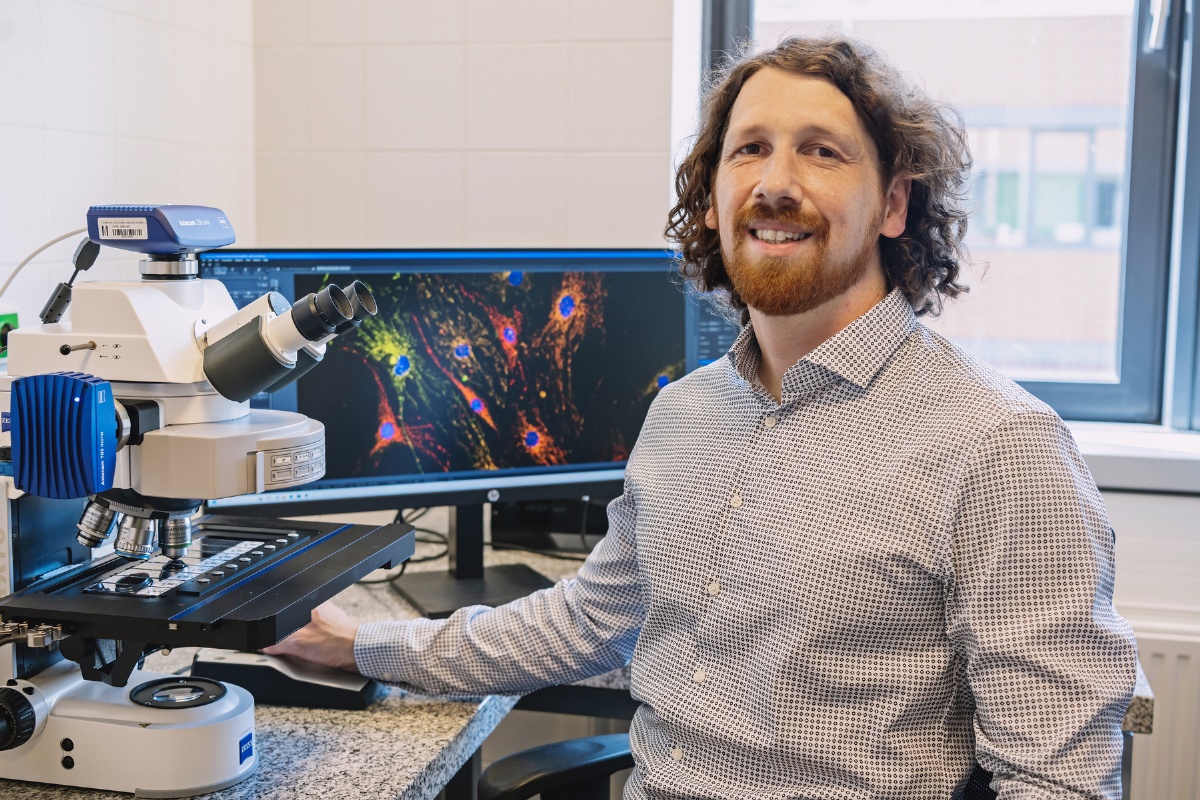
Clinical medicine and research are the spice of work  

I enjoy being able to define my own research questions, search for a suitable study population, analyse the data collected, and then process and publish the results. It is a process that teaches me patience and attention to detail. It is rewarding when I manage to translate everyday clinical experience into a project that can contribute to a better understanding of a problem or improve patient care in the future. This link between clinical medicine and research is what I see as adding a bit of spice to my work.

Learn more

Vladimíra Koudeláková:

Without uncertainty,
it is not science

I enjoy the combination of analytical thinking, new technologies, and the feeling that I am contributing to something that is meaningful and has practical applications. Science never really ends. It involves many failed experiments and dead ends but overcoming these obstacles and search for new solutions also make research is so motivating. It is demanding, sometimes frustrating, but without this uncertainty and constant searching, it would not really be science. 

Learn more

Parallel Liquid Biopsy Analysis of miR-371a-3p and Cell-Free DNA in an Unselected Cohort of Patients With Testicular Germ Cell Tumors


Matouskova L, Kralova R, …, Kramarzova KS, Boublikova L. 


Andrology 

2026 June


DOI: 10.1111/andr.70283 

PMID: 42324838

Synthesis and Biological Activity of 2,6-Disubstituted and 2,6,9-Trisubstituted 7-Deazapurine Nucleobases


Šinkevičiūtė U, …, Džubák P, Hocek M, Hajdúch M, Tichý M.


ChemMedChem 

2026 August


DOI: 10.1002/cmdc.70419 

PMID: 42596056

FAP+ pericyte-like cells promote monocyte differentiation into tumor-associated macrophages in glioblastoma


Houdova Megova M, Shard C, …, Busek P, Sedo A.


Experimental & Molecular Medicine

2026 September


DOI: 10.1038/s12276-026-01827-8

PMID: 42722704


In search for weaknesses of paediatric tumours

Paediatric tumours differ fundamentally from the tumours of adults in terms of their biology – and these differences that may harbour their vulnerabilities. The research group of Jan Škoda, head of the Laboratory of Tumour 

Biology at the Faculty of Science, Masaryk University, focuses on neuroblastoma, paediatric sarcomas, and other rare tumours, with the aim to exploit their specific vulnerabilities for more targeted and less invasive treatments. They see promising possibilities in, for example, targeting the mitochondria, repurposing existing drugs, or more precise molecular characterisation of tumours. ‘Moreover, many of our approaches may be generally transferable; for example, we are now using zebrafish as a model for studying tumorigenesis and testing drugs in vivo. Within the NICR, we collaborate with several teams, and particularly closely with Professor Štěrba’s group,’ says J. Škoda.

Learn more

What are we going to measure next?

Indicators accompany NICR also in the next stage of its functioning. During the sustainability period, we will keep monitoring how we meet indicators set within the project period of the EXCELES programme of the Ministry of Education. These are now joined by another set of indicators, which reflect the targets of Subprogramme 4 of the Ministry of Health; their aim is to capture further development of NICR as a national authority for cancer research. 

This new framework consists of 30 indicators covering six key areas: interregional, interinstitutional, and interdisciplinary cooperation, internationalisation, education, media presentation and public engagement, expert support for public authorities, and research excellence.

Learn more

Scientists for a While

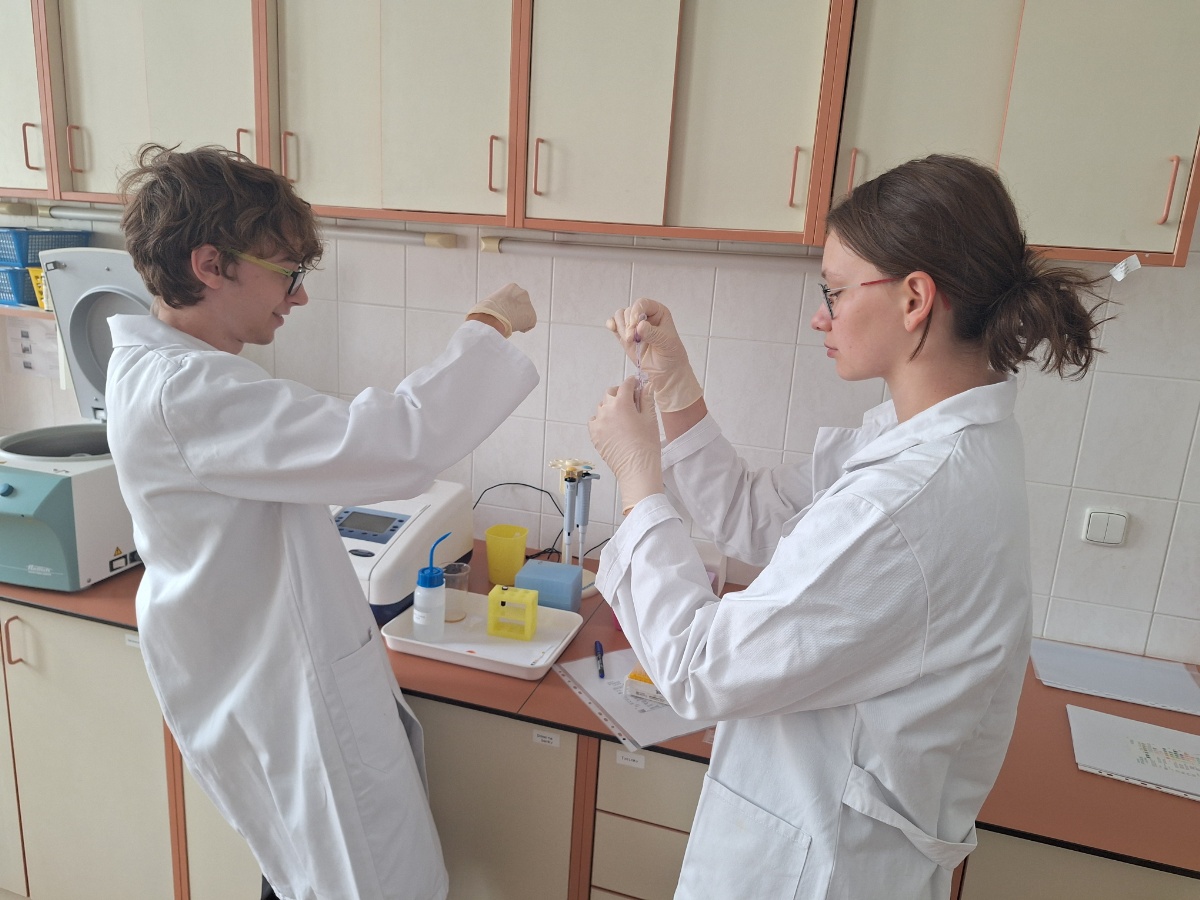
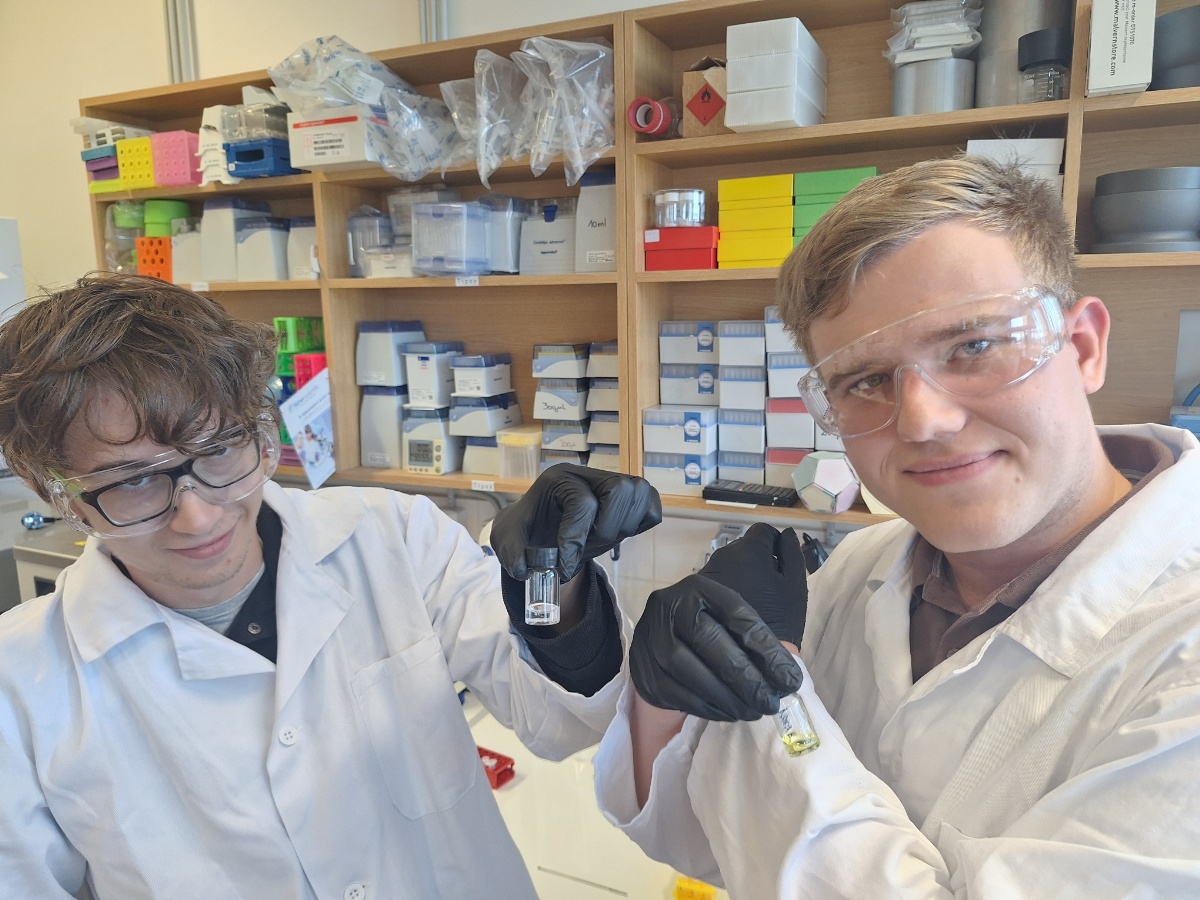
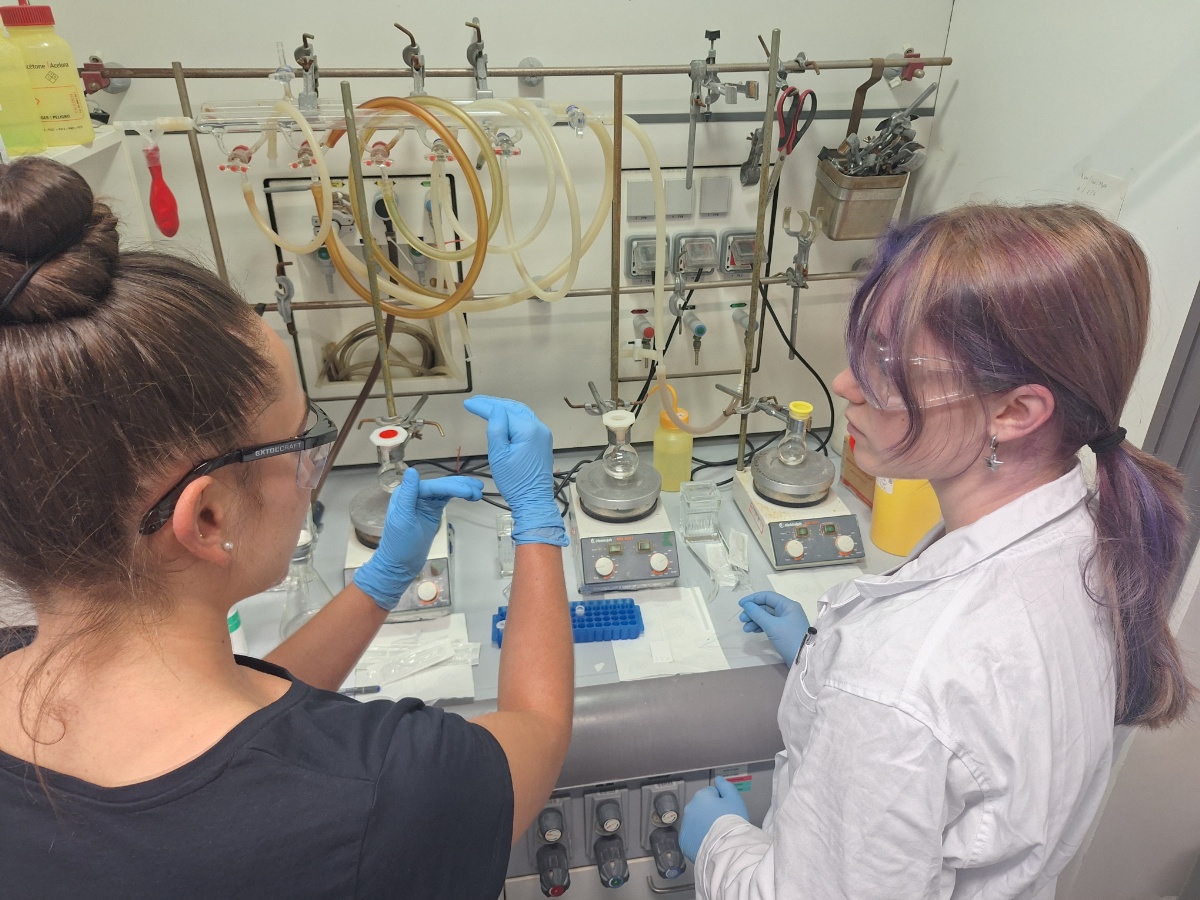
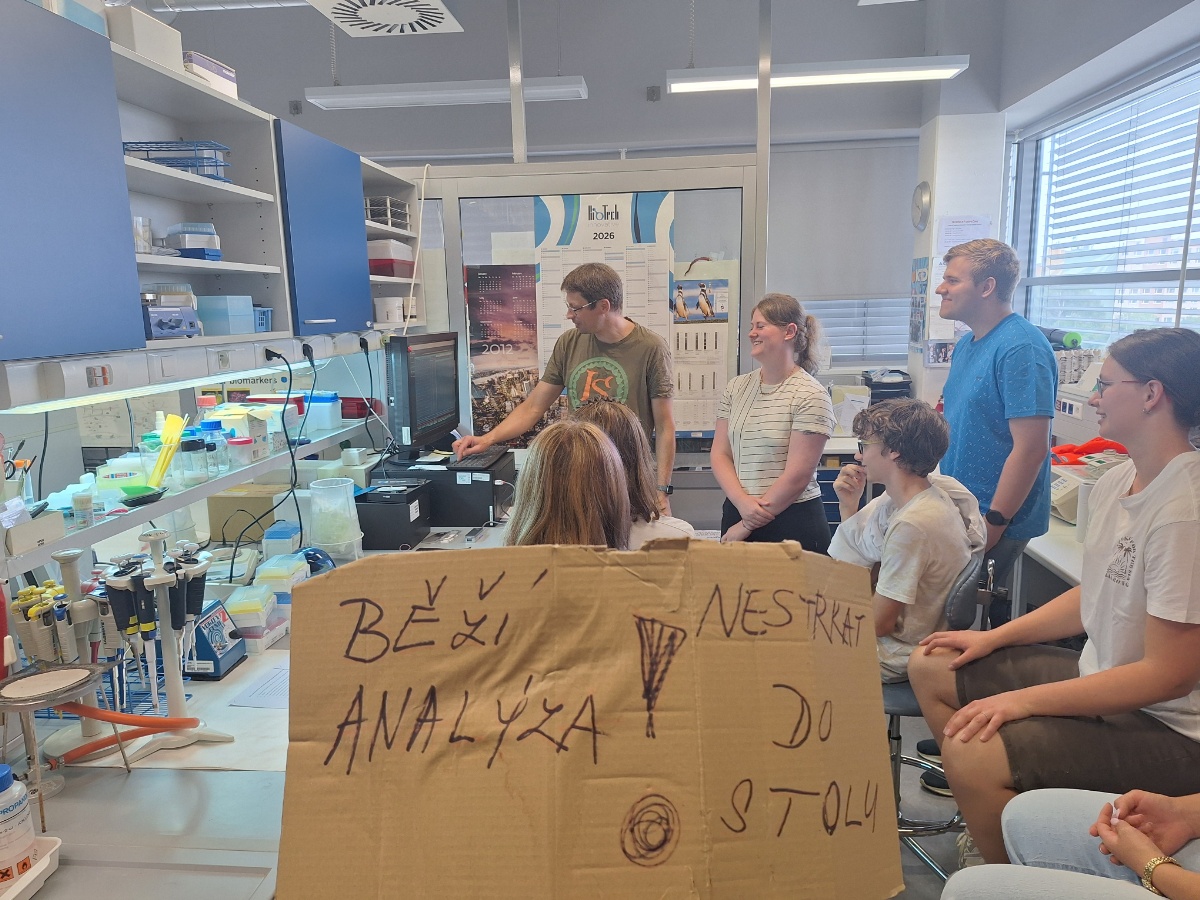
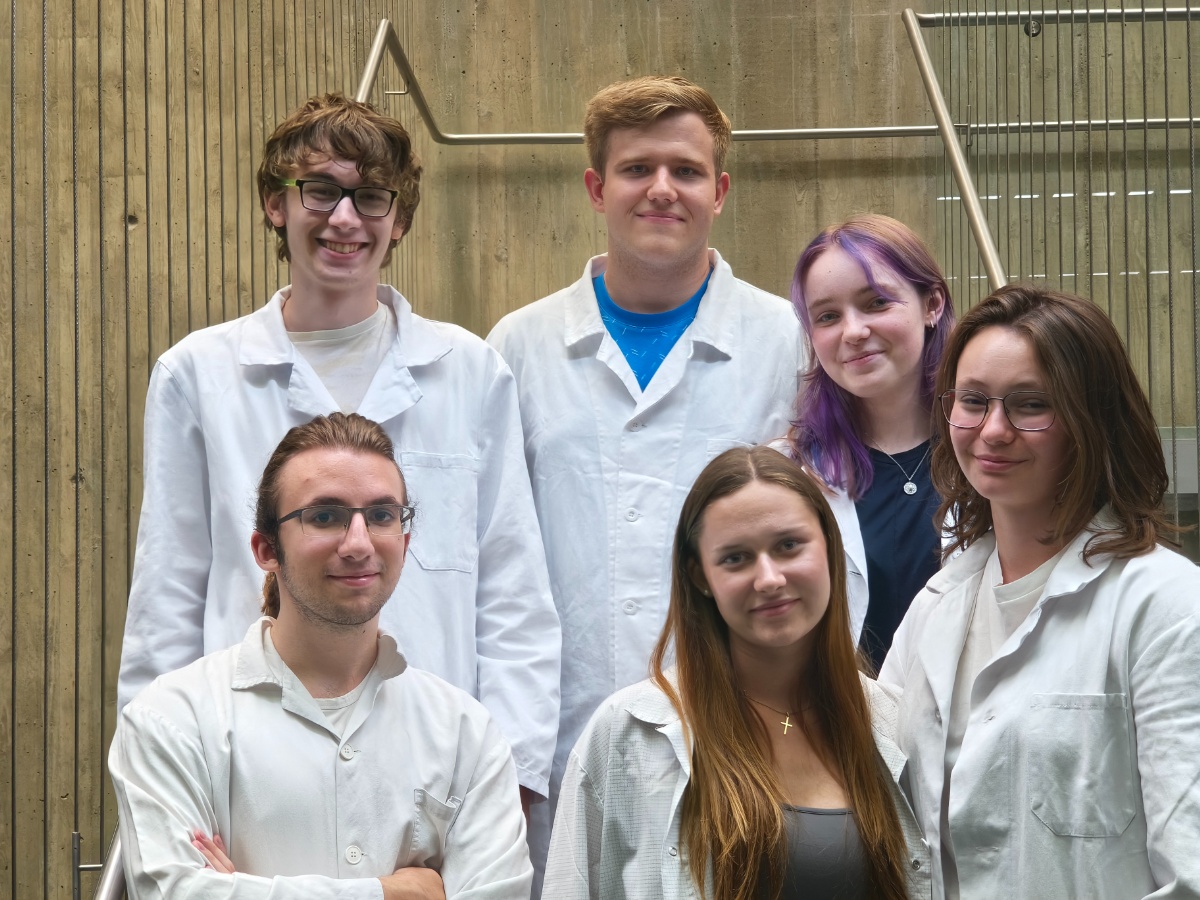
The last week of August can be spent in many different ways. This year, six secondary school students chose to spend theirs in the laboratory – experimenting, pipetting, working with microscopes and analysing data. Over five days, the second NICR Summer School introduced them to different areas of cancer research – from working with cancer cells to biochemistry and drug development, all the way to studying changes in the cancer genome.

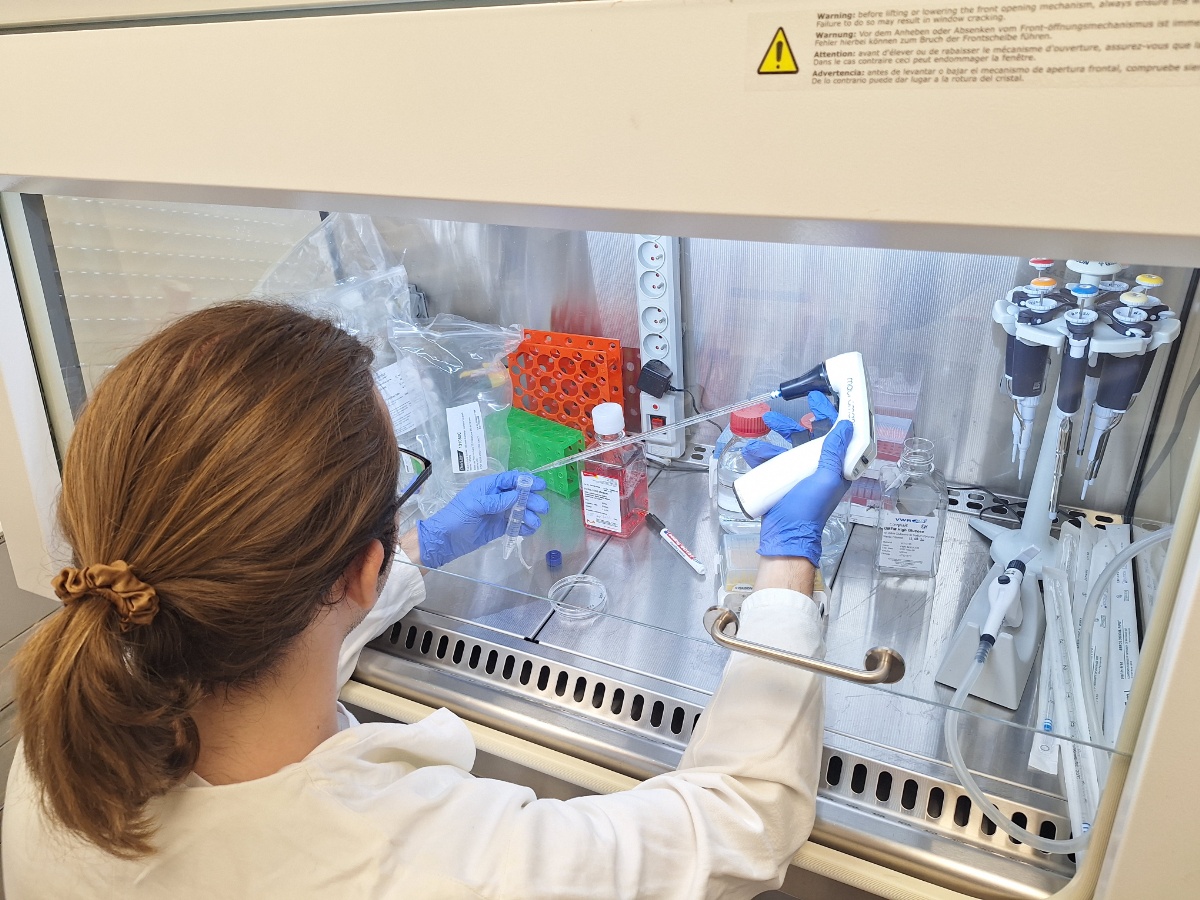
At the Institute of Biochemistry and Experimental Oncology, First Faculty of Medicine, Charles University, the students worked with glioblastoma and osteosarcoma cell cultures and tried out biochemical and microscopy methods used in cancer research.

At the Institute of Organic Chemistry and Biochemistry of the CAS, they tried their hand at synthesising acetylsalicylic acid. At the Institute of Macromolecular Chemistry of the CAS, they then explored polymers and their potential use for targeted drug delivery.

On the final day, at the Institute of Molecular Genetics of the CAS, the students isolated DNA, prepared a sequencing library and used bioinformatic analysis to search for changes in the cancer genome.

9.5 out of 10! That was the average rating this year’s NICR Summer School received from its participants. And what makes us perhaps even happier? Half of them said that after completing the Summer School, they were much more interested in pursuing a career in research than they had been before. A big thank you to everyone who made the Summer School possible – our lectors, partner institutions and teachers, and above all our six participants for their curiosity, enthusiasm and eagerness to explore the world of research!


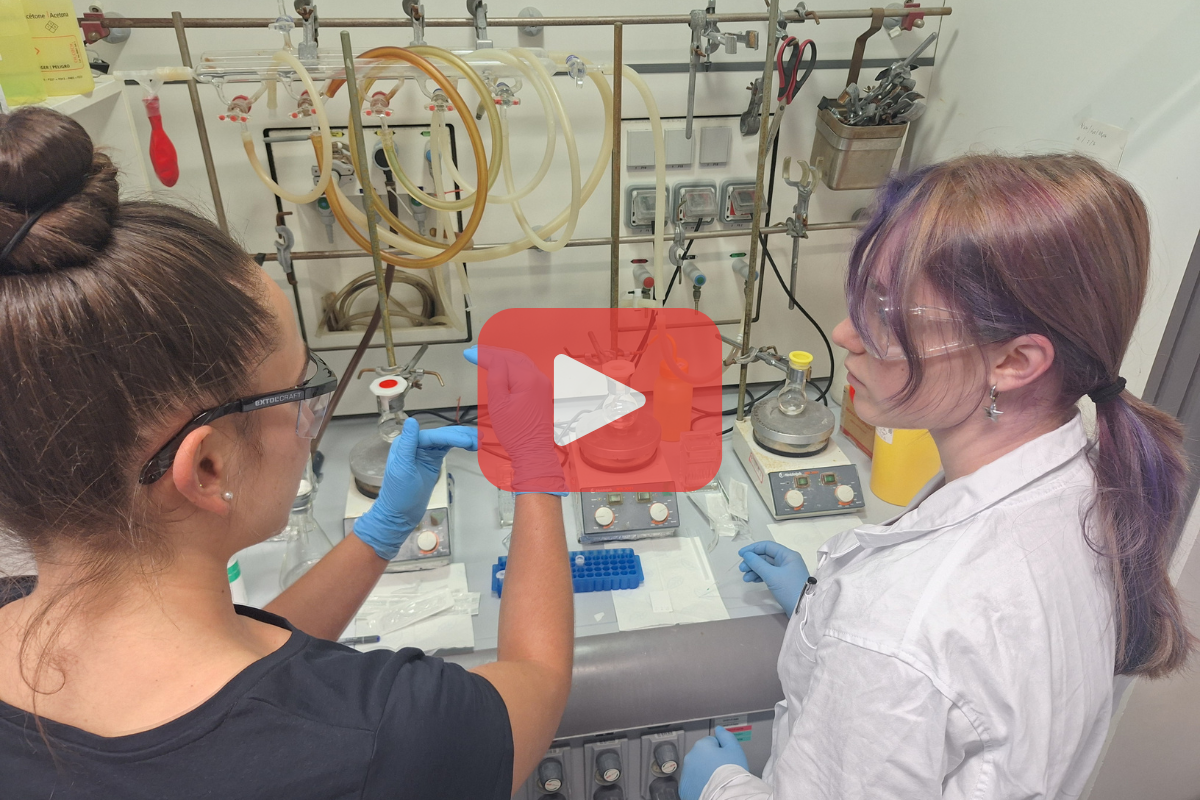
Five days of research in motion – our video captures the atmosphere of the second NICR Summer School!


Novinky.cz, 10 September 2026

Glioblastoma is one of the most aggressive brain tumours. It accounts for around 15% of all primary brain tumours, but the median survival time of patients is unfortunately just around one year. Researchers Magdalena Houdová Megová and Dr Tereza Šváblová from the Institute of Biochemistry and Experimental Oncology of the First Faculty of Medicine, Charles University, and NICR came into the Neklepat! podcast to talk about why this tumour is so difficult to treat and about the most recent research findings.

Sciencemag.cz, 2 September 2026

Acute lymphoblastic leukaemia is the most common paediatric cancers. Fortunately, a significant majority of children are eventually cured. Current research therefore nowadays focuses on recognising patients with a higher risk of relapse and on not burdening children with highly favourable prognosis by unnecessarily intensive treatment. These issues are studied by the team of Jan Trka, head of the CLIP Laboratory Centre at the Department of Paediatric Haematology and Oncology of the Second Faculty of Medicine, Charles University, and University Hospital Motol and Homolka, which is part of NICR. 

TN.cz, 28 August 2026

During the NICR summer school, selected secondary school students tried working in top laboratories. Under the supervision of experienced researchers, they participated in cancer research and diagnostics. The goal of the project, now in its second year, is to stimulate young people’s interest in scientific work.

Seznam Zprávy, 23 August 2026

The very first vaccine against melanoma had succeeded in a clinical study. The new treatment is more effective than hitherto used drugs by almost one-half. According to Lukáš Lacina from the Department of Dermatology of the First Faculty of Medicine, Charles University, and the General University Hospital, which is part of NICR, its main advantage is that it attacks, with high precision, the unique features of each patient’s tumour.

Medical Tribune, 11 August 2026

The teams of Karel Souček and Jan Bouchal, which are part of NICR, have managed, in collaboration with the Masaryk Memorial Cancer Institute, to create and characterise in detail an experimental model derived from circulating tumour cells acquired from the blood of a patient with breast cancer. The xenograft and subsequent cell cultures have retained their tumorigenic and metastatic potential, which enabled further testing of sensitivity to anti-cancer treatment.

Novinky.cz, 11 July 2026

The question he is asked most frequently is: Have you already found a drug to treat cancer? Aleksi Šedo, Director of NICR, says with a smile: ‘We have been getting ready to do it for some time now.’ There is no one drug that could cure all cancers, but doctors do already have weapons to fight many cancers and scientists keep expanding this arsenal.

Zdravotnický deník, 1 June 2026

Investment into science is not a cost – it is an investment with returns. And without a stable support of research and young scientists, the Czech Republic could lose its advantage in medicine and innovations, says Aleksi Šedo, Director of NICR, in an interview for Zdravotnický deník. 

Medical Tribune, podcast Druhý názor, 26 June 2026

How is the Czech Republic doing on the map of clinical studies? Are we performing as expected given our ‘weight category’ or a bit worse? Do we still have some competitive advantage? Is there any specific reason why a commercial firm should entrust a clinical evaluation to a Czech subject? And, in contrast, what is our main limitation? Regina Demlová is answering these questions in the Druhý názor podcast.

Medical Tribune, podcast Druhý názor, 10 June 2026

Václav Liška approaches his fight against cancers with extraordinary thoroughness. As a cancer surgeon in the University Hospital Pilsen, he focuses mainly on surgical treatment of tumours of the digestive tract. As a researcher, he leads the Laboratory of tumour treatment and tissue regeneration at the Faculty of Medicine in Pilsen and NICR, which focuses, among other things, on shifting the possibilities of radicality of surgery, especially liver surgery. 

If you do not want to receive these emails, unsubscribe HERE