Share the newsletter with your colleagues! They can subscribe HERE.
If your email is not displaying correctly, use the web version of the newsletter HERE.

The show goes on!

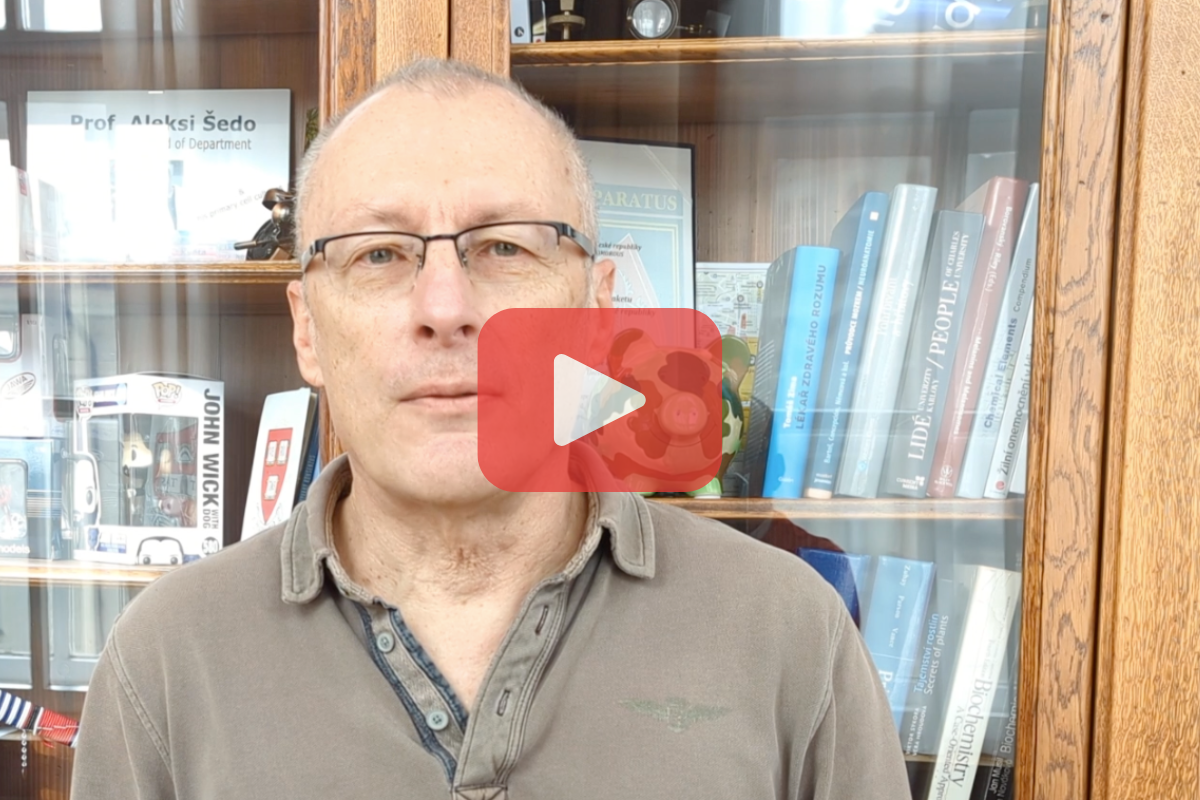
“We have completed – and I dare say, successfully – the first phase of the NICR project. Through our joint work, we have created a functional consortium, defined shared rules, created organisational support structures, and improved research facilities. We are entering a three-year period of obligatory sustainability: now we shall see whether the new consortium, National Institute for Cancer Research, survives.” states Aleksi Šedo, Director of NICR, in the introduction to the latest issue of the inSCIder newsletter, adding in the accompanying video:

“Right now, our cashflow is interrupted and we are waiting for the call into subprogramme 4, but in the meantime we must, during the period of sustainability, function and produce. 

Recently we have shared what I metaphorically call a ‘pastoral letter’, where we wrote about what’s ahead of us and what is yet to be done. Responses to this letter indicated that most research teams want to keep functioning under the heading of NICR. That makes us really happy because it’s the best feedback we could hope for. Not all groups have already reacted, but no one said they wouldn’t want to continue. 

And so I believe that we will manage to maintain the environment, conditions, and support for the scientific work which we do together. Many thank

Learn more

Matej Šamaj:

The main challenge is not to slacken our pace

The biggest mistake would be to allow our fantastically functioning network to fall apart, to go back to isolated labs. The key to successful sustainability is the ability to demonstrate to the public that investment into the NICR goes beyond articles published in impacted journals, that it really leads to new therapies. The main challenge is not to slacken our pace. Promising molecules and therapeutic targets must not end up in a drawer because of endless waiting for finances: they should smoothly pass on to preclinical and translational testing. 

Learn more

Jiří Šána:

Strengthen the good reputation of NICR

At this point, I believe the key thing is to maintain and further develop cooperation among research groups, clinical departments, and other partners. What is important is also stability of financing, meaningful sharing of data, technologies, and infrastructure, and a good coordination of research priorities. Other things, also vital, are integration of junior colleagues in research projects, understandable communication of results to both the academic and wider public and further strengthening of the good reputation of NICR.

Learn more

Repression of miR-29 via MYC leads to increased CD40 signaling in transformed follicular lymphoma


Daniel Filip, Katerina Litzmanova, … Marek Mraz.


Leukemia 

2026 February


DOI:
10.1038/s41375-026-02868-8

PMID: 41714403

Long-term prognostic value of cytokeratin 20 mRNA-positive cells in blood and bone marrow of patients with localized colorectal cancer


Josef Srovnal, Pavel Skalicky, … Marian Hajduch.


Surgical Oncology 

2026 Fenruary


DOI: 10.1016/j.suronc.2026.102367

PMID: 41719830

CD Molecules Nomenclature 2025: Antibody Validation and Expression Profiling of Immune System G Protein-Coupled Receptors


Javier Fernández-Calles, … Tomas Kalina, Pablo Engel.


European Journal of Immunology 

2025 December


DOI: 10.1002/eji.70099

PMID: 41420480

The structure of molecules tells us what questions we should ask

‘We can see every single atom.’ That is the brief but eloquent motto of the Structural biology research group that is part of NICR and works at the Institute of Organic 

Chemistry and Biochemistry of the Czech Academy of Sciences. Knowledge of the three-dimensional structure of proteins, including those which are responsible for the emergence of cancer, plays a key role in the development of molecules with anti-tumour properties. ‘I keep repeating to myself what my mentor once told me: “This is not the answer. Structure tells us what questions to ask.” So, when I discover in the structure of a molecule something that surprises me, I start asking further questions, go back to the lab, and somehow disentangle this puzzle on the level of biology and biochemistry,’ says Pavlína Maloy Řezáčová, head of the research group. She finds this work highly varied and very creative, so it is no surprise that her group also includes musicians and theatre-makers, such as herself. 

Learn more

Workshops for secondary

schools continue!

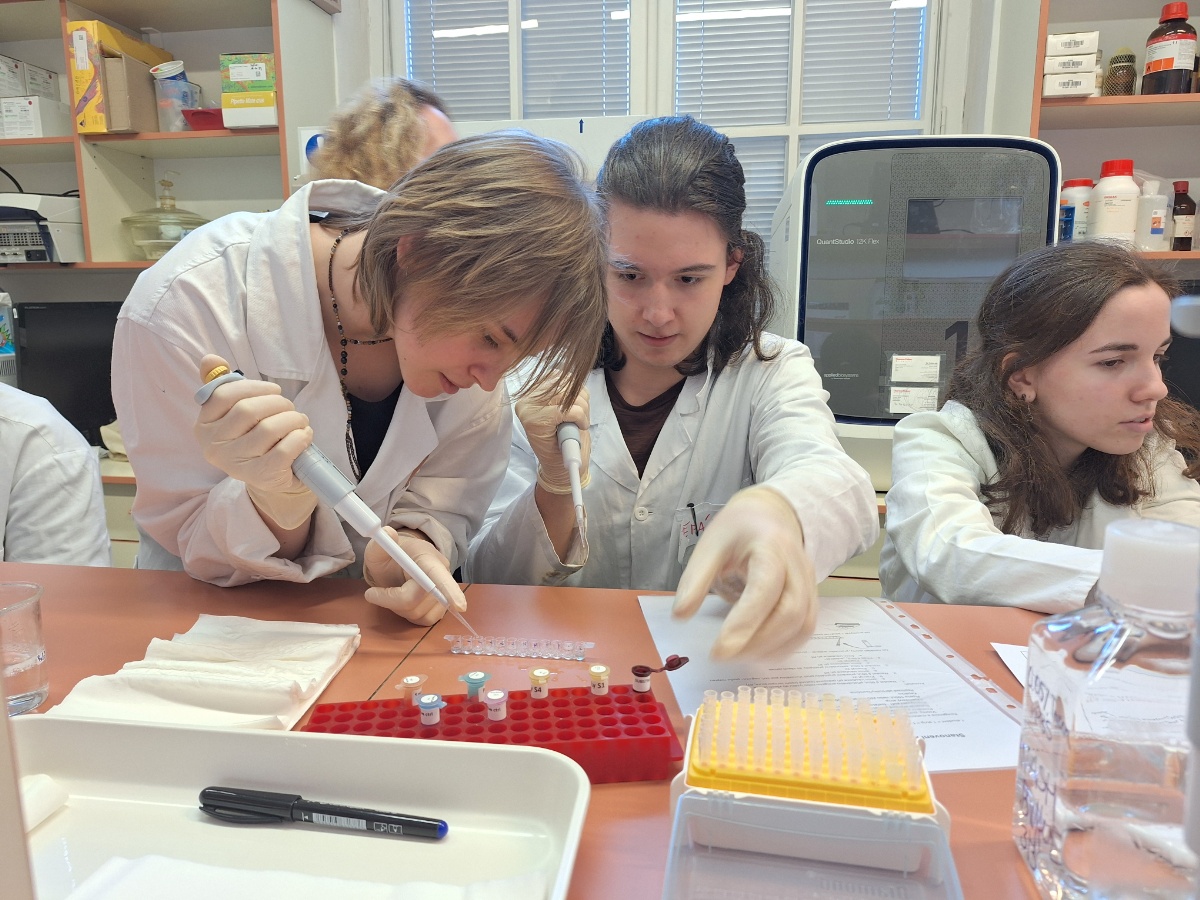
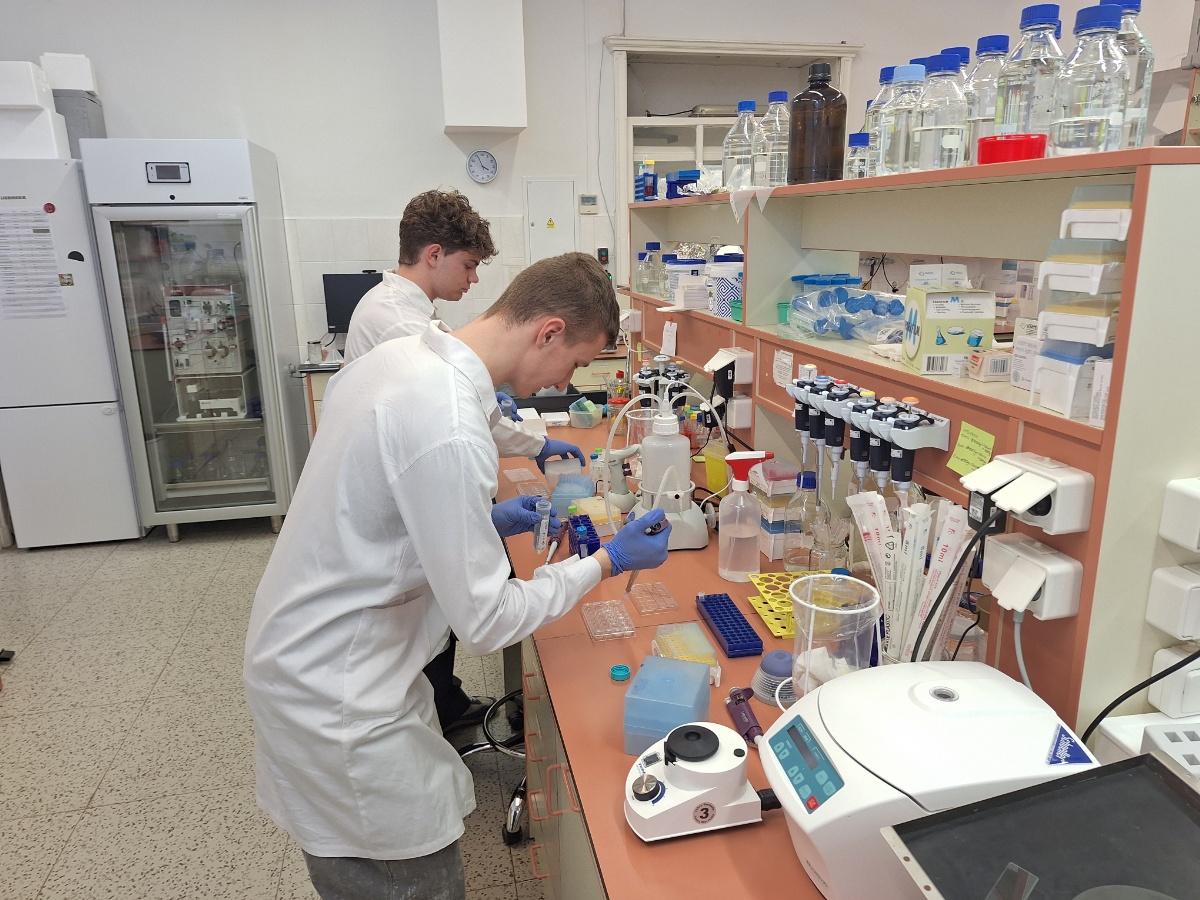
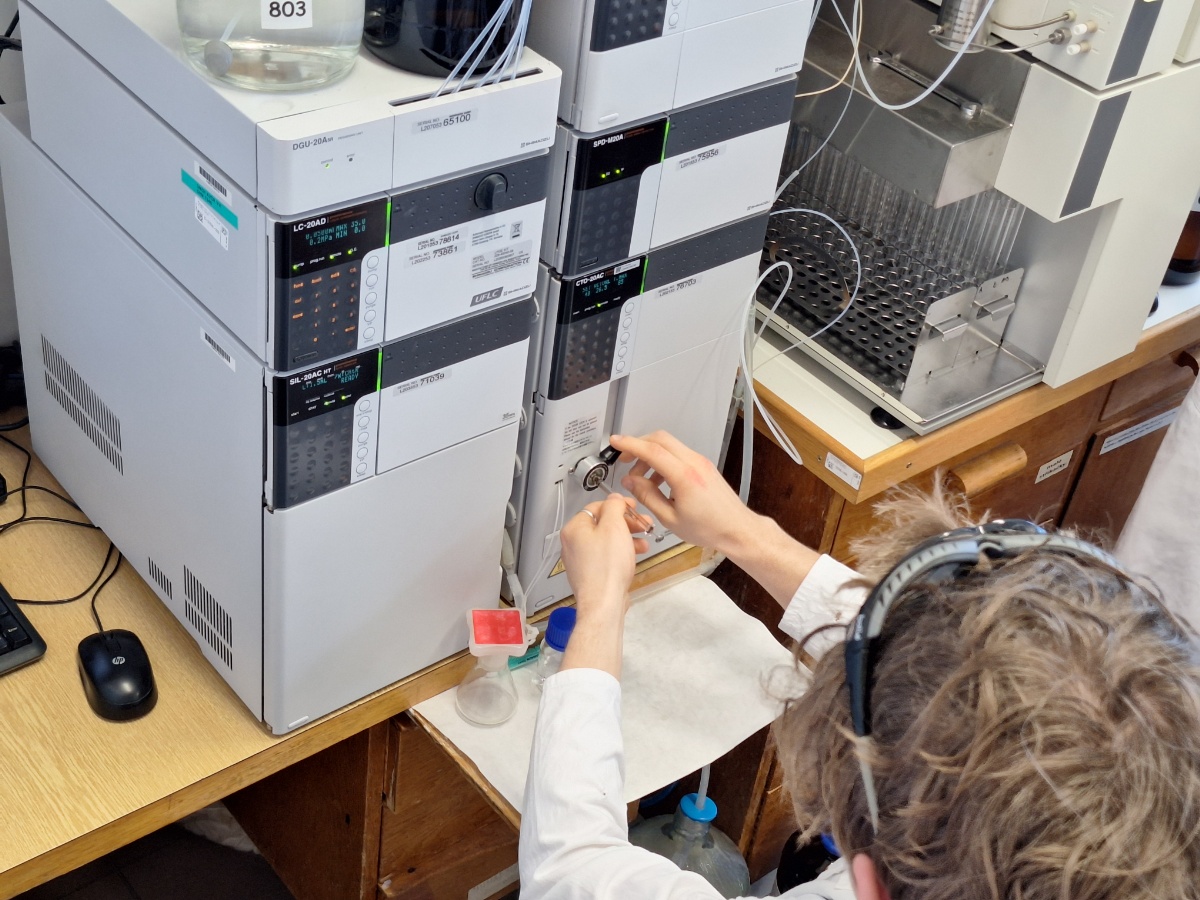
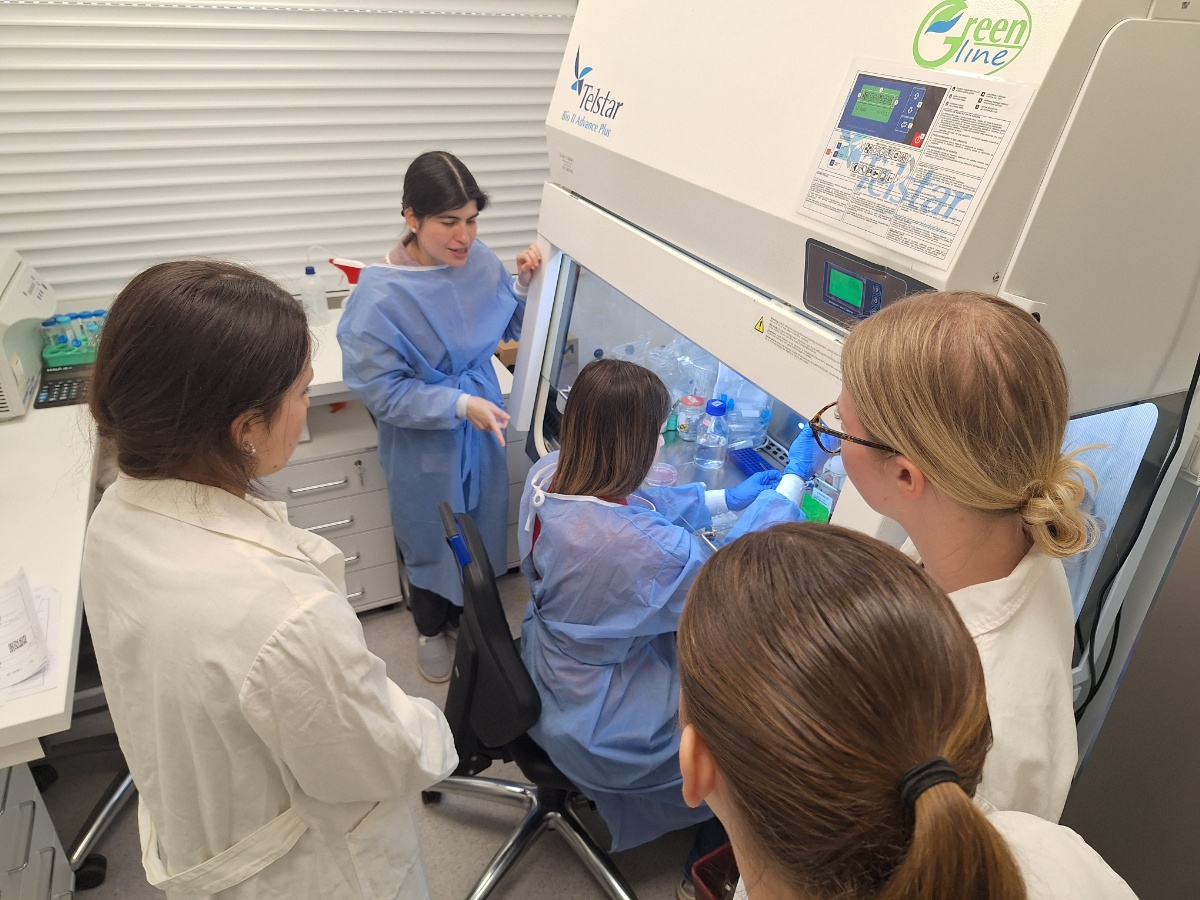
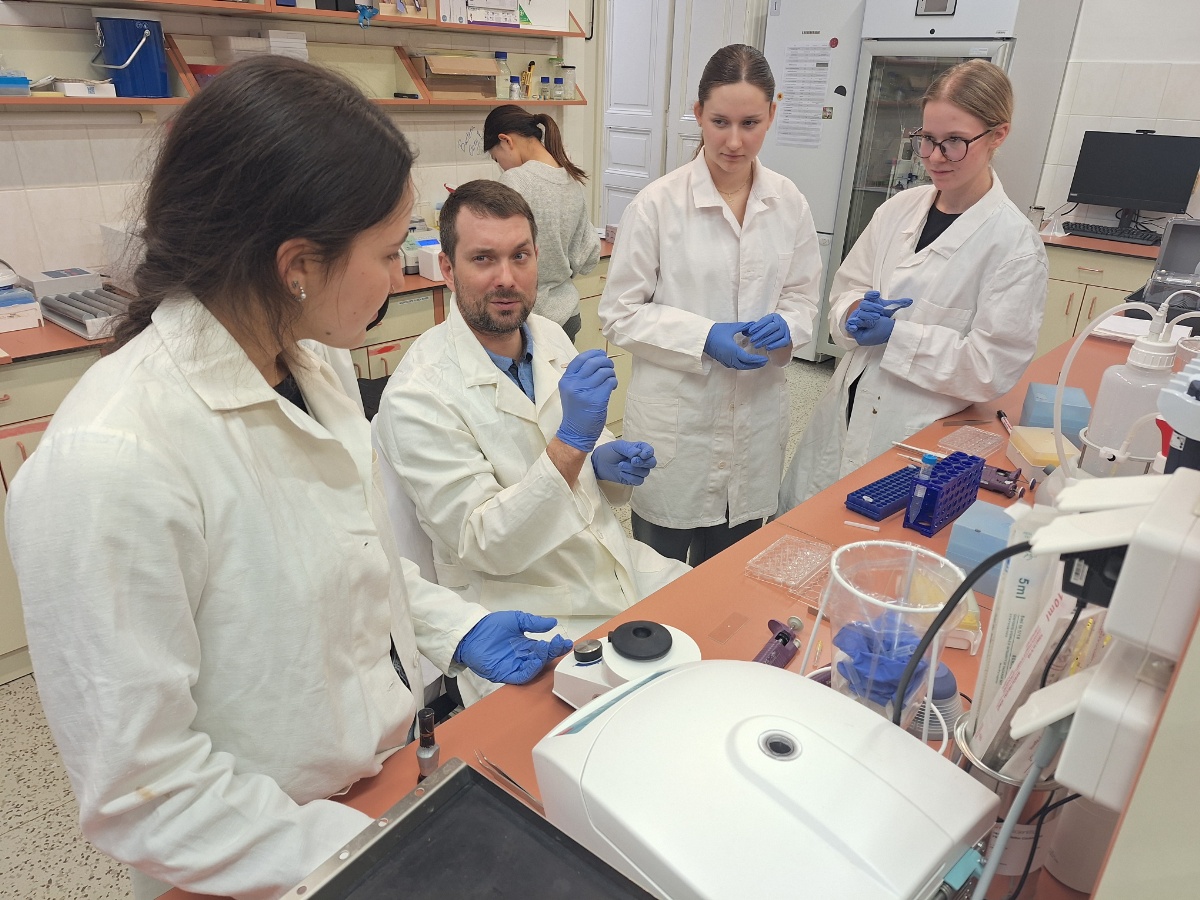
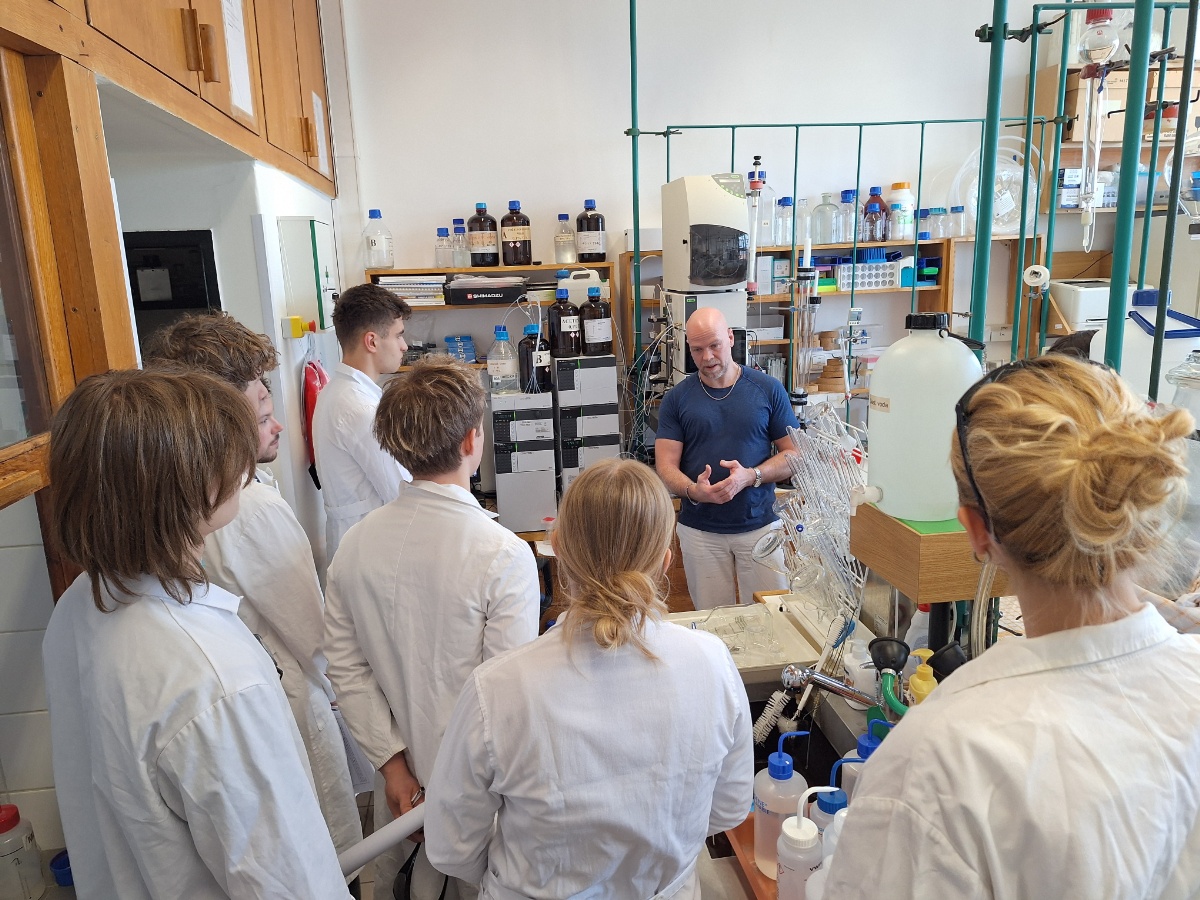
We are happy to announce that in the first semester of this year, we can once again offer secondary school students interactive workshops and they are now filled to the last spot! As usual, students will be able to visit Michal Kolář’s laboratory at the Institute of Molecular Genetics of the CAS and Martin Sztacho’s lab at the Institute of Biochemistry and Experimental Oncology of the First Faculty of Medicine, Charles University. These groups are newly joined by Tomáš Etrych’s group from the Institute of Macromolecular Chemistry of the CAS, where students will learn about research of polymer materials that could be used in navigated tumour surgery. Moreover, at a new workshop with Ivana Matrasová, Magdalena Houdová Megová, and their colleagues at the Institute of Biochemistry and Experimental Oncology of the First Faculty of Medicine of the CU, students will learn how cells of the immune system can recognise and destroy tumour cells – and why it sometimes does not work.

Indicators and goals during the sustainability period…

Already during the implementation of the NICR project, academic institutions have managed to establish numerous collaborations with the biotechnological and pharmaceutical industry. These collaborations were established mainly as part of joint research projects, contract-based research, and activities aimed at a transfer of results into practice. The period of sustainability offers an opportunity to follow up on these activities and develop them further. 

The aim is to expand partnerships with the implementation sphere, support new joint projects, and boost research teams’ ability to transfer research results into diagnostics, treatment, and other practical applications. Cooperation with the industry moreover contributes to a diversification of financial resources, which further supports the sustainability of NICR and lowers its dependence on public financing.

Learn more

Zdravotnickydenik.cz, 8 January 2026

Czech academic oncology has become a model for other European systems, but it is still hampered by limitations of support. Director of NICR Aleksi Šedo spoke about this at the 3rd European Oncology Conference with reporters of Zdravotnický deník journal.

Vědavýzkum.cz, 20 January 2026

NICR, NIVB, NEUR-IN, SYRI, and CarDia – these are the acronyms of five centres created at the cost of five billion korunas from the National Recovery Plan as part of the EXCELES programme. As part of this programme, dozens of institutions have been interconnected and top researchers attracted to the endeavour. 

Medical Tribune, 29 January 2026

A review conference of collaborating EXCELES projects had shown that excellent research in the Czech Republic is based on collaboration, not competition of institutions. The success of individual projects (national authorities) is clear and what is decisive now is the ability to maintain and further develop them and to explain their contribution to the general public. 

Sciencemag.cz, 4 February 2026

Will genetic analysis become a regular part of every individual’s check-up, perhaps even right after birth? At the occasion of the World Cancer Day, the National Institute for Cancer Research highlights the importance of genomic data in cancer prevention and targeted treatment. The CzechGenome project is creating the first open reference database of genetic variants in the Czech population, which helps specify the interpretation of hereditary risks, including the development of cancers.

Medical Tribune, 10 March 2026

An international team of authors from Spain, Luxembourg, The Netherlands, Australia, and the CLIP Laboratory Centre (Childhood Leukaemia Investigation Prague) of the Department of Paediatric Haematology and Oncology of the Second Faculty of Medicine of Charles University and University Hospital Motol, which is part of NICR, has last December published in the European Journal of Immunology an article dedicated to an extension of nomenclature of CD molecules.

Podcast Druhý názor, 18 February 2026

Every government proclaims that we must invest into science. This appears in every government programme but there is a vast gap between the declared and real support. Marián Hajdúch, Medical Director of NICR and head of the Institute of Molecular and Translational Medicine of the Faculty of Medicine of Palacky University and University Hospital Motol, speaks from personal experience.

If you do not want to receive these emails, unsubscribe HERE